Electric vehicles have moved from novelty to mainstream faster than almost anyone predicted, and that shift is quietly rewriting the rules of an industry most drivers never think about: the business of moving cars from one place to another. When a vehicle is bought online, relocated across the country, or sent to a new owner two states away, it usually rides on a carrier rather than under its own power. As more of those vehicles run on batteries instead of gasoline, the trailers, the safety procedures, and even the environmental math behind the journey are all changing.
A Different Kind of Cargo on the Trailer
The scale of the transition is easy to underestimate. Around 22 percent of light-duty vehicles sold in the United States in 2025 were hybrid, plug-in hybrid, or fully electric, up from 20 percent the year before, according to the U.S. Energy Information Administration. Battery-electric models alone briefly reached 12 percent of the market before federal tax credits expired in late 2025. Even with sales cooling afterward, millions of these cars are now on American roads, and a growing share of them eventually need to be transported.
That matters because an electric car is not simply a quiet version of a gasoline one. It is a fundamentally different object to handle, and the companies that move vehicles for a living have had to adapt.
Why Electric Cars Travel Differently

The most obvious difference is weight. A large lithium-ion battery pack can make an EV up to 30 percent heavier than a comparable combustion model. On a multi-car trailer, where total load is capped by federal axle-weight limits, that extra mass changes how many vehicles a carrier can legally haul at once. Fewer cars per trip can mean slightly higher per-vehicle costs and more careful route planning around weight-restricted roads and bridges.
Batteries also introduce handling steps that gasoline cars never required. Before transport, an EV is typically charged to somewhere between 25 and 50 percent, powered down fully, and inspected for any signs of a leak or damage. Keeping the charge in that middle range reduces stress on the pack, which is useful because a parked EV slowly loses a few percent of its charge per day in transit. Drivers shipping an electric car are usually advised to disable any “sentry” or always-on monitoring modes so the battery does not quietly drain during the trip.
Then there is the question of fire safety. Lithium-ion packs are treated as hazardous material under federal rules, and while a battery installed in a vehicle is governed by standard highway-transport regulations rather than the stricter rules for loose batteries, carriers still follow specific inspection and loading protocols. Because of those requirements, some transport companies have chosen not to accept EVs at all, which makes choosing an experienced, properly equipped carrier more important than it used to be.
Where Safety Rules and Regulations Come In
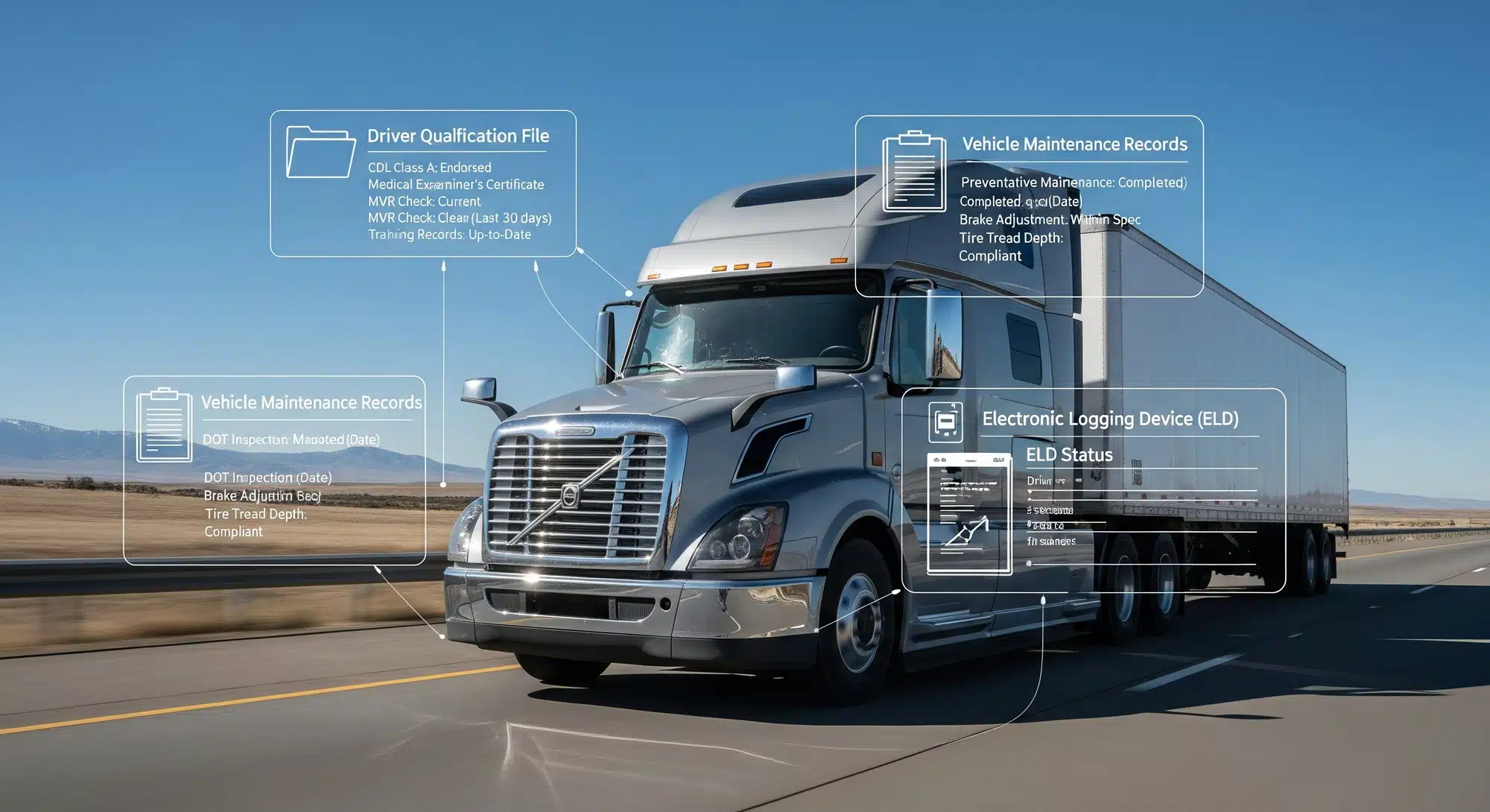
Behind every legitimate car carrier sits a layer of federal oversight that most customers never see. Any company hauling vehicles across state lines for hire must be registered with the Federal Motor Carrier Safety Administration, carry a USDOT number, and maintain minimum levels of insurance on file. Those requirements exist to make commercial vehicle operations safer, and they take on added weight when the cargo includes high-voltage battery systems.
For an EV owner, this regulatory framework is a practical filter. A carrier’s USDOT number can be checked, its safety record reviewed, and its insurance verified before a single vehicle is loaded. Reputable providers build their entire process around that compliance. Services such as door to door car shipping, where the vehicle is collected as close as possible to the owner’s address and delivered the same way, depend on a network of vetted, insured carriers that meet these federal standards rather than on whoever happens to be available.
The Sustainability Equation Most People Miss
There is an environmental story here too, and it is more nuanced than “electric is clean.” An EV produces no tailpipe emissions, and over its lifetime it generally creates far fewer emissions than a gasoline car, especially as the electricity grid grows greener and infrastructure like the wirelessly charging roads now being tested in several countries moves from experiment to reality. But the way a car reaches its owner is part of that lifecycle accounting too.
Shipping a vehicle on a shared carrier is often the lower-emission choice compared with driving it long distances individually. A single trailer carrying eight or nine cars spreads its fuel use across every vehicle on board, so each car’s share of the journey’s emissions is a fraction of what a solo cross-country drive would produce. For someone relocating an electric car they bought specifically to shrink their footprint, consolidated transport keeps that logic intact rather than undermining it with a thousand-mile road trip the day they take delivery.
As more of the carrier fleet itself electrifies in the years ahead, the gap is likely to widen further, turning vehicle transport into one more link in a cleaner supply chain rather than a hidden source of emissions.
What It Means for Owners

For anyone buying, selling, or relocating an electric vehicle, the practical takeaways are straightforward. Ask whether a carrier is experienced with EVs and what its battery procedures are. Confirm its federal registration and insurance. Charge the battery to a moderate level and turn off power-hungry features before pickup. And weigh the environmental benefit of letting a professional carrier consolidate the trip rather than driving the car yourself.
The companies that handle this well, including operators like Rivalane Auto Transport, have spent the past few years quietly retraining staff, updating loading procedures, and adjusting pricing models to reflect a fleet that no longer runs entirely on gasoline. It is a small but telling example of how the electric transition ripples outward, reshaping not just what people drive but the entire chain of services that get those vehicles where they need to go.