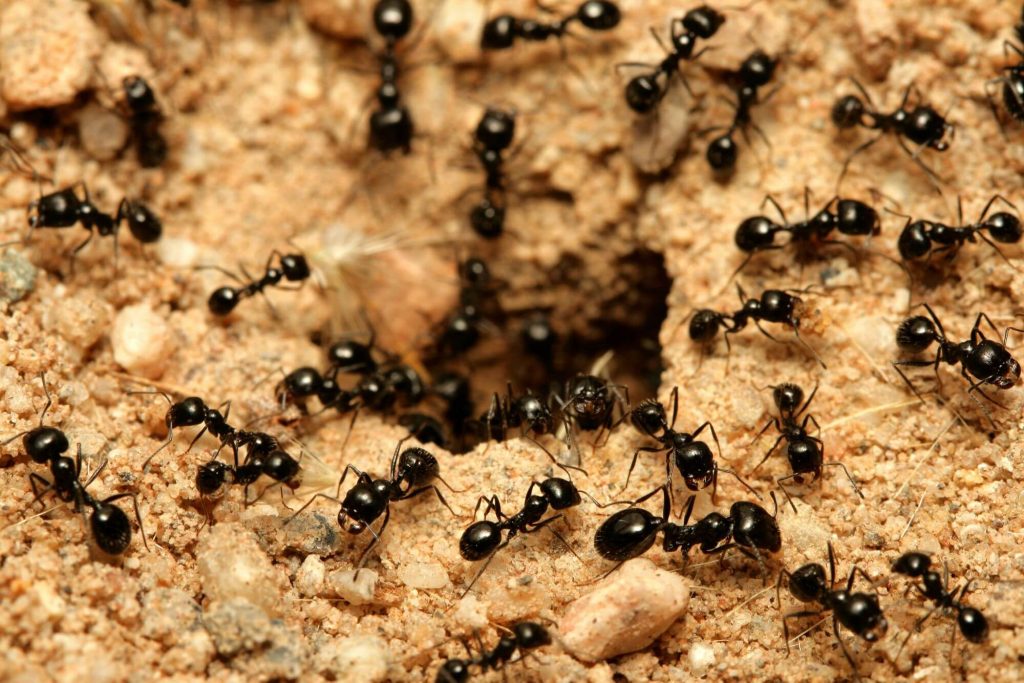
A recent groundbreaking study reveals that eating ants and other insects could soon be recommended to protect against cancer. It stated that these insects are rich in antioxidants – an important component for reducing the risk of cancer.
 Antioxidants play a role in reducing the chemical reactions in a person’s body that can produce free radicals. It’s believed that these free radicals are an important element in increasing the risk of cancer and raising the risk of several chronic illnesses, like diabetes and cardiovascular illnesses.
The best way to keep these illnesses away is by adopting a healthy lifestyle and an antioxidant-rich diet containing many fruits and vegetables. Scientists believe that in the future people in western countries may have to include insects in their diets to keep diseases away.
 In the study that was published in the journal Frontiers in Nutrition, a group of Italian scientists from the University of Rome set out to discover the different types of invertebrates that are rich in antioxidants. They specifically tested the commercially available edible invertebrates and insects. They also checked the antioxidant levels of each of them with the help of different measures.
Before testing the samples, the scientists removed all of the inedible parts such as the wings and stingers. Then, two body parts of each of the species were extracted and tested separately.
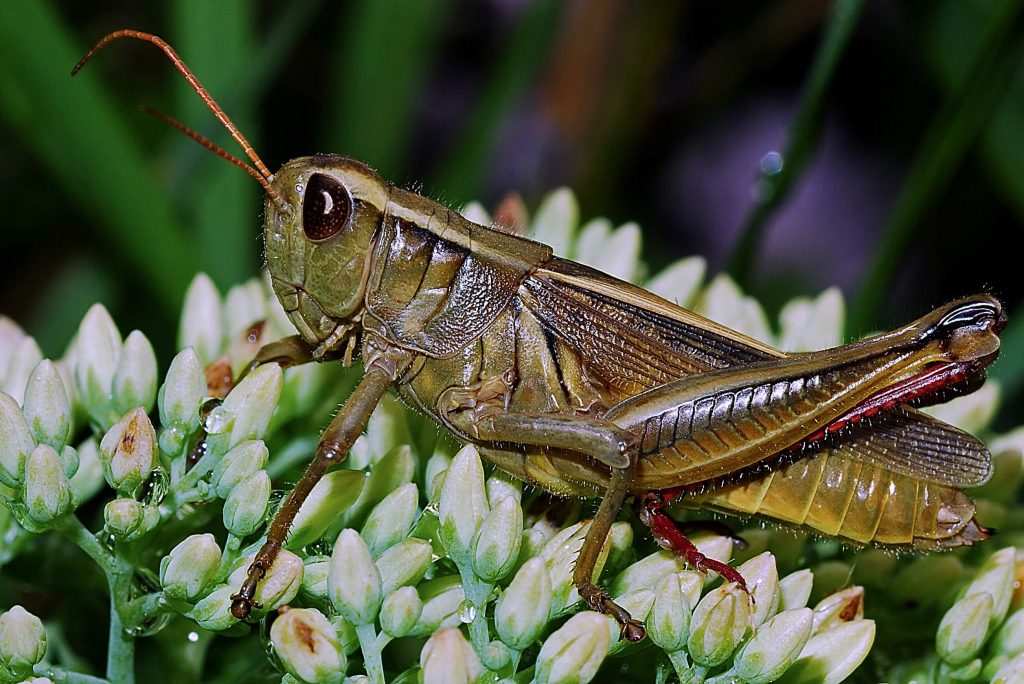
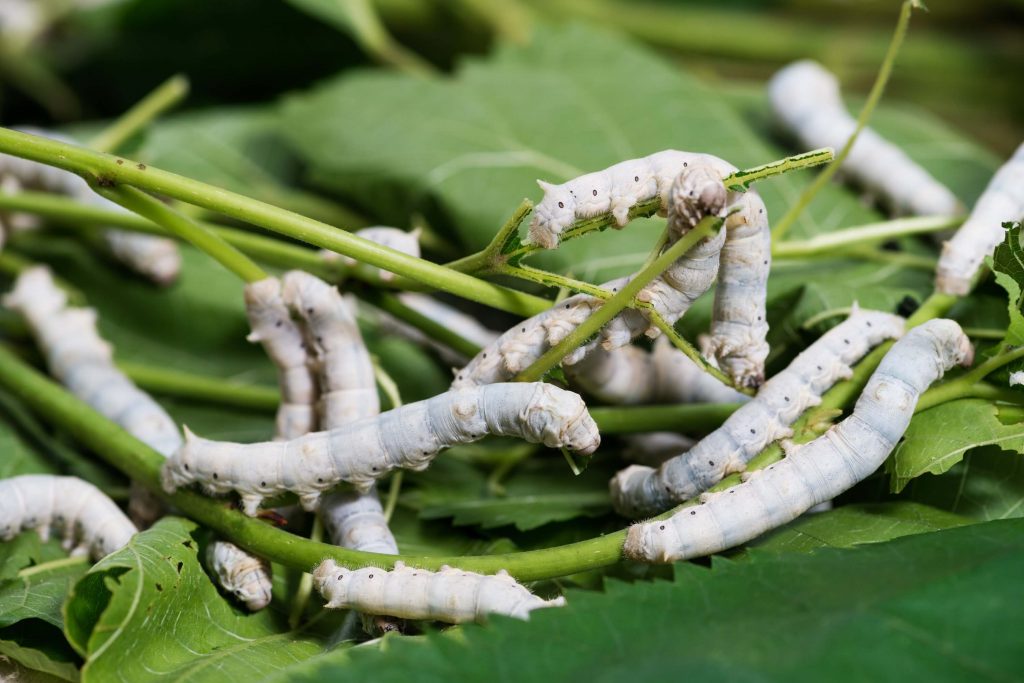
They discovered that silkworms, grasshoppers, and crickets have the highest capacity of antioxidants. Their antioxidant levels are five-fold higher than orange juice. While giant cicada, silkworm’s fat-soluble extracts, and African caterpillars have two-fold higher than olive oil, which is another item recommended by food scientists to reduce free radicals. They also found mealworms, black ants and grasshoppers are high in polyphenols, which are micronutrients rich in antioxidants.
 At the end of the study, the scientists found that the insects that were vegetarian had much higher antioxidants compared to those of carnivorous such as tarantulas and black scorpions.
Professor Mauro Serafini, who led the research, said:
“At least two billion people – a quarter of the world’s population – regularly eat insects. The rest of us will need a bit more encouragement. Edible insects are an excellent source of protein, polyunsaturated fatty acids, minerals, vitamins and fiber. But until now, nobody had compared them with classical functional foods such as olive oil or orange juice in terms of antioxidant activity.”
Did you know? Insects are gradually crawling into the UK diet.
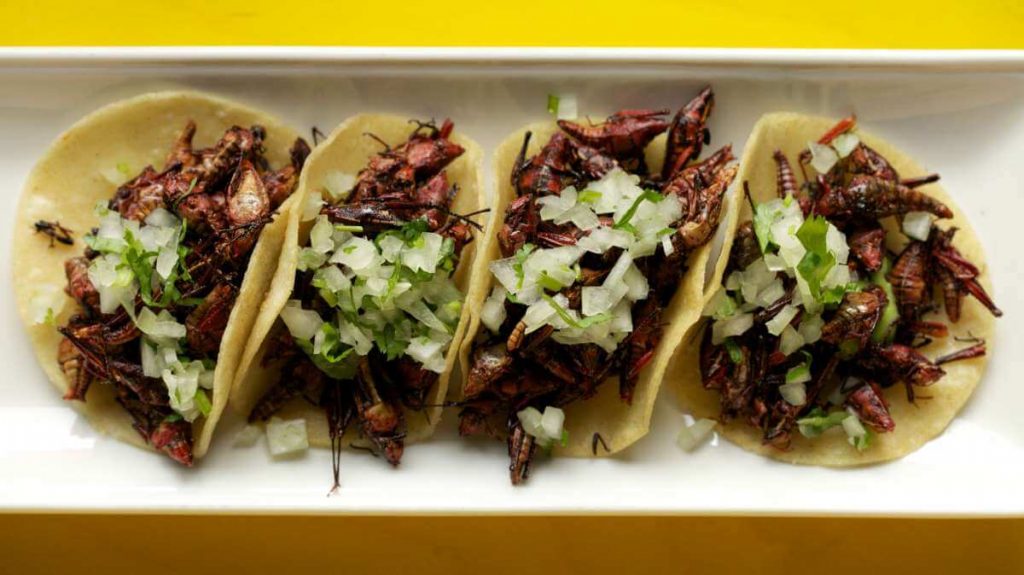
In 2018 Sainsbury’s announced it would become the first British supermarket to stock edible bugs, launching Eat Grub’s Smoky BBQ Crunchy Roasted Crickets in 250 stores across the country. The crickets are marketed as either a standalone snack or to garnish dishes such as tacos, noodles or salads.
In 2017 Deliveroo customers in London started being able to order meals such as spicy cricket rice cakes, salted cricket and smoked tomato salad, as well as buffalo worms wrapped in a beta leaf.
 Would you start eating ants and grasshoppers to prevent cancer?