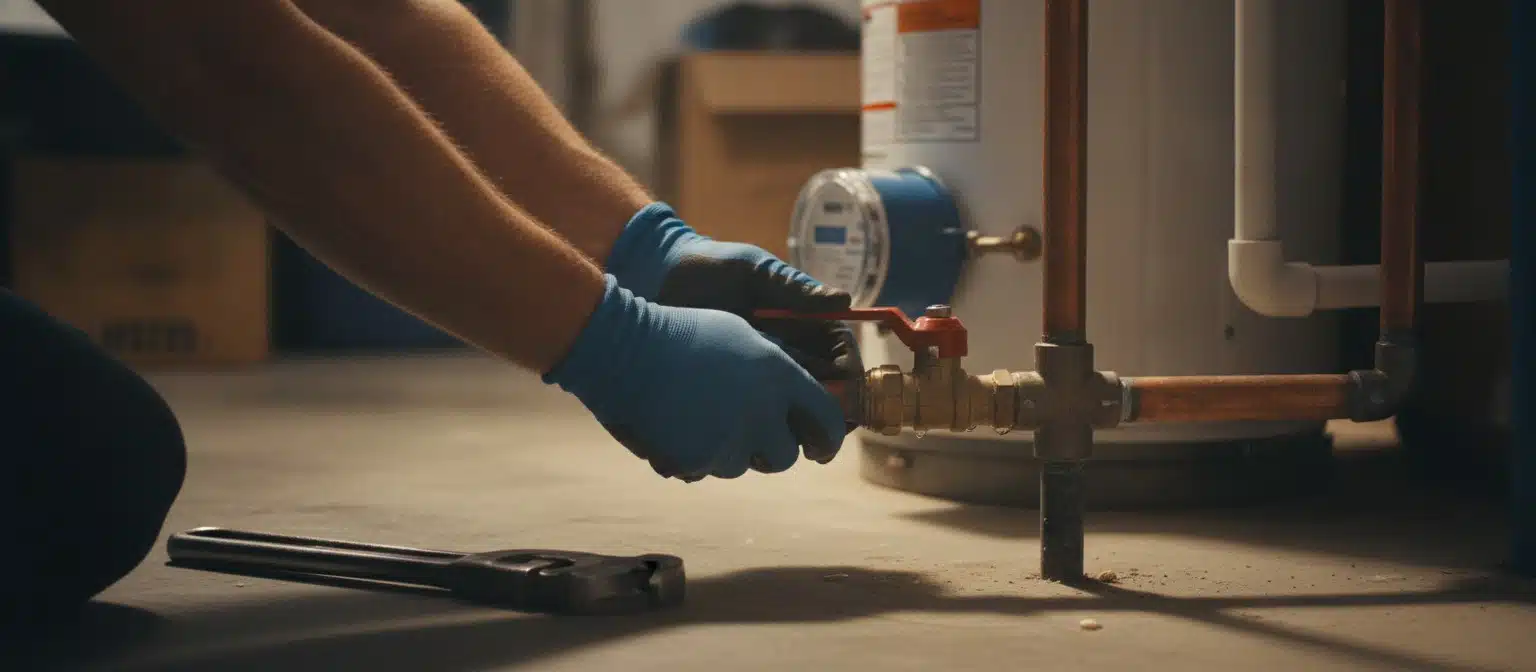
A plumbing emergency can turn an ordinary evening into a stressful race against water damage. Whether a pipe bursts, a toilet overflows, or wastewater backs up into a drain, the first goal is simple: protect people, stop the flow when it is safe, and limit damage. Homeowners facing a severe leak may need emergency plumbing repair in Austin, TX, when a shutoff valve, towels, and temporary containment are not enough.
Fast action matters, but safety matters more. Water near electrical equipment, a sagging ceiling, exposure to sewage, or a suspected gas leak can make a situation dangerous within minutes. Knowing which problems require an immediate call and which can wait until normal business hours helps prevent costly mistakes.
How To Spot A Plumbing Emergency
A plumbing problem becomes an emergency when it threatens personal safety, causes active property damage, creates contamination, or cannot be controlled. A small faucet drip may be annoying, but water spraying from a pipe behind a wall can quickly soak flooring, insulation, cabinets, and drywall.
- Water is spraying, pouring, or spreading across floors.
- A ceiling stain is growing, bulging, or beginning to sag.
- Sewage is entering a sink, tub, toilet, or floor drain.
- A water heater is leaking heavily or pooling water.
- You smell gas near a water heater, appliance, or gas line.
- Several drains back up at once.
- The entire house loses water, and a hidden leak is suspected.
What To Do In The First Few Minutes
- Stop the water. Close the fixture shutoff valve if the issue is isolated. If water keeps flowing, shut off the home’s main water supply.
- Protect people and pets. Keep everyone away from standing water, electrical equipment, damaged ceilings, and sewage.
- Move valuables. Relocate electronics, furniture, rugs, documents, and boxes if it is safe to do so.
- Document the damage. Take photos and short videos of the leak source, affected areas, and damaged belongings before cleanup.
- Call for qualified help. Explain where the problem is, whether water is still flowing, and whether sewage, gas, or electricity may be involved.
Find the main shutoff valve before an emergency happens. It is commonly near the water meter, in a basement, on an exterior wall, or in a utility area. Make sure responsible household members know where it is and how to operate it.
Common Plumbing Emergencies And The Right Response
Burst Pipes
Shut off the main water supply immediately and open a nearby faucet to relieve pressure. Catch dripping water with buckets and use towels only after the area is safe. Do not cut into walls or ceilings to find the pipe, especially when wiring may be present. For a more detailed look at minimizing damage, see this guide on smart steps to take when pipes burst.
Sewer Backups
Stop using all toilets, sinks, showers, dishwashers, and washing machines. Wastewater can contain harmful contaminants, so avoid direct contact and keep children and pets away. For cleanup safety, the CDC’s guidance on cleaning after a disaster offers useful precautions regarding sewage-contaminated water and protective equipment.
Overflowing Toilets
Remove the tank lid and close the flapper if water is still entering the bowl. Then turn the small supply valve behind the toilet clockwise. If the toilet repeatedly overflows or other drains are affected, stop using plumbing fixtures and arrange urgent service.
Water Heater Leaks
Turn off the cold-water supply valve above the unit if it is accessible without stepping through water. Do not touch electrical controls, gas controls, wiring, or burners when water has reached those areas. A large tank leak can worsen quickly and may require immediate professional attention.
Gas-Line Concerns
A strong gas odor is a life-safety issue, not a do-it-yourself repair. Leave the building, avoid using switches, phones, appliances, flames, or vehicles near the suspected leak, then contact the gas utility or emergency services from a safe location.
Water, Electricity, Gas, And Sewage Safety
Never prioritize belongings over personal safety. Do not walk through standing water near outlets, extension cords, appliances, electrical panels, or equipment. Do not enter a room beneath a sagging ceiling, and do not force a stuck shutoff valve with excessive pressure.
- Do not use chemical drain cleaners in a backed-up drain system.
- Do not mix bleach with other cleaning products.
- Do not relight gas appliances after a suspected leak.
- Do not use electrical pumps or wet vacuums until electricity is confirmed safe.
- Wear gloves, boots, and eye protection if sewage cleanup is unavoidable.
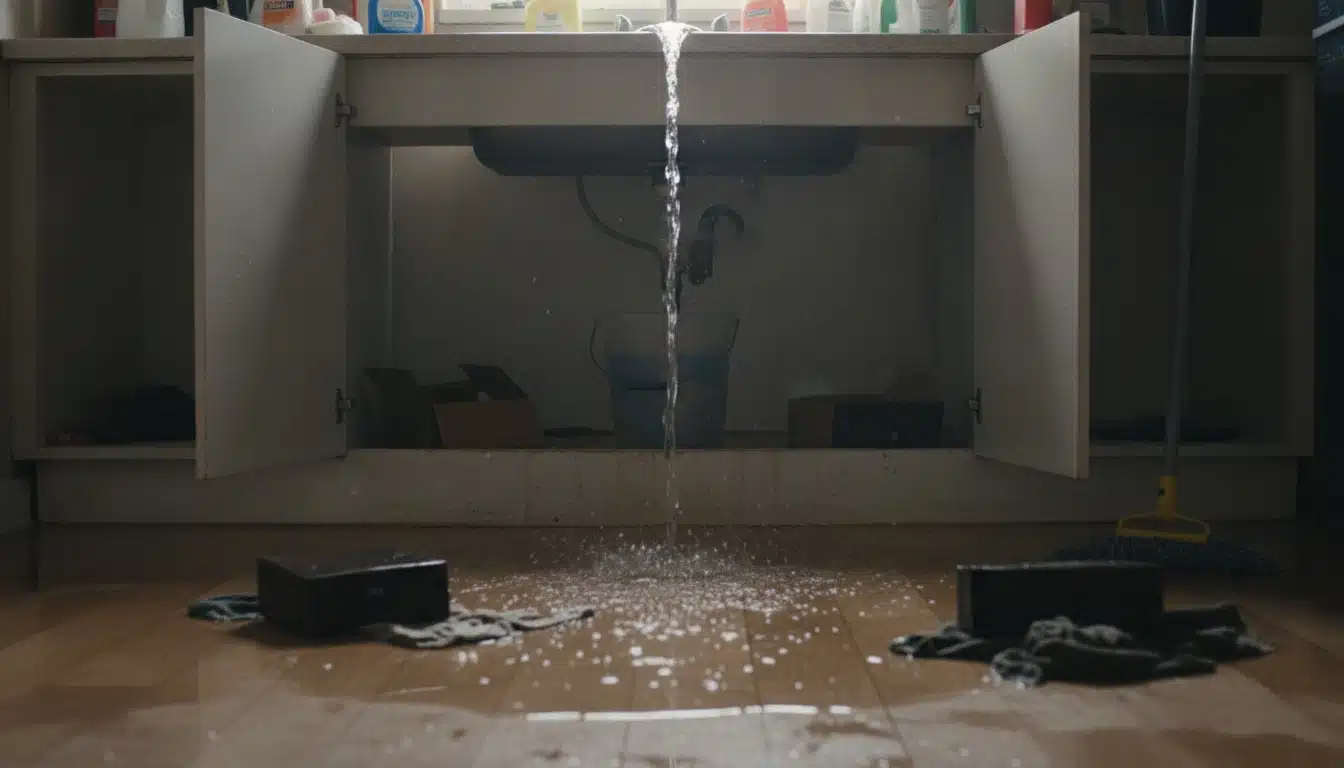
When To Call For Emergency Help
Call Immediately
- Active flooding that cannot be stopped.
- Sewage entering the home.
- A suspected gas leak.
- A burst pipe in a wall, ceiling, or floor.
- A major water heater leak.
Schedule Service Soon
- Several slow drains, recurring clogs, low pressure, rust-colored water, or inactive water stains.
Monitor With Care
- A small faucet drip, a running toilet, or one slow drain that is not backing up.
What Emergency Plumbing Repairs May Cost
After-hours service generally costs more because it may include travel, urgent diagnostics, overtime labor, parts access, and difficult repairs. July 2026 national estimates from Angi’s emergency plumber cost guide place many emergency calls at roughly $100 to $500 per hour, with holiday work sometimes higher. Actual Austin-area pricing can vary substantially based on timing, access, repair type, and water-damage restoration needs.
- Ask whether a dispatch or diagnostic fee applies.
- Confirm how after-hours rates are calculated.
- Request a written estimate before nonessential work begins.
- Ask whether cleanup, permits, parts, and restoration are separate charges.
- Keep photos, invoices, and a timeline for insurance discussions.
How To Choose A Reliable Professional
- Confirm licensing requirements and liability insurance.
- Ask for a plain-language explanation of the problem and repair options.
- Request temporary damage-control instructions before the technician arrives.
- Review recent feedback, but look beyond star ratings for details about communication and pricing.
- Get warranties and agreed-upon work in writing.
- Be cautious if someone pressures you to approve unrelated upgrades during an emergency.
For example, a toilet that stops after its supply valve is closed may be suitable for scheduled repair. Wastewater rising through multiple drains is different. Stop using the plumbing system and seek immediate help.
Ways To Reduce Future Plumbing Risks
- Inspect supply hoses beneath sinks and behind washing machines.
- Look for corrosion, bulges, mineral buildup, damp cabinets, and musty odors.
- Watch for unexplained changes in water pressure or water bills.
- Keep gutters and downspouts directing water away from the foundation.
- Consider leak detectors in laundry rooms, utility areas, and vacation homes.
- Schedule maintenance for aging water heaters and older plumbing systems.
Frequently Asked Questions
Is A Slow Drain A Plumbing Emergency?
Usually not, unless several fixtures drain slowly, wastewater backs up, or the issue keeps recurring.
Should Homeowners Repair A Burst Pipe?
Homeowners can shut off water and contain minor flow. Hidden leaks, pipe replacements, ceiling leaks, and water near electrical equipment require qualified help.
What Should Be Photographed?
Document the leak source, standing water, damaged materials, affected belongings, equipment labels, and shutoff valves.

Conclusion
Calm, safe action can reduce the impact of a plumbing emergency. Stop the water when possible, avoid electrical and contamination hazards, protect valuables, document the damage, and call for help when the problem exceeds a safe temporary fix. A little preparation now can save significant stress later.