Honeybee pollination contributes between $3.15 to $4.39 billion per year to the Canadian economy, Statistics Canada estimates. This including some of Canada’s most lucrative crops like apples, blueberries, and canola. That is why it is of great concern to know that in Canada, and around the world, beekeepers have experienced higher than normal colony losses. The situation is so dire that last winter, Canadian beekeepers lost up to 33 percent of their colonies.
Scientists around the world are researching ways to fix this disaster from getting any worse. They want to know why it is happening, and how to reverse the decreasing population of bees. Among the many possibilities being presented, there is one that looks promising – York University’s research on the honeybee’s “clean” genes. This newfound knowledge may be the key to unlocking a great solution.
According to genomics research conducted at the university, the key to breeding disease-resistant honeybees could lie in a group of genes. These specific genes are the ones responsible for controlling hygienic behavior. They are what enable colonies to limit the spread of harmful mites and bacteria.
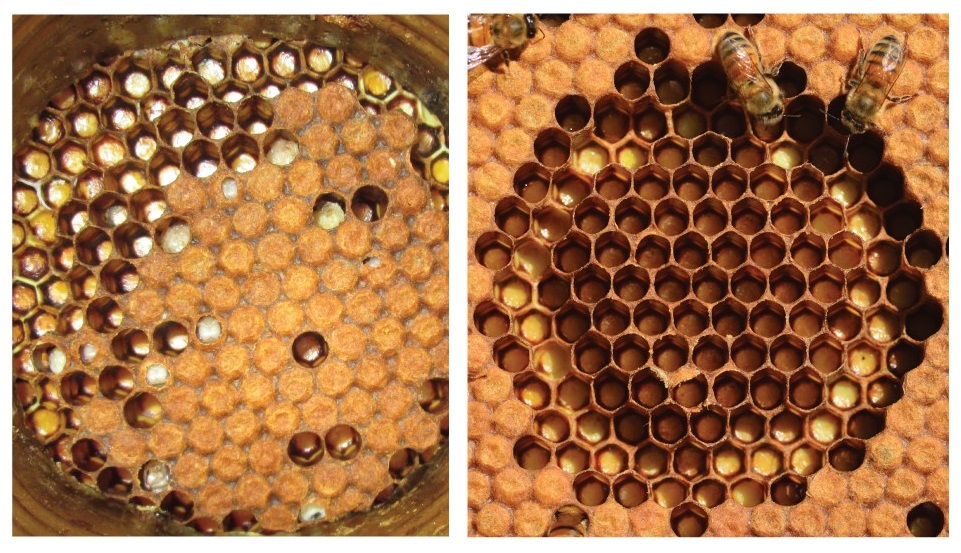
There are a group of worker honeybees whose sole purpose is to detect and remove sick and dead larvae and pupae from their colonies. It makes sense that this hygienic behavior is known to improve the colony’s chance of survival. What York University researchers have discovered is that this obviously useful behavior actually has a strong genetic component.
Next, to really discern what they discovered, the Canadian researchers narrowed in on the “clean” genes that influence this behavior. They wanted to fully understand the evolution of this unique trait. What they found could lead to a new technique for use in selective breeding programs around the world to enhance the health of honeybees. The study was published in the journal Genome Biology and Evolution.
Professor Amro Zayed, a bee genomics expert in the Department of Biology, Faculty of Science, said:
“Social immunity is a really important trait that beekeepers try to select in order to breed healthier colonies. Instead of spending a lot of time in the field measuring the hygienic behavior of colonies, we can now try breeding bees with these genetic mutations that predict hygienic behavior.
This study opens the door to using genomics to breed healthier and disease-resistant colonies that have higher social immunity. This is of huge importance to the greater community of geneticists who are interested in understanding the genetics of this novel trait.”
Zayed worked on the study with 13 bee biologists from York University, The University of British Columbia, The University of Manitoba, and Agriculture and Agri-Food Canada (AAFC). Together, the biologists sequenced the genomes of three honeybee populations; two of them bred to express highly hygienic behavior and the third population with typical hygiene.
Brock Harpur, Zayed’s former doctoral student who is now an assistant professor at Purdue University’s Department of Entomology, examined the genomes of bees from each of these three populations. He looked for areas that differ between the unhygienic and hygienic bees. Harpur’s research pinpointed at least 73 genes that likely control this hygienic trait.
Harpur explained:
“Now that we have identified these candidate genes, we can look for the mechanisms of hygienic behavior and begin to develop tools for beekeepers to breed healthier colonies.”
How will they use this information to save the bees? The biologists are planning to pilot a marker-assisted breeding program for hygienic behavior, in which bees are selected for breeding based solely on their genetic information.
Zayed said:
“We think there is a lot of potential here of breeding disease-resistant colonies with a simple genetic test.”