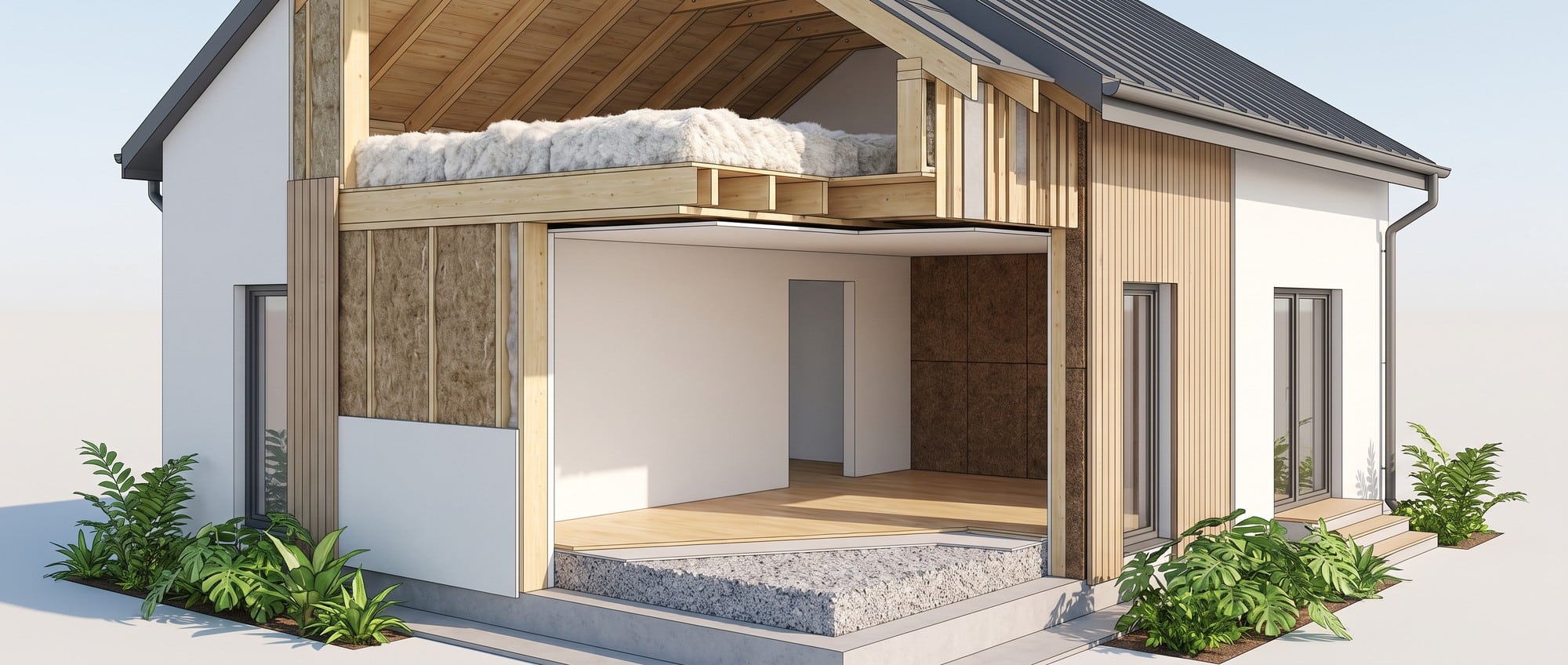
From residential homes to large commercial development projects, green roofs are popular these days due to their incredible benefits for insulation and aesthetics. As demand rises for greener solutions in construction, the need for better technology also increases. Provincial Smart Home Services will show some of the newest innovations in green roof technology.
This article will cover potential energy savings, design flexibility, and dollar costs. By understanding today’s state-of-the-art offerings on the market, maximizing efficiency can be more accessible than ever when building a beautiful yet sustainable roof structure.
What is a Green Roof and its Benefits
Have you ever heard of a green roof? It’s not your typical brick or shingle rooftop. Instead, a green roof is covered in vegetation, such as grass or plants. Not only does it add a touch of nature to urban environments, but it also comes with many benefits. One major advantage is its ability to reduce the urban heat island effect when asphalt and concrete in urban areas absorb heat and raise temperatures.
On the other hand, green roofs absorb significantly less heat, making them an eco-friendly solution to cool down cityscapes. In addition to temperature control, green roofs help minimize stormwater runoff, improve air quality, and provide a natural habitat for birds and insects. It’s clear that green roofs aren’t just aesthetically pleasing, but they bring many environmental benefits.

Innovative Technologies to Improve Green Roof Aesthetics
Green roofs are popular because of their numerous environmental benefits. However, while they are practical regarding energy efficiency and sustainability, some may argue that green roofs lack aesthetics. This is where innovative technologies come into play.
Provincial Smart Home Services has been at the forefront of developing exciting new ways to enhance the look of green roofs. These groundbreaking advancements are blurring the line between functionality and aesthetics by incorporating vibrant mosaic tiles and innovative porous materials and harnessing the power of state-of-the-art technology, such as living walls and vertical gardens. Innovative technologies allow green roofs to become a sustainable choice and visually appealing addition to any building.

The Benefits of Improved Insulation with Green Roofs
Improved insulation is an aspect of sustainable architecture that has numerous benefits, and among these benefits is the use of green roofs. Green roofs are covered with vegetation, soil, and drainage systems that help improve building insulation.
One of the benefits of green roofs is that they reduce energy consumption by maintaining a constant indoor temperature. By reducing heat transfer, green roofs can lower utility bills and save owners money and energy. Additionally, studies have shown that green roofs can impact the environment by reducing greenhouse gas emissions and air pollution.
The natural insulation provided by green roofs can also extend the lifespan of roofs, reducing the need for repair or replacement and ultimately saving building owners money. Therefore, the benefits of improved insulation with green roofs are significant and cannot be ignored.
The benefits of having a green roof are undeniable; not only does it help reduce the urban heat island effect, but it also promotes biodiversity and improves air quality. Proper installation and maintenance guidelines can achieve maximum efficiency and create a more sustainable future.

Choosing the Right Materials for Your Green Roof
Choosing the right materials is essential for its success. Not only do you want to consider environmentally friendly materials, but also those that will withstand the elements and provide proper drainage.
Options for the base layer include lightweight aggregates, gravel, or a drainage mat. You can choose soil-based or soil-less options, such as hydroponics, for your growing medium. It’s also important to select plants suitable for the climate and intended use of the roof.
By carefully selecting the right materials, you’ll ensure that your green roof thrives and provides numerous benefits for you and the environment.
How to Install and Maintain a Green Roof for Maximum Efficiency
In an era where environmental awareness is paramount, green roofs have emerged as a popular choice for individuals seeking to minimize their carbon footprint. The installation process for a green roof involves a series of distinct steps that are contingent upon factors such as the type of roof and its location. Factors such as structural analysis, waterproofing, and drainage systems need to be carefully considered during the installation process to ensure the successful integration of a green roof.
Once a green roof is installed, proper maintenance becomes essential to maximize its longevity and efficiency. Regular inspections play a crucial role in identifying any potential issues or areas that require attention. This allows for prompt repairs or adjustments to be made, mitigating any potential damage.
An adequate watering schedule tailored to the specific plant species on the green roof is vital to nurture their growth and ensure their overall health. Furthermore, routine weeding is necessary to prevent the invasion of unwanted vegetation, which could potentially compete with or overshadow the desired plant species on the roof. By adhering to these maintenance practices, individuals can harness the full benefits of their green roofs and contribute to a more sustainable future.

Creative Solutions for Utilizing Existing Structures as Part of a Green Roof Project
Green roofs are a sustainable way to enhance urban environments by reducing carbon emissions and energy consumption. However, constructing a green roof from scratch can be costly and time-consuming. That’s where the idea of utilizing existing structures as part of a green roof project comes in. It saves money and adds a unique touch to the final product.
One creative solution is to incorporate unused shipping containers as planters, which can serve as perfect spots for growing low-maintenance plants. Another solution could be to use old tires as planters or as the base for a composite green roof. Implementing creative ways to use existing structures on green roofs can benefit the environment and inspire a sense of innovation and fresh thinking.
Final Thoughts
Creating and maintaining a green roof is an innovative and cost-effective way to reduce emissions while providing many environmental benefits. Utilizing creative design solutions to fit within existing building plans can increase sustainability while keeping costs low. Choosing appropriate materials for your climate and environment will add longevity and energy efficiency to your project.
New technologies make green roofs aesthetically pleasing and even more desirable in modern living spaces. A green roof is now an eco-friendly solution and an attractive feature of many homes and businesses. In short, any homeowner or business owner looking to decrease their carbon footprint while having an appealing and innovative rooftop should consider installing a green roof.