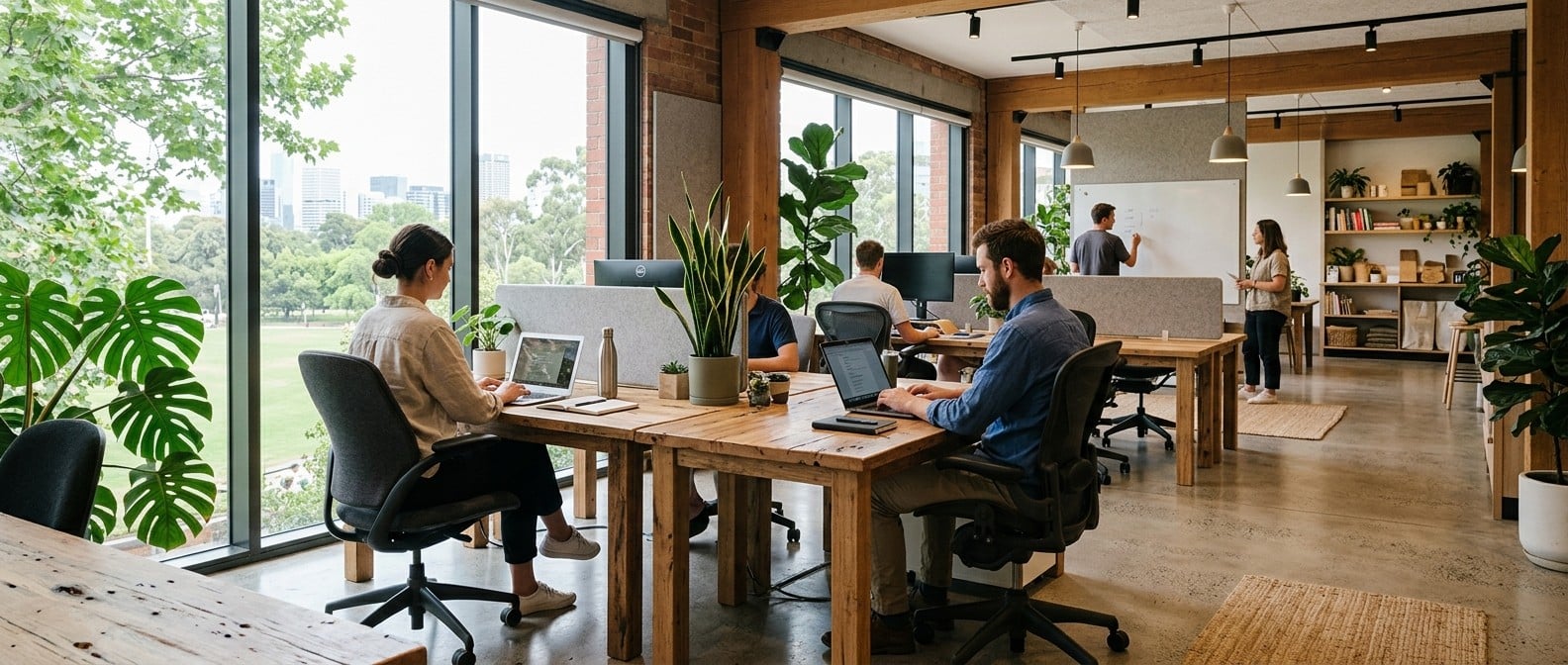
The modern workplace is changing rapidly. Businesses are rethinking how offices support collaboration, productivity, and employee wellbeing while responding to growing expectations around sustainability. Organizations are no longer designing offices solely to accommodate desks and computers. Instead, they are creating environments that encourage creativity, improve comfort and reflect their wider environmental and social values.
As hybrid working becomes more common, the office has evolved into a destination for collaboration rather than simply a place where employees complete routine tasks. This shift has encouraged businesses to invest more carefully in the physical environment, recognizing that every design decision influences how people feel, perform, and interact throughout the working day.
One area receiving increasing attention is furniture. While often viewed as a practical necessity, office furniture has a significant impact on employee experience, resource efficiency, and long-term business value. Choosing well-designed, durable products supports not only operational performance but also responsible consumption and sustainable workplace development.
Investing in Longevity Instead of Short-Term Solutions
Creating a workplace that stands the test of time requires organizations to look beyond appearance or initial purchase price. Businesses researching high quality office furniture are increasingly considering factors such as durability, ergonomic design, responsible manufacturing, and long-term performance. Furniture that is built to last reduces replacement cycles, supports employee comfort, and contributes to a more sustainable approach to workplace investment.
Durable furniture provides benefits that extend well beyond financial savings. Products designed with quality materials and thoughtful engineering remain functional for many years, reducing waste and lowering the environmental impact associated with frequent replacements. This long-term perspective aligns closely with modern sustainability goals while helping organizations make better use of available resources.
A well-planned office also creates greater consistency. Instead of replacing individual pieces as they fail, businesses can maintain cohesive workspaces that continue supporting employees through changing operational requirements.
The Relationship Between Wellbeing and Workplace Design
Research consistently highlights the connection between workplace design and employee wellbeing. Comfortable environments help people remain focused, reduce physical strain, and encourage positive interactions between colleagues.
Furniture plays a central role in shaping these experiences. Ergonomic seating promotes healthier posture during extended periods of work, while adjustable desks provide flexibility for employees with different working preferences. Thoughtfully designed meeting spaces encourage collaboration, and informal breakout areas support creativity and social interaction.
When employees feel physically comfortable, they are better able to concentrate on meaningful work rather than managing unnecessary discomfort. Small improvements in comfort can accumulate over time, contributing to greater job satisfaction, improved engagement, and stronger overall performance.
A workplace that prioritizes wellbeing also demonstrates that an organization values its people. This can positively influence recruitment, retention, and organizational culture, particularly in competitive industries where talented professionals have increasing expectations regarding their working environment.
Sustainability Is About More Than Materials
Discussions around sustainable office furniture often focus on recycled materials or environmentally responsible manufacturing processes. While these factors remain important, sustainability extends much further than product composition alone.

One of the most effective ways to reduce environmental impact is by purchasing products that remain useful for many years. Durable furniture minimizes unnecessary consumption because organizations replace items less frequently. This approach conserves raw materials, reduces manufacturing demand, and decreases waste entering landfills. According to the U.S. Environmental Protection Agency, furniture and furnishings represent a significant share of the durable goods discarded annually in the United States.
Repairability also contributes to sustainability. Furniture designed with replaceable components allows businesses to extend product lifespan without replacing entire workstations. This circular approach reflects a growing movement towards responsible resource management across multiple industries.
Thoughtful purchasing decisions therefore contribute to sustainability long before furniture reaches the end of its lifecycle.
Flexible Offices for a Changing World
Workplaces today must accommodate a wider variety of activities than ever before. Individual concentration, collaborative workshops, virtual meetings, client presentations, and informal discussions may all occur within the same office during a single day.
Flexible furniture supports these changing requirements by enabling spaces to adapt quickly. Modular seating, movable tables, and reconfigurable meeting areas allow organizations to respond efficiently as business needs evolve.
Adaptability also supports future growth. Expanding teams or changing departmental structures becomes easier to accommodate when office layouts can evolve without requiring extensive refurbishment.
This flexibility reduces unnecessary expenditure while ensuring workplaces continue meeting organizational needs over time.
Supporting Productivity Through Better Design
The physical workplace influences how efficiently people perform their daily responsibilities. Cluttered environments, uncomfortable seating, and poorly organized workspaces create unnecessary distractions that can reduce productivity.
Thoughtfully selected furniture improves workflow by encouraging organization and simplifying everyday tasks. Practical storage systems reduce visual clutter, collaborative spaces support communication, and comfortable workstations help employees maintain focus throughout the day.
Meeting rooms designed with appropriate furniture encourage more productive discussions by creating comfortable, welcoming environments for collaboration. These improvements may appear subtle individually, but together they create workplaces that actively support better decision-making and stronger business performance.
When organizations align workplace design with operational objectives, they create environments where employees can consistently perform at their best.
Creating Offices That Reflect Organizational Values
The workplace often communicates an organization’s values before conversations even begin. Clients, partners and prospective employees naturally form impressions based on the environment they encounter.
A carefully designed office reflects professionalism, attention to detail, and long-term thinking. High standards within the physical workplace reinforce confidence in the organization itself, supporting stronger business relationships and a positive employer brand.
For employees, the office serves as a daily reminder of organizational priorities. Comfortable, attractive, and functional workspaces demonstrate investment in people while reinforcing a culture of quality and continuous improvement.
Businesses increasingly recognize that workplace design contributes to organizational identity just as much as branding, communication, and customer service.
Responsible Investment Supports Long-Term Growth
Every purchasing decision influences future business performance. Organizations focused solely on reducing initial expenditure may inadvertently increase long-term costs through repeated replacements, maintenance, and operational disruption.
Investing in durable office furniture represents a more strategic approach. Although premium products may require greater upfront investment, they frequently deliver better value over time through longer service life and reduced maintenance requirements.
This perspective mirrors broader principles of sustainable business management. Organizations increasingly evaluate purchases according to lifecycle value rather than short-term budgets, recognizing that responsible investment supports financial resilience alongside environmental responsibility.
Making thoughtful purchasing decisions today helps create workplaces capable of supporting business success for many years to come.
Looking Ahead
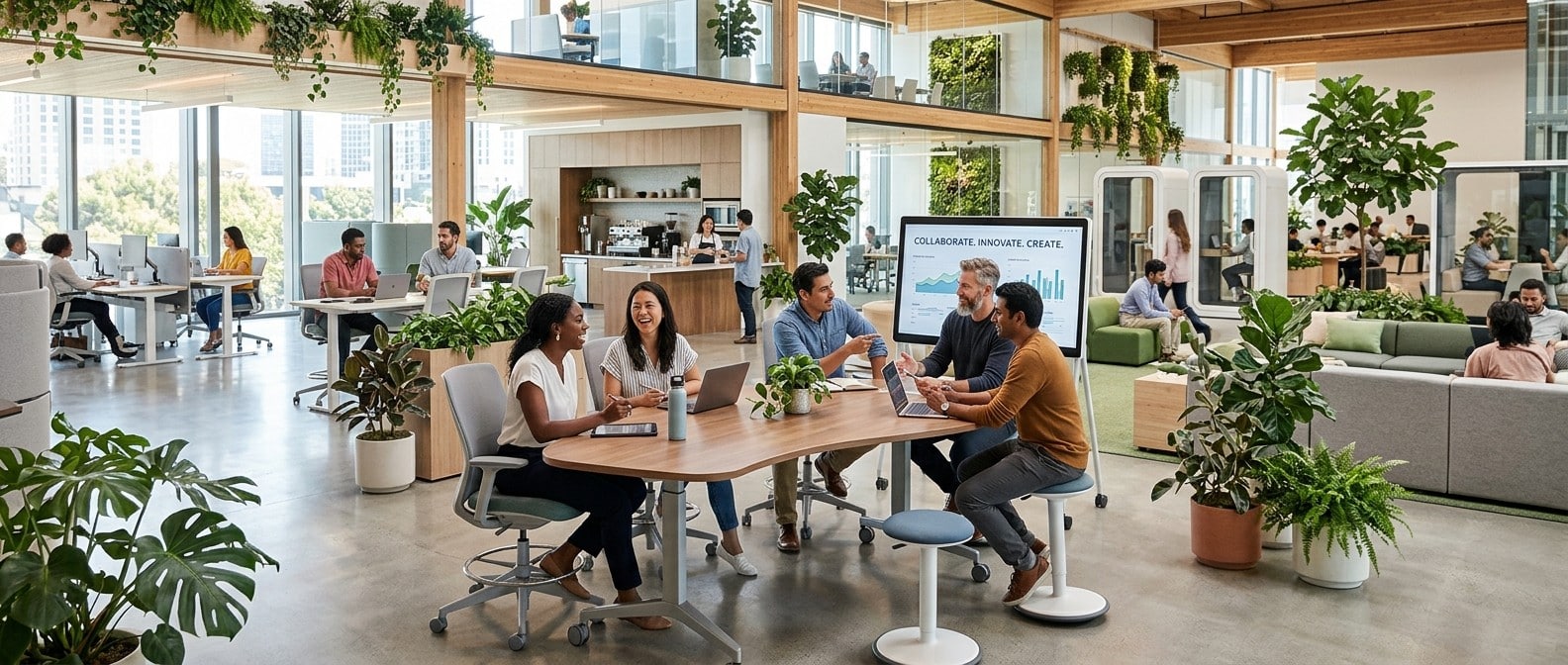
As businesses continue adapting to new ways of working, the office will remain an important space for collaboration, innovation, and relationship building. Creating environments that support these activities requires more than attractive interiors. It demands careful consideration of how every workplace element contributes to employee wellbeing, operational efficiency, and sustainability.
Furniture plays a central role in this transformation. Durable, adaptable, and responsibly manufactured products provide lasting value while reducing waste and supporting healthier working environments. They also help organizations demonstrate their commitment to long-term thinking, both environmentally and commercially.
By viewing workplace furniture as a strategic investment rather than a simple operational purchase, businesses can create offices that are better equipped to meet future challenges. Sustainable workplaces begin with informed decisions, and choosing products designed for longevity is one of the most practical steps any organization can take towards building a more resilient, productive, and environmentally responsible future.