As the 2025 Australian federal election approaches, the debate around housing affordability and homeownership is more intense than ever. Both major parties are proposing strategies such as tax incentives for first-home buyers or zoning reforms to increase housing supply to make homeownership more accessible, prompting many Australians to consider relocating in search of better value, lifestyle, or opportunity.
But before you pack your bags for Melbourne or Brisbane, it pays (literally and figuratively) to do your research and plan thoroughly. Moving interstate is a major life decision, and the difference between a smooth transition and a costly mistake often comes down to how deeply you research. Planning well is just as important.

The True Cost of Relocation: More Than Just the Move
When contemplating a move from Sydney to either Melbourne or Brisbane, most people focus on the obvious expenses: the cost of hiring removalists, selling their home, and buying another. However, the real costs go much deeper and can have a lasting impact on your financial well-being and quality of life.
Comparing Home Prices, Agent Fees, and Stamp Duty
The cost of selling a home in Sydney is also high, with real estate agent commissions averaging around 2.1%, slightly lower than Melbourne’s 2.2% and Brisbane’s 2.45% (plus GST). On a $750,000 home, that’s a difference of thousands of dollars in agent fees alone.
- Sydney: Highest median house prices in Australia
- Melbourne: Lower than Sydney but still high
- Brisbane: More affordable compared to both Sydney and Melbourne
Stamp duty is another major cost that depends on your location. In 2025, buyers in Victoria (Melbourne) pay over $40,000 in stamp duty on a $750,000 property. In comparison, the cost is about $29,000 in New South Wales and just $20,000 in Queensland. First-home buyers may be eligible for concessions, but the thresholds and rules vary by state, so it’s important to confirm your eligibility before proceeding.
Cost of Living: Utilities, Groceries, and Everyday Expenses
Electricity Costs and Government Rebates
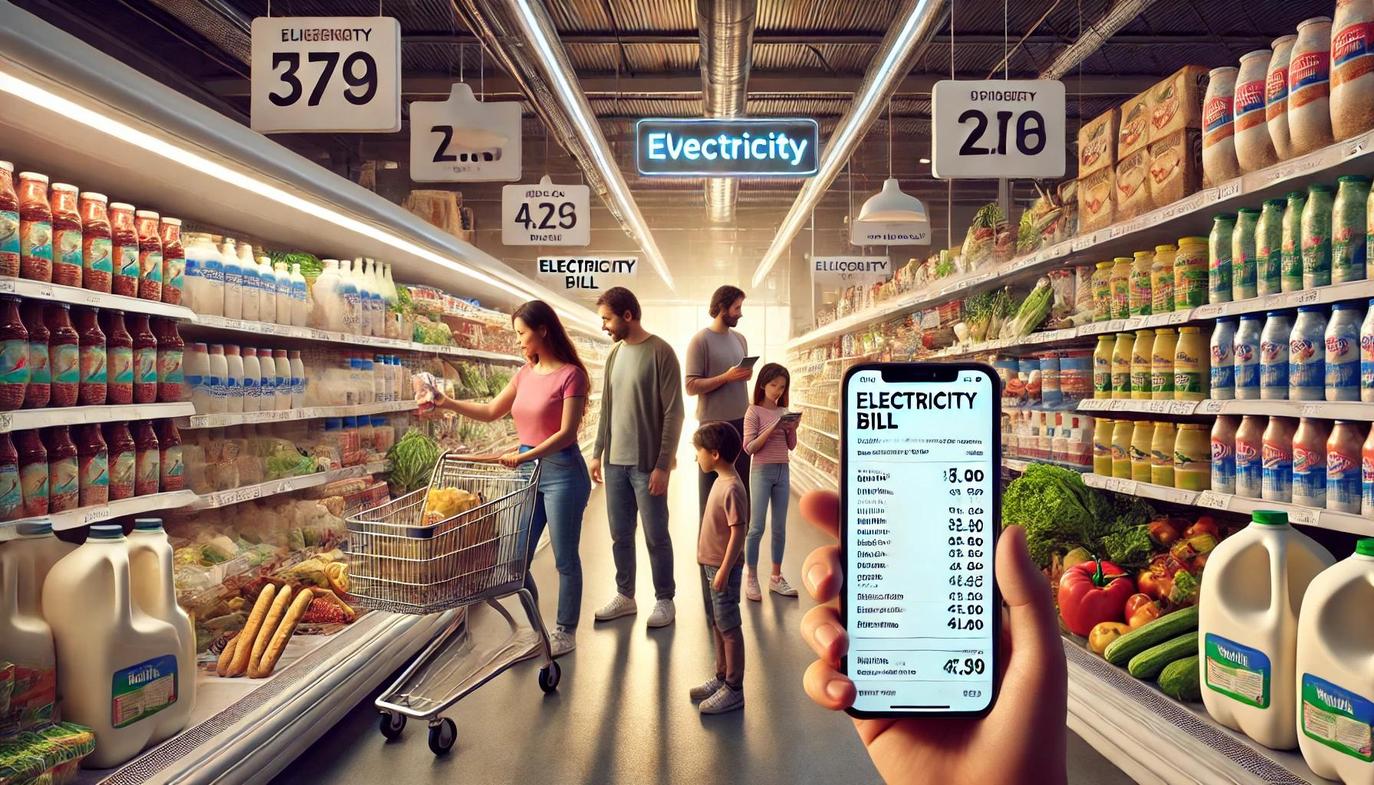
The cost of living in Brisbane has risen in recent years due to population growth and housing pressures, but it remains lower overall than Sydney and Melbourne. For instance, the average annual electricity bill in Brisbane is about $1,560, compared to the national average of $1,668. Queensland’s government has introduced electricity rebates and other relief measures to help households manage these costs. These measures can significantly impact your budget.
Grocery Prices and General Expenses
Groceries and other day-to-day expenses are also generally lower in Brisbane than in Sydney or Melbourne, making day-to-day life more affordable. Grocery costs average about 5–10% less than in Sydney. Basic items like milk, bread, and vegetables are often priced lower in local markets. However, the gap has narrowed as rents and property prices have climbed.
Melbourne’s cost metrics fall between those of Sydney and Brisbane in most cost-of-living measures. It offers a balance of affordability and metropolitan amenities.
Schooling and Education Costs
If you have children, schooling is a major consideration. The costs involved can vary significantly by city. The 2025 Cost of Education Index indicates that costs can vary significantly by city:
- Sydney is the most expensive city in Australia for education, with government schooling costing families over $150,000 per child for 13 years—22% above the national metropolitan average.
- By comparison, Brisbane is the most affordable of the major cities, with government schooling costing around $101,000 for the same period.
- Independent schools in Sydney are even more expensive. Tuition alone can exceed $400,000 per child, placing a significant burden on household budgets.
- In contrast, Brisbane and Melbourne offer more affordable private education options, often with lower tuition and additional incentives.
Public Transport, CBD Proximity, and Commute Time
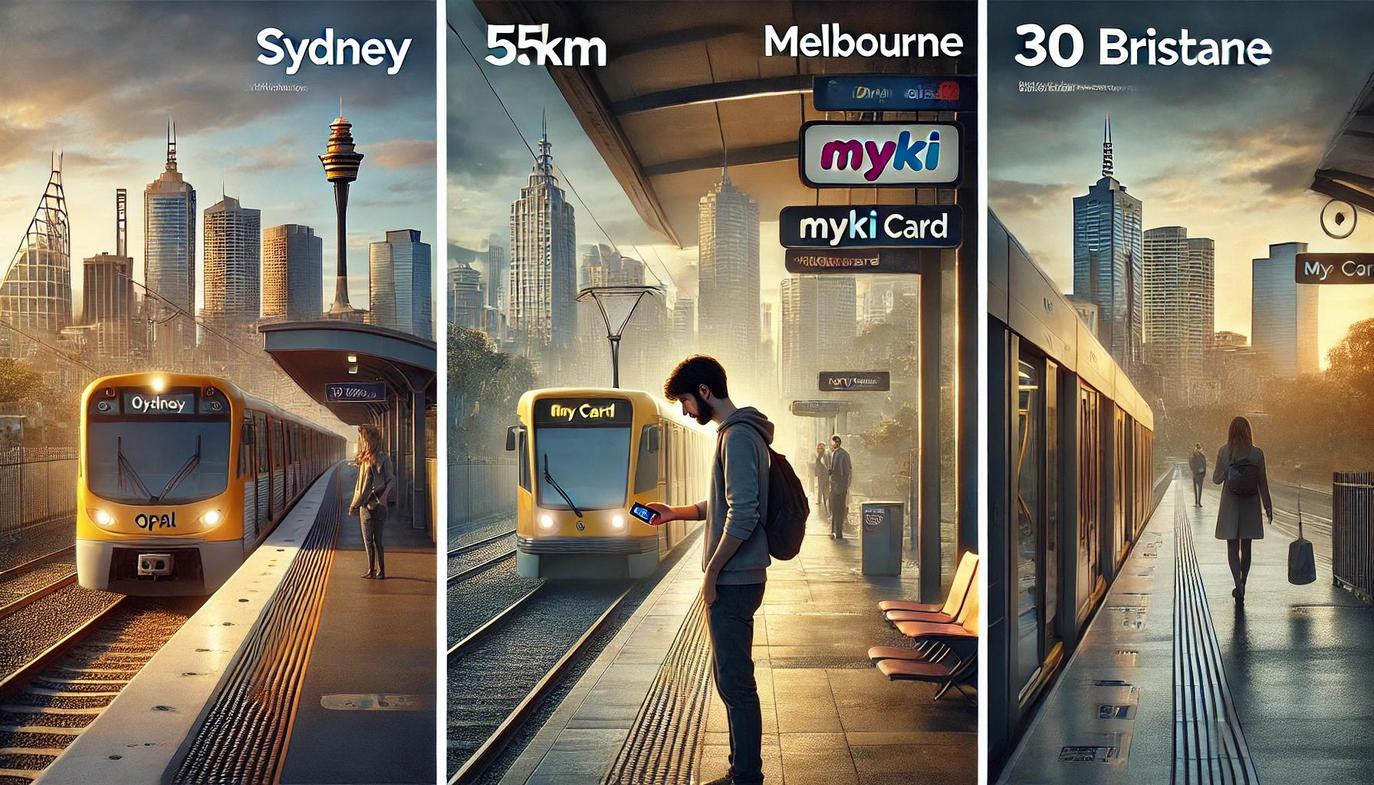
Public transport costs can rise quickly. This is especially true if you’re commuting from outer suburbs, where distance-based fares and longer travel times increase daily costs. Reaching the Central Business District (CBD) is an important factor to consider when moving.
In Sydney, a standard adult Opal card fare for a typical commute is around $4.40, while in Brisbane it’s about $4.20 using the go card system. These small daily differences add up over time and can impact your budget, particularly if you’re relocating farther from the CBD to find more affordable housing.
In Melbourne, the daily full fare cap for public transport is $11.00 as of January 2025, with discounts for weekends and concessions. Sydney and Brisbane have their own fare structures, but all three cities offer integrated transport networks that make commuting relatively straightforward.
CBD Proximity by Budget
However, where you can afford to live in relation to the CBD varies dramatically. In Sydney, a $750,000 budget might only get you 20–30km from the city centre, while in Melbourne you could be 10–15km out, and in Brisbane as close as 5–10km.
- Sydney: 20–30km from the CBD for $750,000 housing
- Melbourne: 10–15km from the CBD
- Brisbane: 5–10km from the CBD
This proximity can translate into significant savings in both time and money spent on commuting.

Why Researching Before You Move Saves Time and Money
Researching your new location before moving is not just about crunching numbers—it’s about understanding the lifestyle, amenities, and opportunities that await you. Getting to know the pros and cons of each city—such as healthcare, schools, and community services—helps you avoid unpleasant surprises.
This understanding empowers you to make informed choices throughout the relocation process. For instance, from choosing the right neighbourhood to budgeting effectively, research gives you the edge. Anticipating daily costs becomes easier—and your move more prepared. As a result, your move becomes not only more efficient but also more rewarding and less stressful.
For example, families with young children might prioritise proximity to quality schools and parks, while professionals may look for vibrant job markets and shorter commutes. Research also helps you plan your finances more effectively, allowing you to budget for not just the move itself but also the ongoing costs of living in your new city.
Lifestyle Differences Between Sydney, Melbourne, and Brisbane
Relocating can be a catalyst for personal growth and improved well-being. Relocating to a new city can lead to the discovery of diverse cultures, social connections, and career opportunities. It can also offer a chance to reset your priorities and focus on what truly matters to you and your family.
Emotional and Lifestyle Benefits of Relocation
For many, the decision to move is driven by a desire for a better quality of life. Brisbane’s warmer climate and relaxed pace appeal to those seeking a more laid-back lifestyle, while Melbourne’s cultural vibrancy and employment opportunities attract professionals and creatives. Sydney, while costly, continues to draw residents with its world-class amenities and economic vitality.
How the 2025 Election Could Affect Your Move
The upcoming federal election is putting housing affordability front and centre. It’s one of the most hotly debated issues between major parties. Their policy proposals may directly influence where Australians choose to live next.
Policy changes include expanded first-home buyer grants and new incentives for downsizers. These could shift the financial calculus for many Australians. Staying informed about these developments is essential. They may affect your eligibility for concessions or rebates—and influence when and where you move.

Smart Tips Before You Move: Final Thoughts on Relocation in 2025
Moving from Sydney to Melbourne or Brisbane is a significant undertaking, with far-reaching implications for your finances, lifestyle, and future opportunities. The key to coming out ahead is to look before you leap: research every aspect of your potential new home, from property and schooling expenses to transport and utility rates.
By understanding the true costs and benefits of each city, you can make a decision that saves money and improves your quality of life. In a market shaped by economic uncertainty and political change, knowledge is your most valuable asset. Take the time to research, plan, and prepare. Your next move may be your smartest decision yet.
FAQs: Moving from Sydney to Melbourne or Brisbane in 2025
What city is cheapest to move to from Sydney?
Brisbane generally offers the most affordability in terms of housing, school fees, and living expenses—especially for families.
How much is stamp duty in each city in 2025?
In 2025, stamp duty on a $750,000 home is over $40,000 in Melbourne, about $29,000 in Sydney, and $20,000 in Brisbane.
Is Melbourne or Brisbane better for families?
Brisbane is more cost-effective for families, particularly in education, while Melbourne offers a balance of culture, career, and affordability.
Do moving costs vary between cities?
Yes. Beyond removalist fees, differences in real estate commissions, stamp duty, and utilities can significantly impact total costs.
How far can $750,000 take me from the CBD in each city?
In Sydney: 20–30km out; Melbourne: 10–15km; Brisbane: 5–10km. This affects commuting time and transport costs.