
You’re winding down after a long day, maybe finishing a movie, scrolling through your phone, or replying to a few final emails. But when the lights go out, sleep doesn’t come. If this scenario sounds familiar, you’re not alone. Millions of people struggle to fall asleep—and it might not be stress, caffeine, or noise that’s keeping them awake. Instead, the problem may be a kind of light we don’t even realize is affecting us: blue light.
Blue light, which pours out of our phones, TVs, tablets, and LED lights, has a strong effect on our internal body clocks. It tells our brains to stay alert even when it’s time to wind down. But what if there was a way to block this disruptive light before bed without overhauling your routine? That’s where Gloojo’s red-tinted glasses come in—an eyewear solution designed to help your brain switch from “on” to “off” in time for restorative sleep.
Ever wonder why sleep feels harder after a night of screen time? In this article, we’ll explore how artificial light impacts your internal clock, what scientists are saying about red and orange lenses, and how Gloojo glasses might make falling asleep feel natural again.

The Hidden Cost of Light: Why Sleep Is Harder in the Modern World
What Is Blue Light, and Why Does It Matter?
Blue light is part of the visible light spectrum, with wavelengths ranging between 450 and 490 nanometers. It’s naturally emitted by the sun and plays an essential role in regulating our circadian rhythm—the internal 24-hour biological clock that influences sleep, hormone release, and body temperature.
During the day, blue light boosts alertness, mood, and cognitive performance. But at night, continued exposure to blue light—especially from screens and artificial lighting—can trick the brain into thinking it’s still daytime. This disrupts the release of melatonin, the hormone responsible for helping you fall asleep.
According to Harvard Health, exposure to blue light in the evening suppresses melatonin more powerfully than other types of light. This results in delayed sleep, shorter sleep duration, and more frequent nighttime awakenings.
How Artificial Light Hijacks Your Sleep Cycle
In today’s world, it’s nearly impossible to escape blue light after sunset. Phones, laptops, TVs, LED light bulbs—even the glow of digital clocks—all emit varying degrees of it. While these tools make life more convenient, they come with an invisible cost: they keep your brain in wake-up mode long after you should be winding down.
The result? Your body’s natural wind-down process is delayed. Instead of producing melatonin as darkness falls, your brain stays alert, your sleep onset is pushed back, and your overall sleep quality drops. Over time, this leads to chronic sleep deprivation, which is linked to issues like mood swings, impaired memory, reduced immune function, and increased risk of chronic conditions.
That’s where red-tinted lenses like Gloojo’s offer a unique, science-backed solution. By filtering out the wavelengths responsible for melatonin suppression, they support your body’s natural sleep signals—and help you drift off without relying on medication or drastic lifestyle changes.
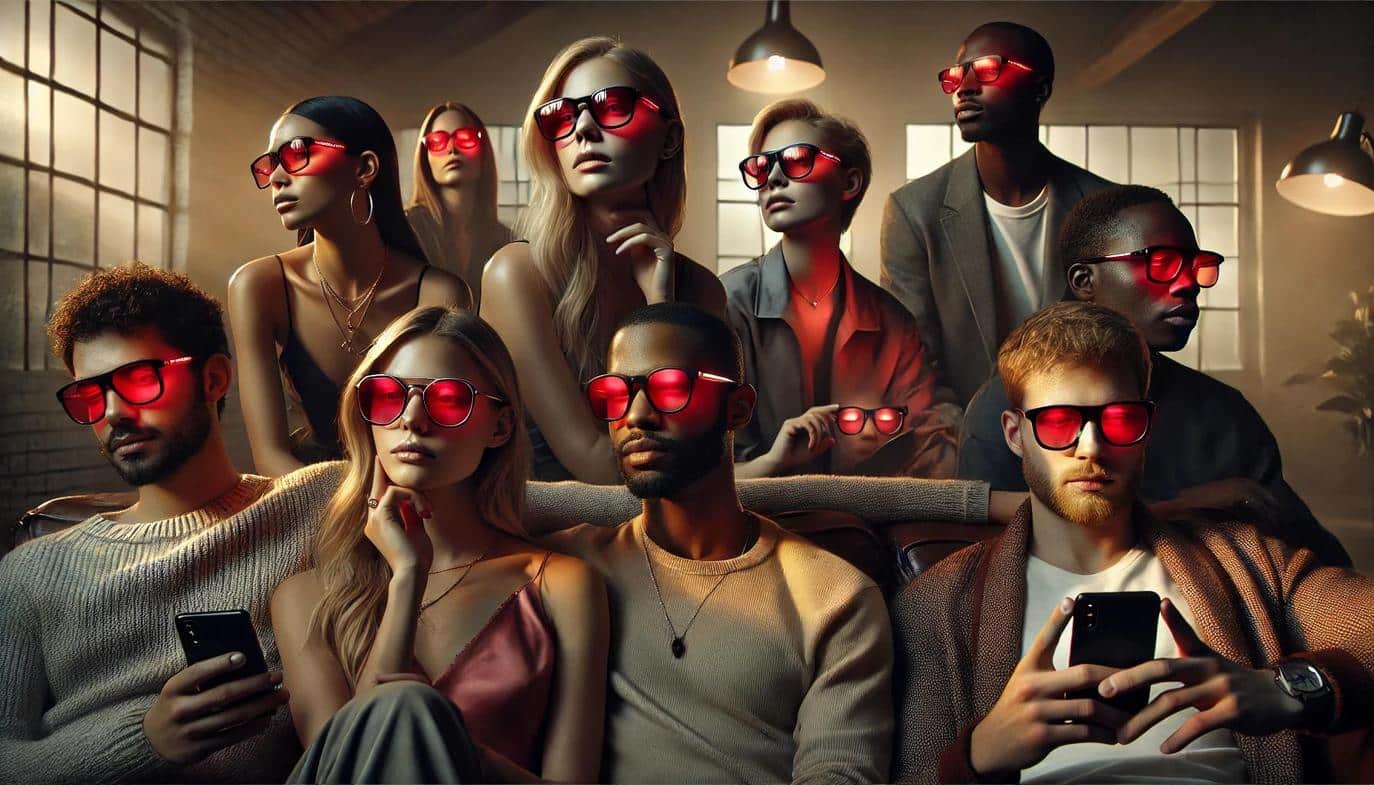
Gloojo Glasses: Science Meets Style
Lens Color Matching Your Biological Clock
Gloojo doesn’t just offer red lenses—they offer a spectrum of tints tailored to the time of day and your specific needs:
- Yellow lenses: Meant for daytime use, these reduce glare and enhance contrast while filtering minimal blue light.
- Orange lenses: Designed for the evening hours, they block a majority of blue light but allow enough brightness for comfort and visibility.
- Red lenses: Engineered for nighttime, they block 98–100% of blue and green light. These are the most effective for sleep preparation, especially when used 2–3 hours before bed.
Prescription and Fit-Over Options
Gloojo makes their technology accessible. For people who already wear glasses, the fit-over model slips comfortably over existing frames. For those needing vision correction, their tinted prescription glasses offer the same sleep-friendly benefits without compromising clarity.
Gloojo builds each style with fashion and function in mind, creating sleek, wearable designs that don’t make you feel like you’re in a science experiment. Whether you’re lounging on the couch or getting ready for bed, Gloojo offers a seamless way to support your sleep without sacrificing style.
This is more than eyewear—it’s an intentional part of a healthier nighttime routine.
Testing Gloojo in Real-World Evening Routines
To get a real sense of how Gloojo glasses could work, I decided to wear their red-tinted lenses every night for a week. I put them on around 8 PM while watching TV or checking my phone—pretty typical end-of-day stuff.
Before trying them, I’d often lie in bed for an hour or so before falling asleep. But by the third night, I was feeling sleepy by 10 PM and falling asleep within 15 minutes. By the end of the week, my sleep felt noticeably deeper, and I wasn’t waking up as much in the middle of the night. Mornings felt easier too—less groggy, more alert.
Honestly, it surprised me how quickly the glasses became part of my routine. Putting them on felt like a subtle signal to my brain that it was time to wind down.
What Makes Gloojo Worth the Price?
While some cheaper blue light glasses exist on the market, Gloojo stands out in a few critical ways:
- Wavelength precision: Their red lenses block the full melatonin-disrupting spectrum (under 550nm), aligning with clinical standards.
- Style and comfort: Unlike bulky or outdated-looking alternatives, Gloojo’s sleek designs make nightly wear feel natural.
- Customization: With prescription and fit-over options, they’re accessible to nearly anyone.
- Durability: High-quality materials ensure long-term use, making the investment feel justified.
When you consider the cost of poor sleep—missed productivity, grogginess, stress—the price of a solution like Gloojo begins to look not only reasonable but wise.
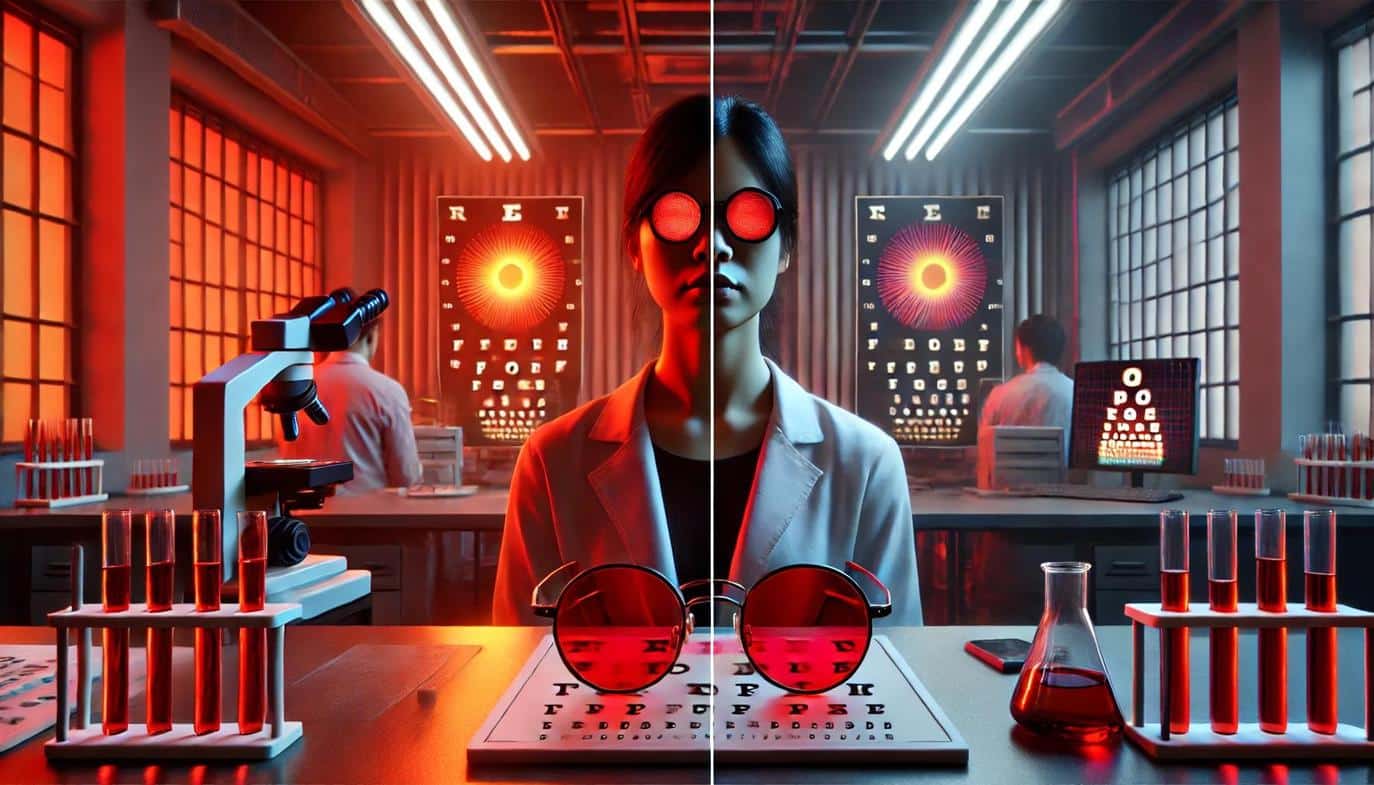
The Science Behind the Tint: Do Red Glasses Actually Work?
Melatonin and Circadian Rhythm: A Quick Primer
Melatonin is a hormone naturally released by the brain’s pineal gland, primarily in response to darkness. It plays a critical role in telling your body it’s time to sleep. Your melatonin levels begin to rise in the evening, peak during the night, and fall in the morning.
But artificial light—especially blue light—can disrupt this process. When your eyes detect blue wavelengths, your brain holds off on releasing melatonin, delaying your internal clock and making it harder to fall asleep.
That’s why shielding your eyes from this light at night can be so powerful. Blocking blue light allows melatonin to rise naturally, helping your body stay aligned with its natural rhythm.
What the Research Says About Red and Orange Lenses
Studies have shown that glasses with red or orange lenses—those that block 98–100% of blue and green light—can effectively support melatonin production in the evening. For example, a Columbia University randomized controlled trial found that participants who wore amber glasses before bed experienced improved sleep quality, including shorter time to fall asleep and fewer nighttime wake-ups.
Another study published in the journal Chronobiology International showed that wearing blue-blocking glasses preserved natural melatonin levels, even under bright artificial light conditions.
Unlike digital screen filters or “night mode” settings, which reduce only part of the blue spectrum, red lenses block nearly all wavelengths that disrupt sleep. This makes them an ideal tool for people struggling with late-night screen habits or indoor lighting.
So, are red-tinted glasses worth trying? Based on what the research shows, they just might be—especially if you’re looking for a gentle way to help your body ease back into its natural rhythm.

What Real People Are Saying About Gloojo Sleep Glasses
What Gloojo Users Say
Many Gloojo customers share the same story: difficulty falling asleep, disrupted sleep patterns, and tired mornings—all until they tried Gloojo’s red-tinted glasses. Online testimonials frequently mention how much easier it is to fall asleep after using them for just a few nights. Parents report their children fall asleep more quickly. Night-shift workers feel more relaxed at bedtime. Some users even say they dream more vividly.
Though individual results vary, the trend is clear: Gloojo users often report better rest, fewer headaches, and more consistent nighttime routines. These aren’t just stylish glasses—they’ve quietly become part of the wind-down ritual for people who want a gentler transition into sleep without giving up screen time.
How to Make the Most of Red Glasses
To get the best results, Gloojo recommends wearing red lenses about 2–3 hours before your desired bedtime. Put them on once the sun has set, particularly if you’ll be looking at screens or using LED lighting. The key is consistency—make it part of your evening ritual.
Pair them with a few other simple strategies:
- Dim household lights in the evening
- Avoid caffeine after late afternoon
- Use screen dimmers in addition to the glasses for full-spectrum protection
These small changes, along with red lenses, create an environment that tells your brain, “It’s time to rest.”
Why Design and Comfort Matter More Than You Think
One reason people stop using other blue-light-blocking glasses is because they feel clunky, outdated, or simply uncomfortable. Gloojo addresses this barrier by making wearability a priority.
Their glasses are lightweight, thoughtfully shaped, and available in multiple styles to suit different faces and fashion sensibilities. Because let’s face it—if you feel awkward wearing them, you probably won’t.
By merging aesthetics with function, Gloojo ensures its glasses are something you’ll not only want to wear but will forget you’re even wearing. That comfort encourages regular use—and that’s what turns a product into a habit.
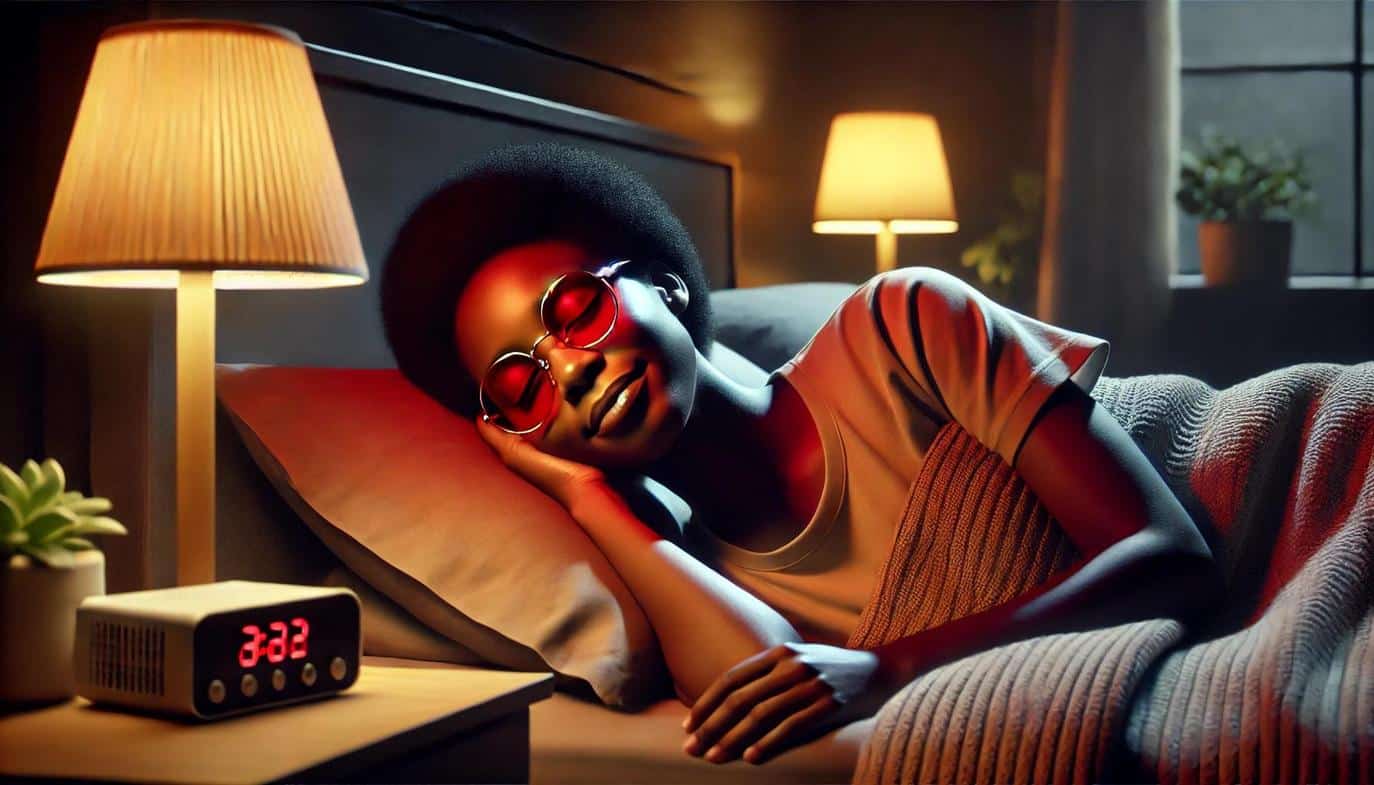
Final Thoughts: The Sleep Fix You Can Wear
If you’ve ever found yourself wide awake after hours of scrolling or binge-watching late into the night, you’re not alone—and you’re not broken. Our modern habits make rest harder, but there are simple tools that can help us find our way back to real sleep. By understanding how blue light affects your body and using tools like Gloojo’s red-tinted glasses, you can take real, manageable steps to reclaim your evenings.
Whether you’re stuck in a loop of nighttime scrolling or just feel worn out come morning, Gloojo offers a small change that could make a big difference in how well you rest. Plenty of research supports the science. Many users swear by the results. And if you’ve been chasing better sleep, this might be a step worth trying.
Your Questions About Gloojo Red Glasses, Answered
Do red glasses really help with sleep?
Yes. Red-tinted lenses block nearly all blue and green light, which allows your brain to produce melatonin naturally, helping you fall asleep faster and stay asleep longer.
What time should I wear blue-light-blocking glasses at night?
Start wearing your red or orange Gloojo glasses 2–3 hours before your intended bedtime, especially if you’re using screens or artificial lighting.
Are Gloojo glasses scientifically backed?
Yes. Studies indicate that blue-light-blocking glasses help preserve melatonin levels and improve sleep quality. Gloojo lenses follow wavelength-blocking standards used in clinical research.
Can I wear them over my regular glasses?
Absolutely. Gloojo offers fit-over designs that can be worn comfortably over prescription lenses without interfering with your vision.
What’s the difference between orange and red lenses?
Orange lenses are great for early evening and allow some light through for brightness and visibility. Red lenses block nearly all blue and green light and are best used in the final hours before bed.


