
Most people who call a rehab line for the first time have already decided on the wrong thing. They want the whole 30 days, or they want just the five-day medical piece, and they usually cannot say why. That confusion costs time, money, and sometimes a second withdrawal.
The short answer: detox handles the physical crash and nothing else. Residential treatment handles everything after it. If you have a real physical dependence, you almost always need both, in that order, and the gap between them is where most relapses hide.
Here is the thing nobody explains on the phone. These are not two versions of the same service at different price points. They answer different questions. Detox asks “can you stop safely?” Residential asks “can you stay stopped?” A program like Boca Raton Wellness runs both, which is why the intake conversation should tell you which one you actually need before you sign anything.
What medical detox actually does
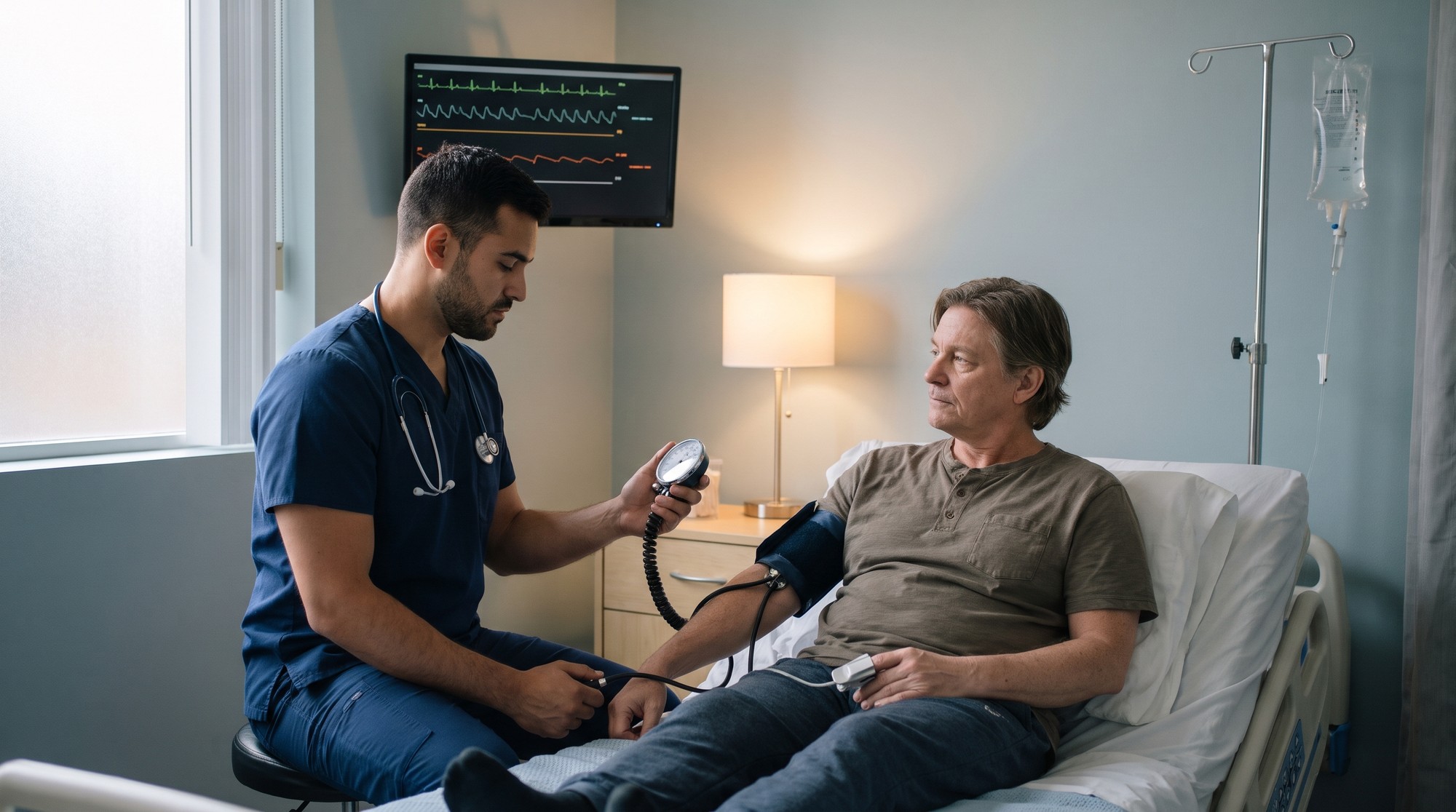
Medical detox is supervised withdrawal. You stop the substance while clinicians manage the symptoms that make stopping dangerous, and they do it with medication, monitoring, and a plan for the hours when your body fights back.
For alcohol, that window usually runs five to seven days. Opioids land closer to five to ten. Benzodiazepines are the slow one, often stretching past two weeks, and anyone who tells you otherwise has not watched a long taper.
Detox does one job. It keeps you alive and as comfortable as the protocol allows while your body clears the substance. What it does not do is touch the reason you were using in the first place.
Many people treat detox like a finish line. They walk out on day six feeling clear for the first time in months, and they mistake that clarity for recovery. It is not. Your tolerance has dropped, your coping patterns have not changed, and the same Tuesday night that used to trigger you is still sitting there when you get home.
What residential treatment adds on top
Residential treatment is where you live at the facility, typically 30 to 90 days, and work a structured clinical schedule. Group therapy, individual therapy, medication management, and a lot of unglamorous practice at being a person without the substance.
The National Library of Medicine indexes a wide body of research on substance use treatment outcomes, and the consistent thread is that longer engagement with structured care predicts better retention. Duration matters. A three-day detox with no follow-up is not treatment. It is a pause.
Residential is also where you find out what you have been avoiding. That is the honest version. The first two weeks are quiet and the third week is when the real work starts, because by then the novelty has worn off and you are stuck in a room with your own patterns.

Detox vs residential at a glance
| Question | Medical detox | Residential treatment |
|---|---|---|
| What it treats | Physical dependence and withdrawal | Behavioral, psychological, and social drivers |
| Typical length | 5 days to 2 weeks | 30 to 90 days |
| Where you sleep | At the facility, monitored | At the facility, full program |
| Who it suits | Anyone with physical dependence | People who need structure after detox |
| What comes next | Residential or outpatient care | Outpatient care and ongoing support |
How to tell which stage you need right now
Run this quick self-check. Answer honestly, because the stakes on this one are not small.
- Do you get shaky, sweaty, or sick within hours of skipping a dose or a drink?
- Have you ever had a seizure, a hallucination, or a hospital visit during withdrawal?
- Have you tried to stop on your own more than once and made it past week one?
- Is your living situation full of the people and places tied to your use?
- Do you have a history of relapse right after a clean stretch?
Any yes on the first two and you need medical detox, full stop. Do not white-knuckle it at home. The Substance Abuse and Mental Health Services Administration maintains the national helpline and treatment locator for exactly this reason, and withdrawal from alcohol and benzodiazepines can turn medical fast.
Any yes on the last three and you need residential, or at minimum a structured outpatient program with real accountability. Detox alone will not hold you.
The mistake that costs people a second detox
Here is the pattern that plays out most often. Someone completes detox, feels sharp and optimistic, decides they do not need the residential piece, and goes home on day seven. They are back in withdrawal within a month, sometimes within a week, and now the fear is deeper and the family is more skeptical.
Call it the clean-and-release trap. It is not a lack of willpower. It is a structural problem. Detox removes the substance but leaves every environmental trigger, every relationship dynamic, and every unaddressed reason for using exactly where it was.
According to the National Institute on Drug Abuse, addiction is a chronic condition that responds to sustained treatment the way other chronic conditions do, which is to say a short course rarely holds on its own. That framing matters, because it changes the question from “am I fixed?” to “what does my ongoing care look like?”
If you can only afford one stage and you have physical dependence, pay for detox first. Safety beats ambition. Then find the cheapest structured step you can actually commit to, whether that is a 30-day residential stay or an intensive outpatient program three nights a week.
What to ask before you choose a facility
Ask these on the intake call, not after you arrive.
- Is the detox medically supervised around the clock, or is it a social model with a nurse on call?
- Can you move me from detox into residential without a gap, and how long is the wait?
- What does a typical day look like in week three, not week one?
- How do you handle medication for withdrawal, and who manages it?
- What does your discharge plan actually contain?
That last one separates good programs from warehouses. A discharge plan with names, appointments, and a follow-up date is worth more than a nicer building. A plain facility with a real aftercare plan beats a polished one that hands you a pamphlet and a taxi voucher.
You also want to ask whether the program treats co-occurring mental health conditions on site. If anxiety or depression is part of your picture, and it usually is, a detox-only stay ignores half the problem.
Which one do you need first?
If you have physical dependence, you need medical detox first, and you should not negotiate that point with yourself. It is a safety decision, not a commitment level.
After detox, you need structure. Residential treatment is the stronger option if your home environment is full of triggers or if you have relapsed after previous clean stretches. Outpatient care works when you have a stable home, a job you cannot leave, and people who will hold you accountable.
Both stages belong to the same arc, and the handoff between them is where the outcome is decided. Get that transition right and the rest gets easier. Get it wrong and you will be making the same phone call in six weeks.
If you are still unsure which stage fits your situation, call and ask the intake team one question: given what I just told you, what happens on day eight? Their answer will tell you everything about how the two stages actually connect, or whether they connect at all.

