
Living near natural habitats presents unique property management challenges, prompting homeowners to install perimeter barriers that balance aesthetic appeal with wildlife deterrence. Unchecked deer, coyotes, and smaller critters frequently wander onto open acreage, consuming cultivated vegetation and compromising livestock security.
Establishing a protective boundary around residential grounds requires careful planning, robust materials, and clear strategic thinking.
Why Do Natural Habitats Require Specialized Perimeter Defense?
Expansive residential properties bordering forests or open meadows face constant intrusion from local wildlife searching for food and shelter. Wild animals quickly learn to navigate standard wooden split-rail fences or low decorative stone walls. Without specialized barriers, high-value ornamental trees, vegetable patches, and domestic animals remain vulnerable to continuous destruction.
Designing a defensive boundary demands a clear understanding of regional animal behavior and species-specific movements. Large herbivores easily jump low structures, whereas burrowing mammals dig straight under shallow footings. Guidance from Iowa State University Extension notes that deer fences should reach at least 8 feet high and extend down to the ground to stop animals from leaping over or ducking underneath. Selecting targeted deterrents stops these daily disruptions before animals establish feeding routines on your land.
Industry research from McHale Landscape Design demonstrates that modern property owners increasingly seek outdoor spaces designed to manage wildlife interactions while supporting regional climate resilience.
How Do Custom Retrofits Secure Entrances?
Driveway entryways represent the primary vulnerability point along any perimeter line. Wide vehicle openings invite larger mammals to walk right onto private driveways, bypassing surrounding boundary structures with ease. Reinforcing gate structures with custom barrier additions keeps unwanted visitors out without disrupting automated opening hardware.
Many homeowners choose custom steel backing plates or low-clearance ground sweep attachments to seal structural gaps. Installing deterrent extensions helps keep wildlife out of your driveway gate while maintaining smooth mechanical operation year-round. These integrated retrofit options convert standard driveway structures into impenetrable defensive entryways.
Custom bottom seals and ground aprons prevent smaller mammals like raccoons or rabbits from squeezing beneath lower gate rails. Heavy gauge metal panels mounted to lower sections block direct lines of sight, discouraging animals from attempting forced entries.
What Core Differences Separate Solid Gates From Picket Designs?
Choosing between solid-front structures and open picket designs impacts both visual privacy and animal deterrence performance. Picket configurations offer classic aesthetic elegance, yet wide vertical spacing allows smaller animals to squeeze through with ease. Solid panels create full barriers that restrict access while concealing internal garden areas from animal view.
Solid timber or aluminum panels eliminate visual cues that attract grazing herds toward cultivated flower beds. Animals rarely attempt to leap barriers when they cannot see what lies on the opposite side. If you prefer the airy aesthetic of open pickets, adding narrow vertical spacing or interior wire backing bridges the gap between style and protection:
- Narrow vertical gaps: Space vertical pickets under two inches apart to physically block medium animals.
- Attach inner mesh: Fasten discrete wire screening behind decorative pickets to maintain visibility while stopping pests.
- Reinforce bottom rails: Lower horizontal bars near grade level to eliminate ground clearance gaps.
Combining solid structural lower sections with decorative upper pickets creates a hybrid design that works exceptionally well. This dual-purpose setup keeps ground pests at bay while allowing natural light and breezes to pass through upper sections. Estate owners gain complete control over entry access without compromising architectural harmony.
How Do You Select Weather-Resistant Materials for Long-Term Durability?
Perimeter defense installations must withstand extreme seasonal weather changes without rusting, warping, or deteriorating under pressure. Subterranean moisture, freezing winter temperatures, and intense summer sun quickly break down low-grade materials. High-quality structural selections guarantee your investment remains intact and functional across decades.
Wrought iron remains a top choice for strength and structural rigidity, provided it receives protective powder coating against corrosion. Synthetic composite lumber provides the warm texture of natural wood while offering complete resistance to rot, insect damage, and moisture absorption. Heavy powder-coated aluminum offers exceptional rust resistance and durability for large automated entrance structures.
Selecting rot-resistant materials reduces long-term maintenance tasks while maintaining strong resistance against heavy animal impact. Secure fasteners, stainless steel hinges, and reinforced mounting posts keep structural components aligned under tough outdoor conditions. Superior material selection keeps your estate security system operating dependably through every season.
Choosing Safe Mesh Apertures to Protect Local Fauna
Securing property perimeters requires selecting mesh sizes that exclude pests without creating hazards for local wildlife. Oversized grid openings can trap the heads or limbs of small mammals, birds, or reptiles attempting to pass through. Careful aperture selection keeps garden areas safe while preventing accidental harm to native creatures.
Technical installation guidance from The Fence Guys warns that improper mesh opening sizes can trap small mammals, reptiles, or birds, so choose aperture dimensions that match your specific exclusion needs without creating unnecessary risks. Tighter grid patterns measuring one inch or less help exclude small mammals while reducing the risk of trapped limbs.
Smooth edges and tight grids help small animals slide safely past barriers instead of getting entangled. Inspecting mesh installations regularly helps identify loose wire strands or shifted panels before animals suffer injury. Smart design choices achieve effective pest exclusion while supporting safe coexistence with local fauna.
Integrating Welded Wire Mesh to Block Smaller Pests
Small nuisance mammals such as rabbits, groundhogs, and skunks easily bypass large decorative gate bars. Integrating high-tensile welded wire mesh along the lower gate framework stops small critters from infiltrating gardens. Unobtrusive mesh retrofits preserve the visual appeal of custom ironwork while adding essential security.
Mounting galvanized wire panels directly to the internal framework creates a durable barrier against sharp teeth and persistent digging. Fastening heavy wire screen across lower sections prevents animals from squeezing through decorative scrolls or vertical pickets. Securing mesh down to ground level stops opportunistic pests from finding easy entry pathways.
Selecting weather-rated metal ties or stainless steel fasteners secures wire mesh directly against gate frames without rattling. Coated green or black wire mesh blends naturally into background foliage, making structural additions almost invisible from a distance. Property owners enjoy complete garden protection without altering entry aesthetics.
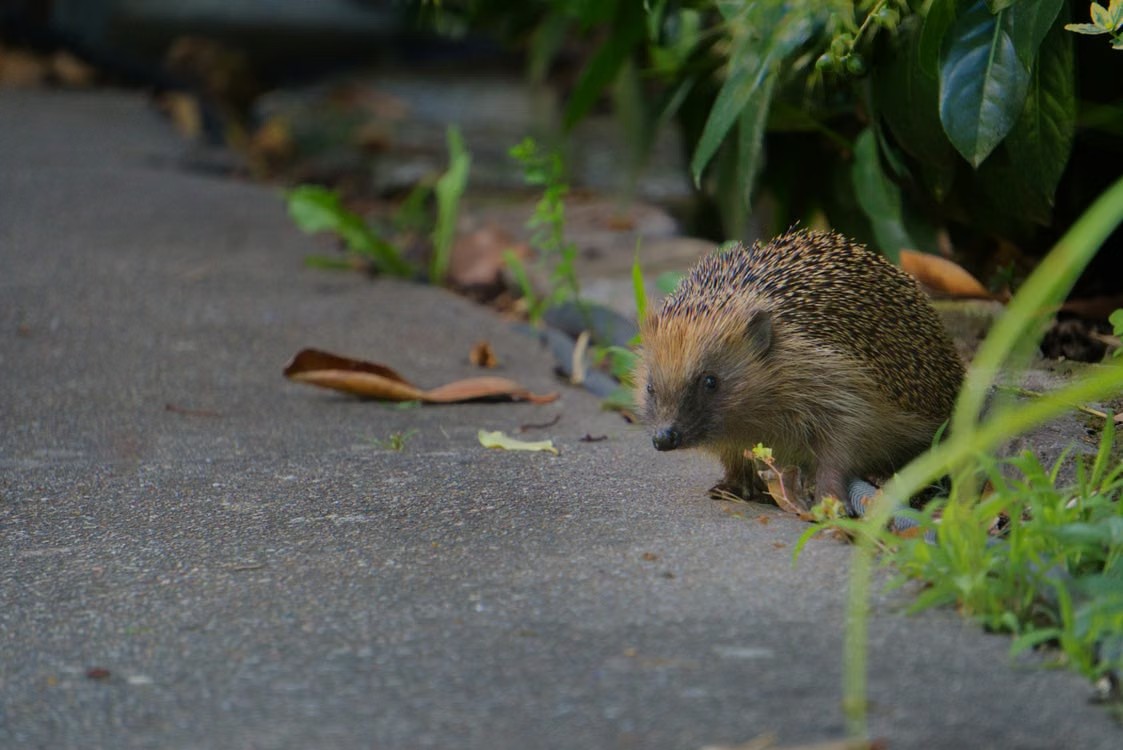
Securing residential acreage against wildlife intrusions requires a balanced approach combining durable construction, proper material selection, and targeted entryway retrofits. Upgrading driveway entry points with solid backings, mesh inserts, and appropriate heights prevents costly damage to gardens and livestock. Thoughtful design transforms vulnerable perimeter lines into dependable long-term protection systems.
Protecting private grounds does not mean sacrificing visual style or architectural beauty. Implementing durable, weather-resistant entryways allows suburban and rural estate owners to maintain high aesthetic standards while keeping local wildlife safely outside perimeter boundaries. Taking action today safeguards your investment and preserves peaceful living across your property for years to come.


