
Every home improvement decision carries a direct environmental footprint. As you look for practical ways to make your living space greener, repairing what you already own often delivers a much bigger impact than buying brand-new building products.
Preserving existing structural features cuts down on unnecessary factory production while maximizing the daylight already flowing into your rooms. Prioritizing natural light over power-hungry artificial fixtures creates a brighter interior while keeping solid, functional building materials out of local landfills.
Why Are Homeowners Shifting Away From Wholesale Replacement?
Living spaces undergo constant wear, but routine surface aging does not justify full fixture tear-outs. Remodeling trends once favored gutting entire rooms to install modern hardware, while today’s home management practices encourage fixing functional structural frameworks first.
Restoring original window frames, swapping worn rubber gaskets, and polishing overhead glass panes allow you to keep sturdy building features intact. You save significant money on labor fees, lower your household carbon footprint, and maintain the distinct architectural character of your roof space.
Re-evaluating how you care for existing features transforms your approach to residential upkeep. Choosing targeted maintenance protects your living area against preventable damage while preserving the physical resources already built into your roof structure.
Why Maintaining Existing Roof Windows Matters
Skylights face direct exposure to harsh downpours, scorching sun, and freezing winter frost throughout the calendar year. Working with experienced Velux repair specialists in the UK guarantees long-lasting performance from your roof fixtures while eliminating unnecessary landfill waste. Timely resealing of glass panes and hinge adjustments preserve thermal boundaries so your interior stays comfortable during every season.
Preventative fixes cost a small fraction of full window replacement projects, making routine servicing a sound financial decision. Addressing minor seal wear early protects surrounding roof timber from damp rot, ceiling water stains, and costly emergency building repairs.
Proactive care keeps operating mechanisms working smoothly without forcing frame replacements. Replacing worn mechanical locks or adjusting sash springs restores full window function without disturbing existing roof tiles or interior plasterwork.
What Is the Real Environmental Cost of Window Manufacturing?
Manufacturing new glass panes, aluminum extrusions, and treated timber frames requires heavy raw material extraction and intense industrial processing. Replacing a fully functional overhead window throws away substantial resource investments while sending bulky construction debris to regional waste dumps.
Data published by the World Economic Forum highlights that only 20% to 30% of construction waste gets recycled globally, with research from McKinsey & Company indicating that just 1% of building demolition materials ever see direct reuse. Choosing repair over replacement directly combats this massive landfill accumulation, helping you preserve raw resources and avoid unnecessary manufacturing energy.
Reducing waste at the residential level creates immediate environmental benefits across municipal waste streams. Keeping original window units functioning smoothly helps high-grade materials remain active in your home for decades rather than ending up in trash heaps.
How Does Natural Light Reduce Your Household Energy Demand?
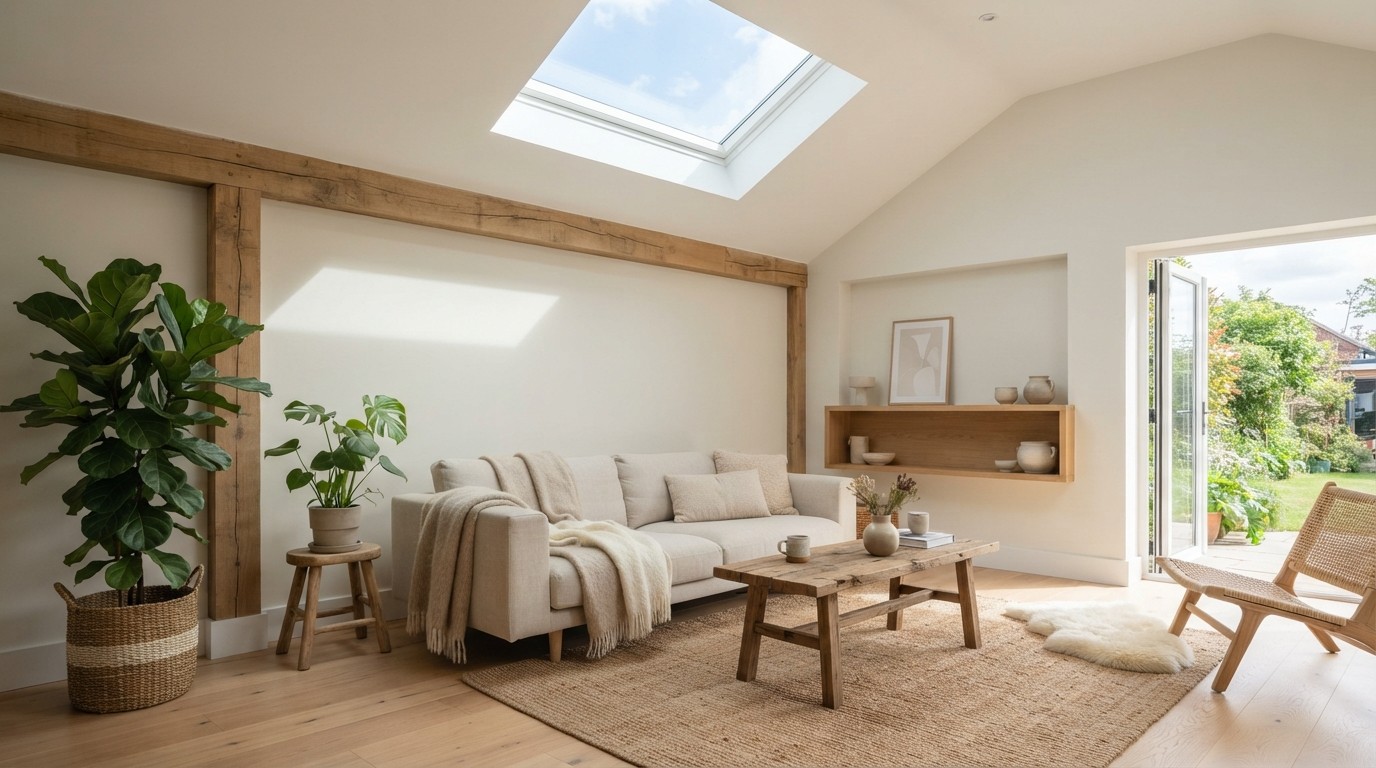
Unobstructed skylights flood your living quarters with daylight, reducing your need to turn on electric overhead lights during peak daytime hours. Positioned high on roof slopes, top-down glazing captures ambient sunlight far more effectively than traditional vertical wall windows.
Industry insights from the Rent Bottom Line report show that residential properties in 2026 are systematically designed around daylight optimization and thermal performance to curb reliance on electric lights and space heaters. Restoring your existing skylights maintains maximum light transmission, lowering daily utility bills across every season of the year.
Relying on direct sunlight improves the indoor atmosphere of your daily living space. Natural daylight reduces eye strain, highlights interior decor, and balances indoor light levels without adding to your monthly electricity statement.
Practical Ways to Optimize Daylight Harvesting at Home
Maximizing sunshine inside your rooms requires a few simple daily adjustments alongside basic window upkeep. Strategic changes to your interior setup can instantly increase light reflection throughout dark hallways and common areas.
Clean Glass Surfaces Regularly
Dust, pollen, and airborne grime accumulate on exterior glass panes throughout the year, blocking a surprising amount of incoming sunlight. Washing both sides of your roof window twice a year restores clear light transmission instantly.
Strategic Furniture Placement
Heavy bookshelves or tall window drapery can block daylight rays from penetrating deep into your floor plan. Arranging low-profile furniture near overhead windows allows natural light to spread evenly across whole rooms.
- Clear window perimeters: Keep high furniture pieces away from overhead light channels to let daylight travel freely across floor spaces.
- Position reflective surfaces: Place wall mirrors directly across from roof openings to bounce incoming light beams deeper into adjacent hallways.
- Choose light window treatments: Install sheer blinds or retractable shades that pull back completely during peak daylight hours.
Steps to Extend the Lifespan of Skylights
Simple care routines extend the working lifespan of overhead windows by decades. Inspecting hardware components twice a year helps you spot minor wear before it develops into structural damage.
Inspect Weather Stripping and Flashing
Rubber seals dry out under direct solar heat, while metal flashing around roof openings can collect autumn leaves and windblown debris. Refreshing hardened weather gaskets stops cold drafts and driving rain from entering your living space.
Service Mechanical Components
Opening handles, winding cords, and heavy hinges require periodic cleaning to open smoothly. Friction on dry metal joints weakens mounting frames, puts unnecessary strain on glass edges, and causes premature hinge failure.
- Clear drainage channels: Sweep away leaves and dirt surrounding exterior window frames to prevent standing water accumulation.
- Lubricate moving hinges: Apply silicone spray to metal pivot hinges twice a year for smooth, quiet opening motion.
- Check rubber seals: Inspect rubber gaskets for cracking or shrinkage to maintain tight weather barriers around the glass.
How Do Maintained Roof Windows Protect Your Long-Term Budget?
Replacing a roof window involves significant labor costs, scaffolding rental fees, and interior replastering around skylight wells. Servicing original components avoids these extra construction expenses entirely while maintaining home value.
Investing in minor repairs delivers maximum return from your original building materials. Lower energy bills, combined with avoided replacement costs, make roof window preservation one of the smartest home improvements available to budget-conscious owners.
Long-term savings accumulate steadily when you keep original fixtures running efficiently. Protecting your roof windows preserves household funds for other green upgrades around your property.
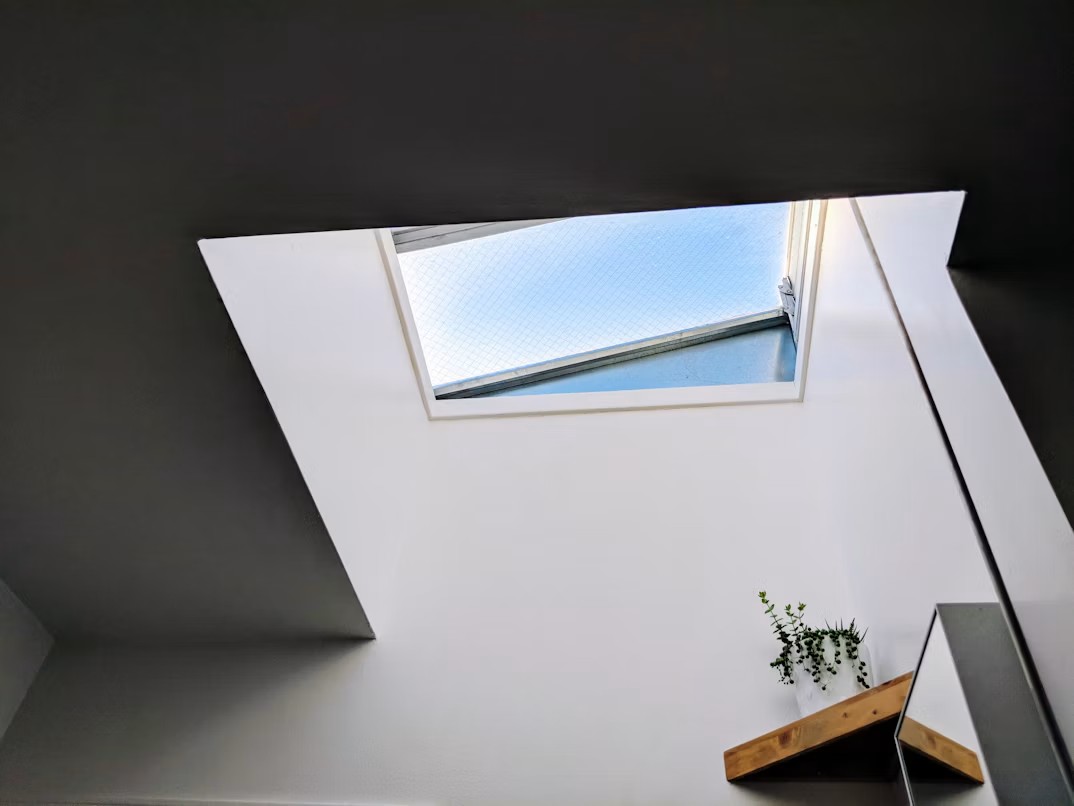
Proactive maintenance stands out as the greenest, most practical choice you can make for your home. Caring for existing skylights preserves valuable natural daylight, lowers monthly electricity costs, and keeps solid building materials out of municipal waste dumps. Taking care of what you already own proves that sustainable living starts right above your head.


