
The most consequential ingredient in a lithium-ion battery may be the one nobody talks about. It is not lithium, nickel, or graphite, but a thin layer of binder, essentially a specialty glue, that holds electrode powders onto thin metal foils and keeps them from falling apart through years of charging and discharging.
That binder makes up a tiny share of a battery’s weight, yet it decides how much energy, money, and toxic chemistry go into building one and how hard the finished pack is to take apart and rebuild. For decades, the glue of choice has been polyvinylidene fluoride, or PVDF, a fluorine-containing polymer that has to be dissolved in a toxic solvent before it can be spread onto electrodes.
Now a research team at the University of California San Diego, working with Toyota Research Institute of North America, has built a fluorine-free binder that is processed with plain water and dissolves in water when the battery reaches the end of its life. The work, published on October 9 in the journal Nature Communications, reports that test cells matched the performance of conventional lithium-ion batteries and, in some cycling tests, held their capacity longer.
The advance is still at the laboratory stage. But it targets one of the least visible bottlenecks in the clean energy supply chain, at a moment when battery demand is climbing fast and recycling capacity is struggling to keep up.
The Hidden Ingredient That Shapes Battery Recycling
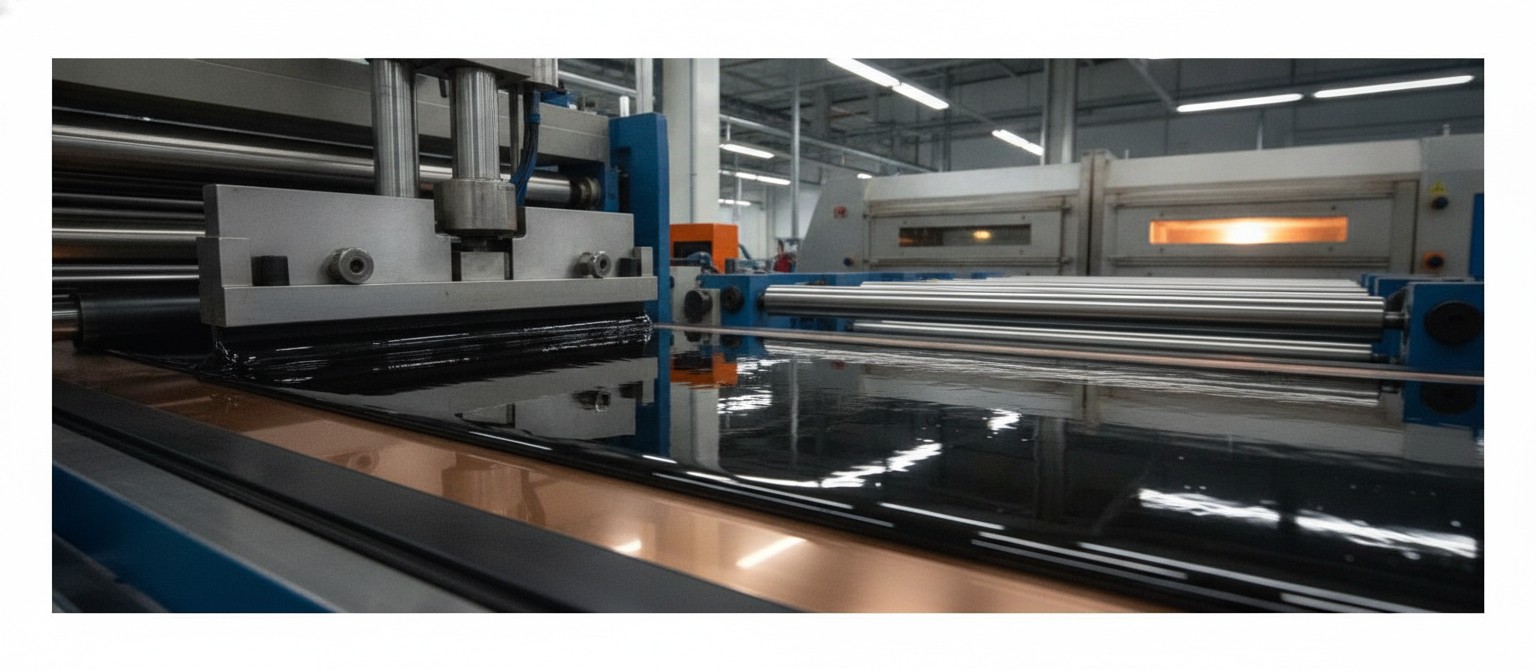
The binder earns its keep in an easily overlooked step. It is mixed with electrode powder to form a thick slurry, spread into a uniform layer on the foil, and dried in an oven. Getting that coating right is one of the most delicate parts of cell production, and it has long driven efforts to make electrodes safer and cheaper to build.
PVDF has been the industry standard because it produces strongly adhesive, uniform electrodes that stay stable through thousands of charge and discharge cycles. That same durability is what makes spent batteries so difficult to take apart.
The Problem With Fluorine in Battery Manufacturing
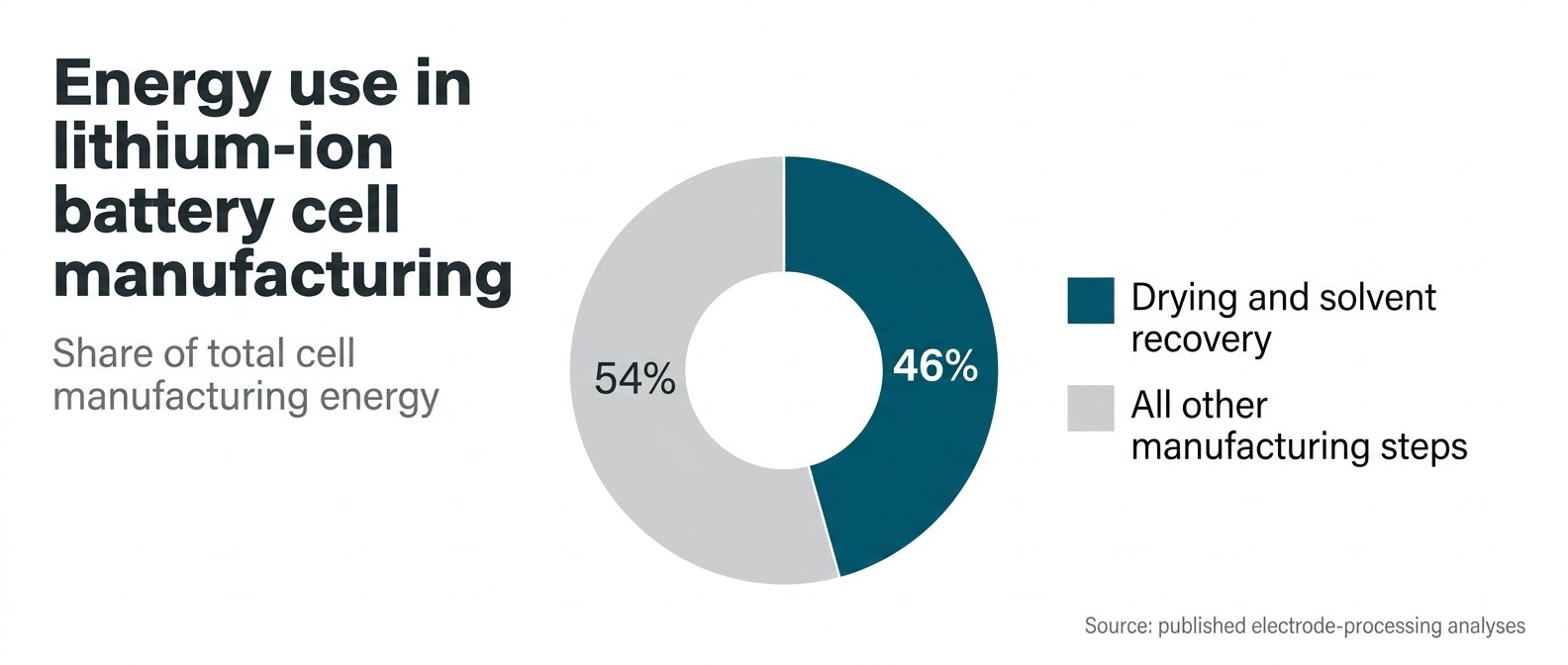
Manufacturing with PVDF begins with a toxic solvent called N-methyl-2-pyrrolidone, or NMP. After the electrodes are coated, large ovens evaporate the solvent, and extra steps recover and purify it so it can be reused. Those steps carry a heavy energy penalty. Published analyses of electrode processing put drying and solvent recovery at roughly 45 to 47 percent of the energy used in battery cell manufacturing. NMP boils at about 204 degrees Celsius (roughly 400 degrees Fahrenheit), more than double the boiling point of water, so evaporating it and capturing it back takes far more energy than a water-based process would.
Switching that step from NMP to water has been estimated to cut the cost of drying and solvent recovery by up to half and to save several million dollars in capital costs at a gigawatt-scale plant, according to a technical and economic analysis prepared with support from Oak Ridge National Laboratory.
“Those extra steps significantly increase the cost and energy use, as well as the environmental impact, of battery manufacturing,” said Jiao Lin, a postdoctoral researcher in the lab of Zheng Chen at UC San Diego and the study’s first author.
Why Fluorine Binders Make Recycling Harder
Recycling runs into the same molecule from the other direction. Fluorine-containing binders leave residues that demand high heat or corrosive chemicals to remove, creating hazardous waste and fluorine-containing byproducts that contaminate recovered materials and make them harder to reuse in new batteries.
“That same stability also makes batteries much harder to recycle,” said Chen, whose Sustainable Materials and Energy Lab specializes in recovering and restoring materials from spent lithium-ion batteries.
A Water-Based Binder Made From Everyday Materials
Water-soluble binders are not new. Carboxymethyl cellulose and similar plant-derived polymers have long been used in battery anodes, and researchers have explored aqueous binders for cathodes too. Others have experimented with unlikely chemistry, including using orange peel waste to help turn old lithium-ion cells into new ones. The problem, Chen explained, is that most water-based binders rely on weak hydrogen bonding alone, which limits their mechanical strength and electrochemical stability under demanding conditions.
The San Diego team’s answer is a blend of two inexpensive, widely available polymers. Polyacrylic acid helps the mixture spread evenly during manufacturing and adds flexibility, while carboxymethyl cellulose, a plant-derived material common in foods and paper products, provides strength and stickiness.
The two polymers are dissolved in water, then citric acid, the acid found in citrus fruit, is added to cross-link them into a tightly connected network. According to the paper, that network combines hydrogen, covalent, and ionic bonds between the binder chains, the active particles, and the current collectors. The result is a binder with the adhesion, flexibility, thermal stability, and oxidative stability needed to rival PVDF, but without the fluorine and without the toxic solvent.
In the study, the best-performing formulation blended the two polymers in roughly equal proportions, with citric acid making up 5 to 8 percent of the mixture by weight, after the polymer solution was adjusted to a pH of about 6. The project also involved collaborators at Arizona State University and X-ray measurements at Brookhaven National Laboratory.
| Feature | Conventional PVDF binder | New water-based binder |
|---|---|---|
| Processing solvent | NMP (toxic) | Water |
| Drying and solvent recovery | Energy-intensive; recovery step required | No solvent recovery step |
| Fluorine content | Yes | None |
| Recycling separation | High heat or corrosive chemicals; fluorinated residue | Soak in water; clean separation, no fluorinated residue |
| Electrode compatibility | Industry standard | LFP and nickel-rich cathodes; graphite and silicon anodes |
How It Performs in a Real Cell
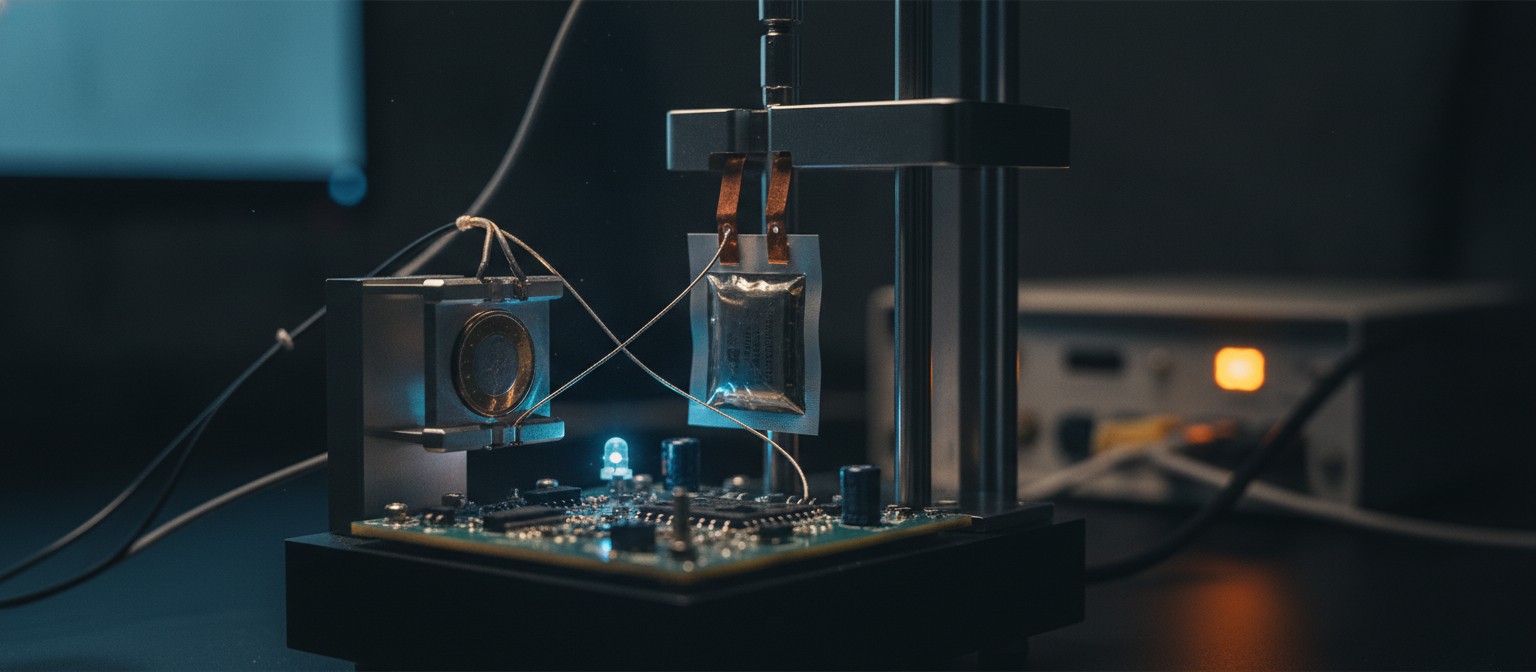
In the study, the team put the binder through the tests that matter for real batteries.
- Lithium iron phosphate (LFP) cathodes made with the new binder delivered comparable initial capacity to control electrodes made with PVDF.
- In cycling tests, the cells held their capacity longer after hundreds to thousands of charge and discharge cycles.
- The coating stayed strongly adhesive and uniform, with good thermal and oxidative stability.
- The binder worked across a wide range of electrode materials, including LFP and nickel-rich cathodes as well as graphite and silicon anodes.
Those are promising results for a technology that has to survive years of abuse inside an electric vehicle or a grid storage container. They are also still laboratory results, measured on test cells rather than on a commercial production line, and the published paper is an early, peer-reviewed version that will be replaced by a final version of record.
Why Recycling Gets Easier
The most striking benefit appears at the end of life. Instead of high heat or harsh chemicals, the researchers simply disassembled the battery and soaked the electrodes in water. The binder dissolved within minutes, and the electrode coatings separated cleanly from the metal foil without leaving residue behind. Recovered materials were then regenerated through direct recycling and used to build new cells that performed as well as batteries built from materials recovered from PVDF-based packs, and the process generated no fluorinated residue.
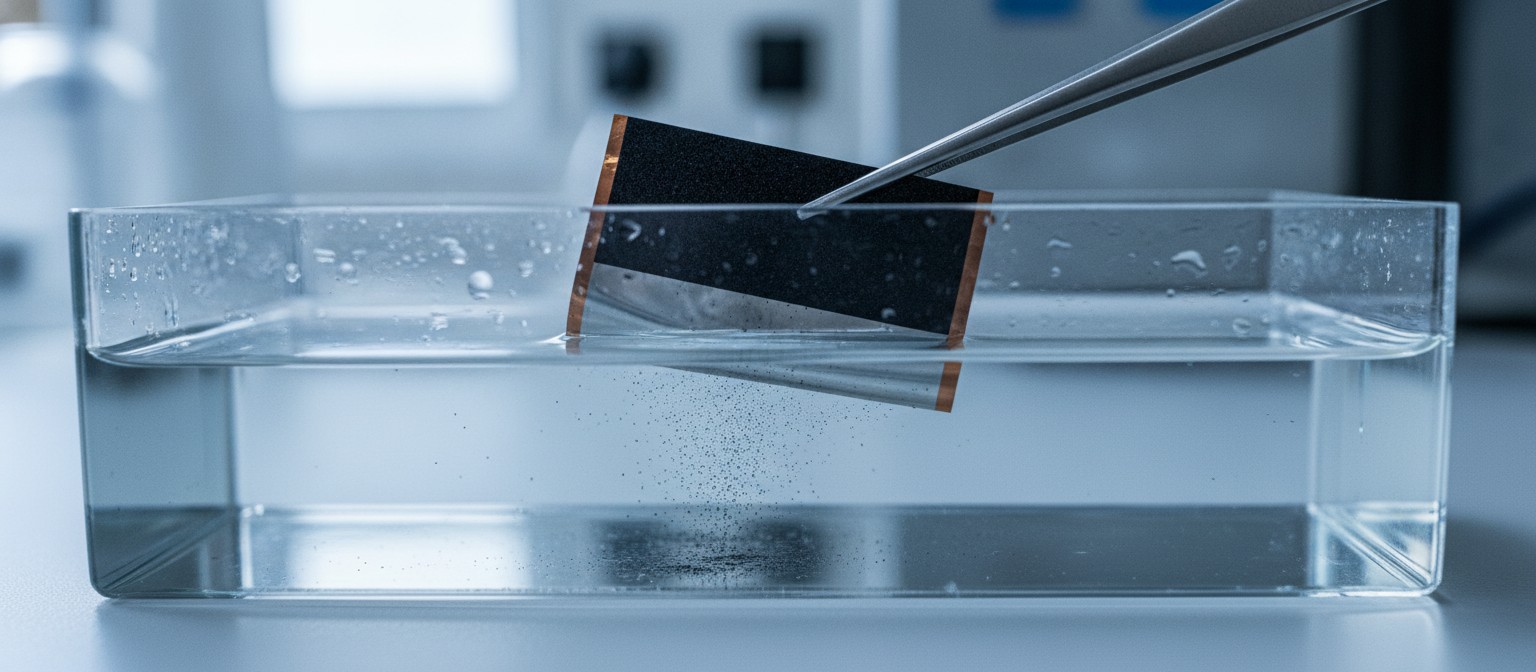
A life-cycle analysis in the paper estimates significant reductions in both energy cost and emissions compared with recycling batteries that use conventional binders.
For an industry facing a mounting wave of retired packs, that is a meaningful difference. Lithium-ion battery recycling is projected to grow from about $7.3 billion in 2026 to $31.8 billion by 2033, according to Persistence Market Research, driven by electric vehicle adoption and grid storage. In the United States, the first plant producing lithium carbonate from recycled batteries came online in Covington, Georgia, in September 2026, a sign of how quickly the recovery side of the industry is scaling.
It is worth being precise about what the water step solves. Dissolving the binder makes it easier to separate electrodes from foils; it does not, by itself, restore degraded material. The recovered powders still have to go through a regeneration process before they can return to a new cell.
What Still Stands in the Way
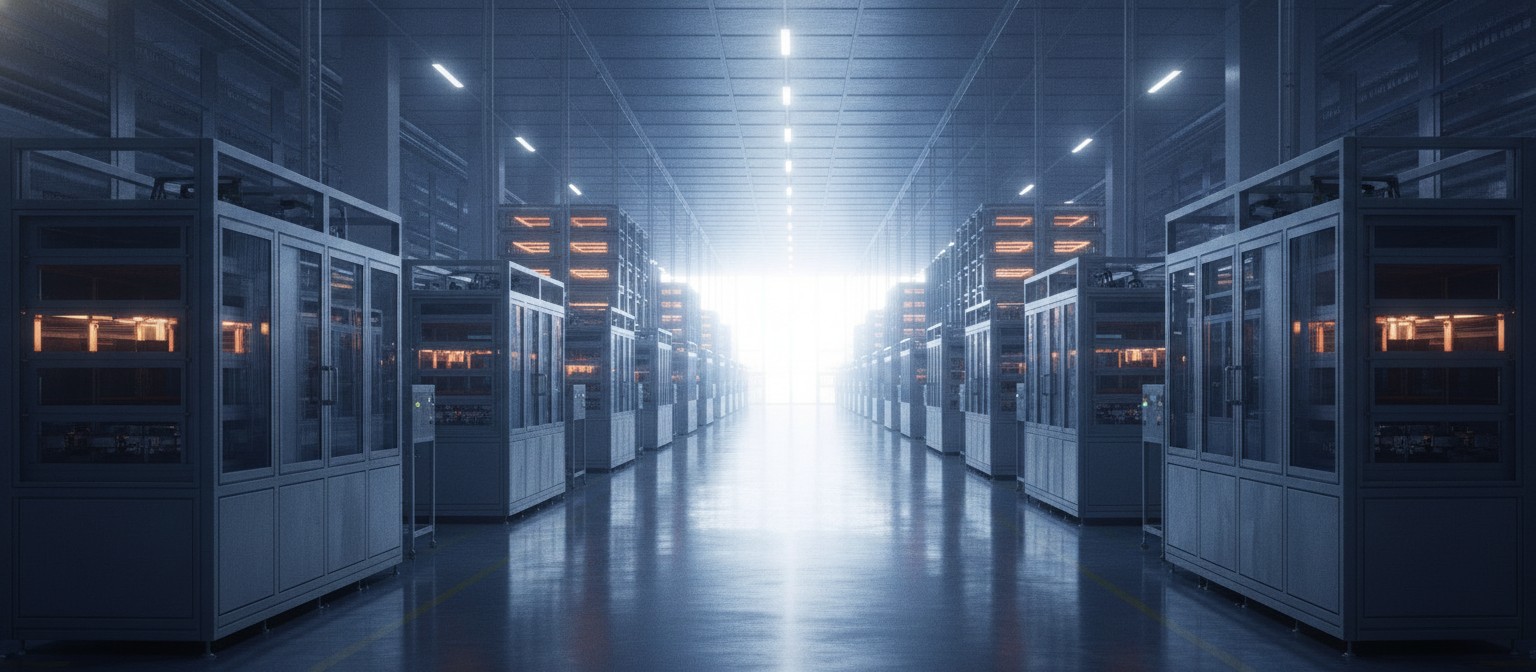
The next step is scale. The team is working with industry partners on commercialization, and the inventors have filed a patent application covering the technology. The research was supported by an ECS Toyota Young Investigator Fellowship.
Industry inertia is another hurdle. Battery plants have been built around NMP-based slurries, so a switch means re-qualifying processes rather than simply swapping one liquid for another, even though water-based coating is already used widely on anodes. Rivals are also chasing the same energy savings from a different direction: dry electrode manufacturing promises to take solvents out of the process entirely.
Frequently Asked Questions
Is lithium from batteries recyclable?
Yes. Lithium, along with nickel, cobalt, copper, and other materials, can be recovered from spent batteries through several routes, including smelting, chemical leaching, and direct recycling that preserves the structure of the electrode material. The challenge is doing it economically and at scale, which is why binder chemistry matters: a binder that dissolves in water removes a costly, dirty step at the front of the process.
What happens to old lithium-ion batteries today?
A growing share is collected and processed, but recycling rates still lag far behind the pace at which new batteries are made and retired. Some packs get a second life first, as companies repurpose retired electric vehicle batteries for grid storage before they are eventually recycled. Much of today’s recycling recovers metals from shredded material known as black mass, while direct recycling, which keeps electrode materials intact for reuse, is newer and more sensitive to how the battery was built in the first place.
Does the new binder change how batteries perform?
Not in the tests reported so far. Cells built with the binder performed on par with conventional cells rather than beating them, and the upside showed up mainly in how well they held their capacity during long cycling. What remains untested is how the binder behaves on a working production line, where coating speed, humidity, and drying conditions all matter.
Can existing battery factories use it?
Yes. Aqueous electrode processing runs on standard coating and drying equipment, so the change is mostly in the slurry recipe rather than the machinery. The open questions are at the material level: scaling up production of the binder and tuning it for different battery chemistries.
The Takeaway
Battery makers have spent years optimizing the materials inside their cells while the glue holding them together stayed largely the same. A fluorine-free, water-processed binder made from polyacrylic acid, carboxymethyl cellulose, and citric acid shows that the smallest ingredient can be one of the most powerful levers for cutting costs, energy use, and waste at the same time.

It will take years of scale-up and real-world testing before the technology reaches a production line. But if it works as advertised, the batteries that power electric cars and store renewable energy could become easier to build, cheaper to recycle, and a little cleaner at both ends of their life.


