
Selling a home in England and Wales still involves a surprising amount of paper. Forms are posted, identity documents are photocopied, and the same questions about a property can be answered three or four times before a sale completes.
That is starting to change. In June 2026, the government published a roadmap committing to digital sales packs, property logbooks and greater reliance on digital identity checks. For sellers, the shift raises a practical question: will technology make the legal side of moving cheaper or simply different?
Before weighing up the future, it helps to understand what makes up a typical selling conveyancing cost today. This guide breaks down current fees, explains where digital tools are already saving time, and shows what the reforms could mean for your budget.
Key Takeaways
- Sellers typically spend a little under £1,000 on conveyancing once extras and tax are added.
- Solicitor fees usually rise with the sale price of the property.
- Official copies of the title register and plan cost £7 each online from HM Land Registry.
- Government plans will make digital sales packs and logbooks standard parts of a sale.
- Preparing documents early is the simplest way to keep legal costs under control.
What Sellers Pay for Conveyancing in 2026
Conveyancing is the legal work needed to transfer ownership of a property from seller to buyer. For sellers, it covers preparing the contract, answering the buyer’s legal enquiries, repaying any mortgage and handing over title documents.
According to HomeOwners Alliance, using Reallymoving figures, the average cost of seller conveyancing is £929, including disbursements and VAT. Leasehold sales typically cost around £300 more because of the extra documents involved.
| Cost item | Typical amount | Notes |
|---|---|---|
| Solicitor or conveyancer fee | Varies by price and tenure | Usually quoted plus VAT at 20% |
| Identity and anti-money laundering checks | £5 to £25 per person | Required before a firm can act |
| Official copy of title register | £7 online | HM Land Registry fees carry no VAT |
| Title plan copy | £7 online | Often requested alongside the register |
| Energy Performance Certificate | Around £65 | Needed if no valid certificate exists |
| Did you know? HM Land Registry raised its online fee for official copies from £3 to £7 on 9 December 2024, its first increase in these information charges in more than a decade. |
How the Sale Price Affects Your Fee
Most firms scale legal fees with property value, as higher-value sales carry greater risk and responsibility. Comparison data from Konnect You show the average solicitor fee climbing steadily across price bands.
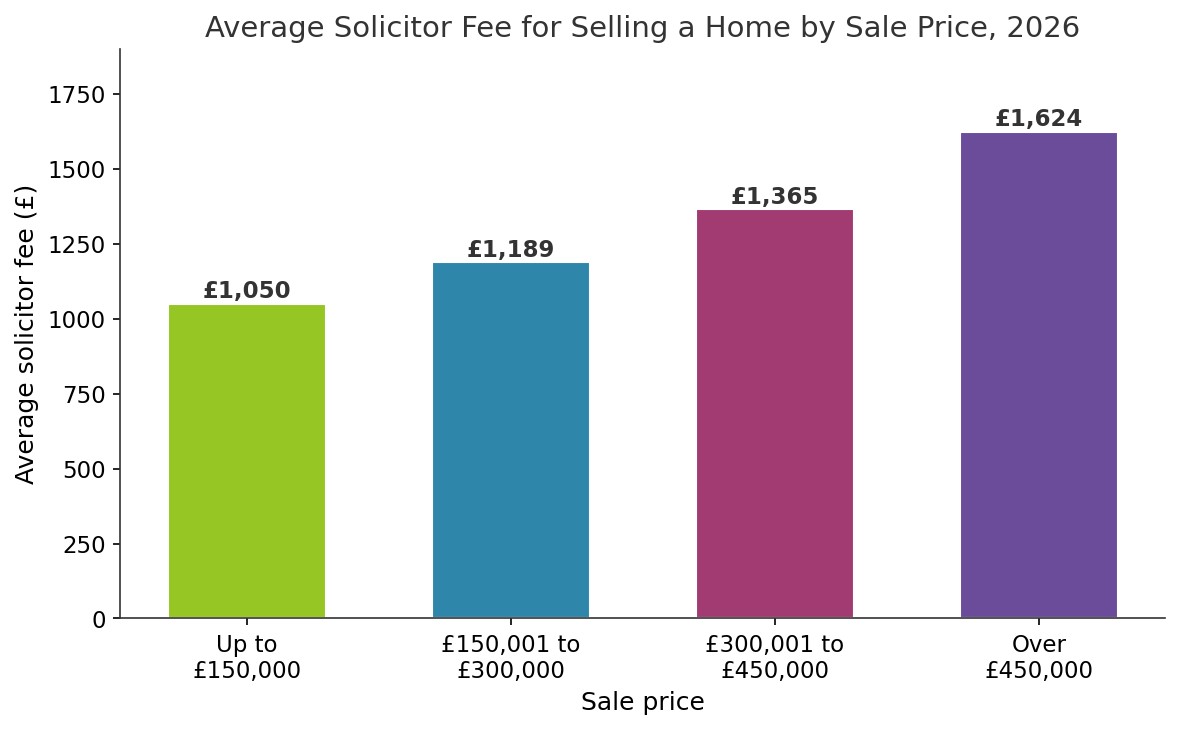
Figure 1: Average solicitor fee for a sale, excluding disbursements. Source: Konnect You, September 2026.
These figures exclude disbursements, which are added on top. A sale above £450,000 attracts a fee more than half as large again as one under £150,000.
A Worked Example: Budgeting for an Average Priced Sale
Figures become clearer with a real price attached. The Office for National Statistics put the average UK house price at £273,000 in July 2026, which falls in the £150,001 to £300,000 fee band shown above.
| Item | Estimated cost | Source of figure |
|---|---|---|
| Solicitor fee | £1,189 | Price band average, September 2026 |
| Identity checks for two sellers | £10 to £50 | Per person range shown earlier |
| Title register and title plan | £14 | £7 each online |
| EPC, if required | Around £65 | Average certificate cost |
| Estimated total | £1,278 to £1,318 | Before any leasehold extras |
This estimate sits higher than the £929 average quoted earlier. The gap reflects different data sources and methods, which is exactly why itemised quotes matter more than headline averages.
Freehold Versus Leasehold Sales
Selling a leasehold flat usually means extra paperwork, including a management pack from the freeholder or managing agent. Pack fees vary widely between buildings, so ask for a price as soon as you decide to sell rather than waiting for the buyer’s solicitor to request it.
Where Technology Is Already Cutting Time and Cost
Digital conveyancing uses online portals, electronic signatures and digital identity checks to replace slow, paper-based steps. Many firms already offer these tools, and they tend to reduce delays rather than headline fees.
- Digital identity checks let sellers verify themselves with a phone and passport instead of visiting an office.
- Online case portals show progress in real time, cutting chasing calls and emails.
- Instant title downloads from the Land Registry portal let firms prepare contracts on the day of instruction.
- Electronic signatures speed up the return of forms and contracts.
Identity checks matter more than ever. As synthetic media improves, research into tools such as light-powered deepfake detection shows why secure verification is becoming central to high-value transactions like property sales.
| Watch out: Property and payment fraud remains a real risk. Always confirm bank details by phone with your conveyancer before transferring money, whatever channel the request arrives through. |
What the 2026 Reform Roadmap Means for Sellers
The government’s home buying and selling reform roadmap, published on 19 June 2026, sets out plans to require key property information upfront in sales packs. It also commits to making digital property logbooks a standard feature of transactions.

Figure 2: Share of responses supporting key reforms. Sources: GOV.UK roadmap and Today’s Conveyancer.
Support for the changes was strong, as Today’s Conveyancer reported. Individuals backed mandatory upfront information at 84%, compared with 77% of professionals, while 82% of responses supported wider use of digital logbooks.
Early results look promising for sellers. In its consultation response, published in January 2026, the Conveyancing Association said member firms using upfront information had cut transaction times to seven weeks and reduced fall-throughs by 60%. You can read the industry body’s full consultation response for its detailed recommendations.
| Pro Tip: Upfront information may move some legal work earlier rather than remove it. Ask any firm whether its quote includes preparing a sales pack before you list. |
Will Digital Reform Lower Fees?
Not necessarily, at least in the short term. Industry bodies have stressed that preparing information earlier creates additional legal work that must be properly priced. The bigger saving is likely to come from fewer collapsed sales, which can leave sellers paying twice.
Timing matters too. The government has said comprehensive legislation requiring sales packs, binding contracts and supporting digital systems will be introduced by the end of this Parliament. Binding conditional contracts is expected to follow only once sales packs are embedded, so most sellers listing in the next year or two will still use today’s process, with digital tools layered on top.
Practical Ways to Keep Your Legal Costs Down
You do not need to wait for reform to make your sale more efficient. These steps help any conveyancer move faster and reduce the chance of extra charges:
- Request fixed-fee quotes. Ask for a full breakdown including VAT and disbursements.
- Gather documents early. Collect guarantees, planning papers and building regulation certificates before listing.
- Complete forms promptly. Delays in returning seller questionnaires are a common cause of slow sales.
- Check for leasehold costs. Ask your managing agent about pack fees well in advance.
- Use digital tools offered. Online identity checks and portals can save days of back and forth.
Presentation still matters alongside paperwork. Simple touches such as lighting that suits a home’s architecture or sustainable decor choices can help a property stand out without major spending.
Choosing a responsive agent helps too. One Feefo reviewer said she had both bought and sold through Oliver Jaques and found the team great, describing the kind of joined-up experience that keeps a sale moving smoothly.
Frequently Asked Questions
How much does conveyancing cost when selling a house?
The latest HomeOwners Alliance estimate is just under £930 once disbursements and VAT are counted. Your actual quote will depend on the sale price, whether the home is freehold or leasehold, and how complex the title is.
Do sellers pay for searches?
Usually not. Local authority and environmental searches are normally a buyer’s cost. Sellers mainly pay legal fees plus small disbursements such as identity checks and Land Registry documents.
Is VAT charged on conveyancing fees?
VAT at 20% applies to the solicitor’s own legal fee. Some disbursements, including Land Registry charges, are not subject to VAT.
Will digital property logbooks become mandatory?
The government has committed to legislate so that digital logbooks and sales packs become a standard part of transactions, but detailed timings are still being worked through.
Can digital conveyancing speed up my sale?
It can. Online identity checks, case portals and electronic signatures remove many postal delays, and upfront information can resolve buyer questions before they slow the chain.
A Smarter Way to Sell
Selling a home is becoming more digital, but the fundamentals of cost control remain the same. Get clear, itemised quotes, prepare your paperwork early, and choose professionals who use technology well. Ask how each firm handles identity checks, document sharing and progress updates, because the answers reveal a great deal about how smoothly your sale is likely to run. As upfront packs and digital records become standard, sellers who organise their information now will be best placed to move quickly and avoid costly delays.
Fact Check: All statistics and data points in this article were verified against original sources as of 10 October 2026.


