Creating an eco-friendly living room starts with smart styling choices that respect natural resources. Simple swaps in materials, lighting, and art can turn any home into a healthy sanctuary without sacrificing personal style or everyday comfort across your main living quarters.
Homeowners can craft cozy interiors through thoughtful selections of recycled fabrics, energy-efficient fixtures, and natural accents. Small adjustments make a big difference when building a space that feels grounded, practical, and responsible for the whole family.
Focus on Long-Lasting Materials
Selecting high-quality furniture built from durable materials keeps items out of local landfills for decades. Solid wood options like oak, walnut, or pine withstand daily wear far better than flimsy particle board alternatives sold in standard big box stores.
Investing in sturdy tables and chairs saves money over 10 or 20 years since repairs remain minimal. Strong construction gives each piece lasting value and reduces the constant demand for fast furniture production in factories worldwide.
Metal frames and reclaimed wood pieces bring distinct character into living spaces. Buying items crafted with care means fewer replacements down the road, keeping raw material consumption low across the board for conscientious homeowners.
Maximize Daylight to Cut Energy Costs
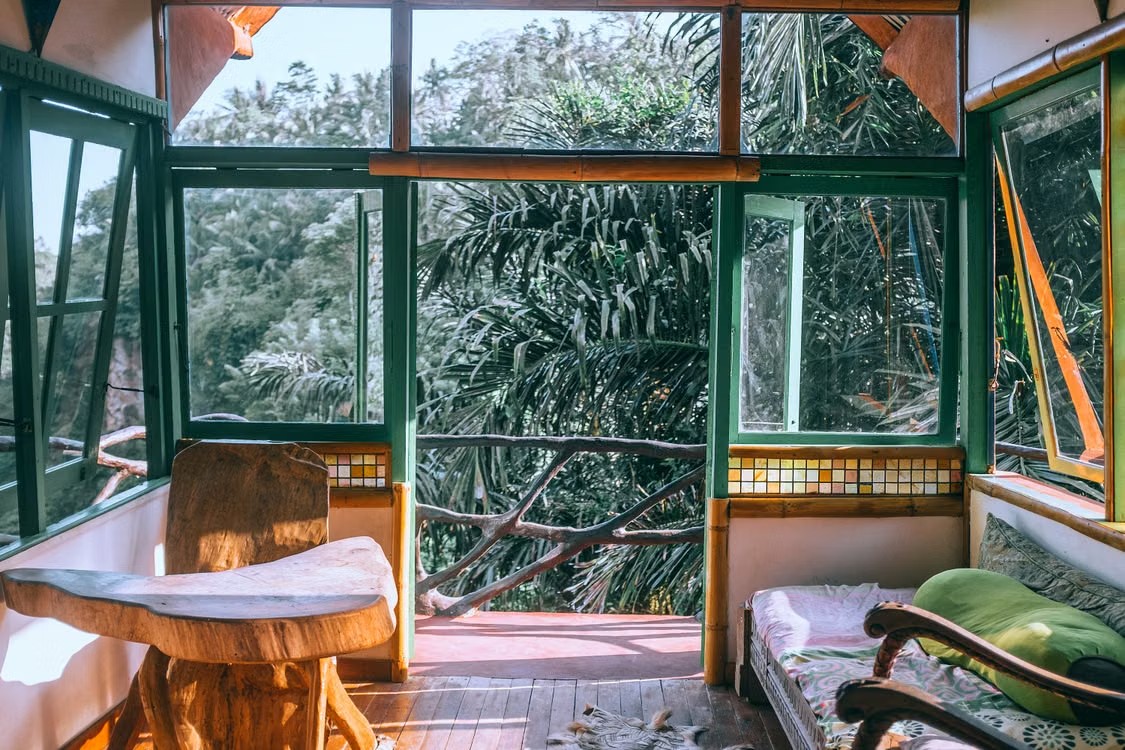
Natural light transforms interior rooms by creating bright, open spaces without relying on electric lamps throughout daylight hours. Position large mirrors opposite windows to bounce sunlight into darker corners naturally without added power draw.
Sheer cotton window curtains allow daylight to filter through and maintain privacy from outside views. Heavy drapes can stay drawn back during peak light hours, letting natural warmth seep through glass panels on cold winter mornings.
Research from the U.S. Energy Information Administration shows that artificial lighting accounts for approximately 10% to 15% of household energy use. Maximizing daylight can reduce lighting energy consumption by up to 75%, according to the U.S. Department of Energy. Heat pumps can cut a home’s carbon emissions by 40% to 50% compared to gas furnaces, per UC Davis research. These improvements lower utility bills and reduce a household’s carbon footprint.
Layer Natural Textures and Tones
Combining organic textiles adds depth to neutral seating arrangements without adding clutter to the floor plan. Raw linen cushion covers, woven jute rugs, and thick wool throws bring tactile warmth into plain modern rooms effortlessly.
Mixing varied textures creates a balanced room layout through simple contrast:
- Unbleached cotton throw blankets draped over sofa arms
- Handwoven seagrass storage baskets placed beside armchairs
- Braided hemp floor runners laid down along main interior walkways
Earth tones like terracotta, sage green, and warm ochre pair smoothly with organic fabrics. Soft wall shades and natural fiber weaves tie design elements together, keeping the room atmosphere calm, grounded, and balanced.
Choose Eco-Friendly Wall Decor
Filling bare walls with thoughtful artwork brings personal warmth to a room without causing unnecessary environmental waste. Frame choices like Printivart’s botanical prints offer an elegant way to display nature-inspired art printed on sustainably sourced paper. For more inspiration on current sustainable design movements, explore our guide to eco-friendly home decor trends. Select frame designs crafted from reclaimed timber or recycled metal to match your green home theme.
Hanging wall displays near natural light sources highlight detailed leaf patterns and soft earthy pigments. Water-based inks and solvent-free dyes keep indoor air free from chemical vapors.
Arranging several small prints into a neat gallery grid creates an eye-catching focal point over a couch or console table. Minimalist framing keeps the visual focus centered on organic motifs, crisp details, and clean lines.
Incorporate Low-Impact Accents
Decorating with smaller handmade accessories adds charm without generating excess plastic waste. Artisanal clay vases, recycled glass containers, and hand-poured soy candles bring unique personality to open shelving units throughout the house.
A recent decor trend article noted that hand-thrown pottery, wooden trays, and natural-wax candles fit into minimalist room setups. These simple elements create cozy nooks and celebrate traditional craftsmanship over mass manufacturing.
Selecting items made locally cuts down on transport emissions and supports community craftspeople directly. Unique thrifted bowls and secondhand ceramic jars give living spaces a distinctive, personal look that feels curated.
Adopt Intentional and Mindful Styling
Decluttering room spaces allows key architectural features and favorite decorative pieces to stand out clearly. Keeping surfaces free of unnecessary trinkets creates a peaceful atmosphere that feels open, spacious, and well balanced.
A publication covering living space trends observed that homeowners are choosing fewer pieces, higher-quality materials, and personal details rather than purchasing fast-changing decor. Focus on items that carry sentimental value or long everyday utility.
Intentional arrangements help avoid impulse purchases that can lead to modern room clutter. Carefully curating side tables and bookshelves makes everyday cleaning easier and reduces household consumption as years go by.
Introduce Indoor Houseplants for Air Quality
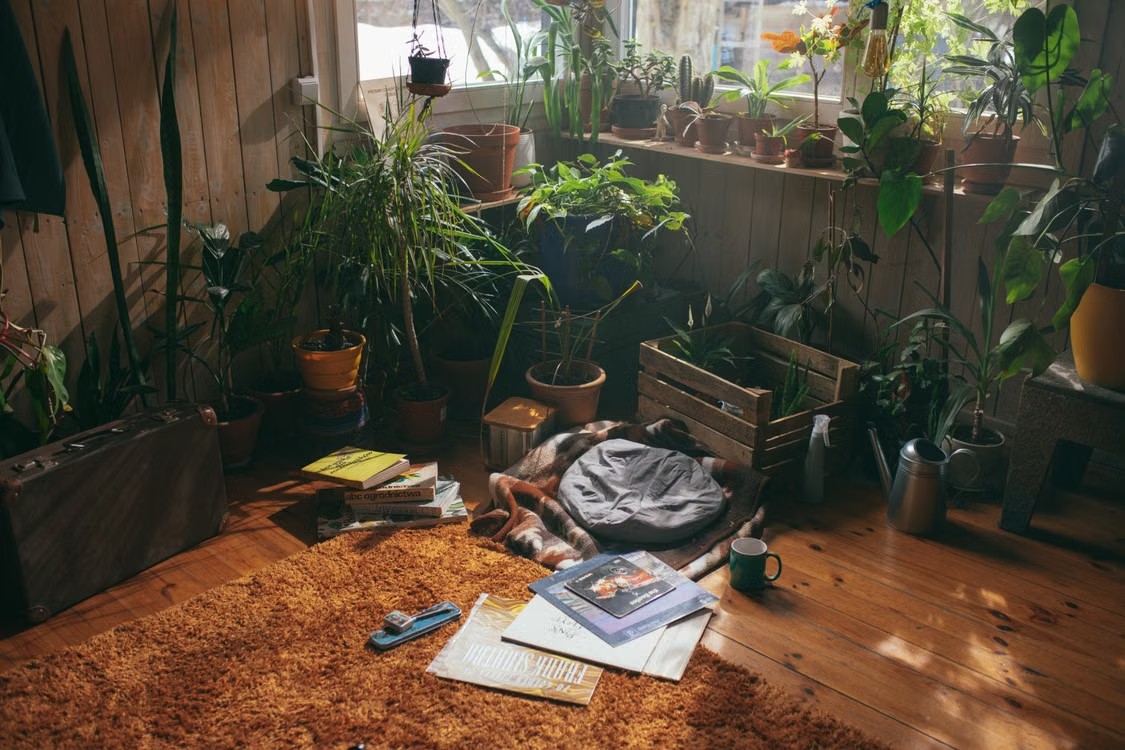
Potted greenery brings natural elements indoors and improves daily living conditions inside closed spaces. Live plants filter indoor air naturally, absorbing synthetic compounds released by synthetic carpet fibers and standard wall paints.
Selecting hardy indoor plant varieties guarantees lasting greenery with straightforward maintenance routines:
- Snake plants that thrive in low-light corners
- Pothos vines that trail gracefully down high wooden bookshelves
- Peace lilies that show clear signals whenever watering is needed
Terracotta pots and porous clay planters allow soil to breathe and retain proper moisture levels for healthy root growth. Placing greenery at varying heights creates dynamic visual movement and fresh color throughout the room layout.
Upcycle and Repurpose Vintage Furniture
Giving old furniture a second life prevents solid timber pieces from ending up in local landfills prematurely. Sanding down a scuffed wooden dresser or repainting a vintage coffee table offers customized charm at very low costs.
Non-toxic, low-VOC paints deliver fresh colors without releasing harsh fumes into indoor living spaces. Swapping out worn drawer pulls for brushed brass or ceramic knobs refreshes aging cabinets in under 20 minutes flat.
Secondhand shopping at estate sales and antique stores uncovers durable furniture crafted with traditional woodworking techniques. Restoring vintage finds gives your home a unique character that retail stores cannot replicate easily today.
Building a sustainable home does not require an immediate, total overhaul of your current living space. Adopting small eco-friendly styling habits gradually creates a comfortable environment that honors personal taste and environmental care for years to come.
Choosing durable materials, maximizing natural light, and displaying nature-focused decor allows any house to feel grounded. Mindful decorating choices lead to healthy, beautiful rooms that stand the test of time effortlessly.