
Vape cartridges may look similar on a shelf, but small differences in hardware, oil composition, and setup can change your day-to-day experience. If you are comparing branded hemp-derived carts and disposables, check a few telltale details before you buy and again before your first draw. This guide explains how to evaluate threading and coil design, match oil viscosity to the device, read testing and packaging cues, and avoid common mistakes that lead to burnt hits or clogs. The aim is simple: understand what you are holding so you can enjoy dependable flavor and performance without wasting oil or hardware.
Examine the Hardware: Threading, Coil, Airflow, and Charger Port
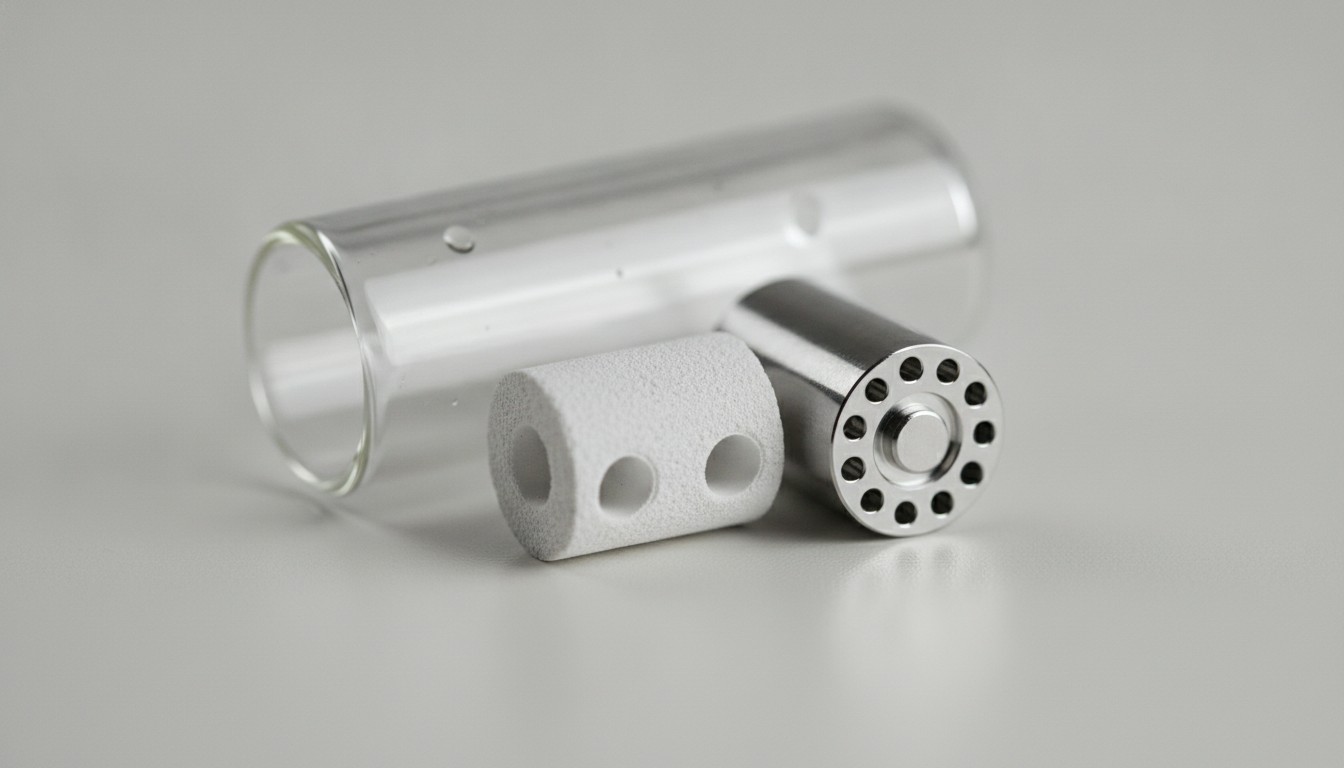
Start with fit and build. A standard 510-threaded cartridge pairs with most pen-style batteries, while many disposables use an enclosed battery with a USB-C or micro-USB charging port. Look for a ceramic coil and wicking ports that are large enough for thicker extracts; tiny intake holes struggle with viscous oil and tend to clog. Clear housing helps you spot bubbles and wick saturation. When you browse a collection such as half bakd cart, open a product page and scan the images and specs for coil material, mouthpiece style, and whether the device has adjustable airflow.
Battery pairing matters. A simple stick battery with one-button voltage control at a moderate setting preserves terpenes better than a high-output mod that floods the coil with heat. Most oil-based carts perform well at low to mid voltage; cranking it up risks scorching the wick and cooking flavor compounds. If your device has a preheat function, use it briefly to loosen cold oil rather than holding the fire button down for several seconds. A quick scenario: someone leaving a cartridge in a freezing car might see thick oil and tight draws; a short preheat and a gentle first puff help wick saturation without burning the coil.
Match Oil Viscosity to Coil Design
Oil thickness and coil design work together. Dense extracts draw best through larger intake holes and porous ceramic; thin formulations can flood a wide-bore coil and gurgle through the mouthpiece. If you can tilt the cartridge and watch the air bubble, extremely fast movement may hint at a thinner base that is easier to overheat. Slow movement usually signals a thicker extract that benefits from slightly longer, gentler puffs to avoid dry hits. Pairing a thick oil with tiny wicking ports is a common cause of clogs and frustration.
Terpenes shape both flavor and perceived smoothness. Botanical terpene blends often taste brighter and more consistent from batch to batch, while live-resin or cannabis-derived terpene carts can deliver funkier, strain-like profiles but may feel heavier at low temperatures. There is a trade-off: highly aromatic, terpene-rich oil can taste exceptional at lower voltage but may feel harsh if overheated; more neutral formulas can tolerate a bit more power but may sacrifice nuance. Picture a weekend flavor-seeker choosing a battery with fine voltage steps to dial in a live-resin cart, versus a commuter who prefers a simple, cool-running disposable for predictable, less intense draws.
Verify Testing and Packaging Signals Before You Buy
Legitimate products provide batch-level Certificates of Analysis (COAs) with cannabinoid profiles and contaminant screening. Look for a scannable QR code or a short link on the box that leads to lab results matching the lot number on your device. Packaging should have tamper-evident seals or rings, manufacturing or packaging dates, and basic safety warnings. Inconsistent labeling, missing batch numbers, or smeared seals are red flags. Laws and age limits vary by state; always confirm you are buying from a compliant retailer and that the item is legal to possess where you live.
First Use: Prime Gently and Set Sensible Voltage
Before your first pull, let the cartridge rest upright for a few minutes so the wick fully saturates. Take one or two short primer puffs without holding the button (or use a brief preheat if your device offers it). Then start at a low voltage and draw slowly for two to three seconds, pausing between inhales so the coil can rewick. Chain-hitting a fresh cart is a classic mistake that singes the wick and leaves a lingering burnt taste for the life of the cartridge.
If a cart feels tight or shows no vapor, do not jam pins or paperclips through the mouthpiece. Instead, warm the device in clean hands for a minute, pulse the preheat, and clear condensation by gently exhaling through the mouthpiece with a tissue over the airflow holes. For mouthpiece pooling, remove any removable tip and swab the bore with a minimal, dry cotton swab. Heat and altitude can shift internal pressure, so avoid leaving a cart on a sunny dashboard or taking unprotected disposables up a mountain without keeping them upright; sudden pressure changes can push oil into the chimney and cause leaks.

Storage, Travel, and When a Disposable Makes More Sense
Store carts upright at room temperature, cap on, away from direct sun and heaters. Prolonged heat thins oil, promotes leaks, and can dull terpenes; severe cold slows wicking and invites dry hits. If you fly, pressure changes may move oil; keep devices upright in a sealable pouch and check them after landing before taking a long pull. Wipe contacts with a dry cloth if you see residue where the cartridge meets the battery.
Consider use case when choosing between a 510 cartridge and a disposable. Cartridges are modular and let you pair favorite oils with an adjustable battery, but they depend on good contact and battery settings. Disposables trade that flexibility for simplicity: integrated power, a matched coil, and usually a USB-C or micro-USB charging port. A daily commuter who wants quick, consistent puffs may prefer a slim disposable with a tight draw, while someone who likes to fine-tune voltage for different terpene profiles might opt for a reliable 510 battery and cartridge pairing.
The best vape sessions come from matching the device to the oil, then using it gently and consistently. Check coil and intake design, scan the COA linked to the batch, and start cool to preserve flavor. Keep carts upright and out of heat, warm a cold device before a pull, and handle clogs with patience rather than force. With a little attention to hardware, viscosity, and setup, a well-made vape cartridge or disposable can deliver steady performance without burnt hits, leaks, or wasted oil.

