
Walking into a showroom is exciting, but the smartest decision about your next Chevy happens before you pick a color or a trim. The real choice is how to own it: buy new, choose certified pre-owned, or sign a lease. Each path handles warranty coverage, monthly cost, technology, and future flexibility differently. This guide shows how to align those tradeoffs with how you actually drive, whether you are hauling tools in a half-ton pickup, wrangling car seats in a three-row SUV, or commuting in a compact crossover. A few concrete steps and scenarios will help you move from “I like it” to “this structure fits my life and budget.”
Start With How You Drive, Tow, and Park
List real-world demands before looking at badges like LT, Z71, RS, or High Country. If you tow a small camper or a pair of jet skis, engine torque, a factory trailering package with a 7-pin connector, and an integrated trailer brake controller matter more than a panoramic roof. City commuters care about parking length, turning radius, and whether wireless Apple CarPlay or Android Auto is standard. Families often prioritize second-row legroom, LATCH anchor access for car seats, and a cargo floor that handles strollers or sports gear without removing the load floor. A knowledgeable product specialist at a Chevy dealership can translate those needs into trims and packages, but your usage list is the foundation.
What Buying New Really Buys You
New Chevys deliver the broadest factory coverage and the freshest equipment. You get the latest Chevy Safety Assist features, such as forward collision alert, automatic emergency braking, lane keep assist with lane departure warning, and IntelliBeam auto high beams, often bundled and tuned to the current model year. Ordering new also lets you pick exact content: off-road suspension and all-terrain tires for trail days, a larger infotainment screen with a Bose audio system for road trips, or a max trailering cooling package for steady highway climbs. The tradeoff is immediate depreciation and typically higher insurance premiums. If you plan to keep the vehicle for six to ten years, those early-year drops spread out over time, and the longer warranty coverage can offset some repair uncertainty.
Availability is another consideration. A factory order can take time depending on allocation and supply, while on-lot inventory simplifies timing but narrows color and option combinations. If you are considering an EV, also confirm where you will charge. Home Level 2 charging can turn an overnight plug-in into a full week of commuting readiness, while relying only on public DC fast charging may add time to weekend trips. Matching your charging reality to an EV’s range and battery warranty is part of the new vehicle equation.
Why Certified Pre-Owned Beats Ordinary Used for Many Buyers
Certified pre-owned (CPO) bridges the gap between new and used by adding manufacturer-backed inspections and warranty coverage that most used vehicles lack. That can include coverage on major components and roadside assistance for a set period, plus the confidence that recalls have been addressed and that infotainment and driver-assistance software are up to date. You also take on less of the initial depreciation while still getting features like heated seats, a power liftgate, or a surround-view camera system that may be rare at lower used-car prices. The caveat is that CPO vehicles usually cost more than comparable noncertified used models, and selection is limited to units that pass certification criteria.
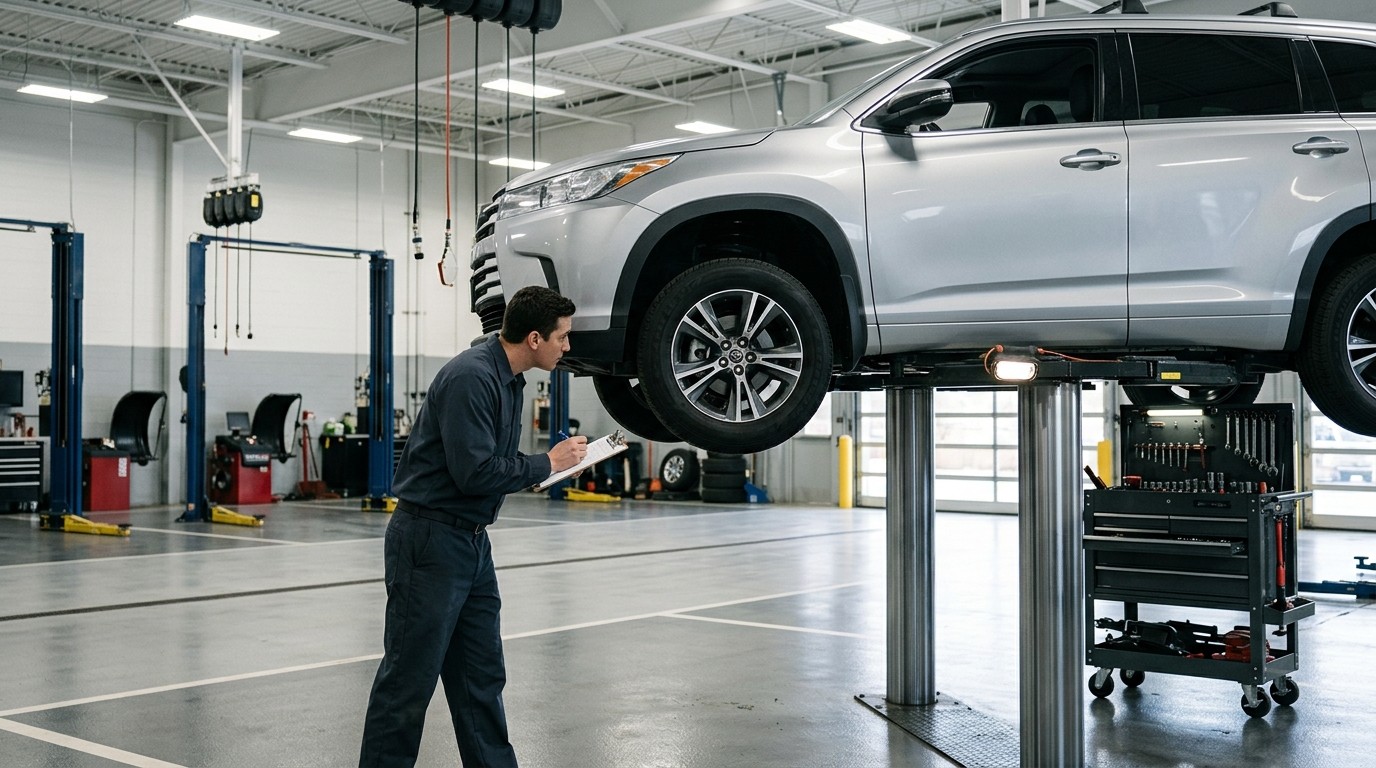
If you are shopping for used without certification, bring scrutiny. Check tire condition and date codes, brake pad thickness, and rotor wear. Make sure both key fobs work. Pair your phone to verify a stable Bluetooth connection and that wireless charging, if equipped, actually charges. On trucks and SUVs, inspect the hitch receiver for damage, verify that trailer lighting functions, and check for a factory brake controller if you plan to tow. Always run the VIN through the NHTSA recall tool and ask for maintenance records to confirm oil change intervals and transmission service.
Leasing: Mileage Caps, Wear Rules, and When It Makes Sense
Leases can offer a lower monthly payment than financing a purchase because you pay for the portion of the vehicle you use during the term. They work well for drivers who stay within a preset mileage allowance and want a fresh vehicle with current tech every few years. They also reduce long-term mechanical risk because most leased vehicles remain under the manufacturer’s new-car warranty for the entire term. However, leases include mileage limits and charges for excess wear like curb-rashed wheels or cracked windshields and can be expensive to terminate early. Many leases include gap coverage that helps if a vehicle is totaled while you owe more than it is worth, but verify the details in the contract rather than assuming it is standard.
Two scenarios illustrate the tradeoffs. A city-based commuter with a predictable 8-mile-each-way drive and secure parking may benefit from leasing a compact crossover with features like remote start and heated seats, returning it before tires and brakes need replacement. By contrast, a weekend adventurer who logs frequent road trips, mounts all-terrain tires, and occasionally tows may prefer buying, since exceeding mileage caps and turn-in wear charges can erase any monthly savings. If you rack up highway miles reliably, prepaying for higher mileage can work, but be realistic about your driving habits to avoid surprise turn-in charges.

A Focused Test Drive and Verification Checklist
A purposeful test drive beats a quick lap around the block. On a highway on-ramp, check merging confidence with your chosen powertrain, whether it’s a turbocharged four-cylinder or a V8. On a rough surface, listen for suspension noise and judge ride quality, especially with off-road tires or a sport-tuned setup. In a parking lot, practice low-speed maneuvers with the camera system, confirm blind-spot warning visibility in the mirrors, and test auto hold and the electronic parking brake, if equipped. For family duty, install a car seat to confirm the doors open wide enough and the second row folds easily for third-row access. If you plan to tow, ask for a trailer light test and verify that Tow/Haul mode, hill descent control, and trailer sway control operate as expected.
Inside the cabin, pair your phone to Apple CarPlay or Android Auto, start a navigation route, and stream music while using voice commands. Make sure the wireless charging pad grips your case and holds a charge. Test small but important items: a hands-free liftgate, seat memory buttons, ventilated seats, and rear USB-C ports. Before you sign, confirm the VIN on all paperwork, compare numbers on the buyer’s order and finance documents, and keep digital copies of the window sticker or build sheet for future reference. These steps help you avoid the common mistake of discovering a missing option or incompatible accessory after delivery.
Choosing between new, certified pre-owned, and leasing becomes straightforward when you match the ownership structure to how you drive. New vehicles offer the latest safety tech, warranties, and exact configuration but cost more upfront and lose value fastest. CPO reduces that depreciation hit while keeping manufacturer support. Leases trim monthly payments for predictable, lower mileage use but enforce mileage and wear rules. A focused test drive, a realistic mileage estimate, and a short list of must-have features will clarify which path fits. Do that work first, and your time at the dealership becomes confirming details rather than wrestling with uncertainty.


