
Every year, millions of Americans waver between buying new or used vehicles. Each option offers some attractive benefits, such as the lower initial price of a used vehicle or the latest features of a new one. By exploring the intricacies of choosing between a new and a used car, you can equip yourself with the knowledge needed to make a confident decision. Understanding the trade-offs between cost, customization, and long-term value will steer you toward a choice that harmonizes with your lifestyle and financial goals.
Should You Buy a New Car or a Used Car?
So how should you personally decide whether to buy new or used? As you navigate the decision between purchasing a new or used vehicle, consider factors like your financial stability, anticipated usage of the car, and long-term maintenance costs.
Understanding your priorities and lifestyle requirements will empower you to make a choice that aligns seamlessly with your needs. Delving deeper into the nuances of buying new versus used cars can illuminate the path to a successful vehicle purchase that caters to both your desires and practical considerations. So, let’s dig into the essential points to evaluate when making this crucial decision.

Used Car Advantages
These are some of the most considerable advantages of buying a used car:
Wider Range of Options
When shopping for a used car, you’ll have countless options to choose from. The new car market is relatively diverse, with dozens of major manufacturers and many exciting models. There’s something for almost everyone, regardless of needs and budget. However, the used market is considerably more diverse; you can find used cars that are only a few months old and cars that were originally purchased decades ago. You can find models no longer in production, highly standardized models, and total custom creations. The number of options can’t be beat here.
Lower Prices
Many people gravitate toward buying a used car simply because it is cheaper. One look at the price tags can tell you this instantly. The difference isn’t small, either; buying a car that’s even a few months old can take thousands of dollars off the price tag, with little to no real difference in the car’s reliability or performance.
Cheaper Insurance
The savings don’t stop there. Used cars are typically associated with cheaper insurance prices, giving you the same amount of coverage, relatively speaking, for significantly reduced premiums.
Less Susceptibility to Depreciation
Cars depreciate in value quickly. The value immediately drops when you drive a new car off the lot. All cars depreciate, but new cars depreciate extremely quickly and from a higher starting point. Your used car won’t depreciate as much or as quickly.
New Car Advantages
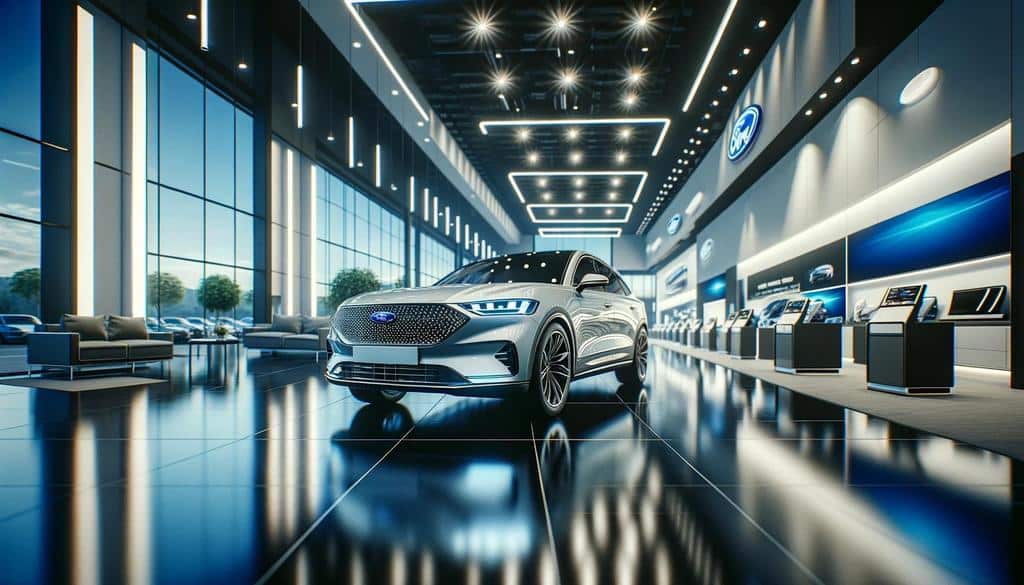
If you buy a new car, you’ll be missing out on some of those advantages. But you’ll also be gaining some benefits of your own:
Less Due Diligence Necessary
When buying a used car, you do need to perform some due diligence. You want to make sure there aren’t any hidden mechanical issues and that you’re buying on a genuinely trustworthy platform. It’s still important to do research and some due diligence when shopping for a new car, but the demands are a bit lower.
Lower Maintenance Costs
Buying a new car is significantly more expensive than buying a used one, but one of the perks is reduced maintenance costs throughout your ownership. There are extremely reliable used cars out there, but it’s hard to beat the structural integrity and polish of something fresh off the line.
Customization Potential
You’ll have far more customization options when shopping for a new vehicle. Another factor to consider is where you buy your used car. While exploring places to get the best deals, you might be looking for a reputable dealership offering high-quality options and excellent service.
For instance, if you’re in Houston, you’d likely want to check out a trusted Houston car lot that guarantees customer satisfaction and hassle-free buying experiences. The used car market is diverse, with an overwhelming abundance of options, but only when buying new do you get to take the reins of your own creation from the beginning.
Latest in Tech and Safety
Generally speaking, newer cars are safer cars. They tend to be equipped with the latest and greatest technologies, and they meet all the latest safety standards. Used cars from recent years have very similar technology and safety features available, but only by buying new can you access the latest features.

The Most Important Factors to Consider
As we’ve seen, there are good reasons to consider both used and new cars when shopping for a vehicle. Accordingly, the decision boils down to you. These are some of the most important factors to consider if you’re still torn between buying used and buying new:
Overall priorities
Much depends on your individual disposition. Is it more important for you to have a car with a slightly bigger digital screen, or is it more important for you to stay within the confines of your budget? Is there a customization combo that you can’t live without or are you open to more unique options?
Budget
Your budget may also dictate your direction. It’s possible to find a good deal on a new car, but if you’re being conscientious about price in any capacity, it’s hard to beat the values you can find on a used car lot.
Personal preferences
Your decision also depends on your unique personal preferences. Is there a specific model that you want? Do you just like the smell and feeling of driving a new car? Do you enjoy the process of researching and evaluating used cars?
Matching Your Car Purchase to Your Lifestyle
Both used cars and new cars have impressive advantages worth considering. If you have the budget for it, buying new could give you more peace of mind and greater flexibility for customization. But for many people, the right move is to buy used, where you’ll have more options, lower prices, and better value retention well into the future.

Making Your Car Buying Decision
In the debate between new and used cars, the decision ultimately rests on your individual needs and priorities. While new cars offer the latest features, customizations, and potentially lower maintenance costs, used cars provide diverse options, lower prices, and minimized depreciation. By assessing your priorities, budget constraints, and personal preferences, you can determine whether the allure of a new car’s innovations or the practical benefits of a used car’s value retention align better with your needs. Ultimately, the best choice is the one that suits your lifestyle and financial considerations, ensuring a satisfying driving experience for years to come.


