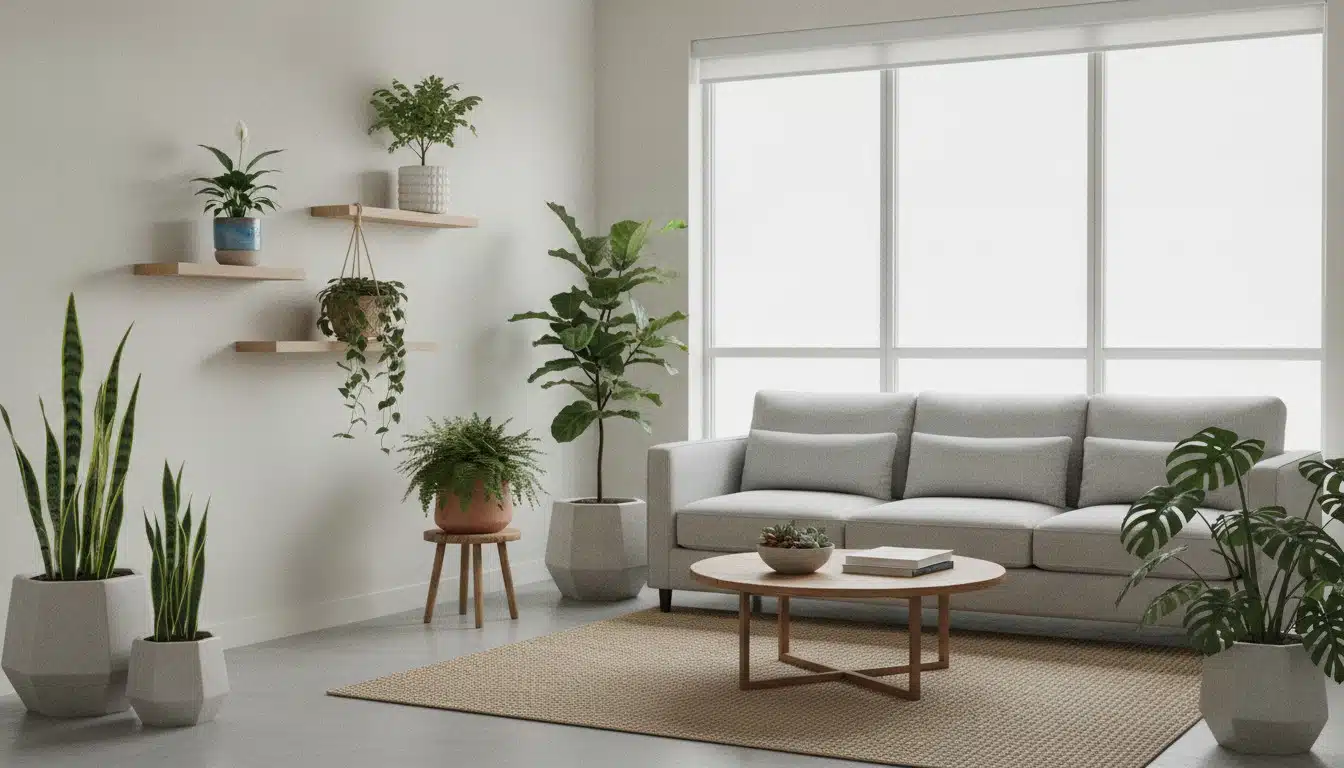
Indoor plants do far more than brighten a room. For decades, specific houseplants have been promoted as natural air purifiers, capable of pulling common indoor pollutants such as formaldehyde, benzene, and trichloroethylene out of the air. This guide brings together the best indoor plants for air purification, along with the practical details that matter most: how much light and water each one needs, where to place it, what it costs, whether it attracts pests, and whether it is safe for pets.
Before diving in, it is worth being honest about the science. The claim that houseplants clean indoor air traces back to a 1989 NASA study, but a more recent peer-reviewed analysis found that you would need a very large number of plants to match the air-cleaning power of ordinary ventilation. We explain both sides below so you can make an informed decision, whether you are in the United States or elsewhere.
How Indoor Plants Purify Air
The 1989 NASA Clean Air Study
In 1989, NASA researcher B.C. Wolverton and his team published the Clean Air Study, which tested whether common houseplants could remove volatile organic compounds (VOCs) from the air. The motivation was practical: finding biological ways to keep the air inside space stations clean. The study found that certain plants, working together with the microbes living in their soil, could absorb and break down chemicals, including benzene, formaldehyde, and trichloroethylene. The results produced the now-famous ranking of air-purifying plants, several of which appear below.
What the Science Says Today
The 1989 findings were real, but they were measured inside sealed laboratory chambers, which are very different from a living room or office. A 2019 review by researchers at Drexel University, published in the Journal of Exposure Science and Environmental Epidemiology, reanalyzed 30 years of chamber studies and translated the results into a real-world air-cleaning rate. The conclusion: a single potted plant cleans air so slowly that it would take roughly 10 to 1,000 plants per square meter of floor space to match what a building’s normal ventilation already provides.
Normal ventilation is the steady exchange of indoor air with outdoor air that happens through open windows and doors, small gaps in the building, and heating, cooling, and ventilation (HVAC) systems. In a typical home this works out to roughly one complete air change every hour, which dilutes and removes pollutants far faster than a plant can. So while these plants really do absorb volatile organic compounds, air cleaning is not their strongest suit.
That does not make them pointless. A 2022 systematic review and meta-analysis found that indoor plants measurably lowered diastolic blood pressure and improved cognitive performance, and other studies link them to reduced stress, better mood, and higher productivity. Leaves also release moisture through transpiration, which can gently raise humidity in dry indoor air.
For a plain-language overview of the role of indoor plants in air quality, see our related guide. The practical takeaway is to enjoy plants for their many well-documented benefits while treating ventilation and source control as your primary tools for cleaner air.
Common Indoor Air Pollutants
To understand which plant does what, it helps to know the pollutants involved and where they come from.
- Formaldehyde: Found in pressed-wood furniture, flooring, carpets, and some glues and finishes.
- Benzene: Released by some plastics, synthetic fibers, paints, detergents, and tobacco smoke.
- Trichloroethylene: Used in printing inks, paints, varnishes, and adhesives, and sometimes in dry cleaning.
- Xylene and toluene: Common in paints, paint thinners, and adhesives.
- Ammonia: Present in many household cleaners, fertilizers, and some window cleaners.
- Carbon monoxide: From gas appliances, fireplaces, and vehicle exhaust.
The 12 Best Air-Purifying Indoor Plants
The plants below are among those most frequently cited in air-purification research. For each, we list the pollutants it is associated with removing, its care requirements, best placement, typical cost, availability, pest tendencies, and pet safety. Prices are typical retail ranges in the United States and may vary by region.
1. Snake Plant (Dracaena trifasciata)
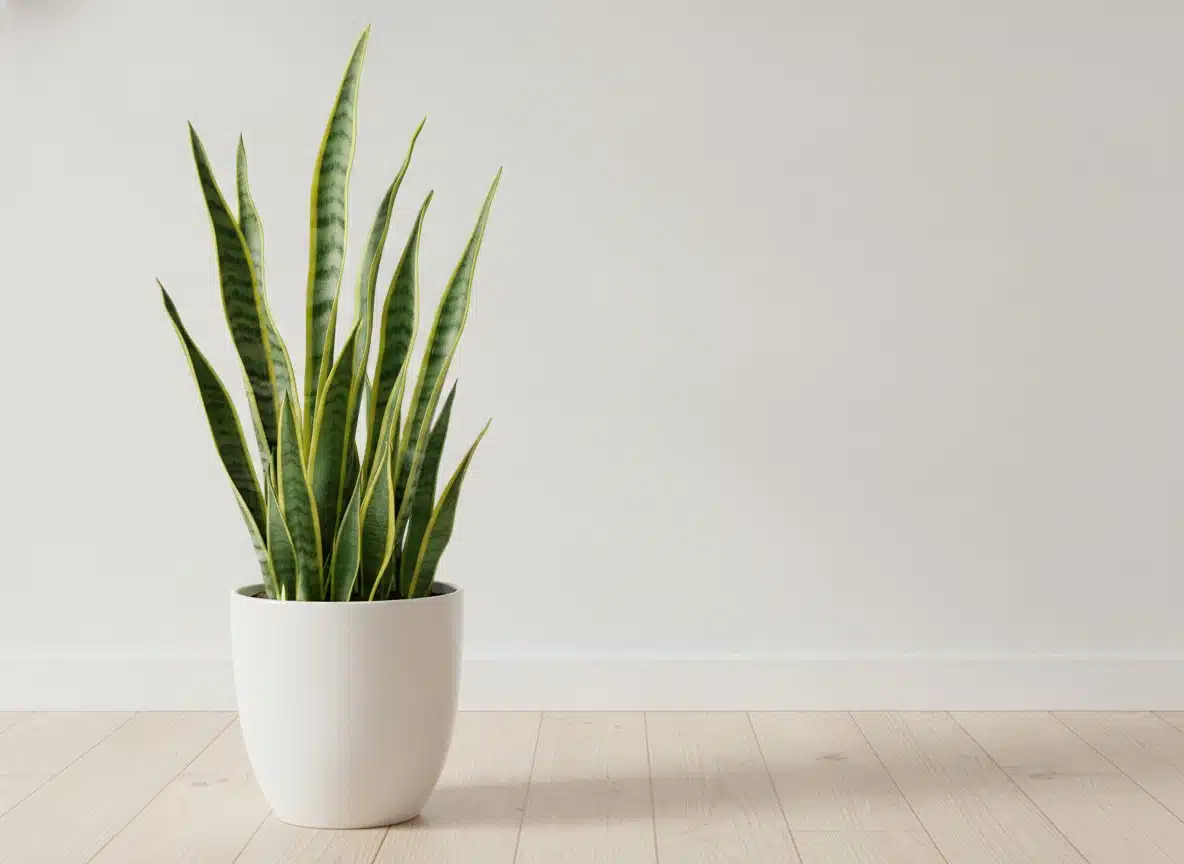
Also called the mother-in-law’s tongue, the snake plant is one of the most forgiving houseplants available. In NASA-related testing it was associated with removing formaldehyde, benzene, trichloroethylene, and xylene, and it removed about 52 percent of benzene in a sealed chamber over 24 hours. As a bonus, snake plants are among the few houseplants that release oxygen at night rather than during the day, which is why they are often recommended for bedrooms.
- Light: Low to bright indirect light; tolerates almost anything except prolonged harsh sun.
- Water: Let the soil dry out completely between waterings, roughly every two to six weeks depending on the season.
- Humidity: Adapts to dry indoor air; no misting needed.
- Best position: Bedroom, living room, or entryway; its upright form works well in corners and narrow spaces.
- Pests: Generally pest-resistant, though overwatering can invite fungus gnats or root rot.
- Typical price: $10 to $30 for a 6- to 10-inch pot.
- Availability: Very easy to find at garden centers, big-box stores, and online.
- Pet safety: Mildly toxic to cats and dogs (saponins); can cause nausea or vomiting if eaten.
2. Spider Plant (Chlorophytum comosum)
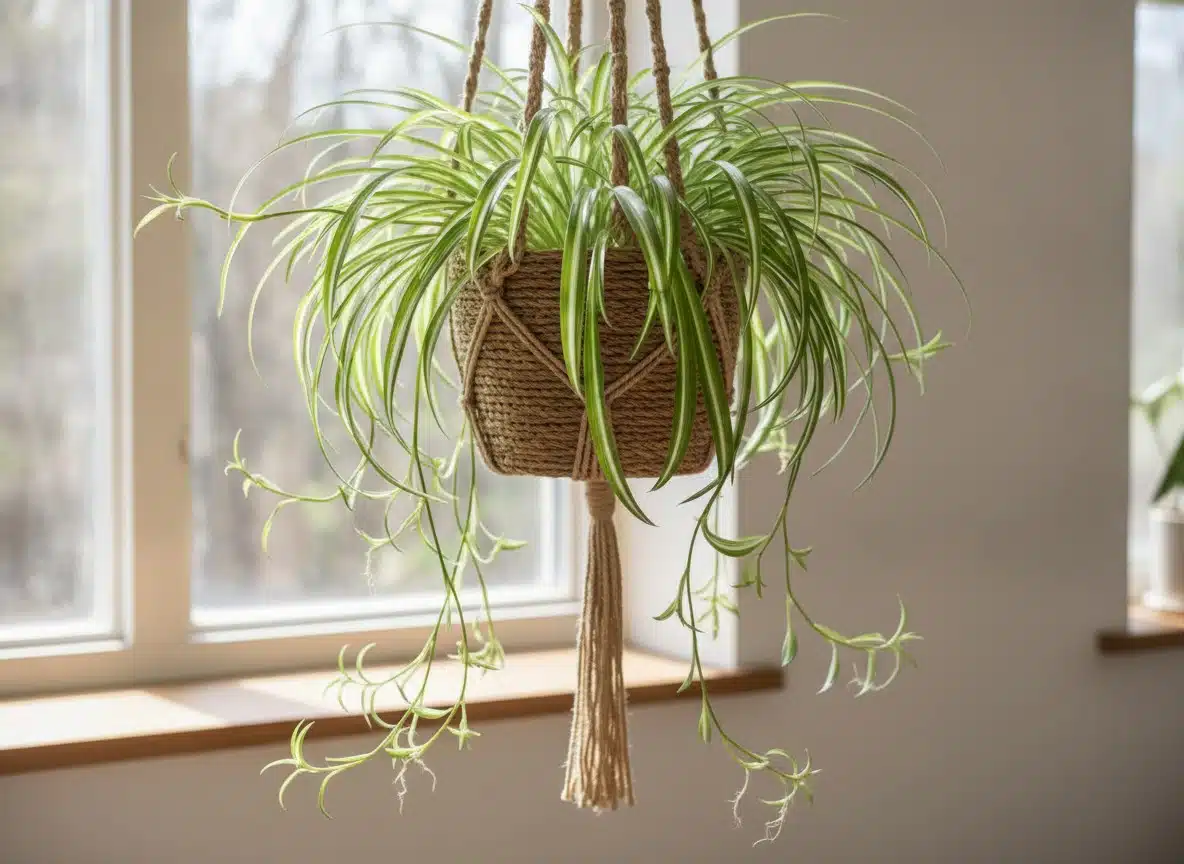
The spider plant is a fast-growing favorite with arching, green-and-white striped leaves and trailing spiderettes. It is frequently cited for removing formaldehyde as well as xylene and toluene, and one sealed-chamber test found it removed up to 95 percent of formaldehyde within 24 hours.
- Light: Bright, indirect light is ideal; tolerates low light but may lose its variegation.
- Water: Keep soil lightly moist during the growing season; water about once a week and reduce in winter.
- Humidity: Prefers average humidity but is adaptable.
- Best position: Hanging baskets, shelves, or plant stands in kitchens and living areas.
- Pests: Rarely troubled; occasional aphids or mealybugs. Brown leaf tips usually mean dry air or fluoride in the water.
- Typical price: $5 to $20.
- Availability: Very easy to find and easy to propagate from its offshoots.
- Pet safety: Non-toxic to cats and dogs.
3. Peace Lily (Spathiphyllum)
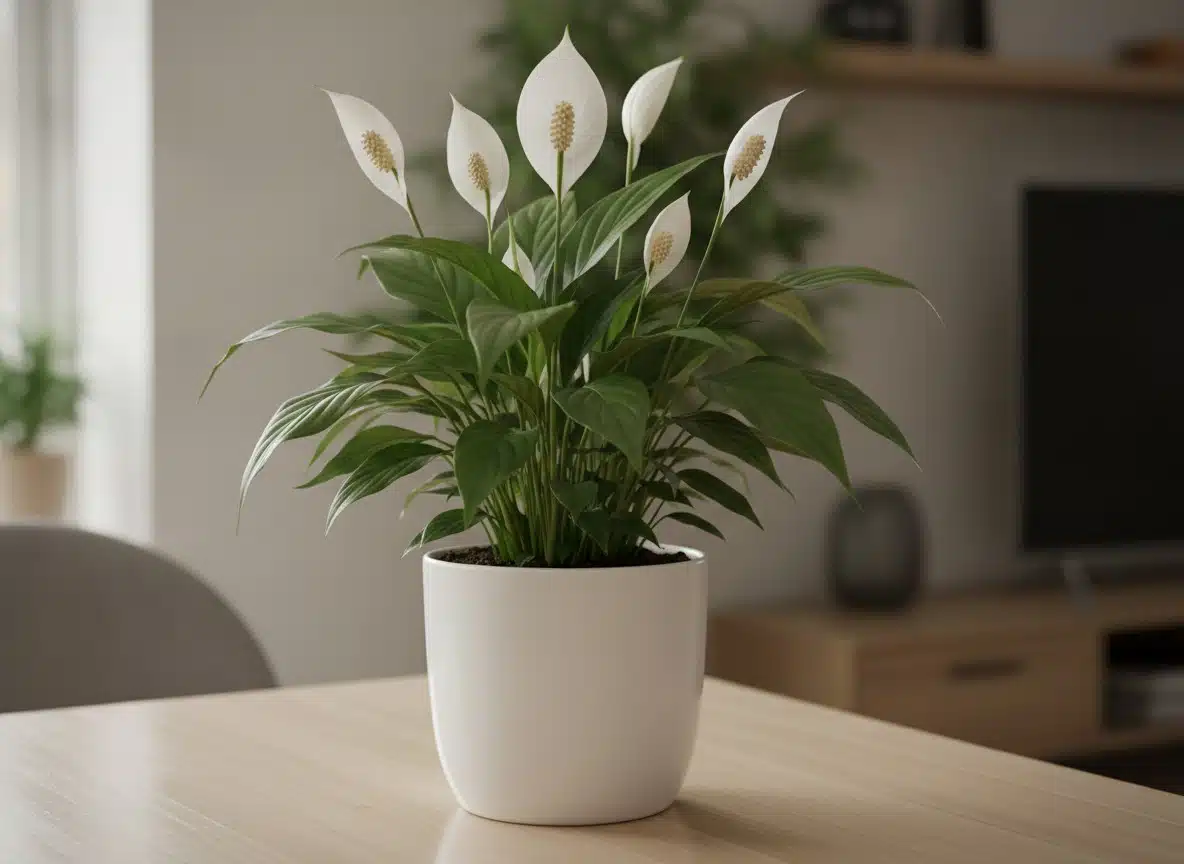
The peace lily was the standout of NASA’s original testing: it was the only plant associated with removing all five pollutants measured (formaldehyde, benzene, trichloroethylene, xylene, and ammonia). It also produces elegant white blooms with very little light.
- Light: Low to medium indirect light; direct sun can scorch the leaves.
- Water: Keep soil consistently moist; it visibly droops when thirsty and recovers after watering, roughly once a week.
- Humidity: Appreciates higher humidity; a bathroom or regular misting helps.
- Best position: Living rooms, offices, and bathrooms away from cold drafts.
- Pests: Fairly resistant, though mealybugs and scale can occasionally appear.
- Typical price: $15 to $40 depending on size.
- Availability: Easy to find year-round.
- Pet safety: Toxic to cats and dogs (insoluble calcium oxalates); causes oral irritation, drooling, and vomiting if chewed.
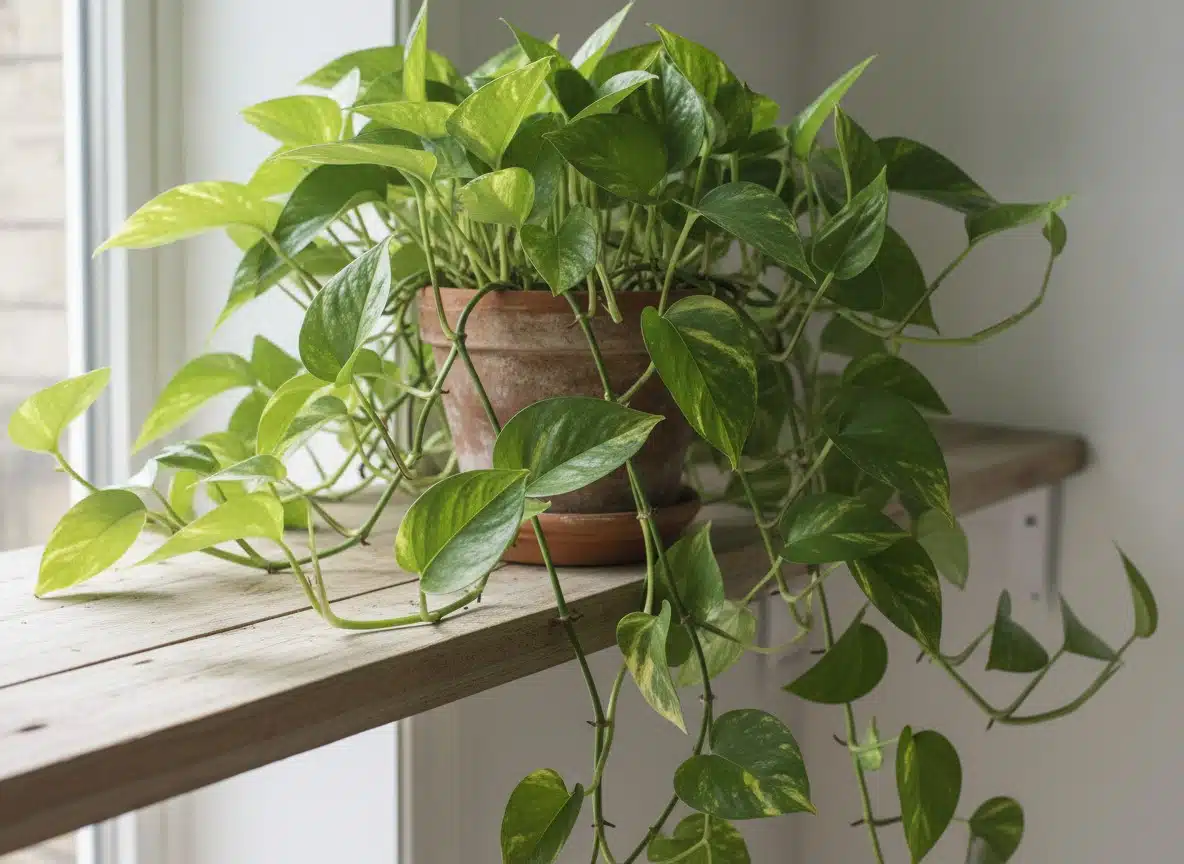
4. Golden Pothos (Epipremnum aureum)
Also called devil’s ivy, golden pothos is a trailing vine that tolerates neglect. It is associated with removing formaldehyde, benzene, and carbon monoxide, and it removed about 73 percent of benzene in one sealed-chamber measurement.
- Light: Low to bright indirect light; very adaptable, but variegation fades in deep shade.
- Water: Allow the top inch of soil to dry between waterings, roughly every one to two weeks.
- Humidity: Average household humidity is fine.
- Best position: Shelves, hanging baskets, and trailing from bookcases in offices, bedrooms, or kitchens.
- Pests: Generally resistant; occasional mealybugs.
- Typical price: $5 to $25.
- Availability: Very easy to find and extremely easy to propagate from cuttings.
- Pet safety: Toxic to cats and dogs (calcium oxalates); can irritate the mouth and stomach.
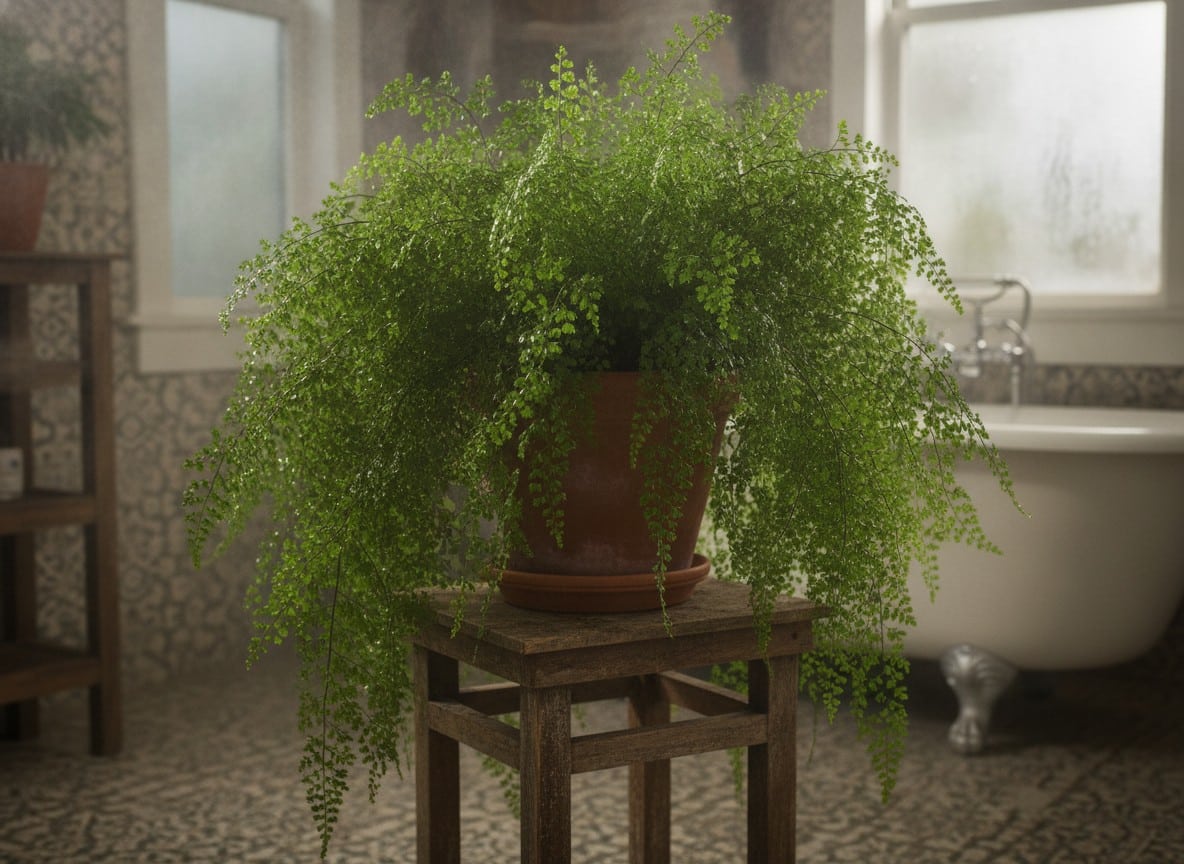
5. Boston Fern (Nephrolepis exaltata)
The Boston fern was one of the top formaldehyde removers in the NASA dataset, and it is also associated with removing xylene and toluene. Its lush fronds add noticeable humidity to a room, which makes it popular in bathrooms.
- Light: Bright, indirect light; avoid direct sun.
- Water: Keep soil consistently moist and water frequently, often two to three times a week in warm weather.
- Humidity: Needs high humidity; mist regularly or set the pot on a pebble tray.
- Best position: Bathrooms, kitchens, or any humid room, ideally in a hanging basket.
- Pests: More prone to spider mites in dry air, along with scale and mealybugs; watch the leaf tips for browning.
- Typical price: $10 to $30.
- Availability: Widely available, especially in spring and summer.
- Pet safety: Non-toxic to cats and dogs.
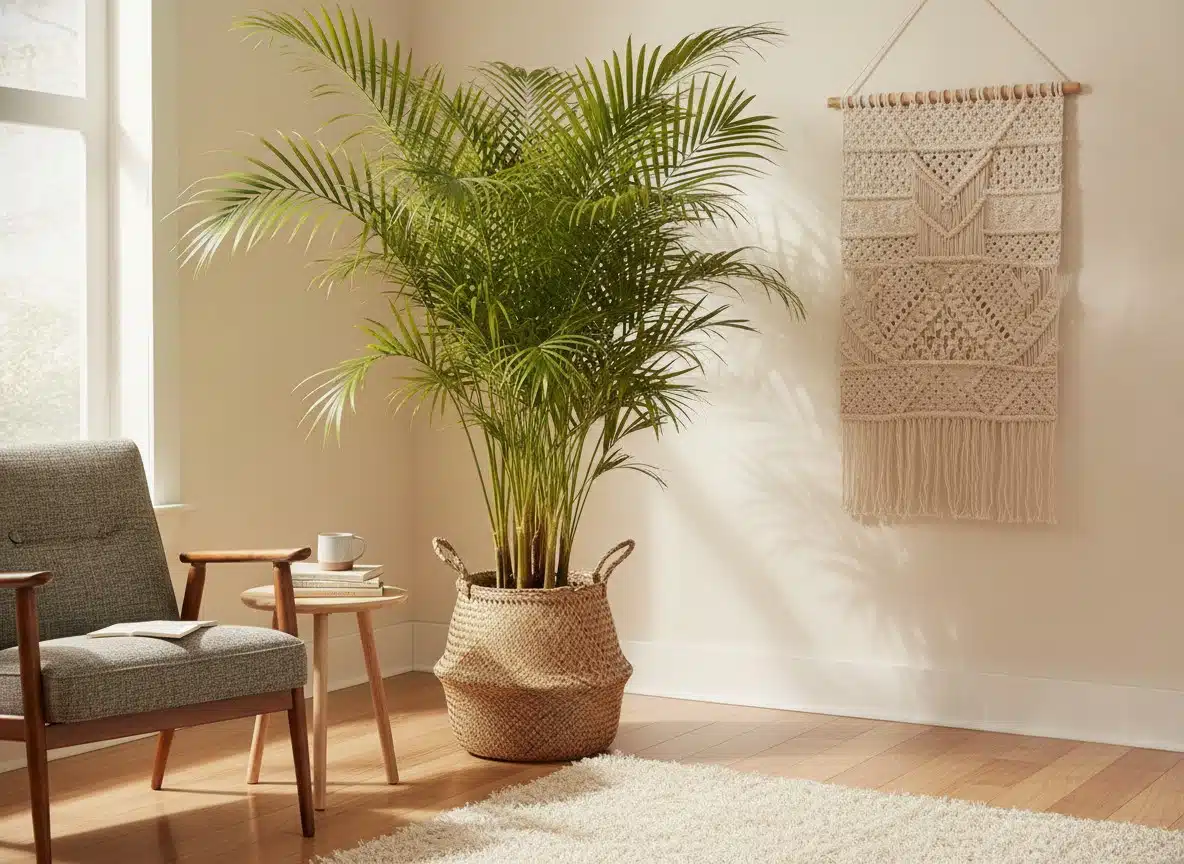
6. Areca Palm (Dypsis lutescens)
The areca palm, sometimes called the butterfly palm, brings a tropical feel and is associated with removing xylene and toluene as well as formaldehyde. It is also a natural humidifier, releasing moisture as it transpires.
- Light: Bright, indirect light near an east-, south-, or west-facing window.
- Water: Water when the top of the soil feels dry, roughly every one to two weeks; keep soil lightly moist but not soggy.
- Humidity: Appreciates humidity but tolerates average indoor air.
- Best position: A bright living room or bedroom corner where it has room to spread.
- Pests: Can attract spider mites and mealybugs, especially in dry indoor air.
- Typical price: $20 to $60 for larger specimens.
- Availability: Easy to find at nurseries and garden centers.
- Pet safety: Non-toxic to cats and dogs.
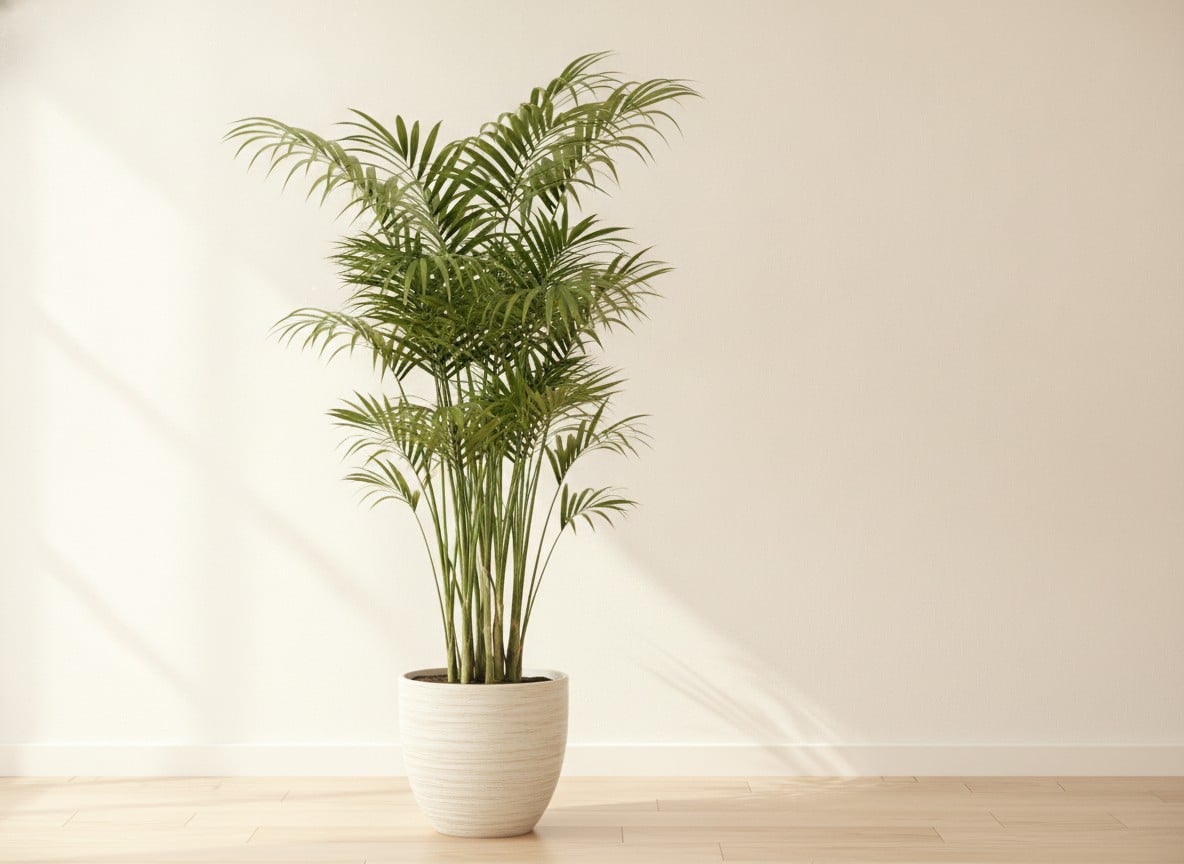
7. Bamboo Palm (Chamaedorea seifrizii)
The bamboo palm is a compact, shade-tolerant palm included in NASA’s original testing, where it was associated with removing formaldehyde, benzene, and trichloroethylene. Its manageable size makes it a good choice for smaller rooms.
- Light: Low to bright indirect light; handles shade well.
- Water: Keep soil evenly moist but well-drained; water when the surface begins to dry.
- Humidity: Enjoys humidity but adapts to average conditions.
- Best position: Living rooms, offices, and low-light corners away from direct sun.
- Pests: Occasionally affected by spider mites and scale; wipe the fronds occasionally.
- Typical price: $15 to $45.
- Availability: Moderately easy to find at nurseries and online.
- Pet safety: Non-toxic to cats and dogs.
8. English Ivy (Hedera helix)
English ivy was one of the strongest performers in NASA’s testing, removing more benzene than any other plant tested (nearly 90 percent in 24 hours) along with formaldehyde, trichloroethylene, and xylene. It is a trailing climber that suits shelves and hanging pots.
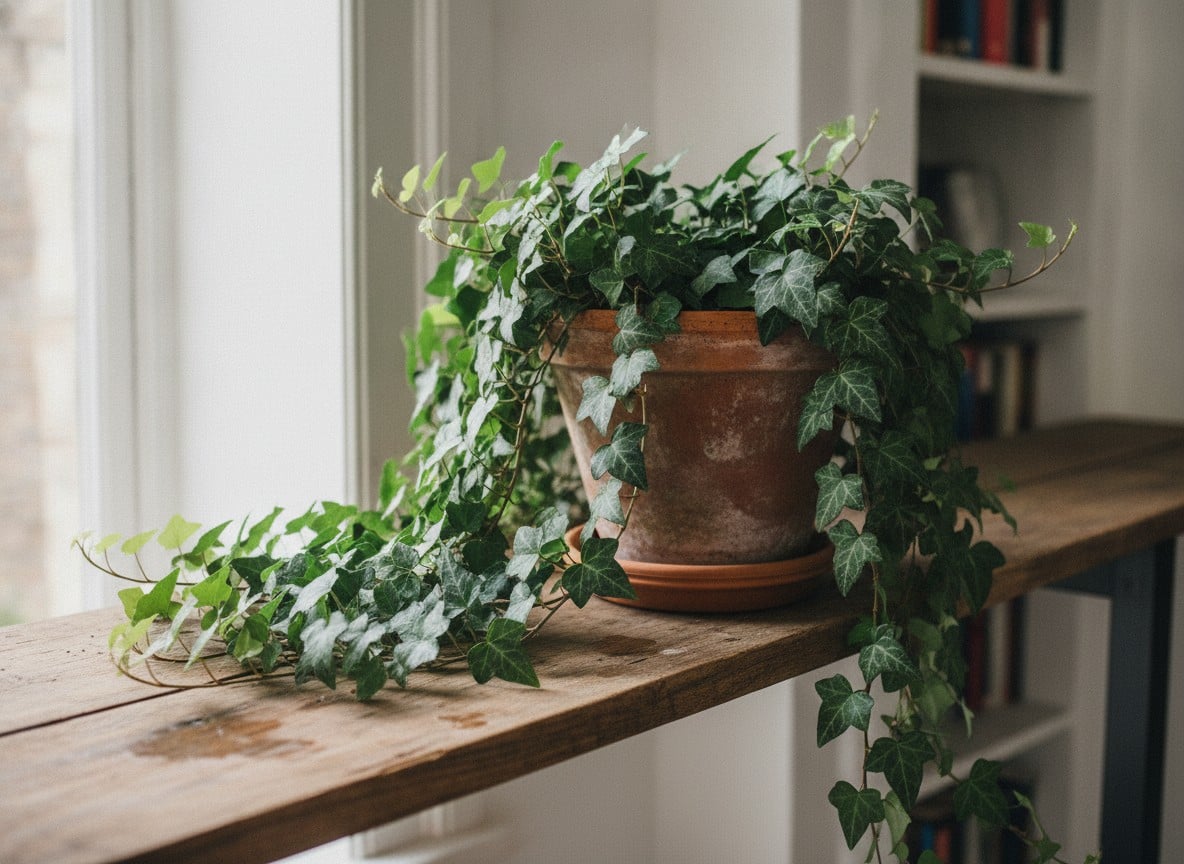
- Light: Medium to bright indirect light; it prefers a cooler room.
- Water: Keep soil moist but not waterlogged; water about once a week.
- Humidity: Likes humidity and cool temperatures; occasional misting helps.
- Best position: Hanging baskets, shelves, or the top of a cabinet, away from direct sun.
- Pests: Fairly prone to spider mites in dry indoor air; inspect the undersides of leaves.
- Typical price: $5 to $25.
- Availability: Easy to find and easy to root from cuttings.
- Pet safety: Toxic to cats and dogs; can cause drooling, vomiting, and diarrhea if eaten.
9. Rubber Plant (Ficus elastica)
The rubber plant is a bold, glossy-leaved floor plant associated with removing formaldehyde. Its large leaves provide a large surface area, and it is one of the more durable larger houseplants for beginners.
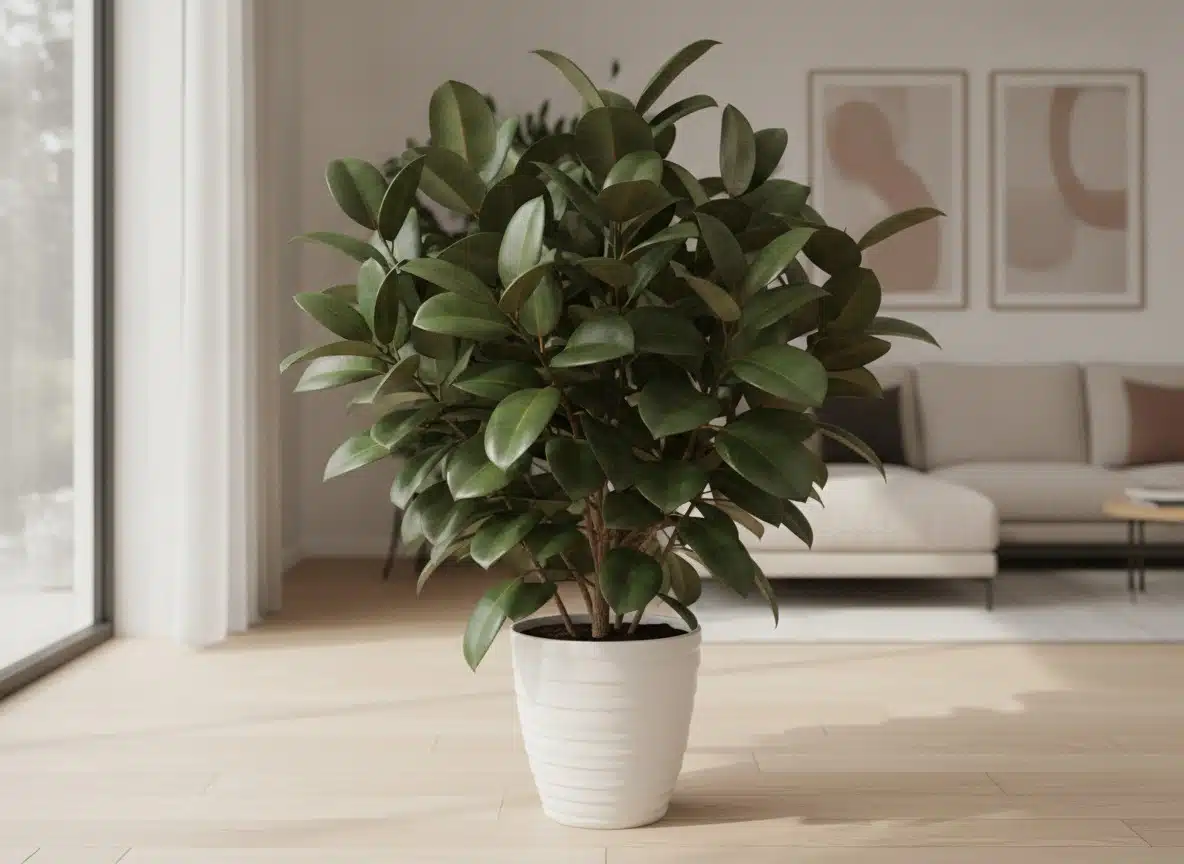
- Light: Bright, indirect light; some direct morning sun is tolerated.
- Water: Allow the top of the soil to dry between waterings, roughly every one to two weeks.
- Humidity: Average humidity is fine; wipe the leaves occasionally to keep them dust-free.
- Best position: A bright living room, hallway, or home office where it can grow tall.
- Pests: Can attract scale, mealybugs, and spider mites; inspect regularly.
- Typical price: $15 to $60 depending on height.
- Availability: Easy to find at nurseries and garden centers.
- Pet safety: Mildly toxic to cats and dogs; may cause mouth or stomach irritation.
10. Dracaena (Dracaena fragrans and Dracaena marginata)
Several dracaenas ranked highly in the NASA dataset. The corn plant (Dracaena fragrans ‘Janet Craig’) was associated with removing benzene, formaldehyde, and trichloroethylene, as was the red-edged dragon tree (Dracaena marginata). They are tall, architectural plants suited to corners and low-light rooms.
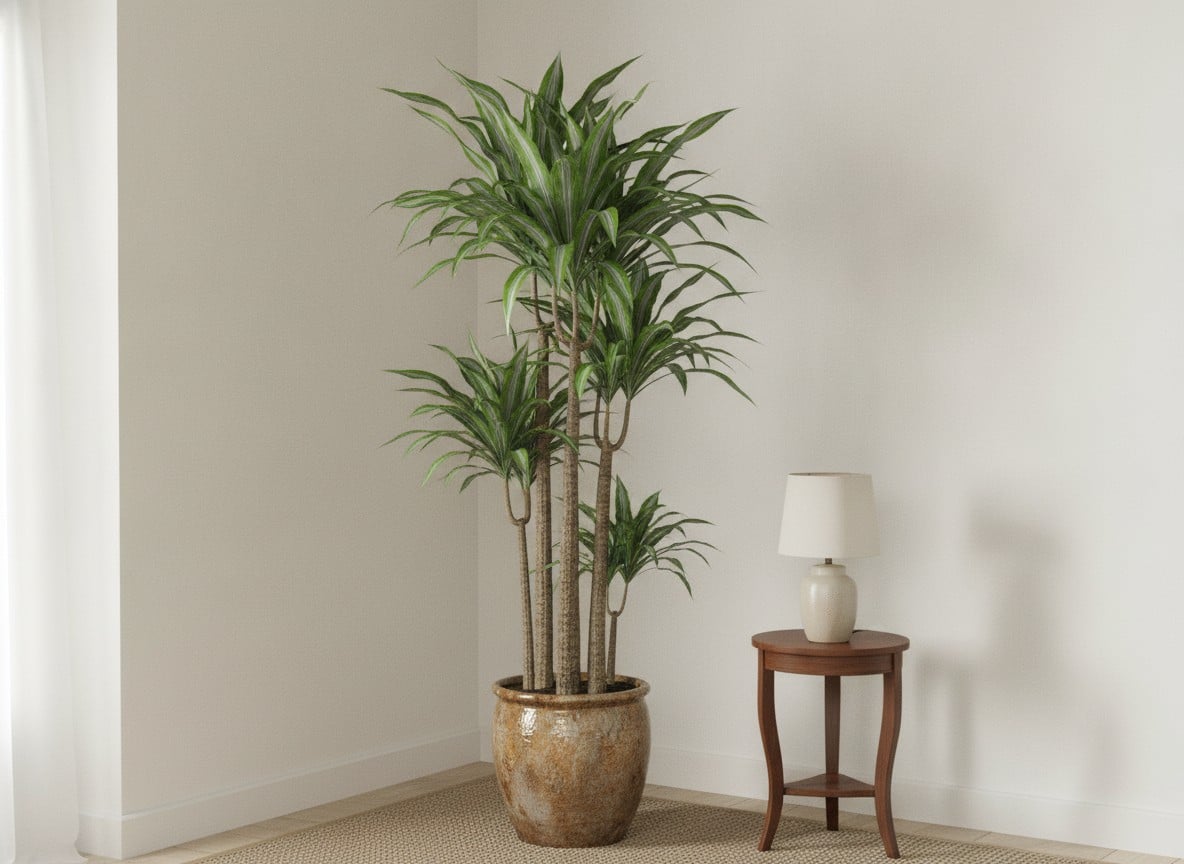
- Light: Low to medium indirect light; keep out of direct sun.
- Water: Allow the top inch of soil to dry, roughly every one to two weeks; avoid fluoridated water, which can brown the leaf tips.
- Humidity: Average household humidity is fine.
- Best position: Living rooms, offices, and hallways with a little vertical space.
- Pests: Occasional spider mites, scale, or mealybugs.
- Typical price: $15 to $60 depending on height.
- Availability: Easy to find.
- Pet safety: Toxic to cats and dogs (saponins); can cause vomiting and drooling.
11. Aloe Vera (Aloe barbadensis)
Aloe vera is best known for the soothing gel in its leaves, but it is also listed in air-purification research for removing benzene and formaldehyde. It is a succulent, so it asks very little in terms of water.
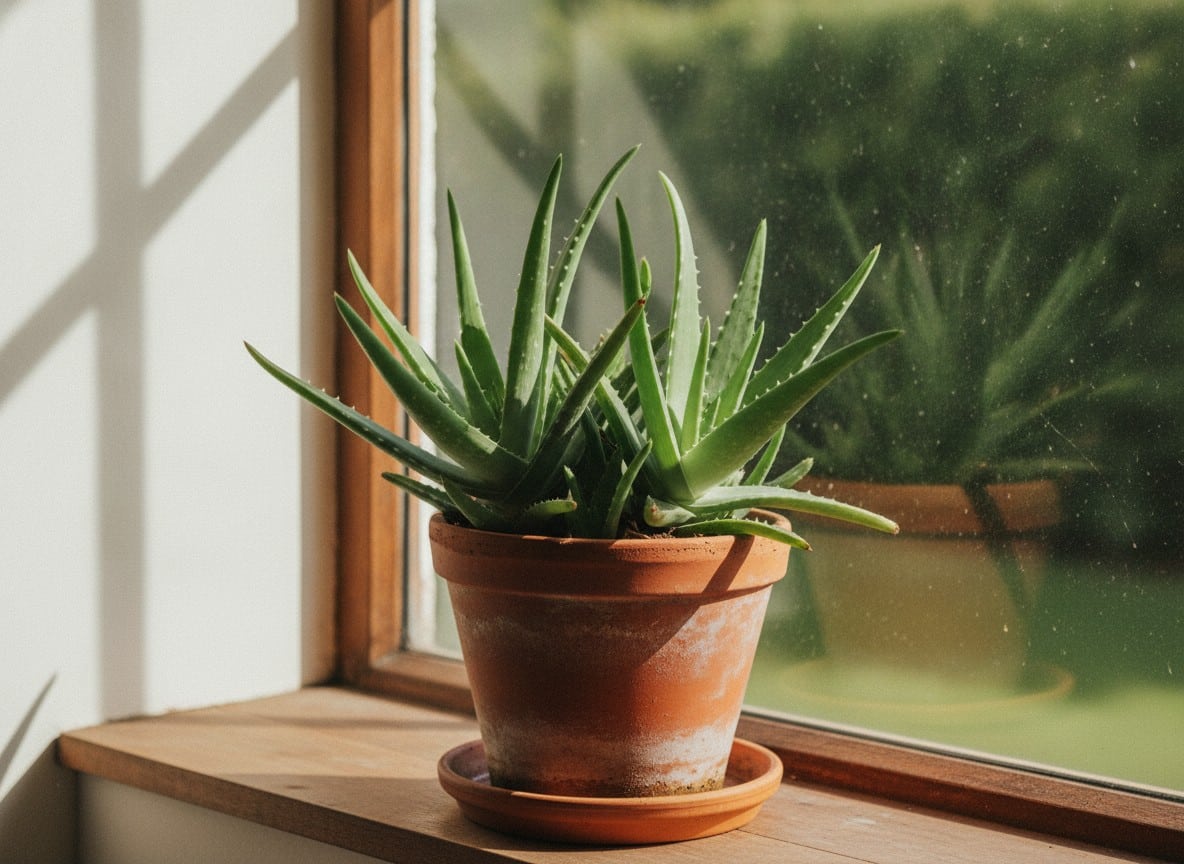
- Light: Bright, direct to indirect light; a sunny windowsill is ideal.
- Water: Let the soil dry out completely between waterings, roughly every two to three weeks.
- Humidity: Prefers dry, low-humidity conditions.
- Best position: Kitchen windowsills and sunny spots where its gel is within reach for minor burns.
- Pests: Occasionally affected by mealybugs and scale; avoid overwatering.
- Typical price: $5 to $20.
- Availability: Very easy to find and easy to propagate from its pups.
- Pet safety: Toxic to cats and dogs (saponins and anthraquinones); can cause vomiting and diarrhea.
12. Chinese Evergreen (Aglaonema)
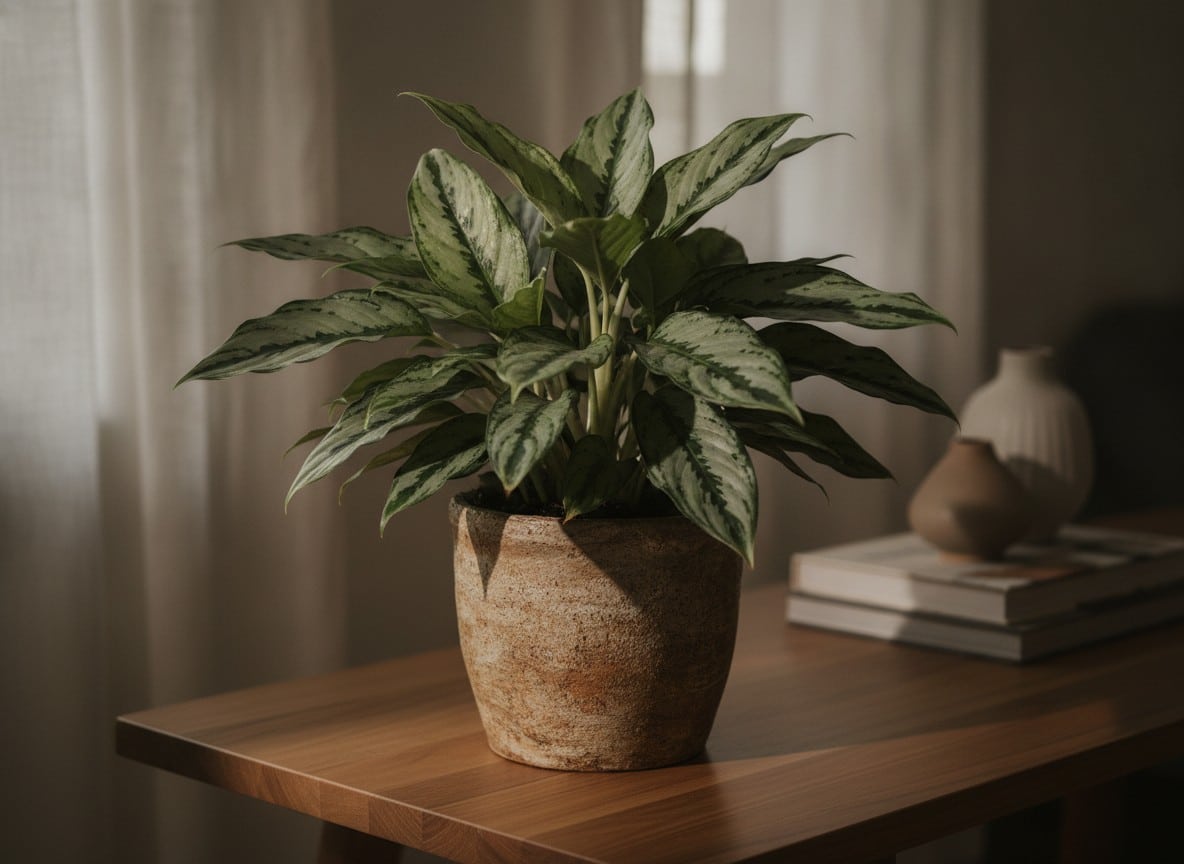
Chinese evergreen is one of the best houseplants for low-light rooms, and NASA-era testing associated it with removing benzene and formaldehyde. Its silvery, patterned leaves make it as attractive as it is tolerant.
- Light: Low to medium indirect light; one of the most shade-tolerant options.
- Water: Allow the top of the soil to dry between waterings, roughly every one to two weeks.
- Humidity: Prefers moderate to high humidity but adapts well.
- Best position: Offices, bathrooms, and other low-light rooms.
- Pests: Can attract mealybugs, aphids, and scale; check the leaf joints.
- Typical price: $10 to $35.
- Availability: Easy to find in a wide range of leaf patterns.
- Pet safety: Toxic to cats and dogs (calcium oxalates); can irritate the mouth and stomach.
Honorable Mentions
Several other plants appeared in air-purification studies and are worth considering:
- Weeping fig (Ficus benjamina): Associated with formaldehyde, benzene, and trichloroethylene removal; slightly fussy about drafts.
- Gerbera daisy (Gerbera jamesonii): Associated with benzene and formaldehyde; needs bright light and blooms frequently.
- Florist’s chrysanthemum (Chrysanthemum morifolium): A strong all-around performer for benzene, formaldehyde, and ammonia, but toxic to pets.
- Flamingo lily (Anthurium andraeanum): Associated with formaldehyde, xylene, and ammonia; toxic to pets.
- Kimberley queen fern (Nephrolepis obliterata): A large, humidity-loving fern associated with formaldehyde, xylene, and toluene.
- Moth orchid (Phalaenopsis): Associated with formaldehyde removal; pet-safe and long-blooming.
- Dwarf date palm (Phoenix roebelenii): Associated with formaldehyde, xylene, and toluene; pet-safe.
How to Choose the Right Air-Purifying Plant
With a dozen options, the right choice comes down to your space, your light, and your household.
- Match the light first: For dim rooms, choose a snake plant, peace lily, pothos, bamboo palm, dracaena, or Chinese evergreen. For bright rooms, ferns, areca palm, aloe vera, and rubber plant thrive.
- Consider pets: If you have cats or dogs, prioritize pet-safe options such as spider plant, Boston fern, areca palm, and bamboo palm, and keep toxic plants well out of reach.
- Think about your schedule: Frequent travelers do well with snake plant, pothos, aloe vera, and dracaena, which forgive missed waterings.
- Use plants as part of a broader strategy: Because a few plants cannot match ventilation, pair them with source control (choosing low-VOC products), regular airing, and, where needed, a HEPA air purifier.
Pet Safety and Plant Toxicity
Many of the most effective air-purifying plants are toxic to cats and dogs. Toxicity ranges from mild mouth irritation to gastrointestinal upset, and it is almost always triggered by chewing or ingesting the leaves. The plants most commonly flagged by the ASPCA toxic and non-toxic plants database include peace lilies, snake plants, pothos, English ivy, aloe vera, dracaena, rubber plants, and Chinese evergreen. Spider plants, Boston ferns, areca palms, and bamboo palms are generally considered non-toxic.
If you have pets and want to keep a toxic plant, place it on a high shelf or in a hanging basket. Contact a veterinarian or the ASPCA Animal Poison Control Center immediately if you suspect your pet has eaten part of a plant.
Frequently Asked Questions
How many plants do I need to purify a room?
To match the air-cleaning rate that normal ventilation already provides, you would need roughly 10 to 1,000 plants per square meter of floor space, according to a peer-reviewed 2019 analysis by researchers at Drexel University. Normal ventilation is the steady exchange of indoor air with outdoor air through windows, doors, and HVAC systems, about one full air change per hour. Rather than chasing an impractical number of plants, most people get more value from their stress-reducing and mood-boosting benefits and rely on ventilation and source control for cleaner air.
Which plant removes the most toxins?
In laboratory testing, the peace lily was the only plant associated with removing all five pollutants measured: formaldehyde, benzene, trichloroethylene, xylene, and ammonia. English ivy, snake plant, and several dracaenas were also strong performers.
Are air-purifying plants safe for pets?
Not all of them. Spider plants, Boston ferns, areca palms, and bamboo palms are generally safe, but peace lilies, snake plants, pothos, English ivy, aloe vera, dracaena, rubber plants, and Chinese evergreen are toxic to cats and dogs if ingested.
Do plants really improve indoor air quality?
Plants do remove some volatile organic compounds in sealed laboratory conditions, but at rates far too slow to noticeably clean a real room compared with ventilation. They are best treated as a complement to good airflow and source control rather than a substitute for an air purifier.
Which air-purifying plant is easiest to keep alive?
Snake plants and golden pothos are widely considered the easiest, tolerating low light and infrequent watering. Aloe vera is also very forgiving as long as it gets bright light.
Final Thoughts
Indoor plants for air purification are best understood with a little nuance. The plants in this guide are genuinely associated with removing pollutants in controlled studies, and they bring real, well-documented benefits for mood, focus, and the feel of a room. What they cannot do is replace good ventilation or a dedicated air purifier. The smart approach is to choose plants that fit your light, your schedule, and your pets, then enjoy them for what they are: a simple, living way to make your home healthier and more pleasant.