
Your attic hits 140 degrees on an August afternoon, and your air conditioner runs from noon until midnight without ever catching up. That’s not a ventilation problem. It’s a roof problem, and the material sitting over your head is the single biggest lever you own.
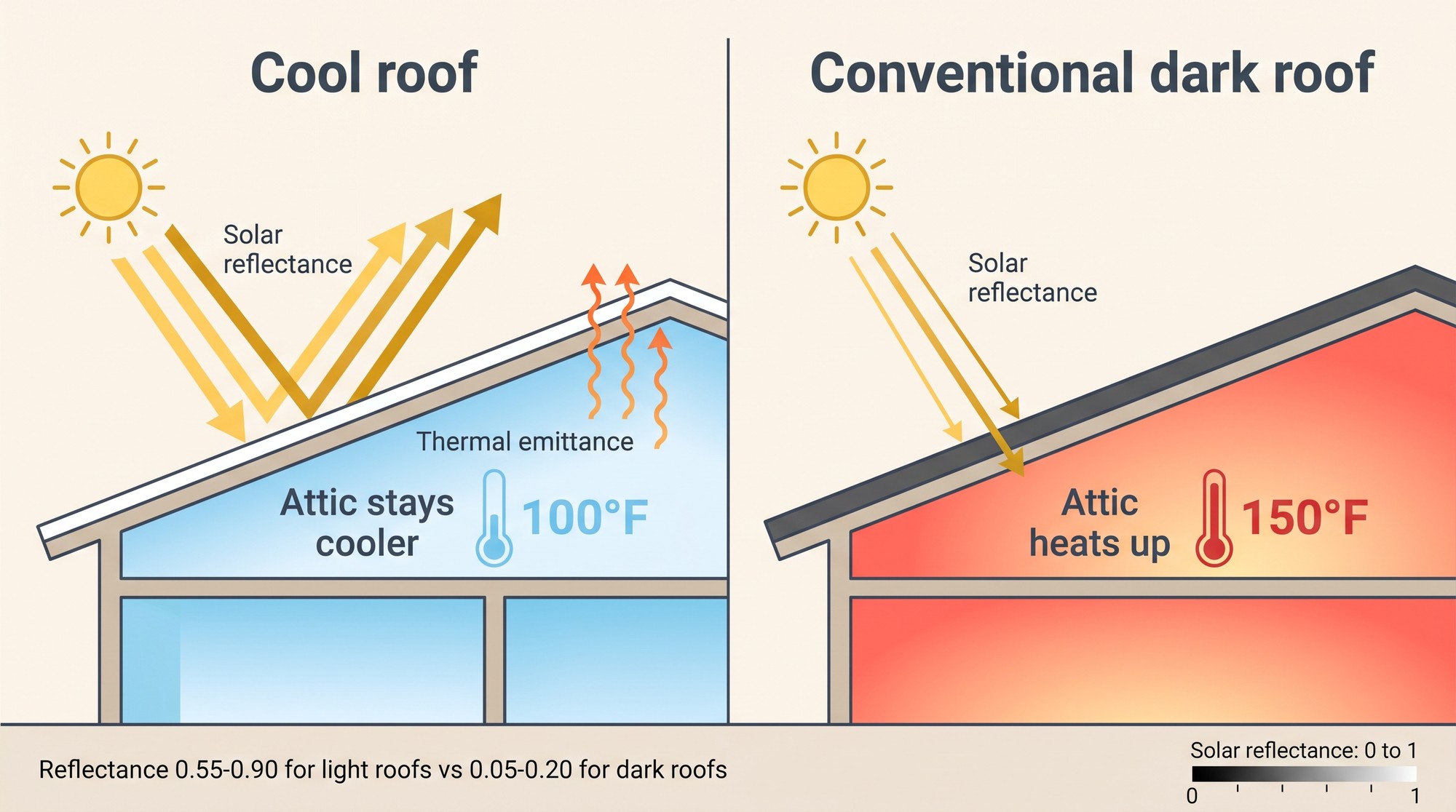
Heat-reflective roofing, sometimes called a cool roof, is the practice of choosing and installing a covering that bounces solar radiation back into the sky instead of absorbing it into your house. The idea is old. The execution is where most homeowners get it wrong, and the stakes are real: on a sunny summer afternoon, a conventional dark roof can reach 150 degrees Fahrenheit or more, while a reflective one under identical conditions stays 50 to 60 degrees cooler. Everything underneath pays the difference.
Where you live changes the equation. If you’re in a planned community with strict design review, your color and material choices are already partly decided for you. In places like Irvine, where a great many homes sit inside a village association, selecting a heat-reflective system means balancing reflectance data against an architectural committee’s approved palette. A roofer in Irvine, CA, who works those villages regularly will know which products clear both hurdles before anyone orders material. That distinction matters more than most buying guides admit.
What Makes a Roof “Cool,” Really?
Two numbers decide it: solar reflectance and thermal emittance. Reflectance is how much sunlight the surface bounces away. Emittance is how efficiently it releases the heat it does absorb. A white tile roof can reflect well and still perform poorly if it holds onto heat, which is why material chemistry matters as much as color.
The U.S. Department of Energy publishes cool roof guidance covering baseline definitions and product ratings, and it’s the most reliable starting point available for anyone comparing shingles to tile to coatings. Ratings get expressed as an SRI value, a single score combining reflectance and emittance.
That same scoring logic drives research into the broader question of how roofing materials shape energy efficiency across a whole building envelope.
Here’s the part that frustrates people: a dark roof can still earn a respectable score. Some asphalt shingles use granule coatings engineered to reflect infrared light while looking charcoal gray. You get the color your HOA approves and a decent chunk of the performance. Not the same as white clay tile, but closer than the visual difference suggests.
A Framework for Deciding If It’s Worth It
Homeowners routinely overpay for reflectance they’ll never recover and skip it in cases where it would pay back fast. Use this three-part filter before committing.
Filter one: cooling load. If your summer electric bill spikes well above your winter bill, reflective roofing has room to work. If you run the AC maybe twenty days a year, you’re buying comfort and resale appeal, not savings. Be honest about which one you’re doing.
Filter two: insulation pairing. A cool roof over an uninsulated attic is a half measure. Reflectance slows heat coming in through the deck. Insulation slows it moving into the living space. Do both or the money leaks out the weaker one. Attic insulation is usually cheaper per unit of comfort than a premium roof upgrade, so price that first.
Filter three: roof life remaining. Reflective performance fades. Dirt, biological growth, and oxidation all degrade it over the years. If your current roof has five years left, don’t buy a premium system for reflectance alone. If you’re already re-roofing, the incremental cost of a better-rated product is usually a small fraction of the whole project.
Wildfire Zones Add a Second Requirement
A lot of hillside neighborhoods now sit inside mapped fire hazard areas, and that changes what you can install regardless of how you feel about heat. California requires a fire-rated covering on re-roofs in these zones, and Class A is the top classification you’ll see stamped on product literature. Wood shakes and shingles are prohibited there outright, whatever their rating.
The state’s building code sets out the wildland-urban interface construction requirements behind those ratings, and reading the summary once will save an hour of confusing sales conversation. Ask any contractor to show the Class A listing on the exact product they’re proposing, not the product family. Manufacturers change formulations.
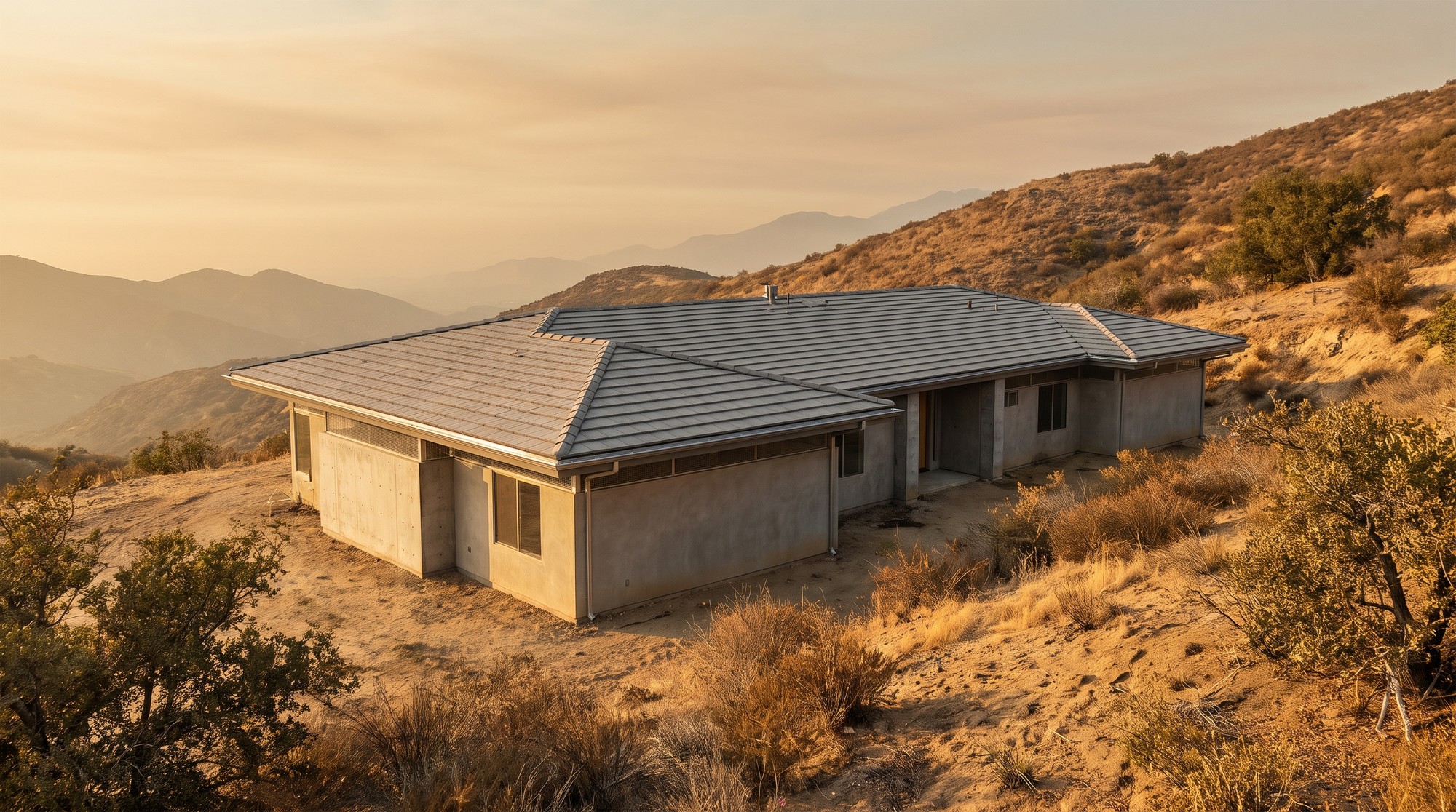
The fire classification reads like a small print detail. It isn’t. A reflective assembly with a weak fire classification forces a rebuild.
The HOA Problem Nobody Budgets For
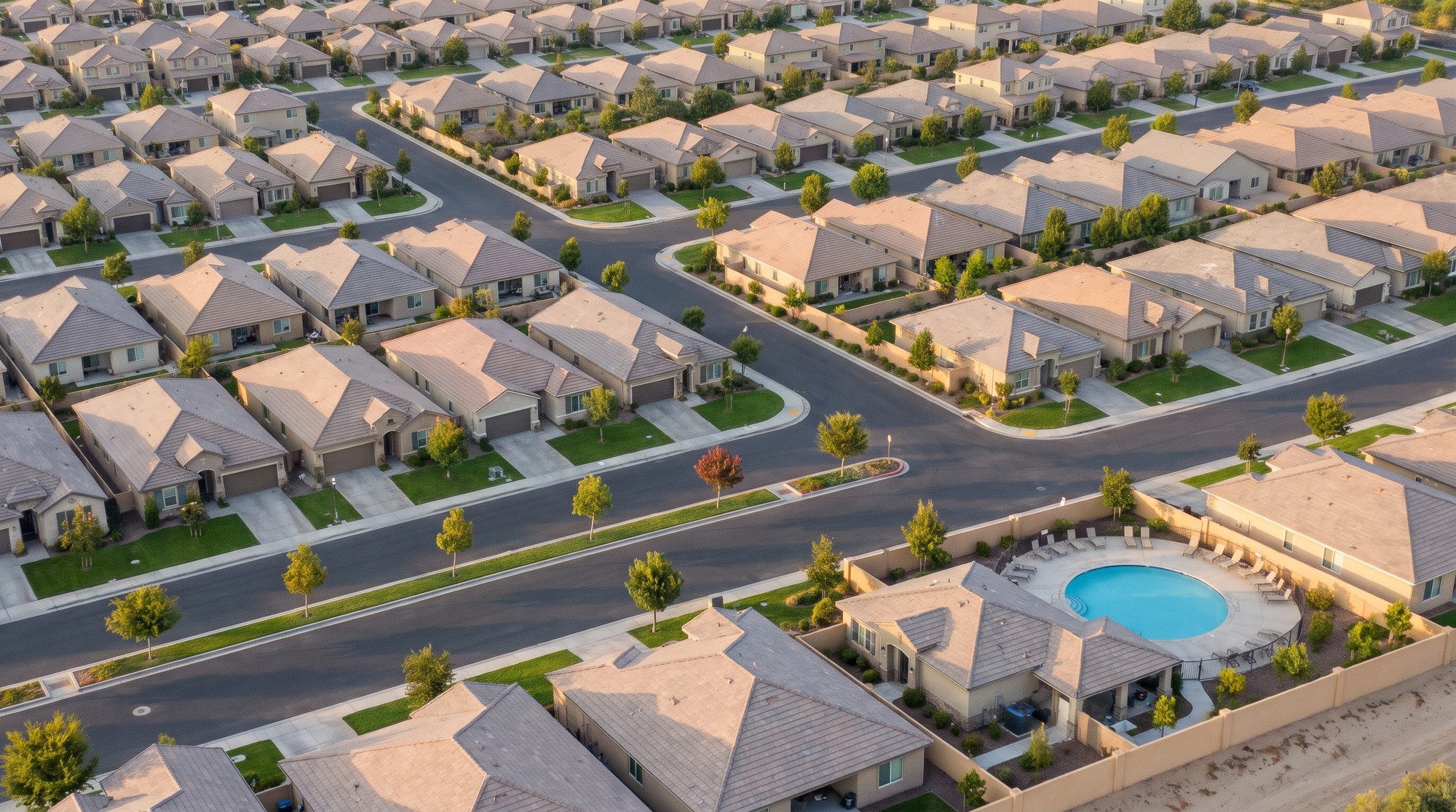
Design review is where cool roofing projects quietly die. The homeowner finds a great product, gets a quote, then learns the association’s approved palette is seven shades of brown and gray.
Two workarounds actually function. The first is asking the manufacturer for the color-matched version of a high-reflectance product. Several major brands publish the same reflectance or near-identical spec across a range of approved colors. The second is asking the HOA for written documentation of their approved list before you solicit bids, not after.
Contractors dislike bidding against a palette that doesn’t exist, and the good ones will ask for those documents anyway.
Where Cool Roofing Helps Your Street, Not Just Your House
There’s a civic angle here that rarely gets mentioned in contractor brochures. Concentrated dark roofs and pavement raise neighborhood temperatures, and the EPA’s heat island research has documented that effect for years. Reflective surfaces across many buildings lower ambient temperature for everyone on the block, including people with no air conditioning at all.
That is the argument worth leading with when convincing a skeptical neighbor or a design committee. It’s not about your electricity bill. It’s about whether the block becomes livable in twenty years.
What a Cool Roof Actually Does to Attic Temperature
On a summer afternoon, a conventional dark roof can sit at 150 degrees Fahrenheit or higher while the air above it is far cooler. The deck beneath that roof radiates heat down into the attic, where temperatures climb well past the outdoor reading. A roof with high solar reflectance and high thermal emittance interrupts that transfer at the surface, so a reflective covering can stay 50 to 60 degrees cooler than traditional materials under identical peak conditions. How much of that reaches the living space depends on insulation.
Does a Cool Roof Lower Energy Bills in Every Climate?
No. The savings are largest where summer cooling demand dominates and air conditioning runs for months. In those homes, the EPA notes cool roofs reduce air-conditioning use and improve indoor comfort, with documented indoor temperature drops of roughly 2 to 6 degrees Fahrenheit in buildings without AC. Where the cooling season is short, the benefit shifts toward comfort, roof longevity, and neighborhood heat reduction rather than utility savings.
A Step-by-Step Plan You Can Run This Month
Pull your last two summer utility bills and compare them to your winter baseline. Write the difference down. That’s the ceiling on what any roof upgrade can realistically save you.
Then request your association’s approved material and color list in writing, along with any fire zone designation for your lot.
Next, get your attic insulation level checked before you price roofs. If it’s low, fix that first.
Ask three contractors for product data sheets, not verbal claims, showing reflectance, emittance, and fire classification on the exact SKU being proposed.
Confirm whether your project stays under the weight threshold that lets it go through the simple permitting path or requires stamped engineering drawings. Material changes often push a project into the second category.
Finally, read the warranty for fade and reflectance exclusions. Many cover leaks to the end of the term and treat performance degradation as normal wear.
What Actually Makes Sense to Choose
Absent a design committee forcing the issue, the strongest pick is a Class A reflective tile on a hot-climate house with good attic insulation, skipping the premium shingle entirely. Tiles hold reflectance longer, handle thermal cycling better, and outlast the payback window comfortably. If tile isn’t allowed or the budget won’t stretch, a reflective-rated shingle in an approved color is a sensible compromise, and both hold up longer than recoating an existing roof every few years. Installing a dark, non-rated product in a hot climate and hoping insulation covers for it is a different matter. It won’t, and the household will feel it every July.
The Bottom Line
Heat-reflective roofing works. It works better when someone checks the weight math, the fire classification, and the association rulebook before the dumpster shows up in your driveway. Most cool-roof disappointments begin with a homeowner buying a product instead of a plan. Get the plan reviewed by someone who has actually pulled permits in your city, and the rest tends to fall into place.
So here’s the question worth sitting with: when your current roof reaches the end of its life, will you replace it with the same thing that’s already been baking your attic, or will you spend one afternoon doing the homework first?


