
In recent years, the shift towards sustainability has revolutionized industries across the globe. This change is fundamentally altering our approach to building construction and maintenance. A growing focus is on selecting materials that minimize environmental impact.
Roofing, traditionally an overlooked aspect of construction, is experiencing a significant transformation. The transition is from conventional, energy-intensive materials to cutting-edge, eco-friendly options. These advancements are set to redefine our perception of construction.
Roofing for a Greener Tomorrow
The push for sustainable roofing materials is not just a trend; it represents a crucial step in the fight against climate change and rising energy costs. As industrial leaders and researchers press forward with numerous groundbreaking innovations, the roofing sector, in particular, stands on the brink of exciting possibilities.
NanoTech Materials and Polyglass U.S.A., Inc. are two such companies leading the charge in sustainable roofing technology. With NanoTech’s ICP™ enhancing heat management and Polyglass’s durable membranes like Modifleece™ boosting energy efficiency, both companies drive eco-friendly innovation in building practices.
From materials that heal themselves to roofs that actively contribute to household energy needs, the modern roofing industry is pulling out all the stops to merge sustainability with functionality.
Roofing Revolution: 2024’s Leap into Sustainable Innovation
In 2024, innovation is redefining the architectural landscape. Transparent wood and self-healing concrete, once science fiction concepts, are now tangible market-ready solutions. Companies are rising to the sustainability challenge, transforming architectural design and construction practices. This surge in technology holds immense potential. It significantly aids in reducing carbon footprints and boosting energy efficiency on a grand scale.
Shift from Tradition: Flaws of Old Roofing Materials
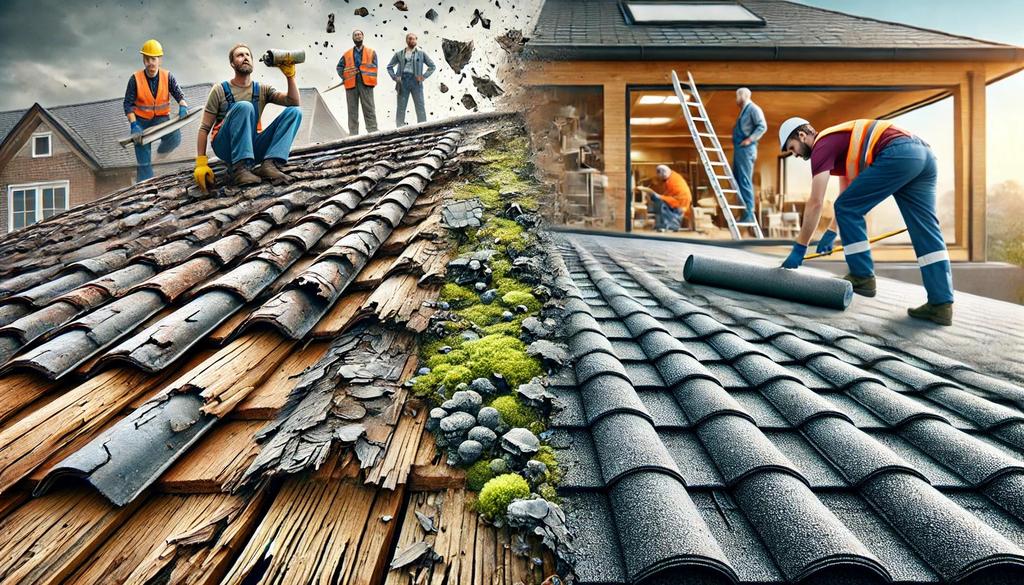
For thousands of years, roofs have primarily protected homes from nature’s forces. Traditional roofing materials like asphalt shingles, clay tiles, and wood offer cost-effectiveness and visual appeal. However, they come with inherent drawbacks that cannot be overlooked.
As we transition to more sustainable and efficient options, it’s crucial to recognize the limitations of these older materials. This understanding drives the urgent need for advancing roofing solutions.
Durability and Lifespan Concerns
Traditional roofing materials, especially asphalt shingles, have long been a favorite in residential roofing. Yet, they are well-known for their short lifespan and vulnerability to wear. Asphalt shingles are constructed from a fiberglass web covered in asphalt and usually last just 10 to 20 years.
Exposure to harsh weather accelerates problems like granule loss, curling, blistering, and cracking. These issues occur as asphalt dries and becomes brittle from sun exposure and temperature changes. Consequently, homeowners often face frequent and expensive repairs or replacements.
Environmental and Energy Inefficiencies
Older roofing materials pose significant environmental challenges. Traditional roofs tend to absorb and store heat, causing indoor temperatures to rise. This triggers greater reliance on air conditioning systems.
In peak summer, these roofs can reach temperatures beyond 150°F. Consequently, energy consumption and utility costs soar, creating an inefficient system. Additionally, such roofs exacerbate the urban heat island effect, worsening local environmental conditions.
Aesthetic Limitations and Maintenance Costs
Traditional roofing materials present constraints in visual design, typically available in limited colors like greys and browns. This narrow palette may not align with the aesthetic goals of contemporary homeowners. Additionally, maintaining these roofs requires significant investment to ward off algae growth and prevent early wear, which can negate the initial cost savings.
The Need for Next-Generation Solutions
The perennial problems associated with traditional roofing underscore the necessity for modern, innovative solutions that focus on sustainability, efficiency, and durability. This article highlights the transformative technologies and materials that are reimagining roofing for the future while addressing the critical challenges posed by older systems.
- Revolutionary breakthroughs are reshaping roofing with remarkable innovation.
- Reflective coatings are transforming rooftops into energy savers.
- Self-healing membranes add impressive longevity, requiring less maintenance over time.
- Integrated solar solutions seamlessly merge sustainability with functionality.
- These advances reflect the industry’s commitment to enduring roofs and environmental well-being.
Explore how these innovations promise substantial benefits, reducing energy costs, diminishing dependence on non-renewable resources, and promoting environmental health. Welcome to an exciting era of sustainable roofing, where the marvels of 2024 and beyond blend cutting-edge science with real-world applications for a brighter future.
Technological Integration in Roofing
As the roofing landscape evolves toward sustainability, technological integration is enhancing efficiency, safety, and intelligence. Here’s how forward-thinking applications are redefining what roofs can accomplish.
Smart Roofing Systems and IoT Applications
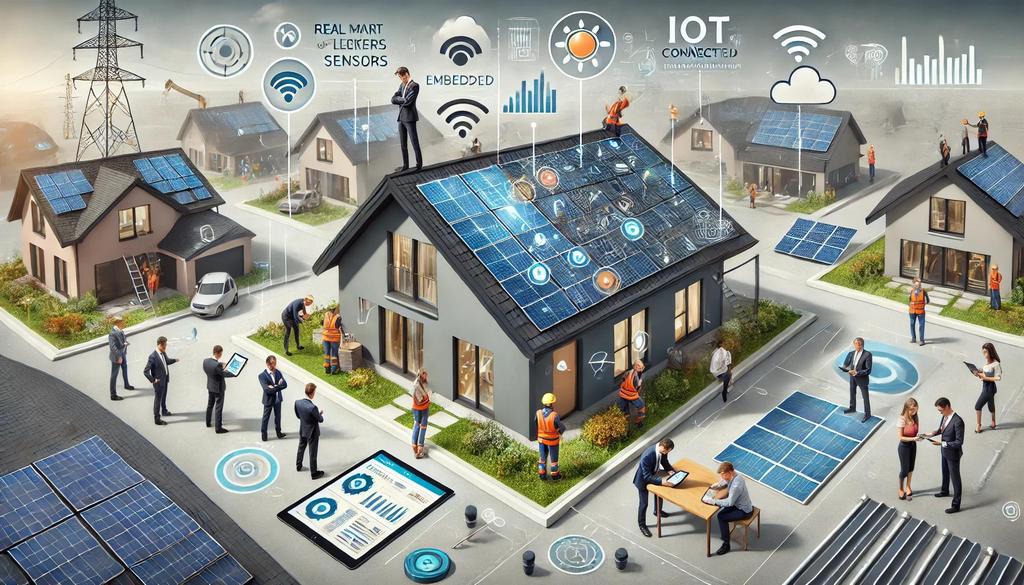
In today’s connected world, the role of smart technology transcends beyond smartphones and homes—it’s transforming roofs, too. Smart roofs now employ sensors that detect leaks, temperature variations, and hail impacts, optimizing preventative maintenance and response times. Often linked with Internet-of-Things (IoT) frameworks, these systems enable real-time alerts, ensuring that potential issues are addressed before they escalate into costly repairs.
Offering substantial safety and efficiency gains, these advancements align seamlessly with the wider network of home automation that many homeowners are already using.
The Revolution of Robotics and 3D Printing
The integration of robotics in roofing brings automation to previously labor-intensive tasks. Robotic shingle installers are minimizing the risk of manual errors by swiftly laying down shingles with unmatched precision. Besides boosting productivity, this technology is creating safer working conditions by removing workers from physically demanding positions on steep rooftops.
Meanwhile, 3D printing technology is expanding possibilities for custom roofing designs by manufacturing sections of roofs with less material waste and exact specifications. Not only does this cut down on waste, but it also opens up new aesthetic avenues for architects and designers to explore.
AI and Predictive Maintenance: The Future of Proactivity
Artificial Intelligence (AI) is the unsung hero behind predictive maintenance, working diligently to gather and analyze data from various sensors and weather patterns. By leveraging AI, roofing systems can anticipate the effect of weather changes, material wear, and other factors, thus allowing for early intervention and strategic repairs.
Furthermore, drone inspections have emerged as game-changers by providing detailed aerial mapping of rooftops without physical inspections, making the process of identifying damage safer and faster. These digital eyes in the sky reduce costs and enhance accuracy, ensuring that every inch of the roof is monitored efficiently.
As technology advances, embracing these innovations today helps pave the way for smarter, more sustainable buildings tomorrow. Roofing integrates seamlessly with our ever-evolving digital world, proving that connectivity and sustainability can go hand in hand.

Advancements in Sustainable Roofing Materials
The roofing industry is witnessing remarkable advancements aimed at pairing sustainability with top-notch performance. This new wave of innovation caters not only to those who are environmentally conscious but also to builders and homeowners seeking efficiency and cost-effectiveness.
NanoTech Innovations: A New Era in Cool Roofing
NanoTech Materials stands at the forefront of sustainable roofing with its patented Insulative Ceramic Particle (ICP)™ technology, turning heads across the industry. This breakthrough lies in embedding microscopic ceramic particles into roofing materials, which significantly improve their ability to manage heat. These particles provide a dual benefit: they not only reflect heat but also emit stored heat more efficiently, drastically reducing the temperature of the building’s interior.
Much attention is directed toward NanoTech’s Cool Roof Coating, a marvel of modern engineering with one of the highest Solar Reflectance Index (SRI) ratings in the market. With certifications across rigorous geo-regulatory landscapes like Miami-Dade, these coatings provide long-lasting protection against UV rays and rain, reflecting sunlight to keep indoor spaces cooler and more comfortable. Not only does this technology provide peace of mind with a 10-year warranty, but it also represents a substantial cut in utility bills—a win-win for any property owner.
Polyglass: Shaping the Future with Modified Bitumen Membranes
Another stalwart in the innovation race is Polyglass U.S.A., Inc., which has redefined the paradigm of roofing materials through its modified bitumen membranes. Their advancements, such as Modifleece™ and PolyVap SAS™, blend recycled materials with high-tech polymers, providing durable, eco-friendly roofing that withstands diverse weather conditions.
A standout offering, the Seal the Envelope™ system extends water, air, and vapor protection beyond just roofs, ensuring that entire building structures remain secure. This integrated approach transforms how building efficiency is perceived, pushing the industry forward into enfolding methods of construction that combat climate change pragmatically and effectively.
Innovative Materials from Around the Globe
Across the globe, innovators are busy crafting materials once imagined only in sci-fi stories. We now have solar roofing tiles that not only shield homes but also electrify them. These cutting-edge tiles generate electricity like traditional solar panels while seamlessly merging with conventional roofing aesthetics. They embody what futuristic designs aspire to achieve—sustainability without sacrificing style.
Also at the forefront of material innovation are self-healing concrete and transparent wood. Concrete, designed to repair its own cracks using built-in microbial action, can enhance building longevity naturally. Transparent wood, significantly lighter than glass, offers similar visual clarity with a smaller carbon footprint. As these materials gain traction, the roofing industry edges closer towards a sustainable and efficient future.
Economic Shifts and Market Implications
The adoption of sustainable roofing solutions is not just a matter of environmental ethics; it also carries significant economic advantages. As the world shifts towards greener practices, the roofing market is feeling the ripple effects, with substantial shifts in how materials are viewed and valued in terms of long-term gains.
Cost-Effectiveness and Return on Investment (ROI)
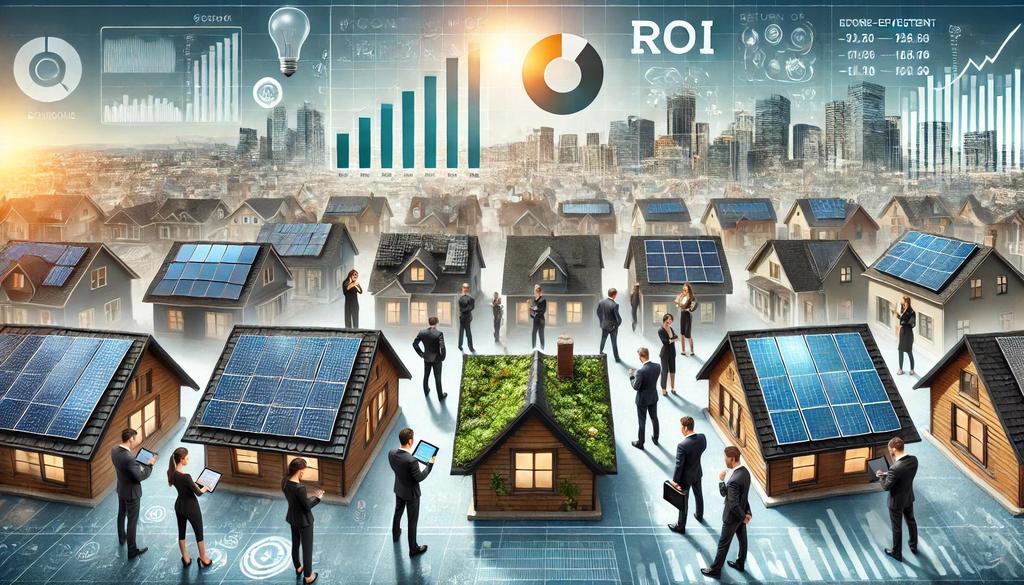
One of the primary incentives for choosing sustainable roofing materials lies in their potential for cost savings over time. While innovative materials like NanoTech’s Cool Roof Coatings may have a higher upfront cost, the reduction in heating and cooling expenses can lead to considerable savings on energy bills over the roof’s lifespan. This investment offsets the initial expenditure, resulting in a lower total cost of ownership, often within the span of the product’s warranty period.
Additionally, government incentives and tax deductions further sweeten the deal, encouraging homeowners and businesses alike to adopt sustainable roofing solutions. Programs such as tax credits for energy-efficient building improvements are paving the way for broader acceptance and economic accessibility.
Industry Trends and Consumer Demand
As consumers become more environmentally conscious, demand for sustainable products is reshaping the market landscape. Homeowners are prioritizing green solutions that not only reduce their carbon footprint but also enhance property value and appeal. This shift is urging manufacturers to innovate and offer a wider array of eco-friendly options that meet environmental standards.
From solar tiles to recycled shingles, the market is teeming with products that cater to both aesthetic preferences and environmental necessities. As the market tilts more towards eco-friendly solutions, the competitive edge lies with companies that can provide high-performing, sustainable roofing systems at competitive prices.

Challenges and Opportunities Ahead for Roofing
Even as the benefits of sustainable roofing are clear, the industry faces its share of challenges. Yet, these obstacles also present unique opportunities for growth and innovation, providing a fertile ground for advancing technology and improving market adoption.
Addressing Existing Obstacles
One of the most apparent hurdles is the initial cost associated with cutting-edge materials and technologies. While sustainable solutions promise long-term savings, the higher upfront investment can deter some consumers, especially in markets where funding and incentives are not as robust.
Another challenge is the learning curve associated with implementing new technologies. Contractors need specialized training to install advanced systems like those involving solar integration or smart sensors effectively. Addressing these educational gaps is crucial for ensuring that the benefits of new technologies are fully realized and that installations are performed correctly to maximize efficiency.
Potential Solutions and Future Prospects
However, these challenges open doors for significant improvements in education, policy, and market strategies. Training programs focused on the latest, eco-friendly technologies and installation techniques can prepare contractors to meet rising demand confidently, ensuring that high standards of quality are maintained in all projects.
Furthermore, as technologies continue to advance, economies of scale are expected to drive down costs, making sustainable materials more accessible. Innovations in materials science, like self-healing concrete and transparent wood, will only become more prevalent, bringing with them new possibilities for energy efficiency and building design.
Emphasizing Collaboration and Growth
Collaboration across sectors—between manufacturers, governments, educational institutions, and environmental organizations—can accelerate the adoption of sustainable practices. By fostering partnerships, sharing knowledge, and streamlining workflows, these entities can collectively push the boundaries of what’s possible in green construction.
Ultimately, the path forward is one of interconnected growth, where economic, environmental, and technological advancements go hand in hand to create a resilient and sustainable construction industry. As newer, more efficient materials and methods emerge, the potential to reshape the future of roofing—and construction at large—only becomes more exciting and attainable.
In viewing challenges as catalysts for innovation, the industry is well-positioned to achieve a balance between profitability and sustainability, ensuring that the future of roofing is brighter and greener than ever before.

Conclusion: A Vision for Tomorrow’s Roofing
We’re at the brink of a sustainable revolution in roofing, with the industry leading in technological innovation and environmental responsibility. Companies like NanoTech Materials and Polyglass U.S.A., Inc. are at the forefront, offering eco-friendly solutions that reduce energy costs and carbon footprints while enhancing durability.
As smart technologies and advanced materials like self-healing concrete evolve, roofing plays a crucial role in modern construction’s sustainable future. Despite challenges like initial costs and the need for education, the industry’s willingness to innovate and adapt promises significant progress. This movement isn’t just about resilient roofs; it’s about aligning construction with environmental stewardship and creating a healthier planet, one building at a time.


