
Nowadays, everyone has to take action to protect the environment, and industrial facilities are no exception. There is increasing pressure to break bad environmental practices and determine how to run more sustainably. The good news? In addition to reducing their ecological effect, industrial facilities might save money in the long term by using energy-efficient equipment, sustainable construction practices, and creative building techniques.
The advantages extend to all stakeholders—the environment, your business, and your employees. With so many benefits of eco-friendly design, you may be wondering how you can structure buildings effectively and implement strategies to reduce environmental impact.

Key Strategies for Green Industrial Design
Now, let’s go over each point to see how you can make your industrial building green with the right design:
1. Using the Right Building Materials and Construction
The green construction goes beyond energy use. The following are some methods for thinking about how building materials and procedures affect the environment:
Sustainable Materials
Consider the effects of the materials you are using to construct! Luckily, there are several options for constructing your industrial building with environmental responsibility. Consider using responsibly obtained wood or recycled steel as an alternative to using entirely fresh materials. These decisions lessen the overall carbon footprint involved in moving those goods from point A to point B, in addition to aiding in the conservation of rare natural resources.
Selecting sustainable materials with significant recycled content, such as certain fabric structures that can be recycled again at the end of their lifespan, is a proactive step towards fostering a “circular economy.” This concept focuses on reducing waste and environmental impact by prolonging the usability of products.

Energy-Efficient Construction Techniques
There are ways to be both environmentally responsible and efficient when it comes to building methods. Prefabrication and modular construction are the top ones! By streamlining the building process and reducing waste on the job site, these techniques reduce the amount of energy consumed overall.
Consider constructing a factory using prefabricated wall panels that simply click into place. This shortens the building period and minimizes the quantity of leftover junk materials. It’s kind of cool, right? What else should you consider?
Solar panels
Over time, solar panels are an excellent method of achieving large energy savings. You may help mitigate climate change and control your electricity costs by reducing your reliance on conventional, non-renewable energy sources. A win-win situation.
LED Lighting
These energy-saving miracles consume up to 80% less energy and have a far longer lifespan than conventional lights. Consider all the money and headaches you may avoid by maintaining good lighting at your facilities.
High-Efficiency HVAC Systems
Modern HVAC systems use cutting-edge technology to reduce energy usage and keep your workers’ workspaces comfortable and healthy. It’s similar to having the entire building’s thermostat built in.
Building Envelope Optimization
A well-insulated building envelope (walls, roof, and foundation) keeps your facility warmer in winter. Because of the decreased heat transmission, you will use less energy to keep the space warm in the winter and cool in the summer. Moreover, reflective roof coatings, which reflect sunshine and naturally cool the structure, might be your summertime hidden weapon. Installing high-performance windows with a unique low-emissivity (Low-E) coating helps keep heat out during the summer and winter.
The Siemens Crystal in London is a great place to start when seeking some real green construction ideas. This work of sustainable architecture is a brilliant illustration of how environmentally friendly methods may be applied in an industrial context. The Siemens Crystal dramatically lessens its environmental effect, from its rainwater gathering systems and ground source heat pumps to its rooftop solar panels.
2. Using Sustainability Practices
Let’s check sustainability practices for greener buildings.
Passive Building Design
Imagine a building that practically heats and cools itself naturally! This is the magic of passive building design. Strategically placing windows to capture cool breezes or the warm winter sun, incorporating natural insulation materials like cork, and orienting the building intelligently for optimal sun exposure in winter and shade in summer are effective ways to decrease dependence on conventional heating and cooling systems. Think about a south-facing warehouse with skylights strategically placed overhead. This clever design can dramatically cut down on the need for artificial lighting during the day, thanks to all that natural sunshine streaming in.
Integration of Renewable Energy
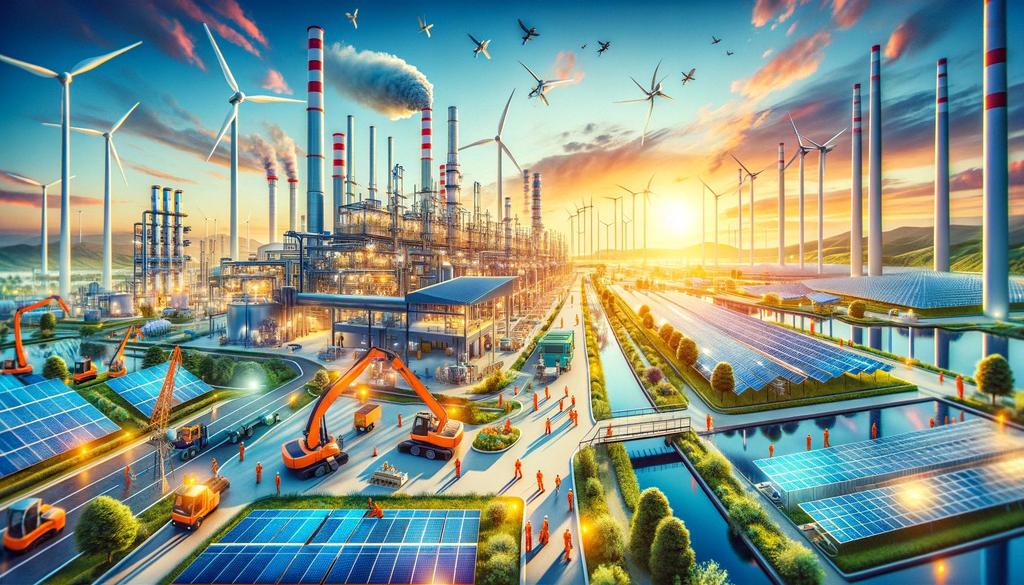
Geothermal systems, wind turbines, and solar panels can all assist you in reducing your reliance on polluting energy sources. These on-site renewable energy generators not only save your operational expenses but also benefit the environment by producing clean energy. Consider a manufacturing facility that can run a large amount of its day-to-day operations off of a rooftop solar array.
Water Conservation
Water conservation may be achieved by using water-efficient technology such as rainwater harvesting systems, low-flow faucets and toilets, and greywater recycling, which is the process of reusing wastewater for non-potable uses. You may also cut down on the amount of irrigation by using native plants that are more pest-resistant and use less water. For example, a factory can reduce its dependency on municipal water supply by collecting rainwater in a storage tank for use in landscaping.

3. Beyond Construction: Operational Efficiency
The green building extends beyond the physical structure. Here’s how to promote sustainable practices within the facility:
Energy Monitoring and Management
Implementing a building automation system allows for real-time monitoring of energy consumption and identifying areas for improvement. Additionally, setting clear energy-saving policies for employees, such as turning off equipment when not in use, can make a substantial difference.
Waste Reduction and Recycling
Industrial processes often generate significant waste. Implementing waste segregation programs and establishing partnerships with recycling companies can dramatically reduce the amount of waste going to landfills. What else?
- Recycling Initiatives: Promoting the recycling of metal, plastic, and paper products may help cut waste.
- Upcycling Waste Materials: Repurposing industrial byproducts can help limit waste and lower the demand for raw materials.
- Effective Layout Design: Planning the building to reduce production waste can result in significant material savings.
Fabric-Covered Industrial Buildings
One such example of these principles is fabric-covered buildings. There are even innovative solutions, such as hiring a fabric building re-cover service solution that practices the tenets of environmentally responsible design in industrial environments. Using this method, high-strength fabric materials—such as those used in temporary buildings or warehouses—are recycled for use in different construction projects.
Businesses may cut down on waste and resource consumption by recovering and recycling these items. In addition to promoting sustainability, fabric construction recovery provides an affordable alternative for materials that could otherwise wind up in landfills.
Sustainable Transportation
To promote sustainable transportation practices, consider encouraging your staff to carpool, installing electric vehicle charging stations, and offering secure bike storage facilities. These initiatives can help individuals reduce their reliance on gas-guzzling vehicles and decrease their carbon footprint. Furthermore, optimizing delivery routes and processes minimizes transportation’s environmental impact and ensures efficient and timely delivery of goods. This approach benefits all parties involved, creating a win-win scenario for the environment and businesses alike.

Green Industrial Sites: Benefits Beyond Environmental Impact
Saving the environment is only one benefit of being green, but that benefit is also quite significant. You’re making a wise business choice when you use sustainable design principles in your industrial site. Leaders in the sector have shown that socially and economically responsible sustainable industrial design may lead to a greener future.
As we explore sustainable design strategies for industrial facilities, we realize that the responsibility to protect the environment applies to everyone, including industrial facilities. With a growing emphasis on eradicating detrimental environmental practices and transitioning towards sustainable operations, the path to a greener future is clearer. The silver lining lies not only in reducing ecological footprints but also in potential long-term cost savings through the utilization of energy-efficient equipment, sustainable construction methods, and innovative building techniques.
The advantages of eco-friendly design are far-reaching. They impact the environment, business operations, and employee well-being. Given the wealth of benefits associated with green design, the next step involves structuring buildings effectively and implementing strategies to minimize environmental impact sustainably.

