
The rising climate crisis and surging electricity rates have become a serious problem for people and the environment. Here, renewable energy sources can help in combating this challenge. However, with growing demand, the options in renewable energy systems have also risen. Don’t worry; let’s ditch the confusion and discover the best renewable energy sources to power your home and enjoy green energy!
Our planet faces climate change, and fossil fuels are considered significant contributors to this challenge. Switching to renewable energy can make a massive difference in your carbon emissions, protect the environment, and save on utility bills. Now, more people are realizing the importance of minimizing reliance on fossil fuels.
With growing environmental issues and drastic climate change, the demand for energy independence and sustainability is rising. 2023 witnessed a 50% surge in global renewable energy capacity compared to 2022. Numerous people are seeking methods to power their homes with clean and renewable sources.
As renewable energy sources help homeowners shrink energy bills drastically, these energy sources provide significant savings in the long run, especially when clubbed with government incentives.
But how do you determine the best renewable energy source for your needs? This article has been crafted to guide you through the best renewable energy sources, explore various solutions, and help you understand the process of evaluating your home for them.

Top 7 Renewable Energy Sources to Gain Energy Dependence and Increase Savings
Looking at the rising rate of electricity, self-sufficiency has become both a trend and a necessity. Renewable energy systems allow you to manage your energy consumption and create a more independent lifestyle.
This is why the demand for renewable energy sources, especially solar power, has exponentially increased in recent years. Solar installers are making big money by providing solar-related services to exclusive home improvement leads in their operational area.
Although solar panels are a popular form of renewable energy source, other types of sources help homeowners reduce or even eliminate utility bills completely. Let’s discuss 7 different types of renewable energy sources to power your home.
1. Solar Power
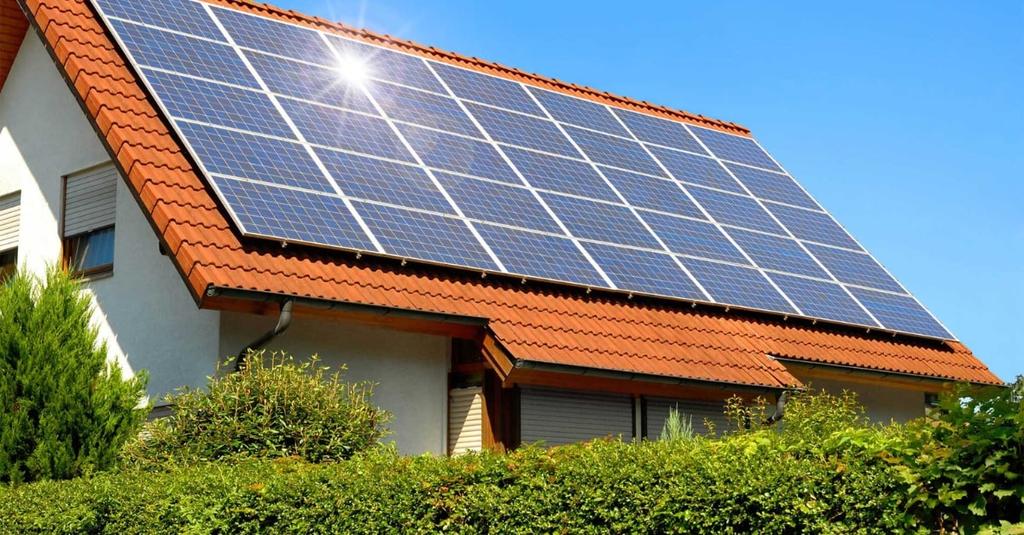
Solar power is the most popular renewable energy source for powering your home. It offers a clean, green, cost-effective, and reliable method of independently generating electricity. Solar panels absorb energy from sunlight and transform it into usable electricity to power essential appliances in your home.
Types of Solar Panels
There are many solar panel options abound, each boasting distinctive types and efficiency levels.
- Monocrystalline Panels: These are the most expensive and efficient types of solar panels. Monocrystalline panels offer comparatively higher energy output than other types.
- Polycrystalline Solar Panels: While somewhat less efficient compared to their monocrystalline counterparts, polycrystalline solar panels carve out a niche for themselves by being budget-friendly and favored by many residential property owners.
- Thin-film solar Panels: As the name suggests, thin-film solar panels are lightweight, which makes them ideal for different types of roofs. However, thin-film solar panels are the least efficient ones in the lot.
Solar Panel Efficiency
The efficiency of solar panels refers to the amount of sun energy that panels convert into usable electricity. Solar panels with high-efficiency power generate more energy and require less space, but their price is quite high. Likewise, low-efficient solar panels generate less power and come in an affordable price range.

Solar Panel Installation
Before installing solar panels, homeowners need to contact professional solar installers to have their roofs inspected. Professional installation is essential for the safety and optimal performance of the panels. This inspection includes examining the roof for shading and angle, considering local building codes, etc.
Solar Financing
As the initial upfront cost of solar panel installation is huge, many homeowners explore and take solar financing options including:
- Cash: A cash purchase offers significant savings in the long run but needs a substantial upfront investment.
- Solar Loans: You will find many dedicated solar loans offered at competitive rates to complete the installation.
- Federal Incentives: Many state and federal solar incentives and rebates can offset the cost of solar panel installation. The most popular one is a 30% federal tax credit provided to homeowners who seek solar installation. This tax credit reduces 30% of the entire installation cost.
Solar Battery Storage
A solar battery system allows you to store excess solar energy and potentially go off the grid. You can use the stored energy on cloudy days or at night. If your location experiences extended power outages, then investing in solar battery systems is worthwhile. Solar battery systems aid in maximizing the usage of solar power systems and increase energy independence. However, installing a solar battery system comes with an additional cost.
2. Wind Power
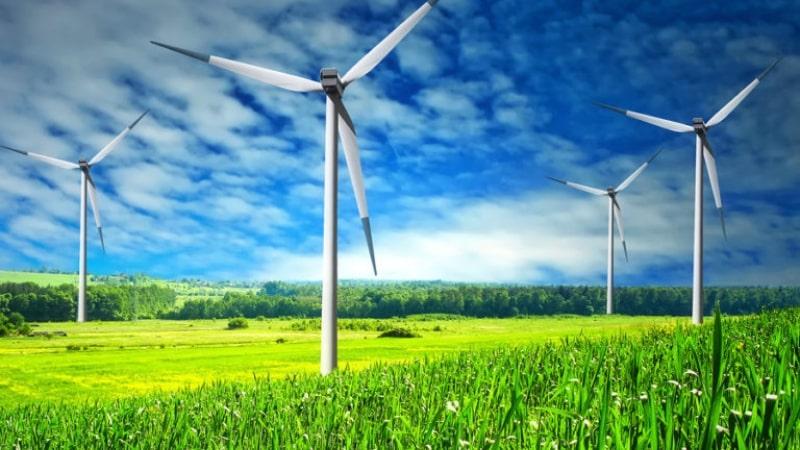
Wind power is another clean and sustainable method of generating electricity. However, before opting for it, you should understand its suitability and take care of other considerations.
Small Wind Turbine
- Suitability: Wind turbines work well in areas with strong and consistent winds. You need to inspect your property to understand the potential of wind sources. You can start with online wind resource maps, but a professional wind resource assessment will give you a more accurate picture.
- Output: The output capacity of small wind turbines ranges from 400 watts to 5 kilowatts for homes. The amount of generated electricity depends on the turbine’s size and wind speed. Placing a 1.5 kW turbine in a location with a good wind resource can meet your daily energy needs.
- Local Regulations: Before installing a wind turbine on your property, consider checking local ordinances. Some areas have zoning regulations regarding noise limitations and turbine height.

Urban Wind Power (Micro wind Turbines)
Micro wind turbines are small types of traditional wind turbines that are specifically designed for urban environments. This version of wind turbine makes comparatively less noise. However, micro wind turbines have a lower power output (below 1 kW). These are best for meeting a small portion of electricity needs and powering up specific appliances at home.
Considerations for Wind Power
- Assessment: You should call a professional to assess your site’s wind patterns to get an accurate estimation of potential electricity generation. Remember, wind turbines might not be suitable for all types of locations. Evaluating your area and wind source before opting for them is crucial.
- Maintenance: Wind turbines require regular maintenance to achieve optimal performance and increase the longevity of this renewable energy source.
- Noise: Wind turbines, especially larger ones, generate noise. You need to check the turbine noise impact on the neighborhood and the limitations your local authority has set in your area.
- Cost: The average price of a small wind turbine ranges between $10,000 to $50,000 per kilowatt (kW) of installed capacity. Therefore, you need to weigh the cost savings against the potential electricity generated.

3. Hydro Power
Hydropower generates electricity through the power of moving water. Large-scale dams might dominate your perception, but even small flowing water sources near your home can help you benefit from this energy source. Before incorporating a micro hydropower system at home, consider the following pointers.
- Location: Micro hydro power systems are ideal for homes near running streams, canals, and creeks with a constant water flow. These systems generate up to 100 kilowatts of electricity, enough to power a household or small business.
- Component: Micro hydro power systems use a small diversion dam to direct water through a pipe towards a turbine. The flowing water rotates the turbine, generating electricity.
- Impact on the Environment: Hydropower systems divert a portion of the water stream without impacting the environment. As this system utilizes a small portion of water, it ensures minimal disruption to the natural ecosystem.
- Permission: Using a hydropower system requires permits from the local authorities. These regulations vary from location to location, so ensure you obtain the permits necessary to ensure compliance.
- Maintenance: Regular maintenance of the turbine, intake, and penstock is essential for the longevity of the hydropower system and to get optimal performance.
- Water Flow: A micro-hydro system requires a reliable and consistent flow of water throughout the year to generate sufficient electricity. However, during dry periods, alternative energy sources might be needed.

4. Air Source Heat Pumps
Air source heat pumps (ASHP) are another efficient and versatile system to heat and cool your home. Unlike traditional heating systems, an ASHP utilizes electricity to move heat instead of generating it directly.
These systems don’t burn fuel to generate heat. It extracts heat from outside air and directs it inside your home to keep your house warm even at low temperatures. In the cooling process, this mechanism reverses, it removes heat from indoors and releases it outside.
This technology is similar to refrigeration technology, where the refrigerant absorbs heat at a low temperature and releases it at a higher temperature through compression and expansion processes.
However, an ASHP’s efficiency can decrease in regions with extremely cold temperatures. ASHPs are designed to provide comfort throughout the year, and they combine heating and cooling capabilities in one system.

5. Geothermal Power
A geothermal system uses the earth’s underground temperature to generate electricity. It provides heating and cooling for your home in an eco-friendly way. Areas with hot springs and consistent volcanic activities are considered good locations for using geothermal power systems.
Geothermal heat pump installations cool and heat your home using heat from the earth beneath a property. It is a reliable, clean energy source and significantly more efficient than traditional heating and cooling systems. Compared to other conventional systems, geothermal power produces insignificantly minimal emissions.
However, due to varied underground temperatures, geothermal power is not suitable for all locations. You need to assess your home to determine this energy source’s suitability. Also, installing a geothermal system is more expensive than a traditional HVAC (Heating, ventilation, and air conditioning) system, but associated long-term savings can offset its overall cost.

6. Biomass Power
Biomass power involves burning organic material such as wood pellets or crop waste to generate electricity and heat. Areas with significant agricultural economies are fantastic for biomass power. However, it is essential to understand the pros and cons of biomass power.
- Wood pellets for heating: This involves burning compressed wood pellets to generate heat. This biomass system is comparatively more efficient in heating your home than traditional wood-burning fireplaces. Wood pellets are readily available and affordable. However, burning wood pellets produces emissions that contribute to air pollution. Plus, it also requires regular maintenance and occupies space in a living area.
- Biogas Systems: This involves converting organic matter such as manure, scraps, or sewage into biogas. This process is called anaerobic digestion, and it is used to generate electricity and heat for homes. Biogas systems are beneficial for communities or farms with readily available organic waste sources. However, setting up a biogas system is complex and requires a lot of time.

7. Hydrogen Power
Harnessing the power of hydrogen, this energy source utilizes hydrogen gas to produce electricity. While it functions not as an energy storage system but as a carrier akin to batteries, hydrogen power represents a clean and emission-free renewable energy option. Despite its promising attributes, this energy source is currently undergoing substantial developmental efforts to reach its full potential.
Incorporating hydrogen fuel cells into residential setups enables the generation of electricity from hydrogen gas. These electrochemical cells play a key role in converting hydrogen and oxygen into water vapor, heat, and electrical power. Known for their efficiency and noiseless operation, these cells produce water vapor as a clean byproduct, making them an environmentally friendly energy option for home use. Despite their advantages, household hydrogen fuel cell technology is still in the developmental stages, and the associated costs of procurement, installation, and upkeep make it a relatively expensive investment.
Although it may currently be challenging to install, hydrogen gas is relatively easy to store and transport. Looking ahead, the progression of technology, reduction of costs, and advancements in infrastructure could position hydrogen power as a compelling option in the near future.
Empower Your Future: Guide to Renewable Energy Source Choices
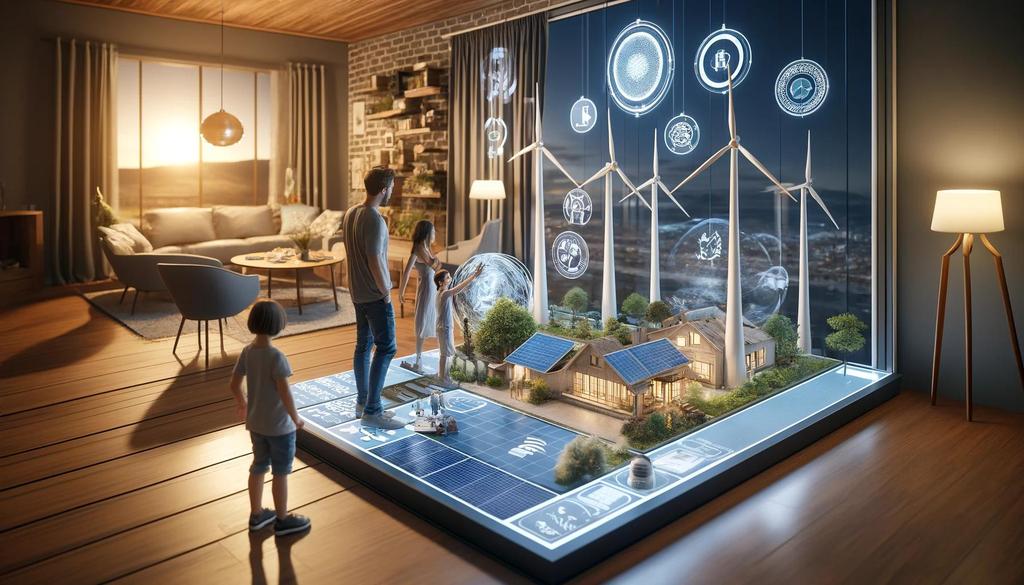
As you navigate through the array of renewable energy alternatives, from the tried-and-tested solar panels to the burgeoning technology of hydrogen fuel cells, remember to align your selection with your unique energy demands, the environment around you, and your budget. Embrace the journey towards sustainable energy solutions, making a personal commitment to a greener future for both yourself and the planet.
Let your choices in renewable energy reflect not just an investment in a power source but an investment in a more sustainable lifestyle. By exploring these options and committing to eco-conscious practices, you actively contribute to a healthier world for generations to come. Start your renewable energy journey today and be a part of the positive change our planet so dearly needs.


