
In recent years, the quest for environmentally sustainable and cost-effective home heating and cooling solutions has led to a surge in the adoption of geothermal heat pump systems. These innovative systems utilize the stable temperature of the earth to provide efficient and reliable heating and cooling, offering homeowners the opportunity to reduce their carbon footprint while enjoying long-term cost savings.
In this comprehensive guide, we will delve into the world of geothermal energy, exploring the science behind geothermal heat pumps, the installation process, potential cost savings, and the broader environmental impact. Moreover, as we look ahead to 2024, we will examine the current landscape of incentives and tax credits available to homeowners considering the installation of geothermal heat pump systems.
Join us on a journey to understand the benefits and practicalities of harnessing the earth’s energy for efficient and sustainable home heating and cooling. Whether you are a homeowner seeking to reduce your environmental impact or a proponent of renewable energy solutions, this guide aims to equip you with valuable insights into the world of geothermal heat pump installation for the year ahead.

I. Understanding Geothermal Heat Pumps
Geothermal heat pumps are versatile and efficient systems that leverage the consistent temperature of the earth to provide heating, cooling, and hot water for residential properties. There are several types of geothermal heat pump systems, including closed-loop, open-loop, and hybrid configurations, each offering unique benefits and considerations for installation.
The science behind geothermal heating and cooling lies in the principle of heat transfer. Unlike traditional HVAC systems, which generate heat or cold air through combustion or electric resistance, geothermal heat pumps exchange heat with the earth, which maintains a relatively stable temperature below the surface. This process allows for consistent and energy-efficient heating and cooling throughout the year.
Furthermore, geothermal heat pumps are known for their high efficiency and cost-effectiveness. By tapping into the earth’s renewable energy, homeowners can significantly reduce their reliance on fossil fuels and minimize their utility expenses over the long term. Additionally, as of 2024, there are various federal, state, and local incentives, including tax credits and rebates, aimed at promoting the adoption of geothermal heat pump systems, making them an increasingly attractive investment for homeowners.

II. Evaluating Your Home for Geothermal Installation
Before embarking on the installation of a geothermal heat pump system, it is essential to assess your property’s suitability for this energy-efficient technology. Factors such as soil composition, land availability, and the specific heating and cooling needs of your home play a crucial role in determining the feasibility and effectiveness of geothermal installation. In this section, we will explore the key considerations involved in evaluating your home for geothermal heat pump installation, guiding you through the initial steps towards harnessing the earth’s energy for sustainable heating and cooling solutions.
How to Evaluate Your Home for Geothermal Heat Pump Installation
Assessing your property’s suitability for a geothermal heat pump system is the first critical step towards implementing this eco-friendly technology for your home’s heating and cooling needs. Follow this how-to guide to determine whether geothermal installation is right for you.
Step 1: Understand Your Home’s Heating and Cooling Needs
Before you consider a geothermal system, you need to understand your heating and cooling requirements. This step involves:
- Calculating your home’s square footage to estimate the capacity of the geothermal system needed.
- Considering your home’s current energy efficiency and potential areas for improvement, such as insulation and window upgrades.
- Understanding the climate in your region to determine the heating and cooling demands throughout the seasons.
Step 2: Consult with a Geothermal Energy Expert
An essential part of the evaluation is to engage with a professional who has experience in geothermal installations. Look for a qualified contractor who can:
- Perform a detailed assessment of your property.
- Provide a feasibility study including soil composition, land topography, and hydrology conditions.
- Offer design options for the geothermal loop system that would best suit your property—whether horizontal, vertical, pond/lake or open-loop systems.
Step 3: Assess Soil Composition and Land Availability
The soil composition and land space play a significant role in the efficiency of the heat transfer process. For this step:
- Collect soil samples and have them analyzed for their thermal conductivity. Different soil types and rocks can affect the efficiency of your system.
- Ensure that you have sufficient land available for the size of the required geothermal loop system. Typically, horizontal systems require more land space, whereas vertical systems need less surface space but involve deeper drilling.
Step 4: Perform a Cost-Benefit Analysis
A geothermal system involves an upfront investment that pays off over time through energy savings. During this step:
- Consider the total cost of installation, including drilling, equipment, labor, and any potential landscaping restoration.
- Compare these costs against the expected reduction in energy bills and the longevity of the geothermal system (typically 25 years for the indoor unit and up to 50 years for the underground piping). Our side-by-side geothermal vs. air-source comparison shows how those figures stack up against a lower-cost air-source alternative.
- Take into account available tax credits, rebates, and incentives, which can significantly offset the initial investment costs.
Step 5: Review Local Regulations and Permits
Before proceeding with installation, you’ll need to:
- Check local zoning ordinances and building codes to ensure compliance with regulations concerning geothermal installations.
- Acquire necessary permits for drilling and construction work related to the installation process.
Step 6: Plan for the Future
As you assess your home for geothermal installation, consider the following:
- The lifespan of your geothermal system is juxtaposed with how long you plan to stay in your current home.
- Future advancements in geothermal technology might affect the maintenance and upgradeability of your system.
By following these steps, you can make an informed decision about whether geothermal installation is suitable for your home. The same design principles can operate on a much larger scale, as demonstrated by Yale’s networked geothermal system. With a proper assessment and expert guidance, you can harness the earth’s stable temperature for sustainable and efficient home heating and cooling solutions.

III. The Installation Process of a Geothermal Heat Pump System
Installing a geothermal heat pump system requires careful planning, skilled professionals, and a thorough understanding of the specific requirements of your property. We will provide a comprehensive, step-by-step guide to the installation process, outlining the necessary preparations, modifications, and considerations involved in bringing geothermal energy into your home. By understanding the intricacies of the installation process, homeowners can make informed decisions and ensure a seamless transition to this sustainable and efficient heating and cooling solution.
Embarking on the installation of a geothermal heat pump system is an exciting endeavor toward achieving sustainable energy use in your home. Follow this detailed step-by-step guide to understand the installation process, which, when done correctly, can offer you years of energy-efficient heating and cooling.
Step 1: Design and Engineering
After conducting a thorough assessment and determining that your property is suitable for a geothermal heat pump system, you’ll begin with the design phase, which includes:
- Finalizing the type of geothermal system (horizontal, vertical, pond/lake, or open-loop) based on property evaluation outcomes.
- Engineering the system layout with precise calculations for the loop field to meet your home’s heating and cooling needs.
- Creating detailed blueprints for the placement of pipes and the heat pump unit within your home’s existing infrastructure.
Step 2: Obtaining Permits
With your design in place, you will need to:
- Apply for necessary permits as local laws require, which may include drilling, electrical, and environmental permissions.
- Ensure all plans are in accordance with local regulations and building codes to avoid any legal or environmental issues.
Step 3: Site Preparation
Before drilling can commence, prepare the site by:
- Clearing any obstacles from the land or arranging space within the property for vertical drilling.
- Setting up access for heavy machinery required for the excavation or drilling work.
- Protecting existing landscaping or structures from damage during the installation process.
Step 4: Loop System Installation
The core of the geothermal system is the loop field, and this step involves:
- Excavating the land for horizontal installations or drilling deep holes for vertical loop systems.
- Installing high-density polyethylene (HDPE) pipes in the ground, configured as per the design plan.
- Backfilling or sealing boreholes with a thermal grout to ensure efficient heat transfer and to protect groundwater.

Step 5: Heat Pump and Ductwork Installation
Once the loop system is in place, proceed to install the indoor components:
- Position the geothermal heat pump unit, typically in a basement or utility area.
- Connect the heat pump to the loop system and existing ductwork, or install new ductwork if necessary.
- Complete electrical connections, including thermostats and control systems.
Step 6: Testing and Commissioning
With the installation complete, your geothermal system needs to be thoroughly tested:
- Flushing and purging the loop field to remove any debris and air from the lines.
- Charging the system with refrigerant and starting the heat pump to verify operational integrity.
- Testing all controls, thermostats, and the heat pump to ensure they work correctly under different conditions.
Step 7: Landscaping Restoration
Following the successful installation and testing:
- Restore the landscaping affected by excavations or drilling, if required.
- Make sure the outdoor work has not negatively impacted the drainage or the visual appeal of your property.
Step 8: Education and Documentation
Before concluding the installation process, ensure you:
- Receive proper education from your installer on how to operate and maintain your new system, including regular maintenance tasks.
- Obtain all documentation related to warranties, service schedules, and instruction manuals for future reference.
By following these steps, homeowners can confidently move forward with their geothermal heat pump system installation. With sophisticated planning and professional execution, geothermal energy can provide an eco-friendly, reliable, and cost-effective heating and cooling solution for your home.
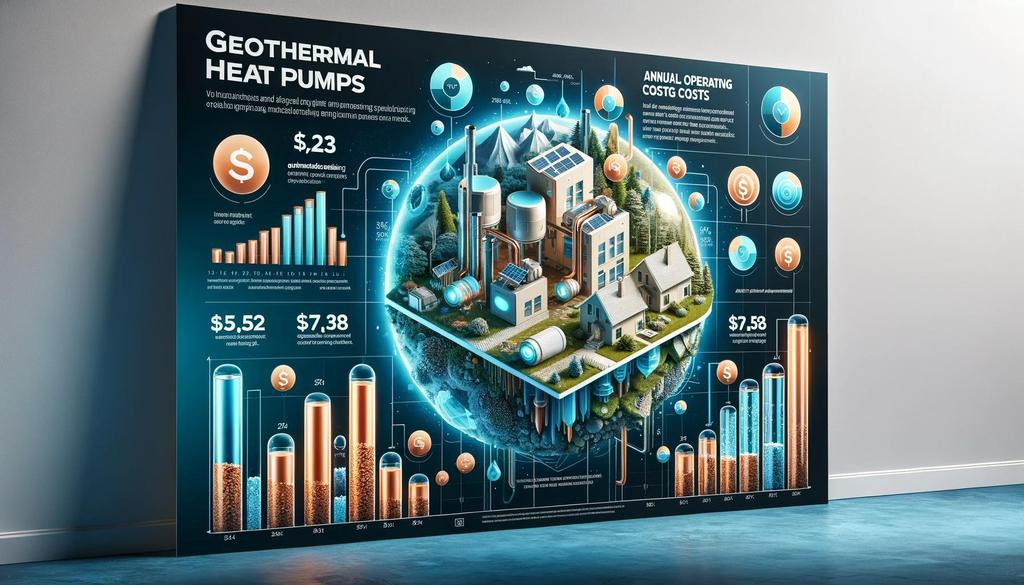
IV. Real-World Cost Savings with Geothermal Heat Pumps
The initial investment in a geothermal heat pump system is often a primary consideration for homeowners. However, it is crucial to weigh the upfront costs against the long-term savings and environmental benefits offered by this innovative technology. Here we’ll conduct a thorough analysis of the costs and potential savings associated with geothermal heat pump installation, providing insights into government rebates, incentives, and real-world examples of cost savings. By understanding the economic and environmental implications of geothermal energy, homeowners can make informed choices that align with their sustainability goals and financial considerations.
When evaluating the financial benefits of installing a geothermal heat pump system, real-world examples can provide a tangible sense of the potential savings. Let’s look at a case study that highlights the cost-effectiveness of geothermal energy in a residential setting.

Case Study: The Johnson Family Home
The Johnson family, residing in a 2,500-square-foot home in the Midwest, replaced their traditional HVAC system with a geothermal heat pump. Here’s a breakdown of their costs and savings:
Initial Investment:
- Cost of geothermal system (including installation and landscaping): $25,000
- Federal tax credit (26% in 2024): -$6,500
- State and local incentives: -$3,000
- **Net initial investment:** $15,500
Annual Operating Costs Before Installation:
- Natural gas heating: $1,200 per year
- Electricity for air conditioning: $600 per year
- Annual total: $1,800
Annual Operating Costs After Installation:
- Geothermal heating and cooling: $300 per year
- **Annual savings:** $1,500
Additional Savings:
- No maintenance or service costs for the first five years due to warranty and efficiency of the system.
- Reduced need for repairs compared to traditional HVAC systems.
Long-Term Savings Analysis:
- The Johnson family’s geothermal system has an expected lifespan of 25 years for the indoor unit and up to 50 years for the ground loop.
- Total savings over 25 years at current rates (not accounting for inflation or changes in energy prices): $1,500 x 25 years = $37,500
- With an initial net investment of $15,500, the Johnsons would break even in just over ten years.
- Over the course of 25 years, the Johnsons would realize a net positive savings of $22,000, even after the initial investment.
Environmental Benefits:
- The Johnson family’s decision to install a geothermal heat pump also allowed them to reduce their home’s carbon footprint significantly.
- By switching from fossil fuel-based heating to geothermal, annual carbon emissions from their home’s heating and cooling dropped by approximately 5 tons.

The example of the Johnson family demonstrates that while the upfront costs of a geothermal system are considerable, the long-term savings are substantial both financially and environmentally. These systems not only yield a return on investment through reduced energy bills but also contribute to a cleaner, more sustainable world.
When considering real-world savings, it is important to bear in mind that outcomes may vary based on specific local climate conditions, energy rates, system design, and usage patterns. Regardless, geothermal heat pump systems have been proven to offer an effective way for homeowners to save money and energy over time.
The ongoing advancements in geothermal technology and increasing energy prices also hint at even greater savings potential in the future, making geothermal heat pump systems a smart investment for homeowners looking to reduce both their energy bills and environmental impact.

V. Maintenance and Troubleshooting of Geothermal Heat Pump Systems
Once a geothermal heat pump system has been installed, it is essential to implement routine maintenance to ensure optimal performance and longevity. In this section, we will outline essential maintenance tips for homeowners, including regular inspection procedures, filter replacements, and preventive measures to uphold the system’s efficiency and functionality.
Moreover, we will address common issues and potential troubleshooting solutions that homeowners may encounter with their geothermal heat pump systems. By understanding the nuances of maintenance and troubleshooting, homeowners can proactively safeguard their investment and address any performance concerns promptly, thereby ensuring continued comfort and sustainability in their homes.
Effective maintenance is crucial to the performance and longevity of your geothermal heat pump system. Here are key maintenance tips and troubleshooting advice to help you keep your system running smoothly.

Maintenance Tips:
- Regular Inspections: Schedule annual inspections with certified geothermal technicians to ensure all components of the system are functioning correctly.
- Filter Replacements: Change or clean the heat pump’s air filters every three months or as recommended by the manufacturer to maintain air quality and system efficiency.
- Thermostat Settings: Verify and adjust thermostat settings periodically to ensure they are optimized for efficiency and comfort.
- Loop Pressure Checks: Have a professional check the pressure and antifreeze concentration of the loop system annually to prevent corrosion or freezing.
- Clean Coils and Fans: Ensure the heat pump’s coils and fans are clean and clear of debris to maintain efficiency and airflow.
- Landscape Maintenance: Keep the area around the ground loop entrances clear to prevent obstructions and allow for easy access.
Troubleshooting Common Issues:
1. System Not Heating or Cooling Properly:
- Check that the thermostat setting matches the desired mode of operation.
- Verify that filters and coils are clean to allow unobstructed airflow.
- If the problem persists, you may need to contact a professional to inspect the refrigerant levels and loop system integrity.
2. Unusual Noises:
- Listen for grinding, clicking, or whirring noises, which could indicate issues with the pump, fan, or motor.
- Loose or worn components may need tightening or replacement by a certified technician.
3. System Short Cycling:
- Short cycling can be caused by an overheating system or a malfunctioning thermostat.
- Ensure that your heat pump size appropriately matches your home to prevent frequent on-and-off cycles.
4. Leaks in Loop System:
- Visible leaks or loss of pressure may indicate a breach in the loop system.
- Contact a professional immediately to address leaks, as they can affect system performance and may pose environmental concerns.
5. Higher Energy Bills:
- Unexpected increases in energy bills can be a symptom of an inefficient system.
- Have a professional conduct a full system diagnostic to identify areas of inefficiency or failing parts.
It’s important to note that while some basic maintenance tasks can be handled by homeowners, others should be performed by qualified technicians who specialize in geothermal systems. Regular maintenance not only prolongs the life of your geothermal system but also ensures continuous, efficient, and eco-friendly home temperature regulation. Additionally, prompt attention to any issues will prevent minor problems from developing into major repairs, ensuring reliable operation all year round.

VI. The Environmental Impact of Geothermal Heat Pumps
The adoption of geothermal heat pump systems holds significant promise in reducing the carbon footprint associated with residential heating and cooling. By harnessing the earth’s renewable energy, homeowners can contribute to the global effort to mitigate climate change and environmental degradation. Let’s explore the substantial reduction in greenhouse gas emissions facilitated by geothermal energy, comparing it to traditional heating and cooling methods powered by fossil fuels.
Reduction in Greenhouse Gas Emissions
Geothermal heat pump systems don’t rely on the combustion of fossil fuels, which is a key factor in their ability to reduce greenhouse gas emissions. By utilizing the constant temperatures beneath the Earth’s surface for heating and cooling purposes, these systems avoid the significant carbon dioxide (CO2) emissions associated with conventional HVAC systems. On average, a geothermal heat pump system can reduce emissions by up to 50% compared to traditional fossil fuel systems, providing a cleaner option for climate control in residential settings.
Improved Air Quality
With a reduction in the combustion of fossil fuels, geothermal heat pumps contribute to improved air quality. They do not emit harmful pollutants such as nitrogen oxides (NOx) and sulfur dioxide (SO2), which are commonly associated with burning natural gas, oil, or coal. The widespread adoption of geothermal technology could lead to a noticeable drop in air pollution levels, with benefits for public health and the environment.
Resource Conservation
Another advantage of geothermal systems is the conservation of natural resources. Unlike the finite reserves of oil, coal, and natural gas, the heat from the Earth is abundant and continuously replenished. In harnessing this renewable resource, geothermal heat pumps help preserve precious non-renewable energy sources that would otherwise be depleted over time.
Lower Water Usage
Geothermal heat pump systems also use significantly less water than conventional power plants and many other heating and cooling systems, especially if a closed-loop system is utilized. In drought-prone regions, this aspect of geothermal energy is particularly valuable, contributing to water conservation efforts.
Promoting Biodiversity
The low environmental footprint of geothermal heat pumps supports biodiversity. By minimizing land disruption and pollution, these systems safeguard habitats from the often damaging effects of resource extraction and air and water pollution, all of which can harm wildlife and plant ecosystems.
Long-Term Sustainability
The longevity and durability of geothermal systems further bolster their environmental benefits. With lifespans that can exceed 25 years for indoor components and up to 50 years for ground loops, geothermal heat pumps represent a long-term investment in sustainable energy. Their ability to provide consistent heating and cooling for decades means less frequent equipment replacement and, consequently, reduced manufacturing and disposal impacts.

Conclusion
Geothermal heat pumps offer a practical and impactful solution for homeowners to reduce their environmental footprint. Installing these systems can lead to significant reductions in greenhouse gas emissions and other pollutants, support the conservation of natural resources and biodiversity, and contribute to the greater goal of mitigating climate change. As we move forward, the role of geothermal energy in the transition to a cleaner, more sustainable world becomes increasingly clear, solidifying its position as a key player in global environmental preservation efforts.
We encourage readers to take the next step towards sustainable living by contacting local geothermal professionals for a personalized consultation and evaluation of their property’s suitability for geothermal heat pump installation. Additionally, by acting now, homeowners can capitalize on potential 2024 incentives and rebate programs designed to facilitate the adoption of renewable energy solutions. Explore the possibilities of geothermal energy and take proactive strides towards a greener, more energy-efficient future for your home and the planet.
In conclusion, the adoption of geothermal heat pump systems presents homeowners with a viable and sustainable solution for meeting their heating and cooling needs while making a positive impact on the environment. From understanding the science behind geothermal energy to evaluating the installation process, potential cost savings, and the broader environmental implications, this comprehensive guide has equipped readers with valuable insights into the practical advantages of harnessing the earth’s energy for residential use. As we look to the future, the availability of incentives and tax credits further enhances the appeal of geothermal heat pump installation, making it an opportune time for homeowners to explore this eco-friendly and cost-effective technology.
Disclosure: This post contains affiliate links, which means we may receive a commission if you click a link and purchase something that we have recommended. While clicking these links won’t cost you any extra money, they will help us keep this site up and running! Thank you for your support.


