
As the dawn of 2024 brightens the prospects of a sustainable future, the United States stands at a pivotal juncture in its energy evolution. The ambition is crystal clear: a sweeping transition to a carbon-neutral electricity grid replete with the boundless promise of wind, solar, and other renewable energy sources. Yet, beneath the shimmering array of solar panels and the stately dance of wind turbines lies a tangle of operational and regulatory complexities that hinder this green odyssey. The integration of renewable energy into the U.S. electrical grid embodies not just a technological makeover but a multifaceted challenge stretching across financial, legal, and societal landscapes.
Navigating Operational and Regulatory Labyrinths in America’s Renewable Energy Ambitions
Caught in a mire of antiquated systems and protracted procedural queues, many clean energy projects are tethered by invisible binds. The journey from conception to grid connection is fraught with administrative bottlenecks. The dated interconnection process imposes yearslong delays. Grid upgrades surface costs that send well-intentioned green endeavors into financial tailspins. Instances like the Oceti Sakowin Power Authority’s quest to harness the ‘screamin’ wind resources of South Dakota speak volumes. What begins as a mission to monetize potent natural forces often culminates in a pricey stalemate that stalls progress and siphons hope.
As policy experts, industry leaders, and community advocates grapple with the ramifications of these delays, the clock ticks unforgivingly on climate targets. These targets are ambitious yet imperative for a sustainable existence. The vision for a 100% carbon-free U.S. electricity sector by 2035, emphasized in the Biden administration’s climate plan, requires collective will and clear, actionable pathways to circumvent the roadblocks that obstruct the lifeblood of renewable energy.
In a grid intricately woven with the threads of legacy power systems, the adaptation to accommodate a new generation of green electricity sources demands innovative strategies, significant investment, and a bold reimagining of the national energy framework. Through the prism of these realizations, our journey into the story of America’s green electricity grid limbo must begin. It must elucidate the pains, the potential, and the pressing need for change. The path ahead is uncertain, but one adage rings true: the greenest pastures often lie beyond the most challenging paths traversed.

The Interconnection Challenge
A critical hurdle obstructing the seamless flow of green electricity into the U.S. power systems is the elaborate chess game of interconnection. The process is replete with complexities and snares. To usher a new source of power into the vast electric grid, energy generators must engage with regional transmission authorities or utilities in an intricate dance of applications and approvals. This process frequently spans years.
These interconnection requests initiate a painstaking scrutiny. They chart the feasibility and the necessary grid enhancements to incorporate these burgeoning green phenomena. With over 2,020 gigawatts of clean energy capacity queued up, awaiting a nod to intertwine with the nation’s 1,250 gigawatts of installed grid infrastructure, the reality presents an ironic paradox. An abundance of clean power stands on the threshold, yet the gateway is narrow and riddled with procedural delays and outdated regulatory frameworks.
The narrative of interconnection unease is etched vividly in the experiences of clean energy frontrunners. The Oceti Sakowin Power Authority, a collective beacon representing seven Sioux tribes, embarked on an audacious venture to translate the roaring winds of South Dakota into 570 megawatts of wind power generation. Yet the journey hit an abrupt impasse when, after a five-year wait, an escalated interconnection fee of $48 million was imposed—a steep climb from the initial $2.5 million deposit. The leap was too grand; the Authority had to withdraw.
The tale echoes across the sector. Companies like Pine Gate Renewables confront abrupt interconnection cost inflations from an estimated $5 million to a staggering $30 million. This ultimately leads to the termination of their solar project. An industry-wide consensus crystalizes: the interconnection labyrinth may be the most formidable barrier to the progress of the renewable sector. It is a deterrent that can dampen the most luminous solar dreams and tame the fiercest wind aspirations.
But adversity breeds innovation, so the energy community, bolstered by analytic minds and reformative zeal, searches for breaks in the blockade. There’s a constant clamor for improvements in the interconnection sequence—to streamline the procedures, enhance transparency, and infuse fairness into the financial demands. Simultaneously, there’s a beckoning for political muscle and regulatory foresight to remodel the very foundations on which power is shared and distributed.
The interconnection conundrum, daunting as it may be, is not an insoluble puzzle. The pressing question lingers over the grid’s horizon: Will the collective will of stakeholders across the spectrum converge to untangle this knot? Or will the United States watch its clean energy potential dim, gridlocked in administrative inertia? The resolution of this quandary holds the key to unlocking a renewable energy future that aligns earnestly with the environmental imperatives of our time.

The Investment Required for Grid Modernization
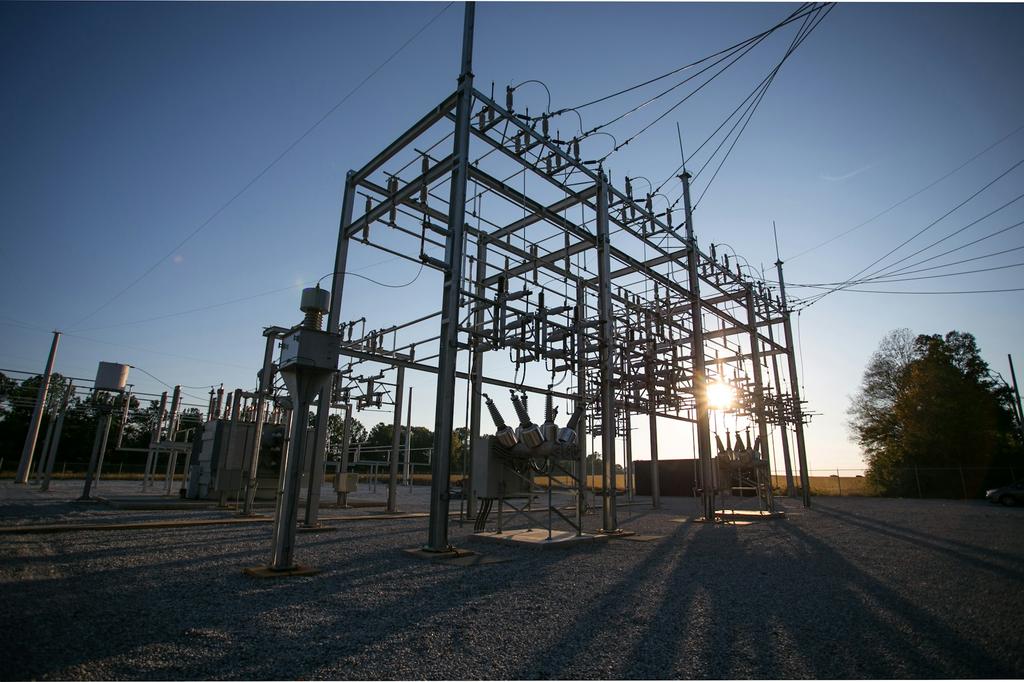
To truly embrace the full potential of renewable energy in the United States, a monumental transformation of the existing electricity grid is imperative. The hardware that crisscrosses the nation, a vestige of centralized, fossil-fuel dependency, must evolve to match the decentralized, dynamic nature of wind, solar, and storage power plants proliferating across the land. The aspiration to modernize the grid, however, confronts a stark reality: the infrastructure investment needed is colossal, and the strategy to undertake this endeavor remains unfocused.
At the center of this conundrum is the urgent need for thousands of miles of new transmission lines to channel renewable energy from the sprawling landscapes where it’s harvested to the urban nuclei that consume it voraciously. Joseph Rand, a Lawrence Berkeley National Laboratory researcher, elucidates that the capacity for renewable energy is advancing rapidly. He points out that wind and solar capacities are poised to hit the 1,500 to 2,000 gigawatts mark necessary for a clean grid. However, the current pathways to deliver this power are insufficient and fragmented.
Such an extensive revamp prompts us to revisit the primary conceptions of power distribution. Dr. Arjun Makhijani, president of the Institute of Energy and Environmental Research, suggests looking beyond the mere expansion of transmission lines. He proposes a foray back to fundamentals: optimizing the flow of electrons using the existing infrastructure, complemented by innovative technologies. Strategies like distributed energy, demand response, seasonal thermal storage, and grid-optimizing technologies could be essential to this puzzle.
The challenges in acquiring local permits for new plants compound grid modernization hurdles. This spotlights the need for projects to align with the needs of communities that would host them. The leap to an alternative energy future necessitates a symbiotic relationship between energy developers and localities. It ensures that new plants are not just pinnacles of clean energy but also beacons of local prosperity and acceptance.
Admittedly, these complications extend beyond the purview of strict scientific inquiry. Science and engineering experts are thus called to step out of their disciplinary enclaves. They need to navigate the intricate social, institutional, and regulatory fabrics that entwine the future of the U.S. power grid. It is within this interdisciplinary crossing that the hope for a modernized grid rests. This propels the country towards a future where the abundance of generated renewable energy finds an unfettered path to every switch, outlet, and appliance it seeks to power.
The Financial Hurdle for Clean Energy Projects
A disdainful challenge to the proliferation of renewable energy infrastructure in the U.S. is the extraordinary financial burden associated with connecting to the current electrical grid. The initial enthusiasm of renewable energy developers often clashes with the harsh economic realities of interconnection costs. These costs are not only excessive but also exceptionally variable, posing an existential threat to the very viability of these projects.
The crux of the problem lies in the unforeseen financial demands imposed on developers for grid enhancement and accommodation of new power plants. As elucidated by industry experiences, such as that of Pine Gate Renewables in North Carolina, estimated expenses for grid connection can balloon from manageable millions to prohibitive tens of millions of dollars in the blink of an eye. These startling cost amplifications, determined by the regional transmission authorities during the interconnection process, force energy companies into predicaments that frequently result in project termination or withdrawal from the interconnection queue. As these upfront costs escalate unabated, renewable energy projects encounter a formidable barrier, stifling their progression and stunting the growth of the green energy sector.
The interconnection queue presents itself as a gauntlet, testing both the financial acumen and the tenacity of renewable energy ventures. The backlog of clean energy awaiting integration into the grid reflects a broader climate conundrum, indicative of an infrastructure that has approached its threshold and is in critical need of expansion and modernization. Without sufficient transmission headroom, the burgeoning clean energy transformation finds itself trapped in a chokehold of financial constraints.
As these impediments become more widely recognized, they demand a response that is as much innovative in policy formulation as it is aggressive in infrastructure investment. The prospect of achieving the desired green energy future is contingent upon the resilience and adaptability of existing systems to support an equitable and sustainable transition. What remains paramount is navigating the financial hurdles that stand between the untapped potential of renewable energy sources and their meaningful contribution to a decarbonized grid. This ensures a more democratic and financially accessible energy landscape for the future of the United States.
Potential for Policy and Technological Solutions
Recognizing the pressing need to overcome the roadblocks to renewable energy integration, there is considerable discussion surrounding the infusion of both policy reforms and technological advancements to untangle the current impasse. Pioneers in the energy sector and policymakers are advocating for systemic changes that could herald a new era for the U.S. electricity grid. This new era would be more attuned to the imperatives of a sustainable future.
Policy-wise, the Federal Energy Regulatory Commission (FERC) has signaled its intention to propel interconnection reforms to alleviate the queues that cause significant delays to renewable energy projects. Proposed changes seek to enhance efficiency within the interconnection process, providing developers with more detailed information to make informed siting decisions, reducing the need for speculative queue requests, and imposing stricter timelines for study completions by grid operators. These iterative improvements represent a beacon of progress, signifying a federal-level acknowledgment of the problem and a commitment to tackle it head-on.
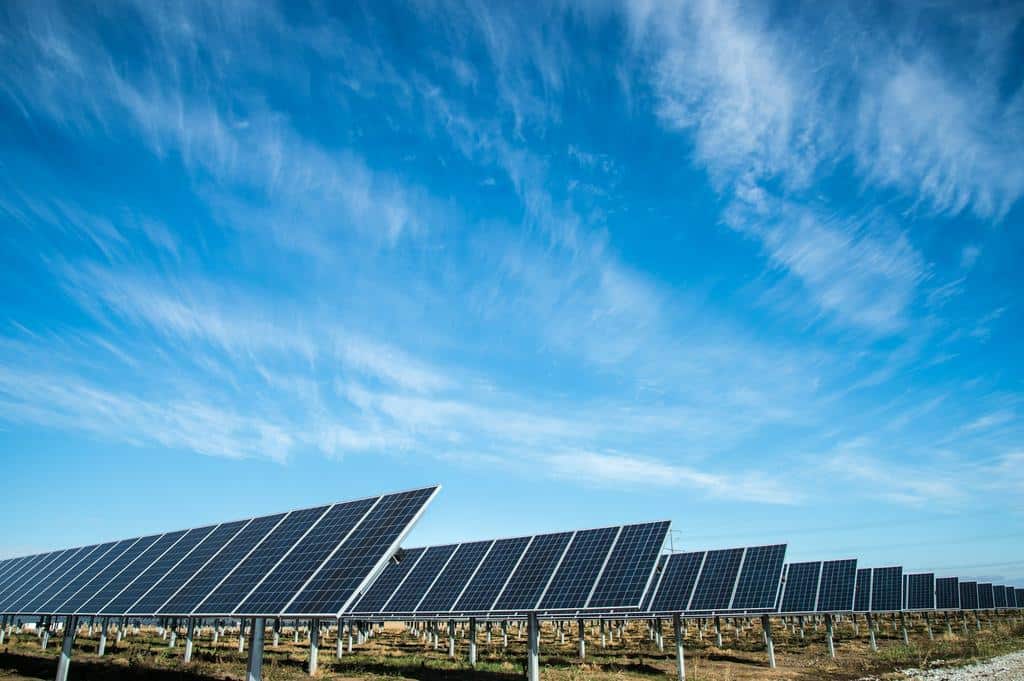
Simultaneously, there is a genuine opportunity to leverage the proliferation of new technologies to streamline the grid integration of green power. From software that better predicts and manages power flows to hardware that increases grid capacity and flexibility, there is a gamut of innovations poised to render the grid more accommodating to variable renewable energy sources. Energy storage advancements, too, offer a promising avenue. They enable a more stable and reliable provision of electricity, particularly when harnessing the intermittency of renewables such as wind and solar.
The collective effort to bridge the gap between renewable energy’s potential and grid integration reality hinges upon a dual approach: embracing the policy reforms necessary to decongest the interconnection pathways and investing in technological solutions that modernize and upgrade the existing energy infrastructure. As researchers and industry experts cross-collaborate, the focus extends beyond the technical constraints. It accounts for social engagement and public policy dynamics that influence the deployment of clean energy.
While FERC’s proposed rule changes lay the foundational framework to ameliorate the backlog and inefficiencies within the interconnection process, it will require a concerted and sustained effort to enact these reforms effectively. Stakeholders are poised with cautious optimism. They are waiting to see if this potential for policy and technological solutions will unfold into tangible changes that can advance the transition to green energy for the United States to meet its ambitious climate goals. They are also waiting to see if, like the wind, these opportunities will pass ungrasped.

The Role of Renewable Energy in U.S. Energy Independence
As the United States navigates the transition toward a decarbonized energy grid, the broader implications of renewable energy integration reflect national strategies for achieving energy independence and climate resilience. The push for a sustainable shift in the energy sector is not merely a domestic environmental crusade. It is also a stepping stone towards securing a competitive edge in the rapidly evolving global energy markets.
Renewable energy sources stand paramount in the nation’s pursuit of self-reliance, promising to diminish the reliance on imported fossil fuels and to buffer the economy from volatile global market swings. Localizing energy production through renewable means—capturing the winds, the sun, and the earth’s heat—presents a compelling narrative for a nation charting its course toward a secure and sovereign energy future. This reclamation of power generation within U.S. borders underscores the strategic significance of overcoming the grid integration challenges that currently bottleneck clean energy proliferation.
Yet, the urgency resonates beyond nationalism. The geopolitical landscape is shifting as nations around the globe escalate their commitments to clean energy. This raises the stakes for innovation and leadership in the renewable sector. With regulatory roadblocks stymieing European research and development, as noted in the troubled hydrogen research landscape, the U.S. faces both an opportunity and a warning: adapt and advance or risk losing ground in the global race for renewable technologies.
The potential exodus of green companies to more favorable regulatory environments, such as those fostered by the U.S. Inflation Reduction Act, highlights the delicate balance between aggressive climate ambitions and the practical realities of policy frameworks that either incubate or impede innovation. The importance of establishing a conducive landscape for renewable energy research and deployment cannot be overstated as the nation vies for a position at the vanguard of the green revolution.
In synthesizing the disparate threads of environmental policy, economic strategy, and technological prowess, the United States confronts the pivotal question. Can the nation realign its infrastructure and regulations to foster the growth of renewable energy and, in doing so, capture the reins of energy independence and climate leadership? The answer to this question will chart the trajectory of the nation’s role in shaping both the domestic and international energy landscapes in an era increasingly defined by the imperatives of sustainability and resilience.
Conclusion: Fostering the Future of U.S. Renewable Energy
The challenges loom large as we strive to illuminate the path ahead for the United States’ green energy transition. Yet, so do the opportunities. The dialogue surrounding the nation’s transition to a carbon-neutral grid reveals the multifarious nature of this endeavor. It’s an undertaking that extends beyond technical fixes, requiring holistic, systemic transformations. The necessity for modernizing the grid, mitigating financial impediments, embracing policy reforms, and leveraging technological innovations becomes ever more evident.
In the realm where ambitious climate targets intersect with the grit of infrastructure and policy realities, the nation faces a defining moment. This is the opportunity to catalyze a cleaner, sustainable, and independent energy future.
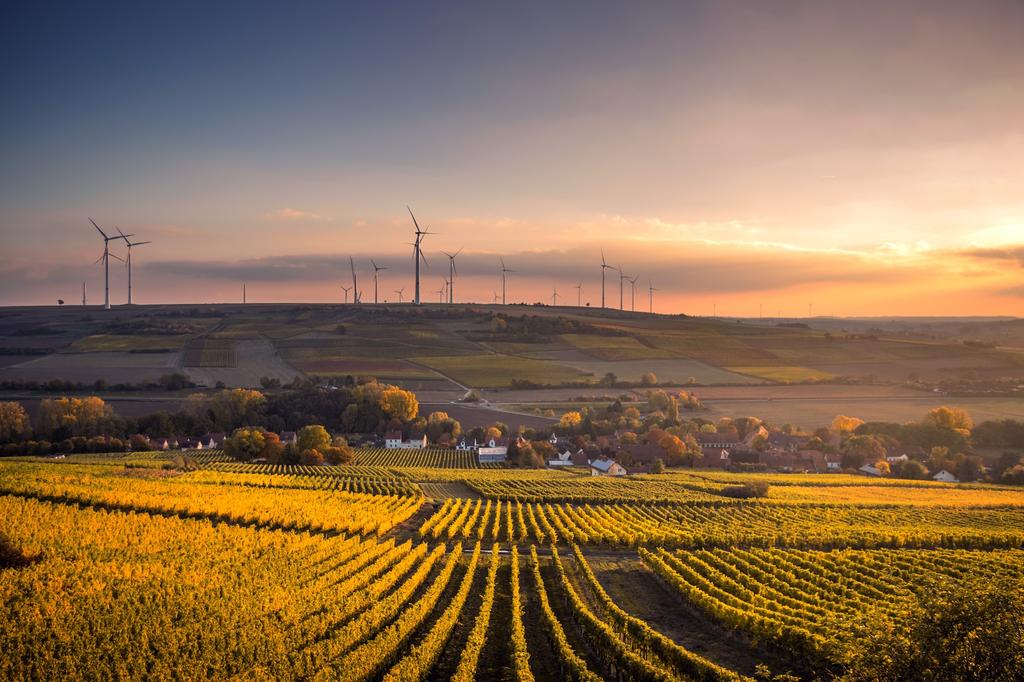
Indeed, the road ahead is arduous, with bureaucratic labyrinths and financial roadblocks challenging our collective resolve. But the growing pains encountered today are part of a transformative journey that holds the promise of a brighter tomorrow. This is a tomorrow where the energy that powers our homes, businesses, and vehicles is as clean as the air we aspire to breathe. Through a concerted effort to tackle the systemic issues that constrain renewable energy projects, we move closer to realizing the vision of an electrified country. The winds, the sun, and the indefatigable human spirit propel this country.
To achieve the transformational shift necessary to meet the stipulated energy goals, it falls upon policymakers, technologists, financiers, and community leaders to join forces. They need to bridge divides with innovative solutions and clear-eyed determination. The potential for a renewable energy landscape that contributes to national autonomy and global leadership in clean technology is within reach. This potential is only unlocked when we dare to reimagine the possible and work tirelessly to materialize the dream of an empowered, green, and sustainably electrified America.


