
You have likely watched modern medicine change over the past decade. Doctors and scientists are moving away from simply managing chronic symptoms, choosing instead to look closely at how human cells heal themselves. Because of this shift, you now hear far more about molecular therapies and targeted biological compounds in everyday health conversations.
Understanding this rapidly evolving field helps you separate genuine scientific breakthroughs from early hype. When you look at how laboratories design, test, and verify these compounds, you gain a clearer picture of what future medical treatments might look like.
Why Does Laboratory Supply Sourcing Matter So Much?
Every major clinical breakthrough starts on a laboratory bench long before human trials ever begin. If a research team works with degraded or impure compounds, their experimental data becomes completely unreliable, wasting months of funding and effort.
Independent and institutional labs must verify the exact chemical makeup of every vial they bring into their facilities. Sourcing peptide research supplies from qualified suppliers allows laboratories to maintain strict baseline consistency across repeated cellular assays. When researchers trust their foundational materials, they can accurately measure how specific molecular sequences interact with living tissue.
Poor-quality supplies can lead to inconsistent results that are difficult to reproduce. Research teams should review product specifications and request certificates of analysis before accepting materials. Proper storage conditions help protect compounds from damage.
What Is Regenerative Science Trying to Solve?
Traditional medicine often relies on symptom management or surgical replacement when tissues break down. If you damage a tendon or develop a degenerative condition, standard treatments typically focus on reducing inflammation or masking pain rather than rebuilding the original tissue.
Regenerative science takes a fundamentally different path by targeting the root cellular damage. According to the Mayo Clinic, this approach aims to repair, replace, or regenerate compromised cells, tissues, and organs rather than just treating surface symptoms. Scientists study the exact chemical signals your body uses during natural healing so they can replicate those signals in a controlled environment.
Your cells constantly communicate through microscopic chemical messengers. When an injury occurs, specialized proteins and short amino acid chains rush to the site to direct inflammation, clear out damaged debris, and trigger new tissue growth.
Short chains of amino acids act like precision keys that fit into specific cellular locks. When these chains bind to receptors on a cell surface, they instruct the cell to produce collagen, build new blood vessels, or accelerate local repair.
How Are Molecular Therapies Evolving?
Early regenerative treatments relied heavily on harvesting whole cells from a patient, modifying them in a lab, and reintroducing them into the body. While used in certain clinical contexts, whole-cell therapies remain expensive, complex to store, and difficult to scale for widespread use.
Today, researchers focus heavily on isolated molecular compounds that mimic the beneficial effects of whole-cell therapies without the logistical hurdles. These smaller molecules offer greater stability and allow scientists to target specific biological pathways with remarkable precision.
Key Standards for Lab Procurement
- Verify third-party testing: Reputable suppliers provide independent certificates of analysis showing exact purity levels and molecular weight verification.
- Check cold-chain logistics: Temperature-sensitive compounds degrade quickly if exposed to heat during transit, ruining experimental validity before testing starts.
- Confirm batch traceability: Laboratories need clear lot numbers and synthesis dates to track variables across multi-month studies.
What Do Recent Molecular Studies Reveal?
Laboratory teams around the world are actively mapping how specific compounds influence tissue recovery, metabolic function, and immune regulation. Rather than looking for a single cure-all, modern studies examine how distinct molecular structures behave under controlled stress tests.
Preclinical studies frequently examine how targeted compounds accelerate recovery in tendons, ligaments, and muscle fibers. Researchers observe how these molecules stimulate fibroblast migration and encourage localized blood flow to areas that normally heal slowly.
Other research tracks focus on mitochondrial health and cellular energy production. Scientists test whether specific compounds can protect cells from oxidative stress, and how tissues maintain normal function as they age.
How Do Labs Validate Compound Purity and Safety?
Before a compound can move from basic bench research toward clinical evaluation, it must pass rigorous analytical screening. Even trace amounts of leftover solvents or synthesis byproducts can skew cellular test results or trigger unexpected toxicity in tissue cultures.
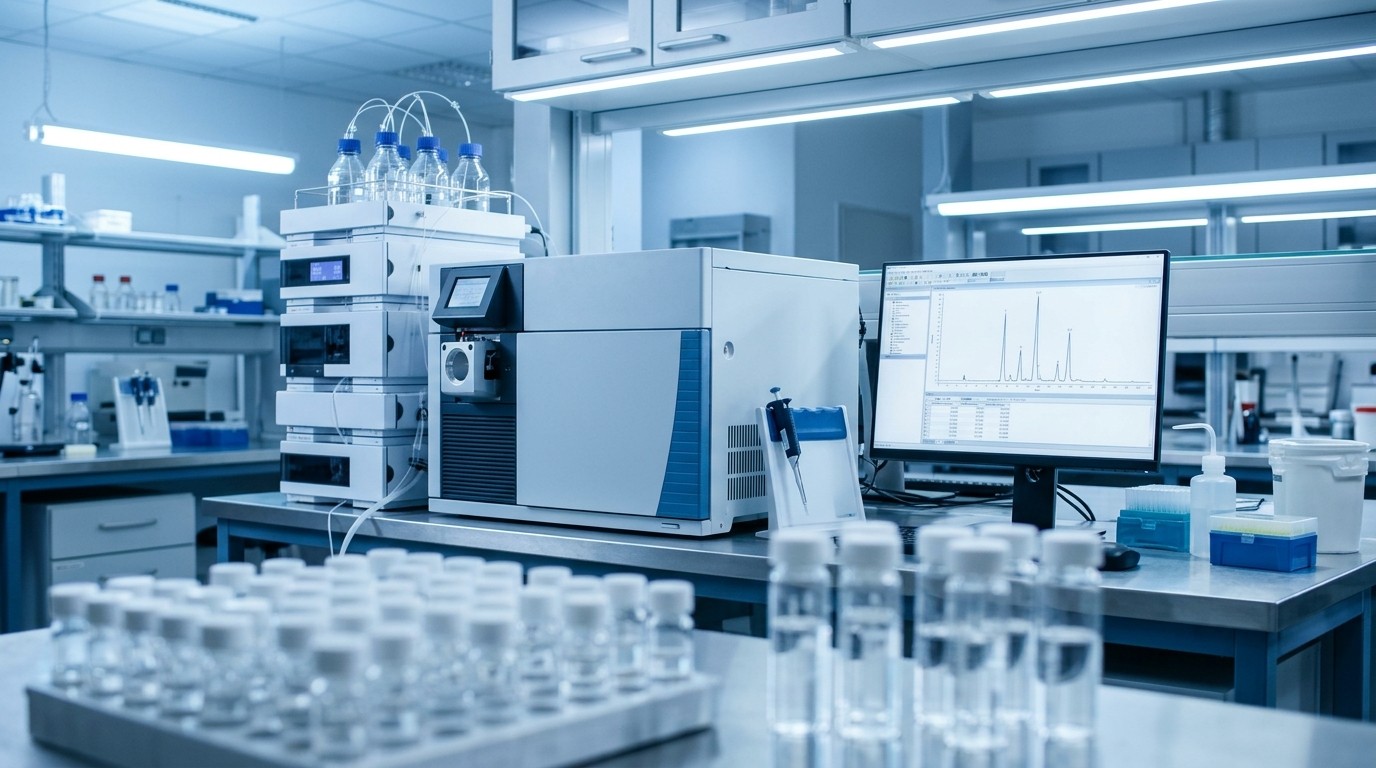
Analytical chemists rely on specialized equipment to confirm that a sample matches its theoretical blueprint. The ICH Q2(R2) guideline states that reference materials, or other suitably characterized materials, with documented identity and purity should be used in validation studies. Without these verification steps, one lab could never successfully replicate another team’s published findings.
- High-performance liquid chromatography: Technicians use this method to separate components in a mixture and measure the exact percentage of pure compound present.
- Mass spectrometry analysis: This technique weighs individual molecules to confirm that the amino acid sequence matches the intended design without missing links.
- Endotoxin screening protocols: Labs test samples for bacterial contaminants that could trigger false inflammatory responses during sensitive cell culture experiments.
What Challenges Remain in Translational Research?
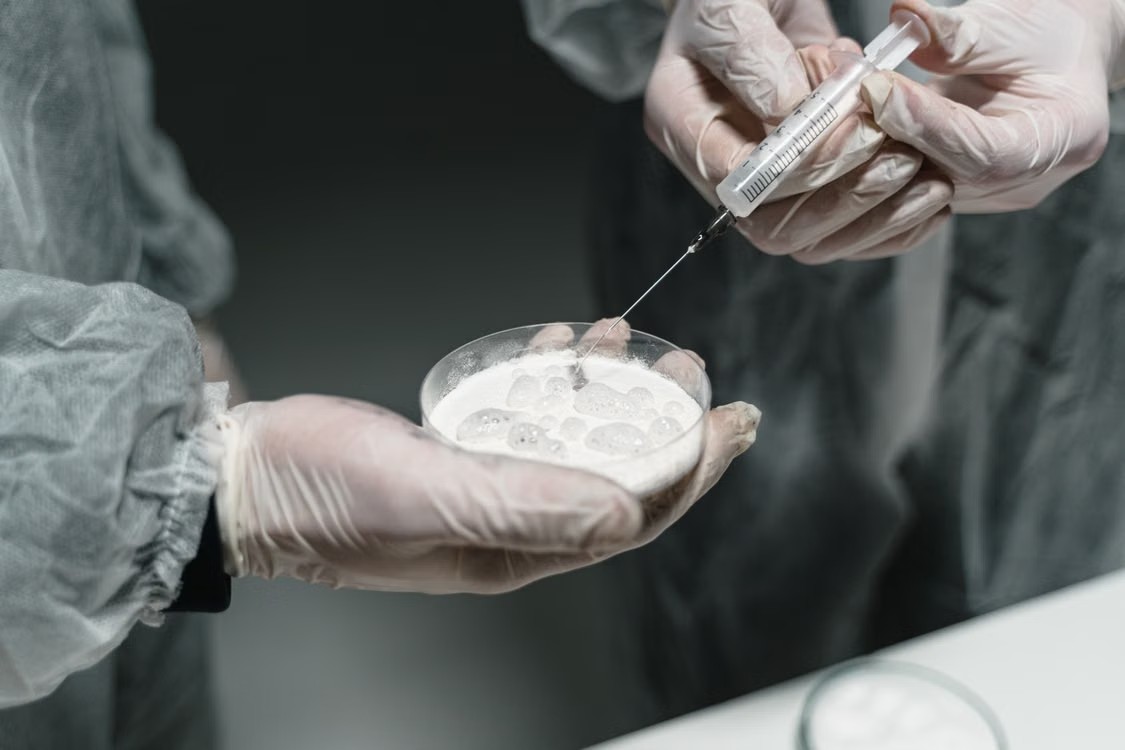
Moving a promising compound from a petri dish into real-world medical practice takes years of methodical validation. A molecule that performs well in isolated cellular models may behave differently once introduced into a complex living system.
Researchers must determine optimal dosing windows, delivery methods, and metabolic half-lives. Many promising compounds break down too quickly in the bloodstream, requiring scientists to engineer more stable variations before human trials can safely proceed.
How Can You Evaluate Emerging Cellular Research?
When you read headlines about new cellular therapies, looking closely at the study design helps you gauge how close the science actually is to practical application. Early animal studies and in vitro cell trials represent vital first steps, though they differ greatly from multi-phase human clinical trials.
Look for published findings that disclose sample sizes, control groups, and independent purity verification. Transparent methodology shows that the research team followed strict scientific standards rather than rushing preliminary observations into the spotlight.
Building a solid understanding of regenerative science starts with appreciating the meticulous work happening behind closed laboratory doors. When researchers combine sound experimental design with verified materials and rigorous analytical testing, they lay the groundwork for safe, reproducible discoveries that move modern medicine forward.

