
Some products are easy to explain with a photo or a short list of features. Others depend on hidden parts, movement, or relationships that customers cannot see during a purchase. In those cases, 3D animation can turn an abstract description into a visible sequence. But added depth alone does not guarantee clarity. The test is whether it answers a real customer question, starting with the details that are difficult to communicate through ordinary images.
Product teams should identify what viewers need to understand: a component, a process, or how parts fit together. A 3D animation video production company can turn that question into a sequence of views, but the brief still needs accurate product details and a clear audience task. Without those decisions, polished motion can obscure the point instead of clarifying it. The team should also agree on which product features must remain technically accurate throughout the animation.
When Depth Answers a Question
A product benefits from 3D when its shape or construction affects how it works. A flat image cannot always show how a fitted part sits inside a housing or connects to another piece. A rotating view or cutaway can reveal those relationships without requiring viewers to interpret a technical drawing.
The format is less useful when a close-up already explains the product’s color, texture, or simple feature. In that case, animation adds activity without answering another question. Identify the feature that customers find difficult to understand and use 3D only if it makes that detail easier to see.
Show Hidden Steps and Interactions
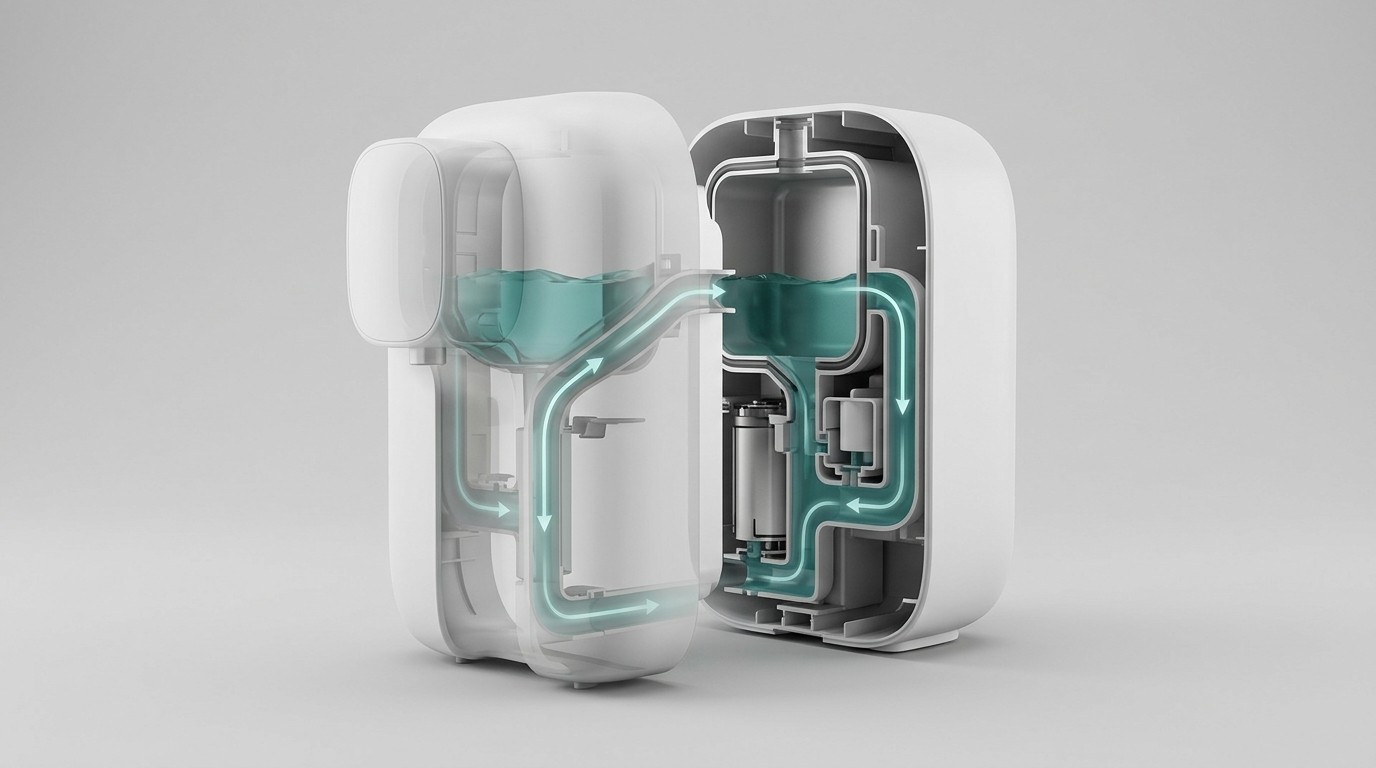
3D animation can make internal actions visible. A sequence can show a part moving through a mechanism, liquid traveling through a device, or components connecting during assembly. Viewers can follow the order of events instead of imagining it from blocks of explanatory text.
Each action needs a clear purpose. If several parts interact, show the movement that explains the main function first. Keep other components still or subdued until they matter. This hierarchy helps viewers follow cause and effect without mistaking decorative motion for product behavior.
Match the Format to the Explanation
Not every product needs a fully modeled scene. A photograph explains surface appearance, a diagram labels parts, and live footage shows an item in use. 3D fits better when the explanation depends on a view a camera cannot capture, such as an internal cutaway or a controlled view of assembly.
Compare formats by asking what information each one makes visible. If a diagram answers the question with fewer details, use it. If viewers need to grasp shape, depth, and motion together, 3D may make interactive 3D product presentations more direct. The aim is to explain the product clearly, not to add visual complexity without a clear purpose.
Make Scale and Viewpoint Clear
A moving camera changes what viewers see, so every angle needs a purpose. A steady overview can establish the product’s shape before the animation moves closer to a working part. If views shift without a clear visual connection, viewers can lose track of where components sit.
The product’s size and proportions should also be easy to understand. Show the product beside a familiar object, or keep the whole product in view while zooming into a detail. Labels can name parts, but they should not explain information the image can show. If the model’s dimensions are simplified, avoid choices that suggest a different size or proportion.
Keep Motion Tied to Function
Movement should demonstrate how the product works rather than simply make the animation look more dynamic. A cap twisting open, a latch closing, or a panel sliding into place gives motion a clear purpose. Repeated spins and sweeping camera moves distract when they do not explain use, structure, or operation.
The animation also needs to represent the product accurately. Teams should check the model against product drawings or approved reference images, then review each action with someone who knows how the item works. A convincing sequence that misstates a connection or movement creates confusion rather than resolving it.
Test What Viewers Can Explain
Before release, show the animation to people who have not worked on the product. Afterward, ask them to describe what it does, which part performs the main action, and what happens next. Their answers show whether the sequence communicates the intended idea or leaves gaps.
If viewers remember the camera movement but miss the function, simplify the scene. If they identify the function but confuse two parts, adjust the framing or labels. The review should test whether the animation communicates its message, not whether viewers liked it. Revise scenes that fail the task, then test them again.

Conclusion
3D animation makes a product easier to understand when its shape, hidden structure, or movement answers a question that words and flat images leave open. Before commissioning a video, write down the action or relationship viewers need to grasp, then choose the format that shows it with the least distraction. If a simple image explains the product just as clearly, keep production simple. If not, use 3D to make the unseen visible.


