
Smart thermostats, app-controlled heating, and real-time energy dashboards have changed what a modern green home can look like. Yet technology can only do so much if the building underneath it wastes heat or its low-carbon systems do not work well together. As energy costs keep household efficiency firmly in focus, the most effective homes take a more joined-up approach.
Start With the Building, Not the Dashboard
Before you add clever controls to make your home greener, look at how the building itself manages heat. A smart thermostat cannot compensate for poorly fitted insulation, draughty windows or gaps around service penetrations.
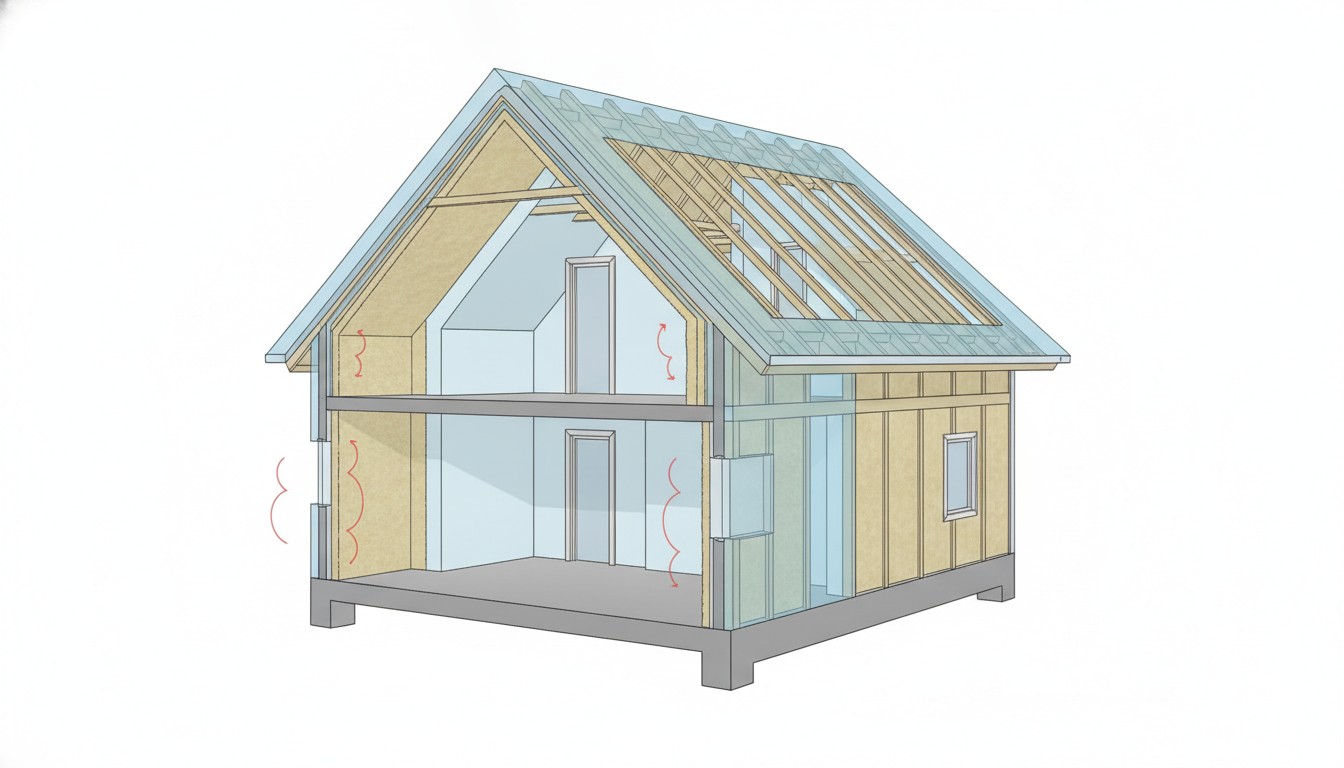
This is where the fabric-first approach comes in. By improving the walls, roof, floors and windows and airtightness of a home, you reduce the amount of energy it needs in the first place. This also lowers the size and running cost of any heating system installed afterwards, which is particularly important for heat pumps designed to run at lower flow temperatures.
Good construction also needs to consider moisture and ventilation. Simply sealing every gap can cause problems if you fail to provide adequate ventilation. Your designer or retrofit professional should consider insulation, airtightness and ventilation as parts of the same strategy, rather than treating each measure as a standalone upgrade.
Low-Carbon Systems Have to Work Together
Solar panels, heat pumps and battery storage can all cut a home’s reliance on conventional energy, but adding several technologies does not automatically create an efficient system.
Take an air-source heat pump. It usually works most effectively when it supplies water at a lower temperature than a traditional gas boiler. That means your installer needs to consider radiator sizes, underfloor heating, heat loss, and controls together.
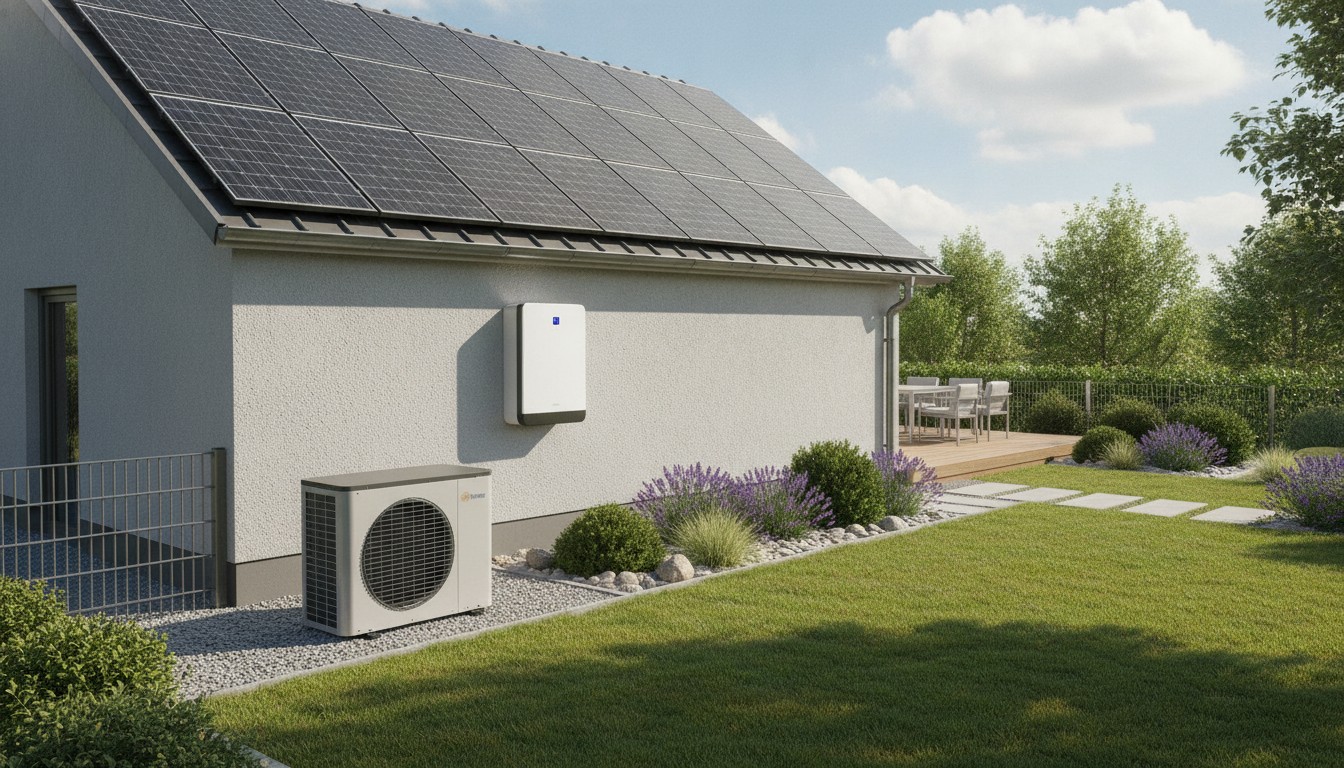
Solar PV and battery storage introduce another layer. Rather than simply installing the largest battery that space and budget allow, installers should consider when you generate electricity and when you actually use it. Matching generation to household routines, such as daytime appliance use or overnight heat pump operation, helps improve self-consumption and overall savings.
The Skills Behind High-Performing Homes
As homes combine electrical systems, heating equipment, solar generation and increasingly sophisticated controls, tradespeople need skills that cross traditional boundaries. Electricians and heating engineers may need renewables training to understand how technologies such as heat pumps, solar PV and battery systems interact with the wider property.
Coordination matters on site, too. An electrician drilling through an airtightness layer, for instance, needs to know how to reseal the penetration correctly. A heating engineer needs accurate room-by-room heat-loss calculations rather than relying on assumptions based on an old boiler.
Measure Performance Rather Than Promises
For new builds and major energy upgrades, checks such as airtightness testing can reveal leaks that you cannot easily see.
Thermal imaging can highlight areas where insulation is missing or where heat escapes around junctions. Commissioning records, seasonal efficiency figures and straightforward meter comparisons give a clearer picture than headline product claims alone.
Instead of watching a smart meter for a day and drawing conclusions, compare energy consumption over several weeks while accounting for changes in weather and occupancy.
If a heat pump suddenly consumes far more electricity than expected, the problem could lie with control settings, flow temperatures, or the building’s heat loss rather than the technology itself.
From Smart Homes to Better-Performing Homes
Smart technology works best when it fine-tunes an already efficient building. A connected thermostat can help you schedule heating more precisely, while energy monitoring can show you when demand rises. Neither replaces good insulation, thoughtful system design, or competent installation.
If you are planning a greener home, start by understanding how much energy the property needs and where it loses heat. Then you can choose improvements and low-carbon technologies that suit its construction, your household routines and your budget.

