
Australia’s urban landscapes are undergoing a profound transformation. Recent data from the Property Council of Australia reveals that the national office vacancy rate reached a post-pandemic high of 16.1 percent in the first half of 2026. In major hubs like the Melbourne CBD, vacancy rates peaked at approximately 18.9 percent. At the exact same time, the nation is grappling with a severe housing shortage and affordability crisis. With remote and hybrid work models becoming permanent fixtures, city planners and environmental advocates are looking at these empty towers not as a loss, but as a unique opportunity to solve two crises simultaneously. Converting underutilised commercial spaces into sustainable housing, a process known as adaptive reuse, is quickly emerging as the future of urban living.
Managing the Logistical Shift and Office Strip-Outs
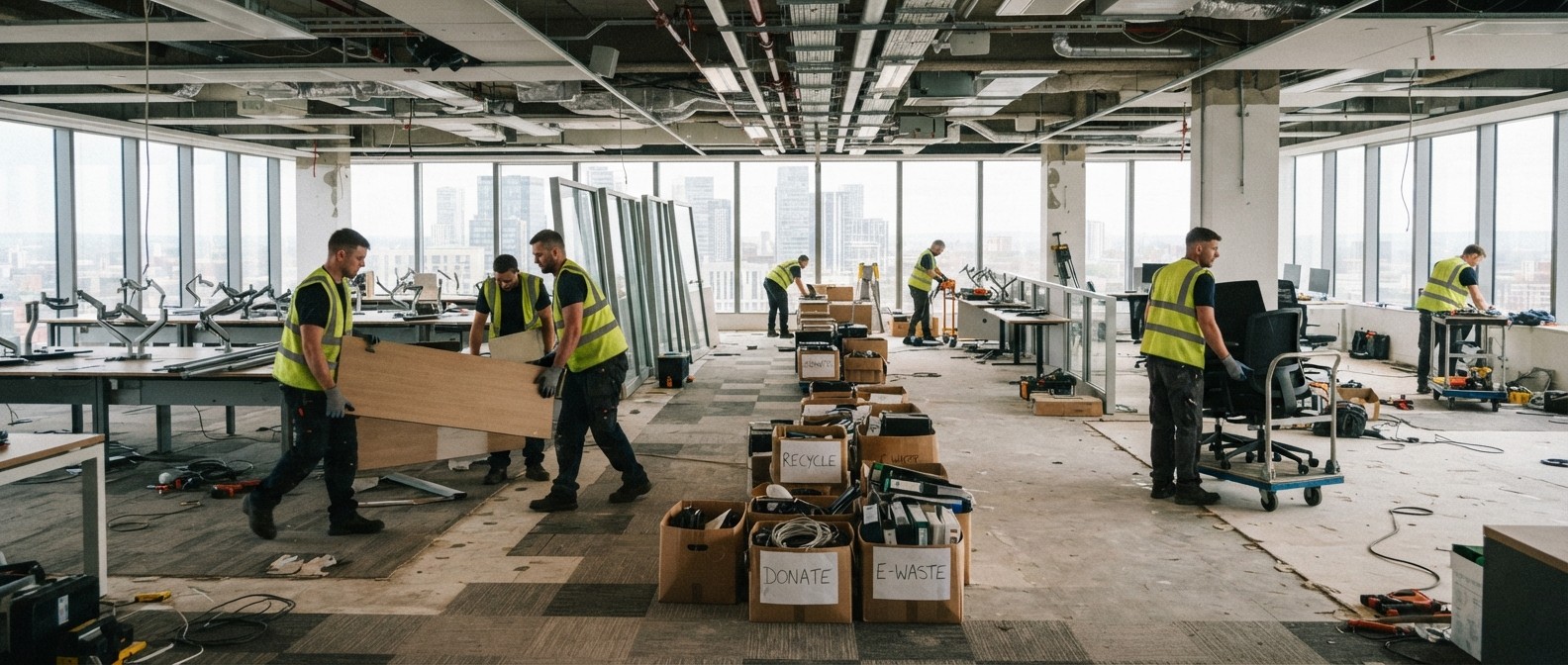
Transforming a corporate tower into eco-friendly apartments is a complex process that begins long before the first residential floor plan is drawn. The logistical first step involves safely clearing out the old corporate infrastructure. Between 30,000 and 35,000 tonnes of commercial office furniture are discarded annually across Australian capital cities. If this material is simply sent to a landfill, it severely undermines the sustainability goals of the entire conversion project. To prevent this massive loss of refined raw materials, project managers rely on experienced commercial removalists to responsibly clear the space. These logistics professionals ensure that unwanted office furniture, partitions, and electronics are carefully dismantled and transported for recycling or donation. National resource recovery programs allow these items to be rehomed to charities rather than tipped, laying a truly green foundation for the upcoming residential renovation.
The Environmental Case Against Knock-Down Rebuilds
The push for adaptive reuse is heavily driven by the urgent need to decarbonise the built environment. Demolishing an empty office building to construct a new residential tower from scratch generates an immense amount of waste and greenhouse gases. The Australian construction industry is responsible for 18.1 percent of the national carbon footprint, representing over 90 million tonnes of greenhouse gas emissions annually. Studies confirm that choosing to retrofit rather than rebuild can save thousands of tonnes of CO2. Retaining the core structure of a building drastically slashes these embodied carbon emissions.
This shift in thinking represents a major evolution in how we approach green building. While integrating energy-efficient systems and responsibly sourced materials are standard ideas for sustainable construction projects, adaptive reuse takes these principles much further. By maximising the existing structural footprint, developers completely bypass the heavy environmental toll of manufacturing and transporting new concrete, steel, and glass to the site.
Key Benefits of Repurposing Commercial Real Estate
The advantages of converting empty offices into sustainable apartments extend far beyond waste reduction. When developers and city councils embrace adaptive reuse, they unlock several powerful benefits for both the environment and the community.
- Massive Carbon Savings: According to a 2024 report by property consultancy Slattery, retaining the structure and envelope of an existing commercial building can save between 300 and 500 kilograms of greenhouse gas emissions per square metre of gross floor area.
- Rapid Housing Supply: Upcycling an existing building is often faster than a traditional ground-up build. Research by architectural firm Hassell indicates that converting underutilised office buildings in Melbourne alone could yield at least 12,000 new apartments to house 20,000 residents.
- Circular Economy Integration: By salvaging building materials and properly managing end-of-life office infrastructure, developers actively participate in the circular economy. This practice is increasingly becoming a required component of corporate Scope 3 emissions reporting and Green Star project accreditations.
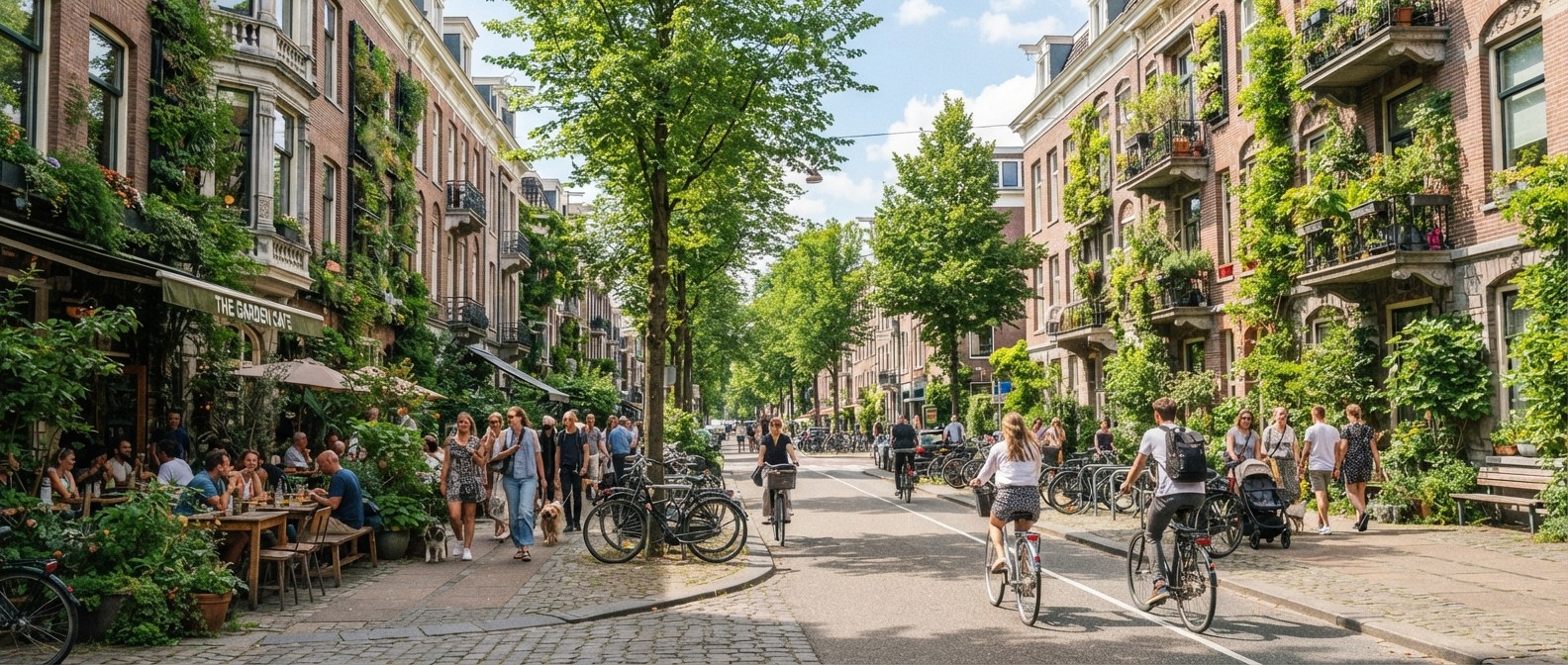
- Urban Revitalisation: Bringing residents into former commercial districts creates vibrant, round-the-clock neighbourhoods. Instead of emptying out at dusk, these areas remain active and secure. This revitalises local economies, supporting cafes, grocery stores, and public transport networks that previously relied solely on nine-to-five commuter traffic. Furthermore, it limits urban sprawl by keeping development within established civic boundaries where infrastructure is already firmly in place.
Shaping the Eco-Cities of Tomorrow
Without major structural interventions like adaptive reuse, the Green Building Council of Australia projects that embodied carbon could grow to represent 85 percent of the country’s built environment emissions by 2050. Initiatives like the Adaptive Reuse City Housing Initiative in Adelaide are already providing targeted grant funding to incentivise these green conversions. There is also a growing cultural appreciation for the unique aesthetics of repurposed spaces, where exposed beams and original industrial features tell the story of a building’s past. As more cities recognise the value of their existing structural assets, the practice of transforming empty offices into sustainable homes will only accelerate. Ultimately, the greenest building is the one that is already built.

