
Modern cities and neighborhoods face intense pressure from unpredictable storms, extreme heat, and heavy winds. Building communities that last requires starting at the very top of every structure. A strong, well-constructed roof acts as the primary shield between a building’s interior and the elements outside.
Without a dependable upper barrier, even the most energy-efficient walls and foundations will fail prematurely. True sustainability means creating structures that resist damage, minimize repair waste, and conserve energy across decades of service.
The Foundation of Resilient Building Design
Green building often brings solar panels, smart thermostats, and recycled insulation to mind. These upgrades mean very little if water leaks through the ceiling during the first major thunderstorm of the season. Moisture intrusion rots wooden framing, ruins indoor air quality, and forces property owners to tear out damaged materials long before their expected lifespan ends.
Prioritizing the outer shell of a home or commercial building prevents the cycle of premature replacement. When a structure stays dry and intact during severe weather, fewer raw materials get pulled from the earth to manufacture replacement parts.
Durability forms the core of environmental responsibility in construction. Every year a roof stays functional keeps tons of construction debris out of local landfills and cuts down on the carbon emissions tied to manufacturing and shipping new supplies.
How Material Choices Impact Long-Term Durability
Selecting the right covering for a sloped roof involves balancing upfront costs, weight, and weather resistance. Heavy storms bring a mix of driving rain, hail, and high-velocity gusts that test every seam and fastener on a building. Weak materials tear away easily, leaving the underlying decking exposed to rapid decay.
Modern engineering has transformed traditional roofing products into tough, multi-layered defense systems. Investing in a professional asphalt shingle roof installation gives property owners a proven, impact-resistant barrier engineered to handle harsh seasonal shifts. Fiberglass-reinforced layers lock together tightly to block wind uplift and shed heavy downpours efficiently.
Choosing dependable materials stops minor weather events from turning into major structural emergencies. A reliable barrier protects the entire building envelope, keeping insulation dry and structural supports sound for decades.
Managing Heat and Energy Efficiency From Above
A roof manages how much thermal energy enters a building. Dark, outdated roofing surfaces absorb massive amounts of sunlight, driving up attic temperatures and forcing air conditioning systems to work overtime during summer months.
- Solar-reflective granules bounce sunlight away from the roof deck instead of trapping heat.
- Better attic ventilation pairs with reflective surfaces to let trapped warm air escape naturally.
- Lower indoor temperatures reduce peak electricity demand across entire neighborhoods during heatwaves.
- Consistent indoor climates prevent mechanical HVAC systems from wearing out ahead of schedule.
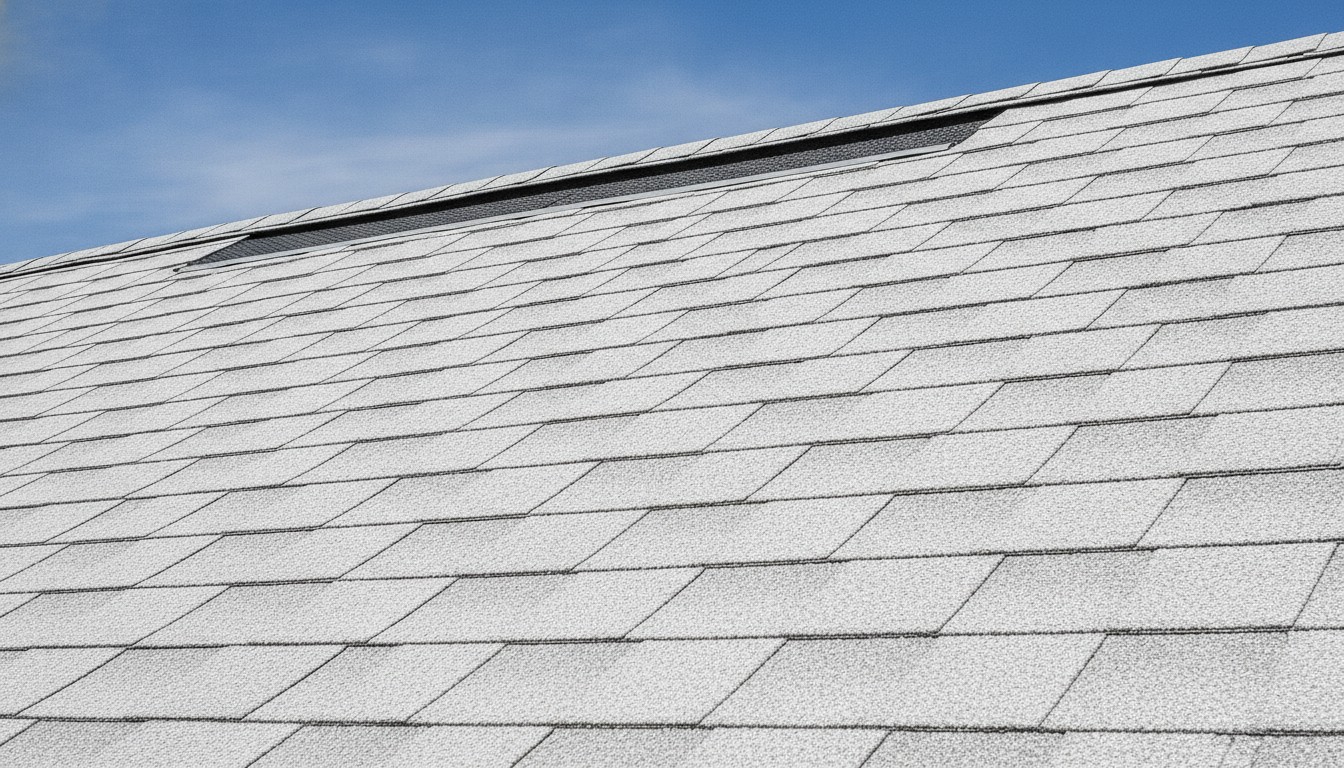
A market analysis noted that shingles designed with solar-reflective granules can reflect more of the sun’s energy than standard dark shingles, which reduces rooftop heat absorption. Some manufacturers report markedly lower surface temperatures for their reflective products, though published figures vary widely and depend on how each product is tested. Keeping the top of a building cool lowers monthly utility bills and shrinks the carbon footprint of the property.
Reducing Waste Through Extended Lifespans
The construction industry generates massive amounts of solid waste every year, and torn-off roofing materials make up a huge portion of that volume. Replacing a failing roof every decade or so creates a steady stream of discarded shingles, nails, and underlayment heading straight to local dump sites. Service life depends on the product, the climate, and the quality of installation, and manufacturer warranties give one indication of how long a specific shingle is expected to perform.
Extending the service life of a roof by even a single decade dramatically changes the environmental math. High-grade architectural products resist curling, cracking, and granule loss under intense ultraviolet exposure, allowing them to stay in place far longer than basic builder-grade options.
Fewer replacements mean less fuel burned by delivery trucks and dumpsters hauling debris away from residential streets. Longevity turns a standard exterior remodel into a lasting investment in resource conservation.
Defense Against High Winds and Hail
Severe convective storms pose one of the biggest threats to residential and commercial infrastructure today. Hailstones strike roof surfaces at high speeds, bruising the matting and knocking protective mineral granules loose. Once those granules wash into the gutters, the underlying asphalt bakes in the sun and becomes brittle.
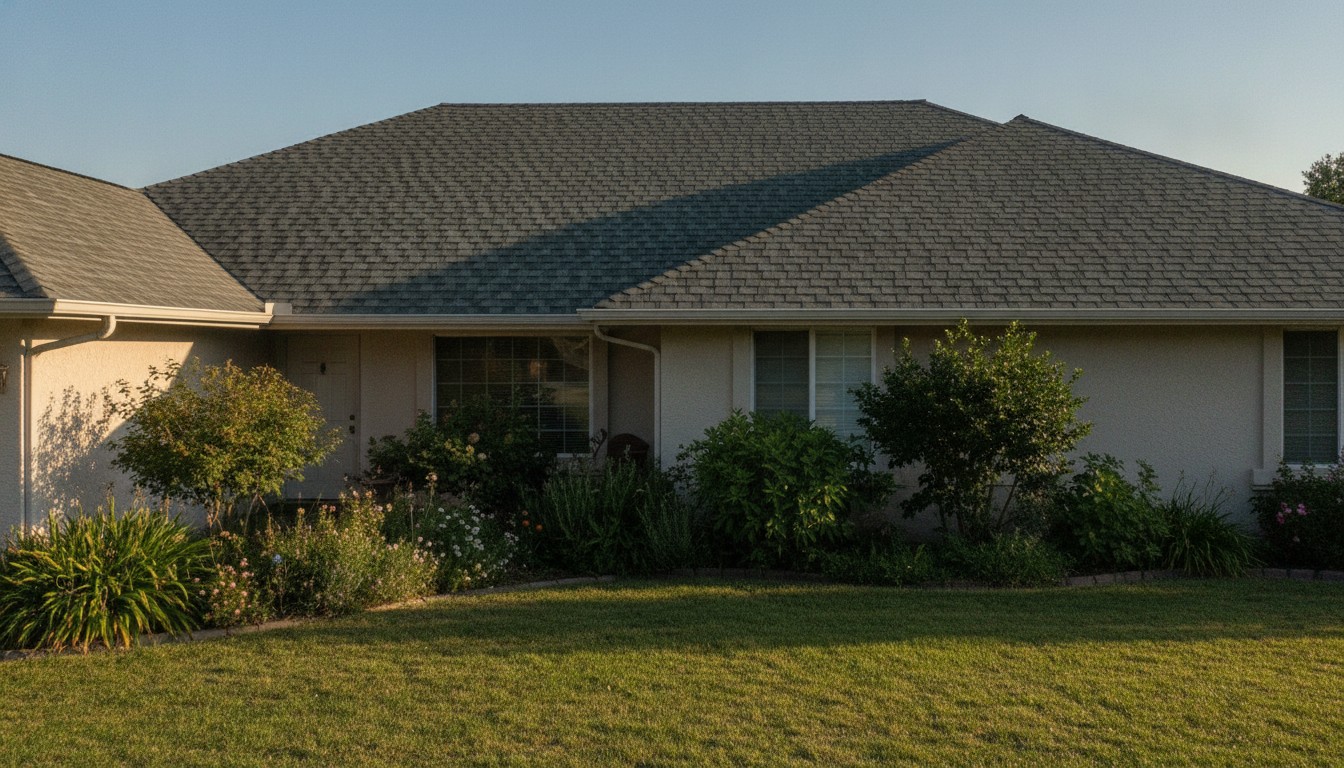
FEMA’s guidance on asphalt shingles for high-wind regions recommends shingles rated in accordance with UL 2390 for the design wind speed of the site.
High winds present a different mechanical challenge by creating uplift pressure along roof edges and ridges. If wind gets beneath the leading edge of a shingle, it can peel back entire sections of the roof in seconds, exposing the interior to torrential rain.
Impact-rated roofing systems undergo rigorous testing to withstand simulated hail strikes and hurricane-force gusts. Reinforced nailing zones and specialized polymer-modified asphalt help the barriers absorb impact energy without cracking or tearing apart. Federal guidance on high-wind residential construction notes that proper installation matters as much as the product rating and recommends following shingle manufacturer instructions for fastening.
Shifting Standards in the Roofing Industry
Extreme weather events have changed how builders, property owners, and insurance providers view exterior protection. Roofs are recognized as critical structural assets that determine whether a building survives a major storm.
An industry report observed that aging roof stock, weather-related claims, and insurance-linked specification changes are making reroofing demand much more durable than basic housing-start data would suggest. Insurers frequently offer lower premiums for properties equipped with certified impact-resistant barriers that reduce the likelihood of catastrophic claim payouts.
Property owners now look closely at wind ratings, hail classifications, and manufacturer warranties before approving any exterior project. The shift pushes manufacturers to innovate and create stronger, more sustainable building products. For a closer comparison of lifespan, storm resistance, and repairability, see this guide to durable roofing choices that stand up to the weather.
Key Components Of A Weather-Tight System
A truly resilient roof relies on several hidden layers working together beneath the visible surface. Skipping or skimping on unseen components compromises the entire barrier, no matter how strong the top layer might be.
- Synthetic underlayment acts as a secondary waterproof shield if wind ever lifts an outer shingle.
- Self-sealing ice and water barriers protect vulnerable valleys, eaves, and chimney flashings from wind-driven rain.
- Corrosion-resistant starter strips lock down the perimeter edges where wind uplift forces hit hardest.
- Ridge vents balance airflow beneath the roof deck to prevent moisture buildup and winter ice dams.
When experienced crews install these layers as a unified system, each part reinforces the others against extreme weather. Every flashing detail and nail placement contributes to a tight, weatherproof seal across the entire structure.
Preparing Communities For Unpredictable Climates
Sustainable development requires thinking beyond single buildings to consider how entire neighborhoods handle severe weather. When dozens of homes in a community lose their roofs during a windstorm, flying debris damages neighboring properties, clogs storm drains, and strains local emergency services.
Widespread adoption of storm-resistant roofing creates a buffer effect that protects whole blocks from cascading storm damage. Resilient roofs stay attached during gusts, keeping streets clear of hazardous debris and allowing residents to shelter safely indoors without needing emergency tarps or temporary housing.
Communities that prioritize durable exterior standards recover faster after severe weather strikes. Local economies stay active, utility grids face less disruption, and families avoid the financial stress of sudden, uncovered home repairs.
Consulting with qualified roofing professionals helps identify weak points before the next storm season arrives. Modern installation techniques and advanced materials provide reliable protection that stands up to harsh weather without sacrificing curb appeal.
Building a greener, more resilient future starts with protecting the structures we already rely on every day. A dependable barrier overhead keeps families safe, preserves valuable resources, and ensures our communities remain strong through whatever weather comes next.


