
A sustainable roof is about more than recycled materials or an attractive finish. It should protect the home for years, manage heat and moisture, withstand severe weather, and avoid unnecessary repairs and replacement. In Kansas City, where hot summers, hail, heavy rain, strong winds, and winter freezes can all test a roof, sustainability depends on real-world performance, not marketing promises.
Durability Is the Foundation of Sustainability
A roof is not sustainable simply because its packaging says “eco-friendly.” Its environmental impact also depends on how often it needs repairs, how long it lasts, and how much material ends up in a landfill. A low-cost roof that fails early may consume more resources over time than a durable system that costs more upfront.
Look beyond recycled content and consider how the complete assembly handles sunlight, moisture, wind, and temperature changes. Recycled or composite products can be useful, but their performance depends on quality, installation, and suitability. A durable system that can be repaired without replacing large sections may reduce waste and long-term expense. For broader ideas, see these environmentally friendly roofing options.
Choose Materials for the Conditions They Will Face
Roofing materials do not perform identically in every climate. Heat, hail, wind, rain, snow, and repeated freezing and thawing place different demands on the roof. Before choosing a product, consider the weather exposure, roof slope, drainage, attic conditions, and the manufacturer’s tested performance ratings.
For homeowners comparing options with a roofing contractor in Kansas City, the important question is how the proposed system will handle local conditions, not simply which material is considered sustainable in general. Ask how the material performs under wind and impact exposure, which components protect vulnerable edges and penetrations, and what maintenance it will need over time.
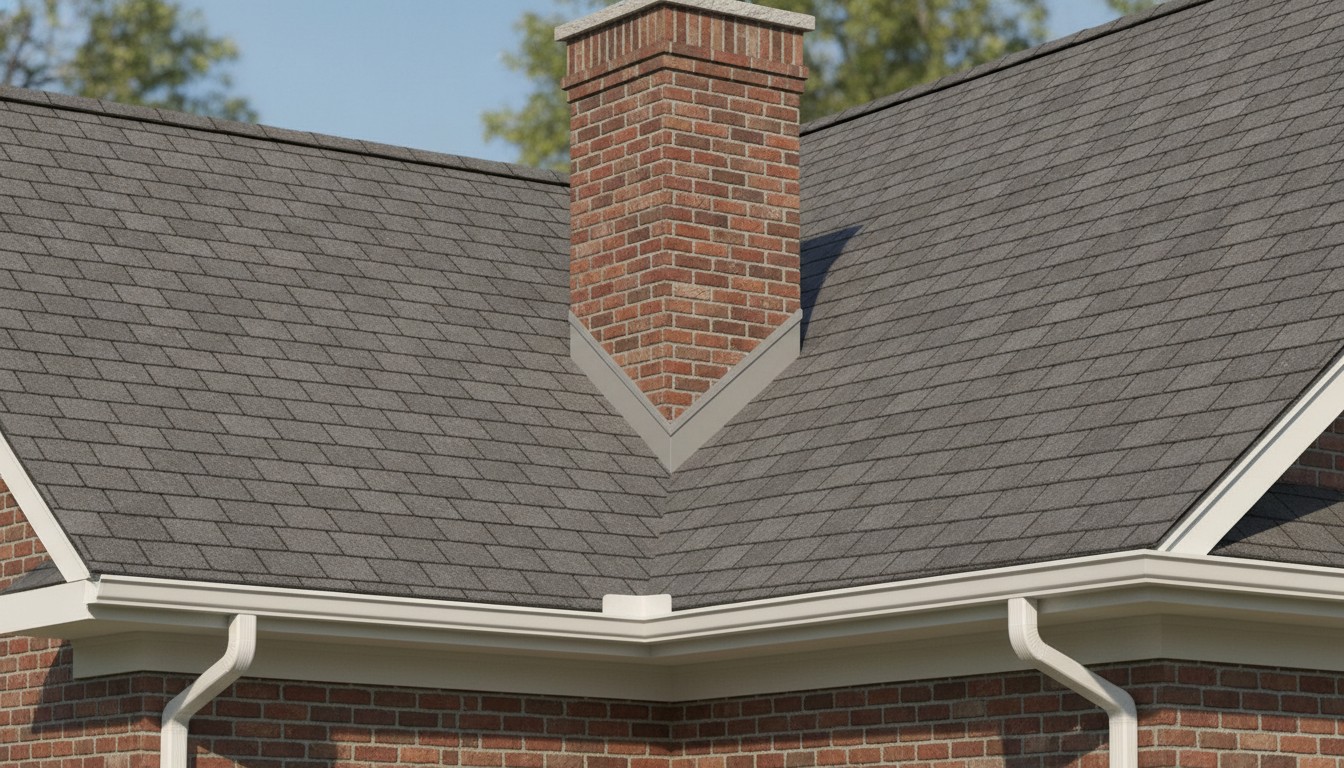
Architectural asphalt shingles can balance cost and durability. Metal roofing may last longer and contain recycled material, but it typically costs more upfront and requires careful installation around seams, fasteners, chimneys, and skylights. No material is best for every home.
Cool Roofs Can Help Manage Summer Heat
A roof absorbs or reflects sunlight depending on its surface. Cool-roof products are designed to reflect more solar energy and release absorbed heat more effectively, helping reduce roof temperatures and the amount of heat transferred indoors. Depending on climate and building design, this can lower cooling demand and improve comfort.
Reflective options come in different materials and colors. Results depend on insulation, air sealing, attic ventilation, roof orientation, and heating needs during colder months.
The U.S. Environmental Protection Agency explains how cool roofs reduce heat absorption and energy use. Use this information as a starting point, then evaluate whether a reflective roof makes sense for the home’s climate and construction. A cool roof is not a substitute for proper insulation or ventilation; it works best as part of a well-designed building envelope.
Ventilation and Moisture Control Protect the Whole System
A roof can use durable materials and still fail early if heat and moisture are not managed properly. Poor attic ventilation can contribute to excessive heat buildup and moisture accumulation, potentially shortening shingle life and creating conditions for mold or wood decay.
A well-designed assembly balances intake and exhaust ventilation according to the roof and attic layout. Air sealing and insulation matter too. Leaks around attic hatches, ducts, and ceiling penetrations can allow warm, moist indoor air to enter the attic, where it may condense on cooler surfaces.
The right ventilation arrangement depends on the building design and applicable requirements. Ask how ventilation, insulation, and moisture control work together instead of treating them as optional extras.
Storm Resistance Is Part of Environmental Responsibility
A roof that saves energy but needs frequent replacement is not necessarily a sustainable investment. Each replacement requires new materials, transportation, labor, and disposal. Improving resilience can help reduce that cycle of waste.
Depending on exposure, useful measures may include impact-rated shingles, suitable underlayment, secure fastening, careful flashing, and edge protection. Ratings help with comparisons but cannot guarantee storm-proof performance. After severe weather, have suspected damage assessed; small faults can let water in long before stains appear indoors.
Plan Ahead for Solar and Future Upgrades
Even if solar panels are not part of the immediate plan, consider whether the roof could support them later. Its remaining service life, orientation, shading, structure, and available space can influence the feasibility of a future installation. Replacing a roof shortly before adding solar can mean paying for overlapping work.
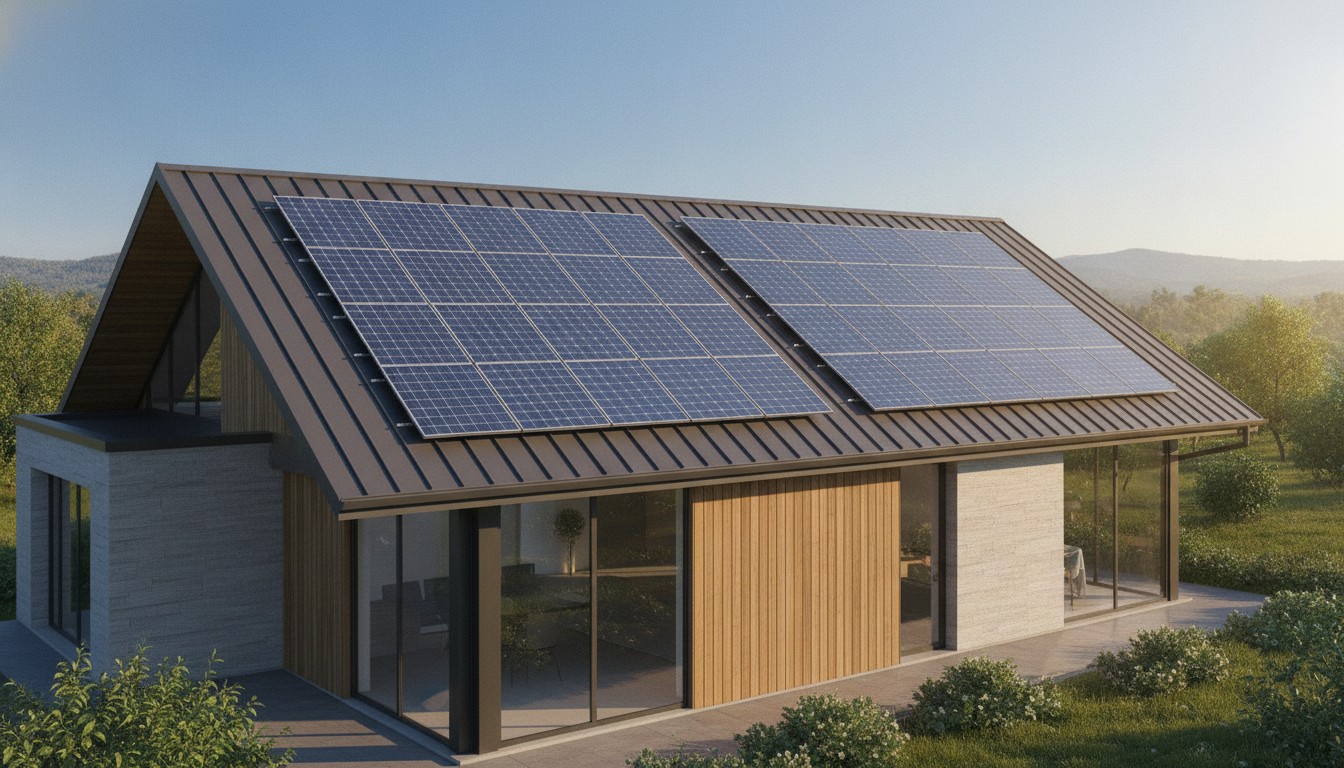
Some systems, including many standing-seam metal roofs, can accommodate mounting methods that limit roof penetrations. Other materials can also support solar when the attachment and flashing details are designed correctly. The best approach depends on the specific roof and panel system, so discuss future plans before approving the roofing design.
Planning ahead means avoiding choices that could make a likely future upgrade more complicated or expensive.
Compare Long-Term Value, Not Just the Initial Quote
The most sustainable roof is not automatically the cheapest option or the most expensive premium system. Compare expected service life, repair requirements, energy performance, storm resistance, installation details, and warranty terms alongside the upfront cost.
Ask about likely failure points, repair options, maintenance needs, and warranty requirements. Clear answers are more useful than broad promises about being “green.”
For a broader perspective on improving home energy performance, the Department of Energy’s guide to saving energy at home discusses the value of assessing a home as a system. Roofing, insulation, air sealing, and ventilation should support one another rather than be planned in isolation.
Make Sustainability Practical
A durable, efficient roof is the result of matching the right materials to the building and installing them correctly. For one home, that may mean impact-resistant shingles and improved ventilation. For another, a reflective metal system designed with future solar in mind may offer better long-term value.
Focus on performance that can be explained and maintained. When durability, energy use, moisture control, and repairability guide the decision, sustainability becomes more than a label. It becomes a practical way to protect the home, limit avoidable waste, and make the investment last.

