
Choosing a smaller home is one of the most practical decisions a household can make. Some people want fewer rooms to clean, while others want lower bills, less maintenance, or a simpler pace of life. Whatever the reason, the switch affects far more than square footage.
It changes where things are kept, how often they are used, and how each day unfolds inside the home. Families who plan for these changes before they happen usually settle in faster and feel at ease sooner. A little preparation turns the shift into an opportunity rather than a struggle.
Planning the Physical Transition
The days leading up to the change are usually the most demanding part of all. Moving an entire household into fewer rooms means every sofa, dresser, and box must be measured, wrapped, and carried with a clear destination in mind. Careful planning, steady hands, and the right equipment make the difference between a smooth day and a stressful one.
Many households hire a local moving company so that heavy furniture and fragile keepsakes arrive safely while they focus on settling in. That simple choice frees up time and energy for the decisions that matter most in the new space.
Sorting Belongings With Purpose
A smaller home rewards careful choices about what to keep. Start by grouping items into three piles: things used every week, things you truly love, and things kept only out of habit. The third pile is usually the largest and the easiest to reduce.
Clothes that have not been worn in a year, extra dishes, and old paperwork rarely earn a place in a compact layout. Sentimental pieces deserve more patience, so set them aside and return to them once the simpler decisions are done. Giving unwanted items to friends, family, or local charities makes letting go feel generous instead of wasteful.
Making Smart Use of Limited Storage
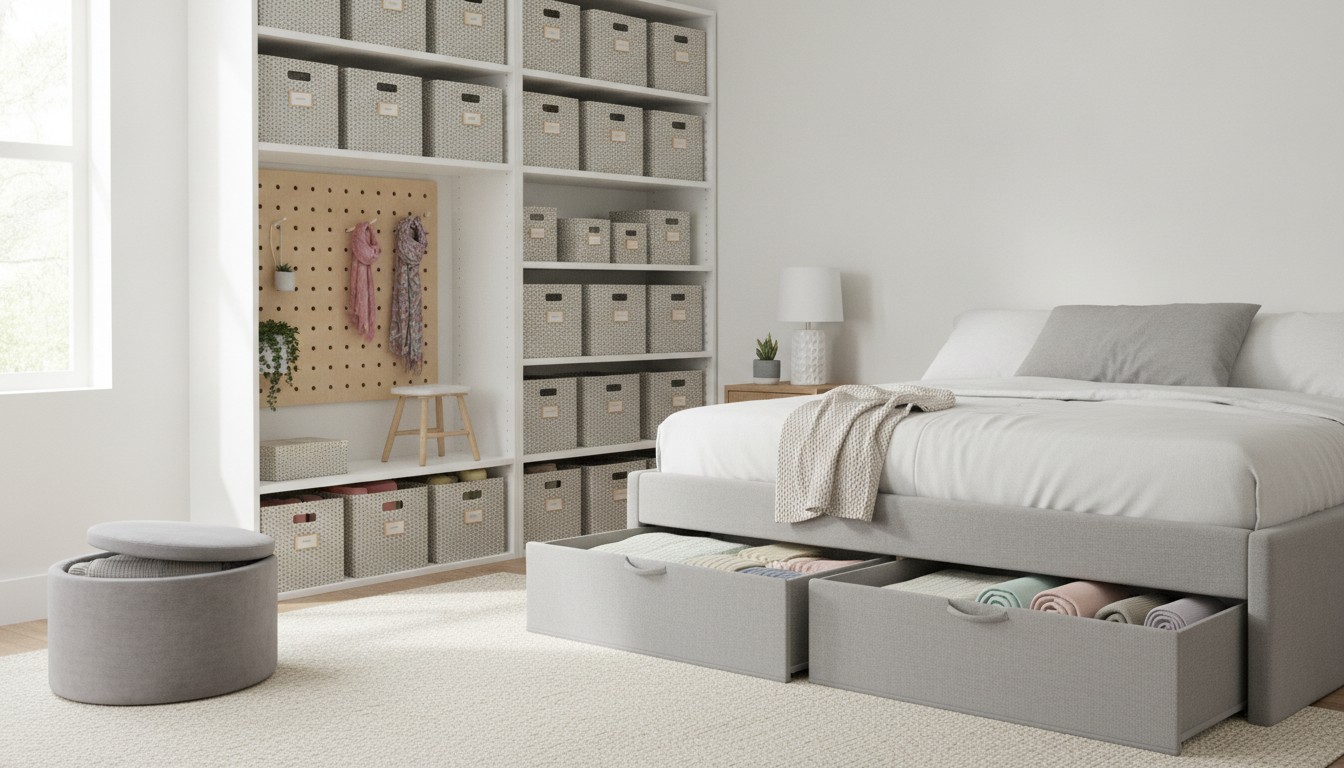
Storage is often the biggest adjustment after leaving a larger house. Attics, basements, and spare rooms once hid extra belongings, but a compact home leaves little room for anything unused. Walls become valuable, so tall shelves, hooks, and pegboards help lift items off the floor.
Beds with drawers underneath and ottomans with hidden compartments hold blankets, seasonal clothing, and spare linens. Inside cupboards, stackable bins and shelf risers double the usable space. Labeling each container saves time and stops duplicate purchases. A well-planned storage system keeps rooms feeling calm, open, and easy to maintain. For more ideas, these smart space-saving hacks for eco-friendly living show how compact layouts can stay practical and green.
Selecting Furniture That Fits the Space
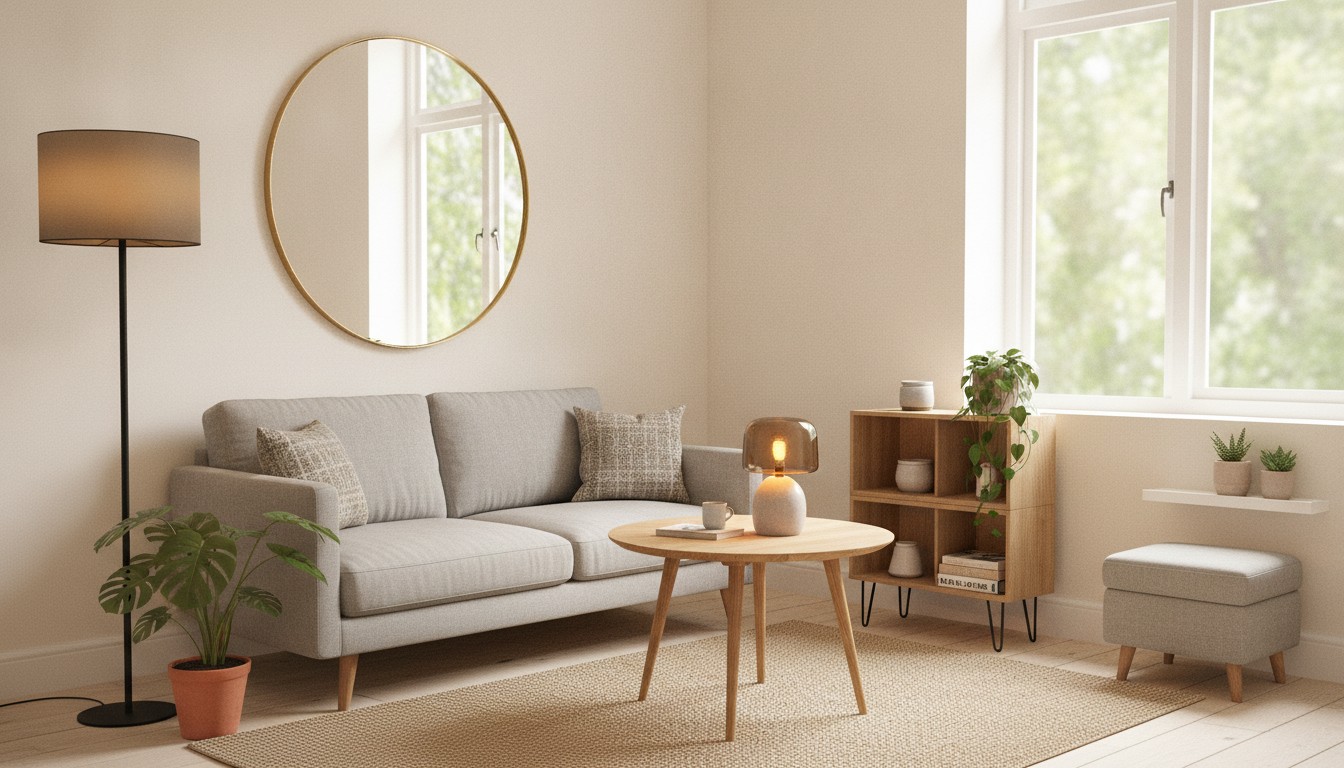
Large pieces that suited a bigger house can overwhelm a smaller one. Before deciding what stays, measure every room, doorway, and hallway so you know exactly what will fit. Pieces that serve two purposes are especially useful. A dining table that folds down, a sofa that opens into a bed, or a coffee table with a lift-up top can replace several separate items. Lighter, raised furniture with visible legs makes a room feel more spacious than heavy, boxy shapes. Choosing fewer, better pieces leaves room to move freely and keeps every corner practical.
Building Habits That Keep Clutter Away
Organization only lasts when daily habits support it. Give every item a clear home so it is always returned to the same place. Set up a landing spot near the entrance for keys, bags, and mail so they do not spread across counters and tables. Try a simple rule where one item leaves whenever a new one comes in. A short reset each evening, even just ten minutes, keeps surfaces clear and prevents small messes from turning into big ones. Over time, these routines become automatic, and the home stays tidy with very little effort.
How Everyday Routines Begin to Shift
Life in fewer rooms naturally changes the rhythm of the day. Cleaning becomes quicker, which frees up evenings and weekends for rest or hobbies. Chores such as laundry and dishes tend to happen more often but in smaller amounts, since there is less space for things to pile up. Grocery shopping often becomes more focused because pantry and refrigerator space is limited. Many people notice they spend more time together in shared areas, which can bring a household closer. Although these changes feel new at first, most families soon find the simpler routine comfortable and easy to maintain.
Keeping Peace in Close Quarters
Sharing a compact home works best when everyone agrees on a few simple rules. Each person should have at least one spot that feels like their own, such as a reading nook, a desk, or a personal shelf. Clear agreements about noise, guests, and tidying help avoid small frustrations. Rooms that serve more than one purpose, like a kitchen table that becomes a workspace during the day, need a shared schedule. Respecting each other’s time and belongings keeps the atmosphere relaxed and helps everyone enjoy the home together.
Creating a Warm and Welcoming Atmosphere
A smaller home can feel just as inviting as a larger one with thoughtful design. Light wall colors and large mirrors reflect daylight and make rooms appear wider. Layered lighting, using floor lamps, table lamps, and soft overhead fixtures, adds warmth in the evening. Fewer decorations, chosen with care, keep shelves calm and allow favorite pieces to stand out. Indoor plants bring color and freshness without taking up much room. When the space reflects personal taste, it quickly begins to feel like home.
The Long-Term Benefits of Living With Less
Beyond daily organization, a smaller home brings lasting advantages. Utility bills are usually lower because there is less space to heat and cool. Repairs and upkeep take less time and money, and there are fewer rooms to furnish. Many people also enjoy a lighter mental load, since owning fewer things means less to manage and worry about. The time once spent on cleaning and maintenance can go toward travel, hobbies, and the people who matter most. For many households, these rewards make the effort of adjusting worthwhile.

