
You’re almost certain the grass looked greener yesterday. Now there’s a yellow patch along the edge, and you’re starting to wonder whether you’ve been watering it wrong. It’s hard to know what to blame when the grass was only laid last week. Even the soil preparation for sod could have something to do with it.
If you’re a homeowner in Collin County, it can be challenging to know how much yellowing is typical and when to worry. Looking at why new sod problems develop and what might reverse them is a better starting point than guessing.
What Should I Do If My New Sod Is Dying?
The grass looks brown enough to be dead, but there’s no way to tell from the blades alone. Newly laid sod can lose color before its roots have settled into the ground, and poor moisture conditions may make matters worse. Irrigation issues or lawn disease might be the problem. Companies like CitiTurf offer lawn care in Allen, TX, to help homeowners with these issues.
It helps to get a better idea of what’s happening before deciding how to treat the lawn. There are a few things worth looking at:
- How does the soil feel beneath the grass?
- Are puddles forming anywhere after watering?
- Can you lift the sod easily, or are the roots holding it down?
- Where did the browning begin?
You might find that only part of the lawn needs attention. Changing the watering schedule for the entire yard could cause more problems. Turning to a season-by-season lawn maintenance guide can help you make one change at a time.
What New Sod Problems Can Be Caused by Installation Mistakes on North Texas Clay Soil?
North Texas clay holds onto moisture, but once it’s compacted, water can struggle to soak in evenly. That’s often a concern around newly built homes, where the ground has been driven over and leveled during construction. Fresh sod laid straight onto that surface may struggle to establish roots.
After installation, you may see sections lifting easily. Patches might also lose color, even with regular watering. Uneven grading can worsen the problem by causing puddles. If the sod isn’t pressed firmly against the prepared soil, gaps beneath it will prevent the roots from taking hold.
Check underneath the patches that aren’t establishing. A loose corner can rest on well-prepared soil. But fixing sod installation problems needs more than just adjusting the sprinkler. Fixing compaction or drainage gives replacement grass a better chance of success.
How Long Does New Sod Take to Recover and Establish in Allen’s Climate?
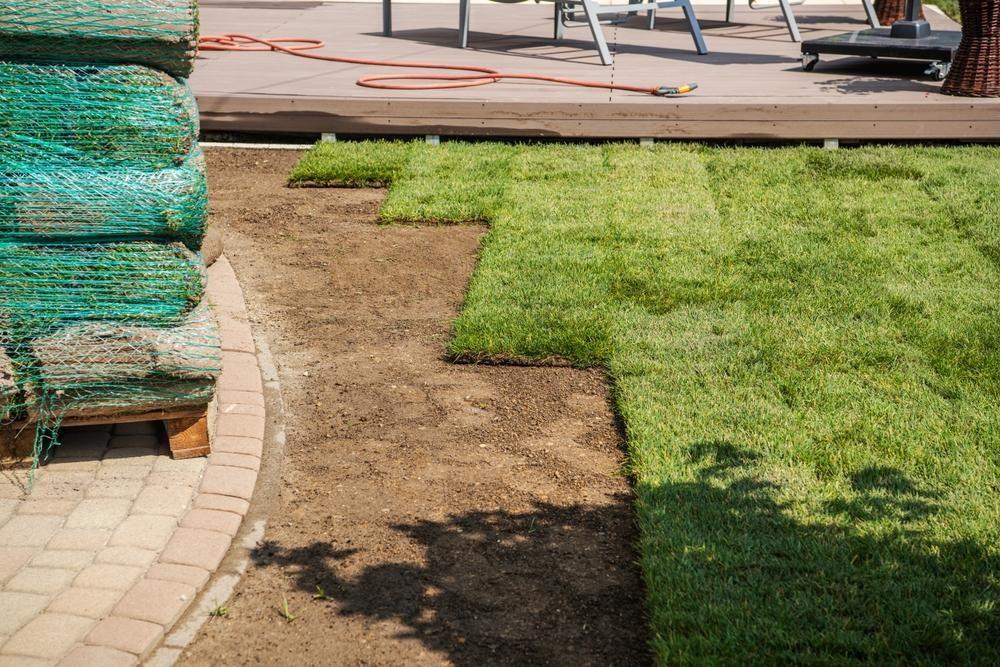
A week after installation, new sod is still developing its root system. Under suitable growing conditions, new roots may begin taking hold over the next week or so. The surface can remain patchy after rooting begins, particularly in areas where the grass was stressed. As Texas A&M AgriLife Extension notes, roots develop fairly rapidly with good growing conditions and good watering practices.
Allen’s hot summer afternoons can leave the grass looking wilted before the day is over. Cooler weather can slow recovery. Warm-season varieties grow slower when temperatures drop.
Look at how the sod changes over several weeks rather than just hours. Signs of root attachment and new growth indicate that it is progressing, even if the color hasn’t completely returned.
When Should I Replace Dying New Sod Instead of Trying to Save It?
Replacing sod you only recently paid for is hard to justify when you still don’t know whether it has died. Take a moment to examine the areas that look the worst. Brown leaves can remain after the grass starts recovering, and new shoots at the base suggest the section still has a chance of recovery.
Replace when the growing points are dead. If the area doesn’t improve after conditions get better, then it’s time for a change. Cut out only the failed turf, leaving any healthy growth undisturbed. Before the new piece goes down, find out what caused the new sod problems.
How Can I Keep New Sod Healthy After It Recovers?
Your lawn is finally looking healthier, so naturally, you don’t want to do anything that might set it back. After the sod has taken root, you won’t need to water it as often. Gradually cut back on watering as the season changes, and let the grass grow more naturally.
For mowing, wait until the sod feels firmly attached to the ground. Keep the mower blade sharp and don’t cut the grass too short. New sod care should eventually become part of your usual routine. Fertilizer can wait until the soil needs it.
In Conclusion
Dying sod isn’t always beyond saving. Before making the call to replace it, look beneath the brown grass. Roots that are taking hold give the lawn a chance to recover, provided the conditions improve. Keeping up with new sod care afterward can help prevent another setback.
Have you dealt with struggling sod, or do you have any tips for growing a healthy lawn? Share your experiences and advice in the comments!

