
Imagine how life would be if all jobs (i.e., doctor, housewife, delivery person) were automated by machines. How would people fill their free time? The age of sci-fi robots and artificial intelligence is now here and has permanently impacted how we use and interact with technology.
Imagine how a basic internet search would change if intelligent, networked software systems existed. How about digital entertainment options, such as playing Pusoy online free, if intelligent, networked software systems existed?
The “Robot Revolution” will create new jobs. It will also raise ethical dilemmas around issues such as privacy and safety. As we create this new automated society, what will happen to humans? Hopefully, we can create this technology so that it complements human advancement instead of eliminating human reasoning.
How Automation is Affecting Businesses
There is a huge variety of businesses utilizing the combination of artificial intelligence and robotics. For instance, robotic arms in manufacturing carry out product assembly, and automation systems in warehouses relocate products and organize stock.
Similarly, there are robotics in agriculture that are capable of monitoring crops and even completing some on-field operations. Some businesses have even integrated artificial intelligence software to aid them in interpreting data and even helping them determine some trends to guide their future decision-making processes.
A quick review of data released by the International Federation of Robotics showed that in 2024 there were 542,000 industrial robots put into operation throughout the globe. This further illustrates how valuable automation is becoming in today’s manufacturing.
Although robotics and automation may provide great potential for a variety of business operations, businesses should also carefully examine potential costs. This includes the costs of the robots, the costs of ongoing equipment maintenance, the cost of employee training, and also security considerations, and most importantly, the safety of all employees.
The greatest value is in automating operations when a real need is identified and when it complements employees instead of becoming a blanket approach for the many operational challenges a business may face.
The Everyday Robot
From factories to hospitals, robotics has made it to spaces that used to be robot-less.
Robot vacuums, for instance, aid with cleaning, and assistive technologies help people with certain motor limitations. Robots can also assist with medical surgeries, rehabilitation, and transporting hospital equipment, all of which still require human oversight. As outlined in an overview of AI in medical care, surgical and rehabilitation robots work alongside clinicians rather than replacing their judgment.
They can help and save time, but there is only so much robots can do. Robots struggle in new environments and are still in their infancy in terms of developing the capability of handling unpredictability. There are still many areas that robots will be unable to handle. They also have an emotional disconnect.
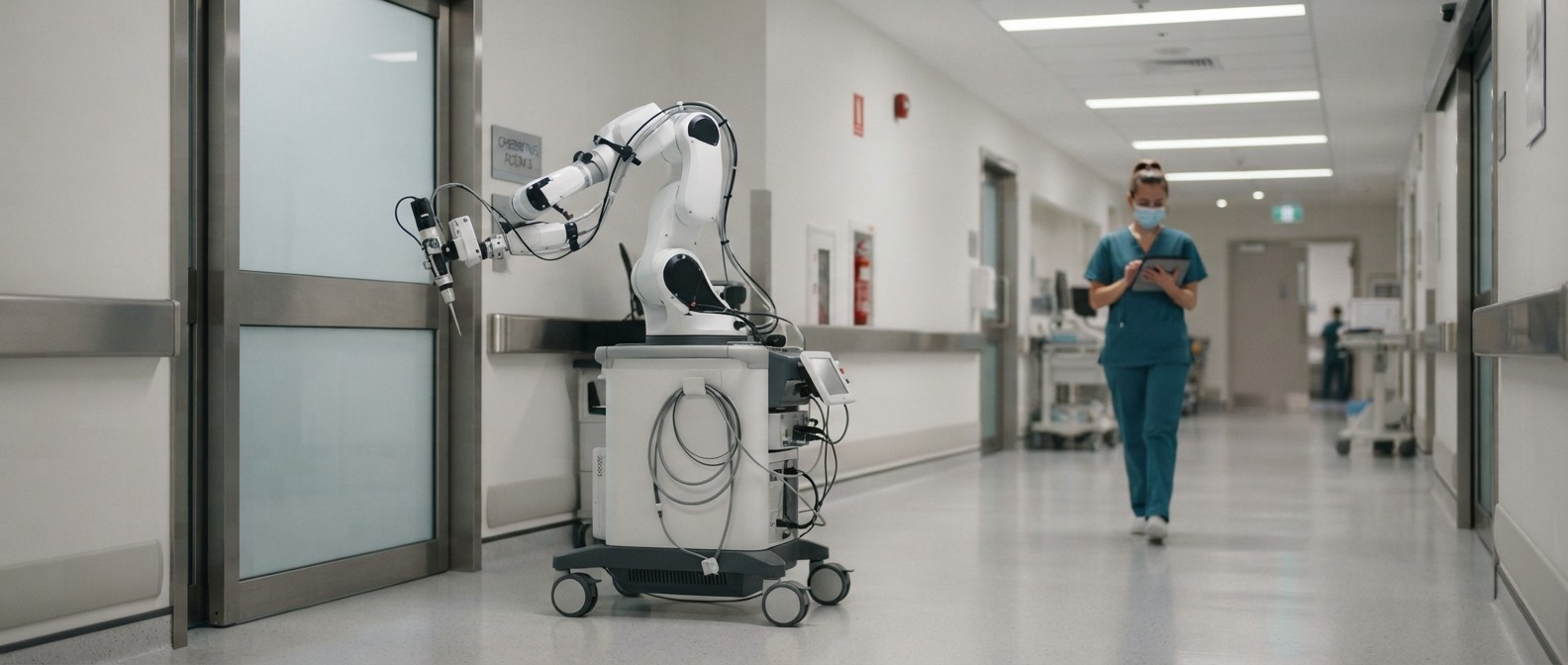
Human oversight is a priority, especially when personal information is involved or health and safety are concerned. A machine can complete a job, but only humans have the responsibility of checking whether that machine met its goal and served people’s needs.
The Future of Human Jobs with Automation
While there are many concerns about robots taking over jobs, there are many positive things about automation too. There are many new opportunities for people who have jobs related to building, repairing, and using robots. Automation is already beginning to change what skills are needed in the workplace. There will always be a place for humans in the workforce. In fact, many of the changes caused by the Fourth Industrial Revolution can actually lead to new jobs and new industries.
Challenges of Automation
There are significant risks associated with the implementation of robotics in an uncontrolled environment. This includes privacy and cybersecurity, and the possibility of creating more of a divide between businesses, as only larger corporations can afford to purchase robotics at scale.
There is also the safety concern of robots working around people. As with most things in the modern age, good regulation, sound design, good training, and supervision should mitigate these issues.
It should be our aim to create technology that makes the lives of our fellow citizens easier and not more complex and troublesome for us to handle.
Preparing for the Future
Adapting for the AI revolution doesn’t mean having to learn to program. Knowing how to use computers and what AI is and having an open mindset to work in new ways are all useful things to begin with.
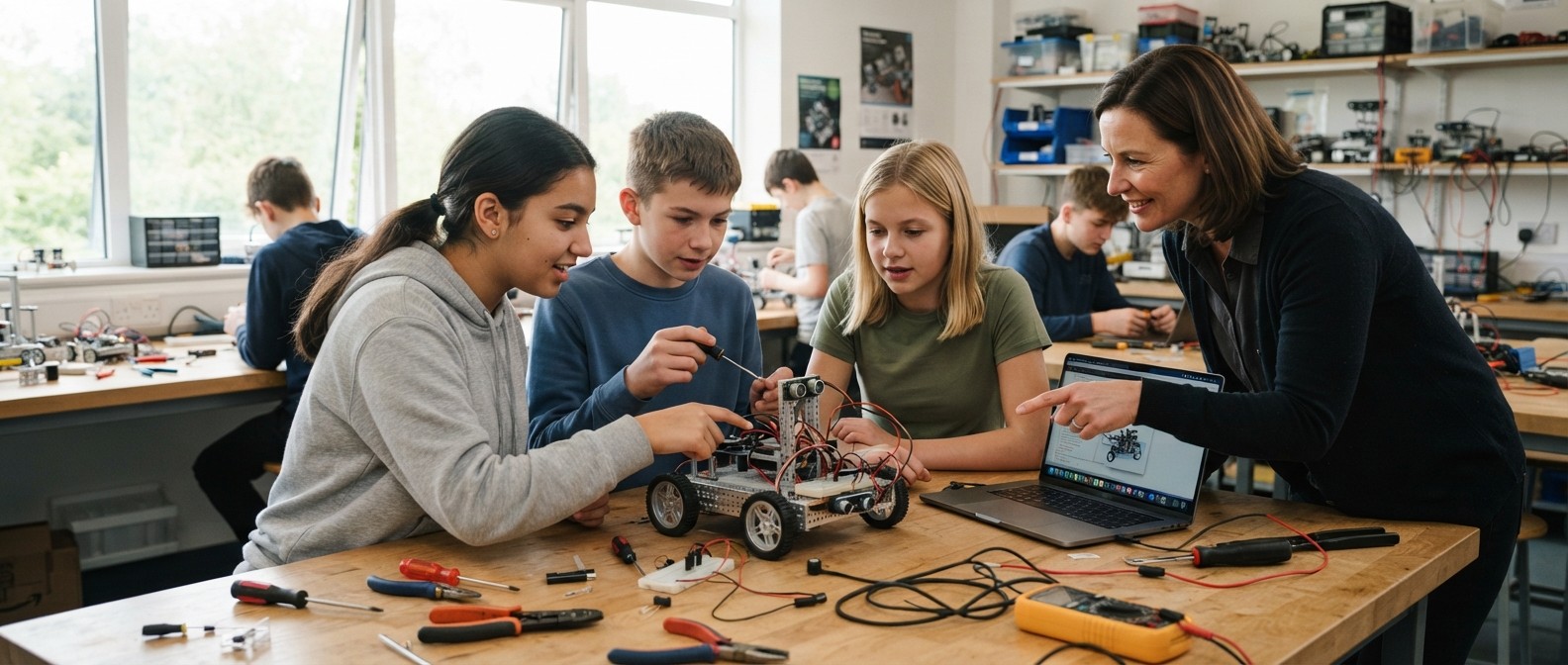
Introducing robotics in schools through hands-on learning, along with on-the-job training, will help equip individuals to work and navigate in the new economy. People will be required to study and understand the impacts that the changing technology will have on their professions and what skills will be of value when routine work becomes automated.
Conclusion: Building a Future That Works for Everyone
The robot revolution will fundamentally alter how people interact and work in society, how people live, and how people face everyday problems. Automation increases efficiency but requires new laws that address unemployment and provide privacy and safety.
In a world where all jobs are done by machines and technology will solve all of society’s problems, the individual still has to make decisions. Responsible use of technology is still essential even in the age of all businesses being done by machines.
Technology and machines do not decide the future. People determine the future through how they choose to use robots to create a more just and fair society that is also more effective and capable.
FAQs
What does the term “robot revolution” mean?
The combination of technologies and innovations which will bring radical changes to both industry and everyday life.
Is there a point where robots will fully replace us?
As of right now, robotics can replace the menial and labor-heavy aspects of many careers, but some human-oriented skills, like innovation and the ability to bear responsibility, cannot be fulfilled by robots.
Why is it beneficial to incorporate robotics in the business environment?
In addition to handling the repetitive, labor-intensive tasks, which can reduce human workload, if executed correctly, robotics will aid a business in achieving more consistent and efficient operations.


