
Major home cleanouts generate diverse waste streams, requiring homeowners to distinguish between recyclable debris, general junk, and prohibited hazardous substances. Tackling a massive cleanout project involves sorting through years of accumulated belongings, old paint cans, broken appliances, and heavy building materials.
Sorting every single item at the beginning of the process protects your local ecosystem and simplifies the hauling phase. Proper waste segregation prevents incompatible substances from coming into contact, which could otherwise trigger fires, explosions, or toxic reactions.
Why Sorting Debris Matters Before Your Cleanout Begins
Organizing your waste streams right from the start protects you from unexpected disposal fees and keeps environmental hazards contained. Throwing everything into a single pile creates unnecessary risks when household chemicals mingle with general refuse.
Understanding Common Debris Categories
Residential renovations and estate cleanouts typically produce multiple distinct material streams. Separating wood, drywall, and metal ensures that local facilities can process recyclable items properly without contamination.
- Wood and drywall: Clean timber and framing remnants go into designated construction debris piles.
- Metals and appliances: Old copper pipes, steel frames, and broken white goods belong in scrap metal recycling streams.
- Household junk: Broken furniture, textiles, and everyday non-recyclable refuse form the general junk category.
Handling Prohibited Items Properly
Certain items never belong in standard roll-off dumpsters or municipal curbside pickups. Knowing what you can’t throw away helps you avoid hefty fines and keeps toxic materials out of municipal landfills. Paints, solvents, automotive fluids, and old electronics require specialized drop-off locations to prevent soil and water pollution.
What Environmental Risks Stem From Improper Disposal?
Throwing chemicals, batteries, or old electronics into regular trash containers creates severe environmental hazards. Liquid chemicals can leak through landfill liners, eventually reaching local groundwater tables and threatening nearby ecosystems.
The Hidden Dangers of E-Waste and Chemicals
Discarded electronics contain heavy metals like lead, mercury, and cadmium that leach into the soil over time. Mixing these components with general refuse compromises disposal safety and violates environmental protection laws.
- Battery breakdown: Damaged lithium-ion or lead-acid batteries spark dangerous fires inside collection vehicles and processing facilities.
- Chemical leakage: Unsealed containers of motor oil or pesticides contaminate storm drains and local waterways.
- Toxic dust: Crushed electronics release hazardous particulates into the air during standard mechanical compaction.
Managing Waste Safely
Keeping hazardous materials completely separated from everyday junk safeguards sanitation workers and prevents accidental chemical reactions. Safe handling practices dictate that you store reactive liquids in their original, sealed containers until you reach a certified hazardous waste facility.
How Do You Stage Materials for Efficient Removal?
Organizing your physical workspace makes loading dumpsters faster and prevents dangerous stacking habits. Placing your container on a flat, stable surface ensures safe loading access for heavy items and bulky debris.
Setting Up Your Staging Areas
Creating distinct zones in your driveway or yard keeps different waste types from mixing. Sorting waste at the source improves disposal efficiency, reduces costs, and prevents compliance issues.
- Heavy material zone: Place bricks, concrete, and heavy masonry near the front of the loading zone for balanced weight distribution.
- Recyclable pile: Group clean cardboard, metals, and untreated wood together away from wet or muddy ground.
- Hazardous holding station: Store paints, cleaners, and automotive supplies in a secure, covered area away from the main debris flow.
Maximizing Container Capacity
Loading your rental container methodically prevents wasted space and keeps heavy items from shifting dangerously. Placing flat items on the bottom creates a stable foundation for lighter, irregularly shaped junk items.
What Steps Ensure Full Regulatory Compliance?
Following municipal guidelines protects you from penalties and keeps local waste management systems running smoothly. Local authorities enforce strict rules regarding what you can place in standard dumpsters or curbside bins.
Tracking Your Disposal Routes
Transporting large quantities of regulated materials often requires proper documentation to satisfy local environmental standards. Keeping track of where your materials go gives you peace of mind and guarantees that licensed facilities handle your debris.
Working With Licensed Haulers
Hiring professional disposal services takes the guesswork out of compliance and heavy lifting. Licensed haulers understand local ordinances and transport sorted materials to appropriate recycling or disposal centers.
How Do Regulatory Manifests Track Regulated Debris?
Official documentation safeguards the entire disposal chain by tracking hazardous loads from pickup to final destination. The Uniform Hazardous Waste Manifest serves as the primary legal document for monitoring off-site shipments of regulated chemical materials.
Maintaining Paper Trails
Keeping accurate records of every transferred load protects property owners from potential liability issues down the line. Regulatory agencies audit these tracking documents to verify that waste arrives at certified treatment plants rather than illegal dumping grounds.
Verifying Facility Credentials
Checking the operating licenses of your disposal contractors guarantees that your debris meets regional legal requirements. Legitimate facilities follow strict protocols to treat toxic byproducts without harming surrounding soils or public water systems.
What Protocols Protect Workers During Hauling?
Handling sharp metal edges, heavy timber, and unsealed containers exposes cleanout crews to various physical dangers. Proper personal protective equipment shields workers from cuts, chemical burns, and respiratory irritation during heavy lifting tasks.
Equipping Your Cleanout Crew
Providing heavy-duty gloves, steel-toed boots, and eye protection minimizes injuries when sorting through mixed demolition debris. Training team members to lift with their legs prevents chronic back strains during extended loading shifts.
Preventing Accidental Spills
Securing loose materials inside transport vehicles stops debris from flying out onto public roads during transit. Tarping open-top dumpsters before transport keeps lightweight plastics and paper waste from littering neighborhoods.
How Can You Minimize Waste Before It Generates?
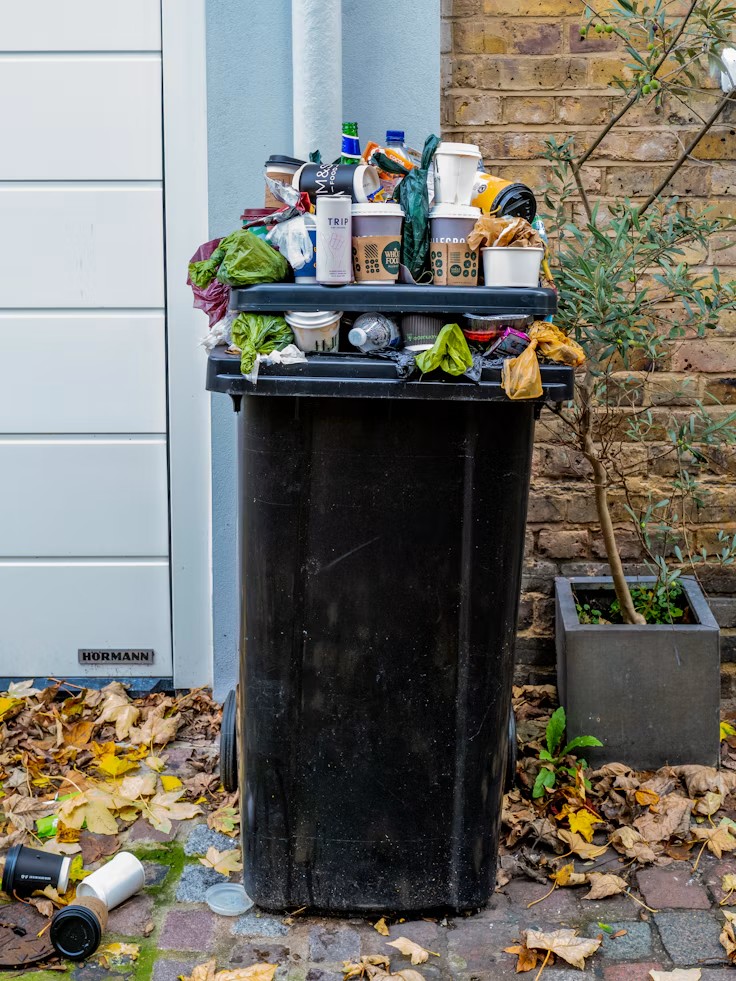
Reducing total disposal volume starts with finding alternative homes for items that still have functional value. Donating gently used furniture and household goods to local charities diverts massive amounts of refuse away from overcrowded landfills.
Salvaging Reusable Materials
Sorting out architectural salvage items like vintage doors, light fixtures, and solid wood cabinets opens up reuse opportunities. Local builders often purchase reclaimed materials for remodeling projects, turning potential trash into valuable assets.
Pre-sorting materials protects surrounding environments and ensures compliance with local waste disposal standards. Taking extra time to categorize your debris before the heavy lifting begins saves effort and protects your local community from unnecessary environmental hazards.


