
Administrative functions in healthcare facilities are sometimes performed by external professionals because such activities need special dedication. In the case of medical billing outsourcing, the provider gets an opportunity to engage teams that deal with claim management, payment collection, and answering billing questions. AI agents might support these collaborations by enabling information sharing, request submission, and task tracking.
However, several questions remain about implementing this kind of collaboration. For example, how will the external team be able to understand the processes of the facility? What tasks will be delegated to the AI? Who is responsible for checking the results? These concerns are becoming more important as AI adoption in healthcare administration spreads across payers and providers.
A More Structured Exchange Between Teams
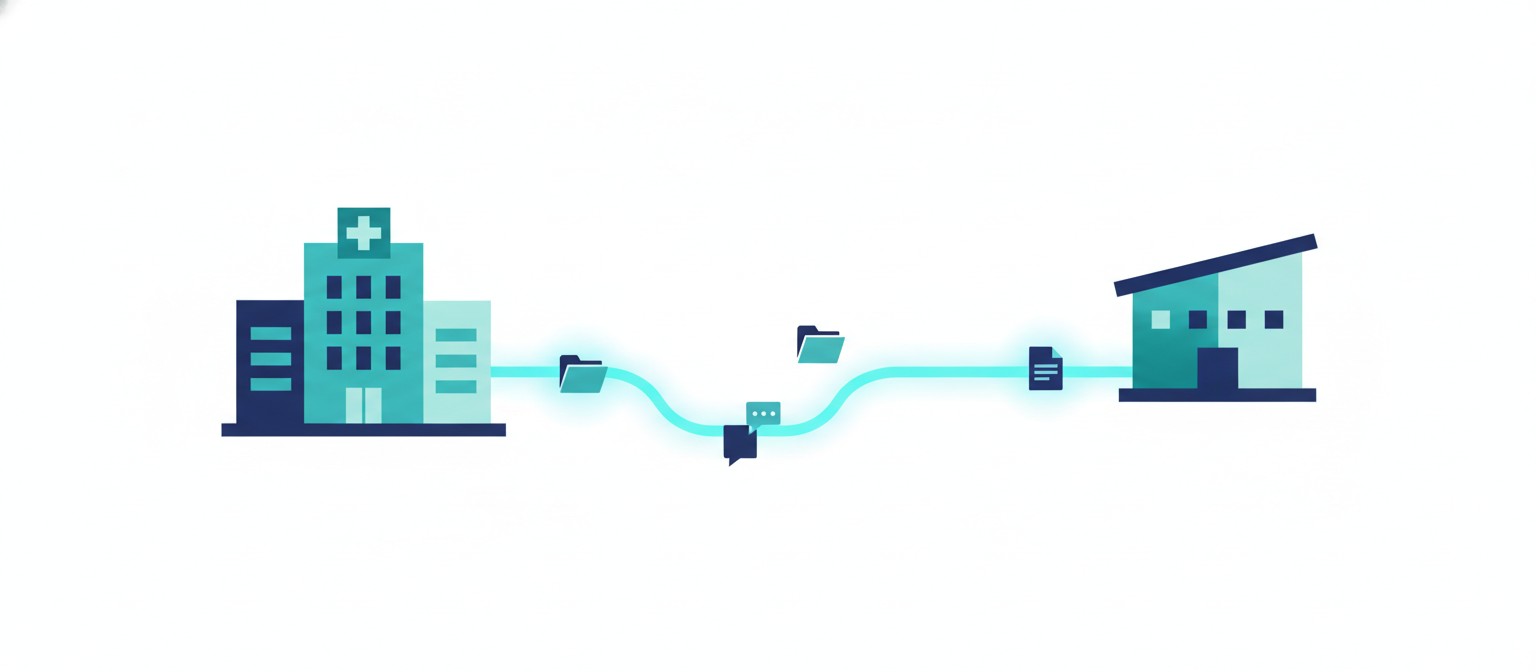
Communication is essential for outsourcing. The organization provides information through updates, decisions, and records. External staff use this information to complete their tasks and report any problems.
Missing information interrupts this process. The external biller may have questions about a resident’s discharge date, an authorization record, or other issues. The healthcare organization must identify who can answer the question and provide the necessary information.
AI agents could facilitate this communication process. Each question would include the account number, the information required, and the purpose, and each answer would correspond directly to the original request. As a result, staff would not need to interpret the query or track down a previous message.
This format wastes less time on searching. Moreover, it makes it easier for managers to see unsolved questions.
Making Responsibilities Easier to Follow
An effective outsourcing contract will clearly separate tasks. The facility will handle admissions, documentation, and some family communications. The partner will manage claims preparation, payment follow-up, and any other agreed billing tasks.
The AI technology should function within this separation. When the program evaluates an incomplete case, it will need guidance on which person to forward the issue to and what actions it can take.
If an authorization letter is missing, the AI will create a message for the authorized representative at the facility and indicate the deadline. A staff member should still verify the status of the authorization and choose the necessary actions.
The contract will define who will be responsible for these routing rules and their updating whenever tasks are redistributed. Otherwise, a workflow may keep sending issues to a person whose responsibilities have changed.
Preserving Knowledge During Staff Changes
Administrative teams depend upon experience that may not be easy to share. They know which procedures to follow, where the required information is kept, and how clients want problems to be solved. Facilities looking to streamline administrative healthcare tasks can pair that institutional knowledge with AI-supported workflows.
The outsourcing partner must have an efficient way to preserve knowledge within its teams. An updated library of reference documents will include procedures, instructions, and guidelines for payers, with sources and dates of review.
The AI assistant can support employees by helping them find the appropriate instruction when they are working on accounts. A query about the client’s preferred method of raising an issue will also return the procedure owner’s name.
Supporting Continuity Across Working Hours
Shifts in healthcare organizations and outside administrative teams may differ. Problems that arise toward the end of one shift may not be resolved until the relevant person arrives.
A handover summary can capture completed actions, open questions, and received documents. It will serve as the starting point for the next team member.
This is especially helpful for accounts with more than one conversation. Teams must be able to separate verified facts from facts that still need confirmation.
References to the initial document are also required. Some issues remain urgent regardless of how thorough a handover summary is, and it is not always clear whether anyone has acted on them.
Giving Clients a Clearer View of the Work
Healthcare organizations need visibility. This is partly provided through collections and amounts outstanding. Visibility also involves understanding delays, open issues, and recurring problems.
AI can help report on these topics. Reporting may show that several accounts are waiting for the same document or that one facility continually sends incomplete admissions documentation.
It is important to have visibility into what was discovered as part of the process. This allows the external team to talk to the client and come up with a solution, such as a form change or a document contact person.
A Practical Approach to Outsourcing With AI
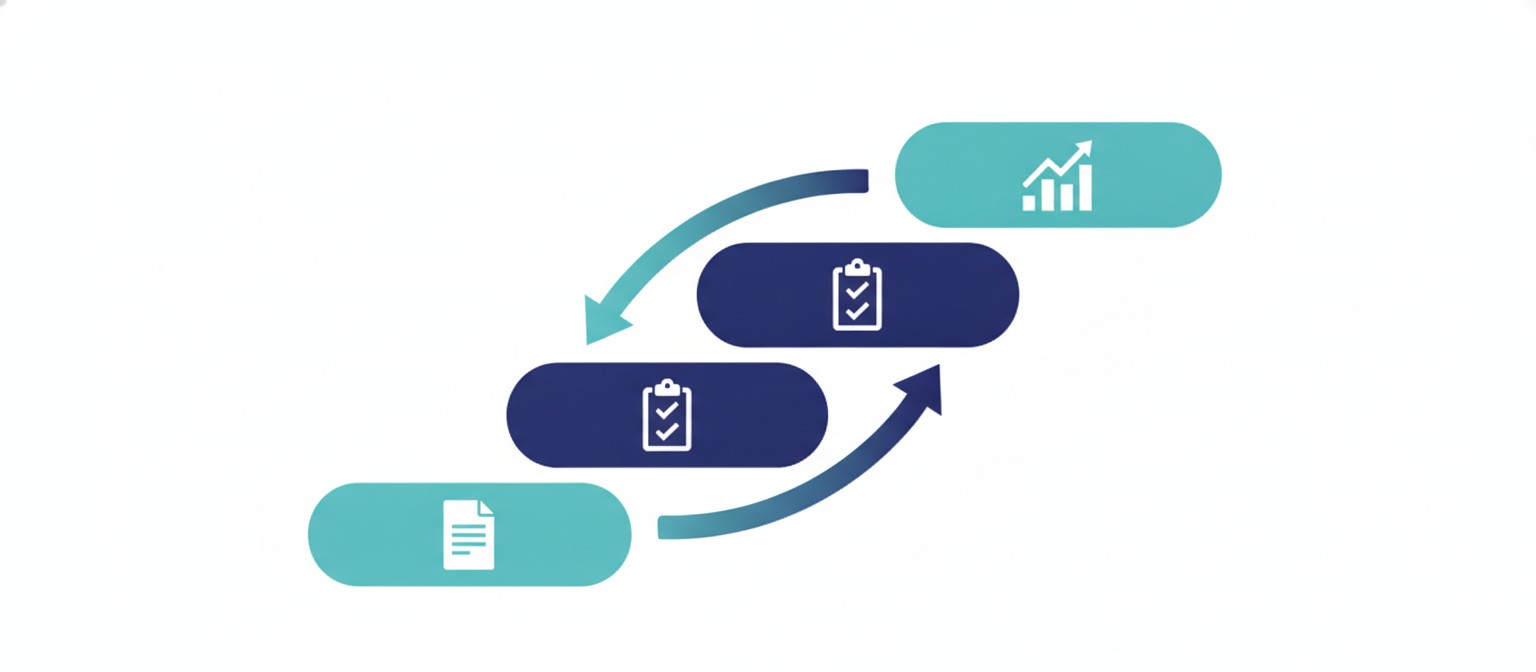
A brief introduction to the process offers both sides an opportunity to examine the technology. Internal handoff summaries and document requests are appropriate starting points because the outcome can be reviewed beforehand and the impact on the account will be negligible.
The task, approvals, and even the criteria for implementation success can be decided by both the facility and the partner. Issues identified in the testing phase need to shape the next step and not be buried in individual solutions.

