
Buying an electric bike is easy to justify when you weigh fuel costs, traffic, and environmental concerns. But owning one doesn’t automatically mean fewer car journeys.
The real benefit comes when an e-bike becomes a practical alternative for trips that would otherwise require a car. That makes everyday convenience, route suitability, and storage just as important as motor power or advertised range.
For buyers hoping to make a more sustainable transportation choice, learning how to choose an e-bike begins with their travel habits rather than a product specification sheet.
Why Replacing Car Trips Matters
Electric bikes can reduce dependence on cars for suitable short journeys, but their environmental impact depends partly on how they’re used.
According to the North American Bikeshare and Scootershare Association’s 2025 State of the Industry Report, shared micromobility services recorded at least 237 million trips across North America. The report estimates that replacing car journeys with shared bikes and scooters avoided approximately 109 million pounds of CO2 emissions during the year.
Those figures describe shared transportation systems rather than privately owned e-bikes, and research shows that more than a third of micromobility trips replace a car journey. The pattern suggests that individual riders have real potential to do the same, though the size of the benefit depends on the trips they give up.
For an individual buyer, a more useful question is simple: which car trips could realistically become bike trips?
Examine Your Weekly Routes Before Shopping
Consider a typical week of transportation. Short trips to work, grocery stores, local shops, or nearby appointments may provide opportunities to cycle instead of drive.
Before comparing electric bikes, look at the complete journey rather than mileage alone.
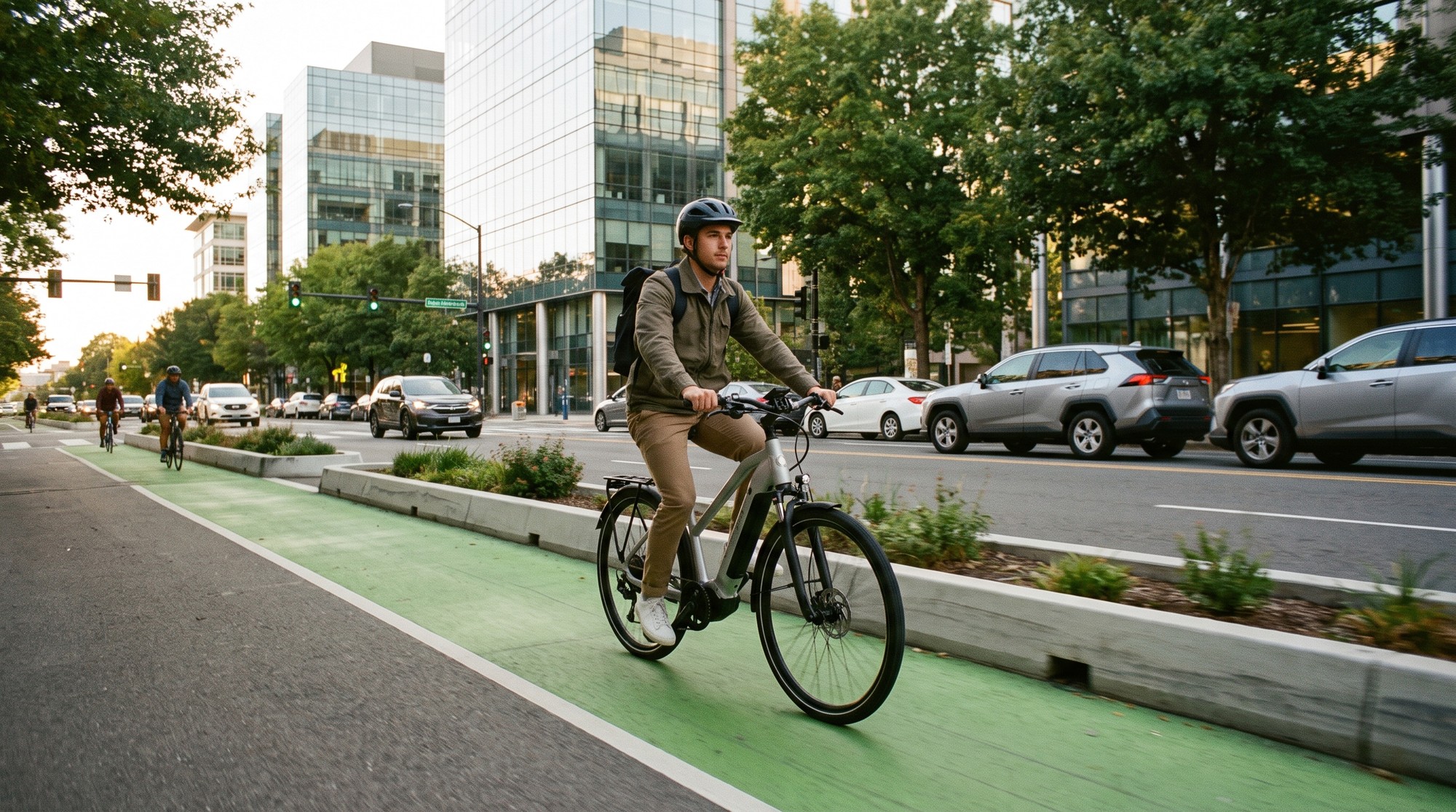
A five-mile ride on connected bike lanes is different from traveling the same distance along busy roads without cycling infrastructure. Hills, traffic, available parking, and the need to carry supplies can all affect whether an e-bike is practical.
Battery range should comfortably cover the intended round trip, with additional capacity for changing conditions or unexpected detours.
The goal isn’t to replace every car journey. It’s to identify the trips an e-bike could handle consistently.
Choose a Bike That Removes Everyday Obstacles
The right design can determine whether riding becomes a habit or an occasional activity.
Two models from Mokwheel illustrate how differently e-bikes can be configured.
The FLINT ST is a lightweight, city-focused model weighing approximately 40 pounds. Its step-through frame and relatively narrow tires suit riders who prioritize everyday handling and convenient storage.
The Tarmac takes a different approach. At approximately 58 pounds, it features 29-inch wheels with 2.35-inch tires, making it a more substantial option for riders who encounter both pavement and light gravel.
Neither configuration is universally better. Someone carrying a bicycle up apartment stairs may place more value on lower weight, while a rider regularly crossing mixed surfaces may prefer the Tarmac’s wider tires.
Choosing for these practical differences is more useful than comparing maximum performance figures alone.
Consider What Happens Between Rides
An e-bike must also fit into daily life when it isn’t moving.
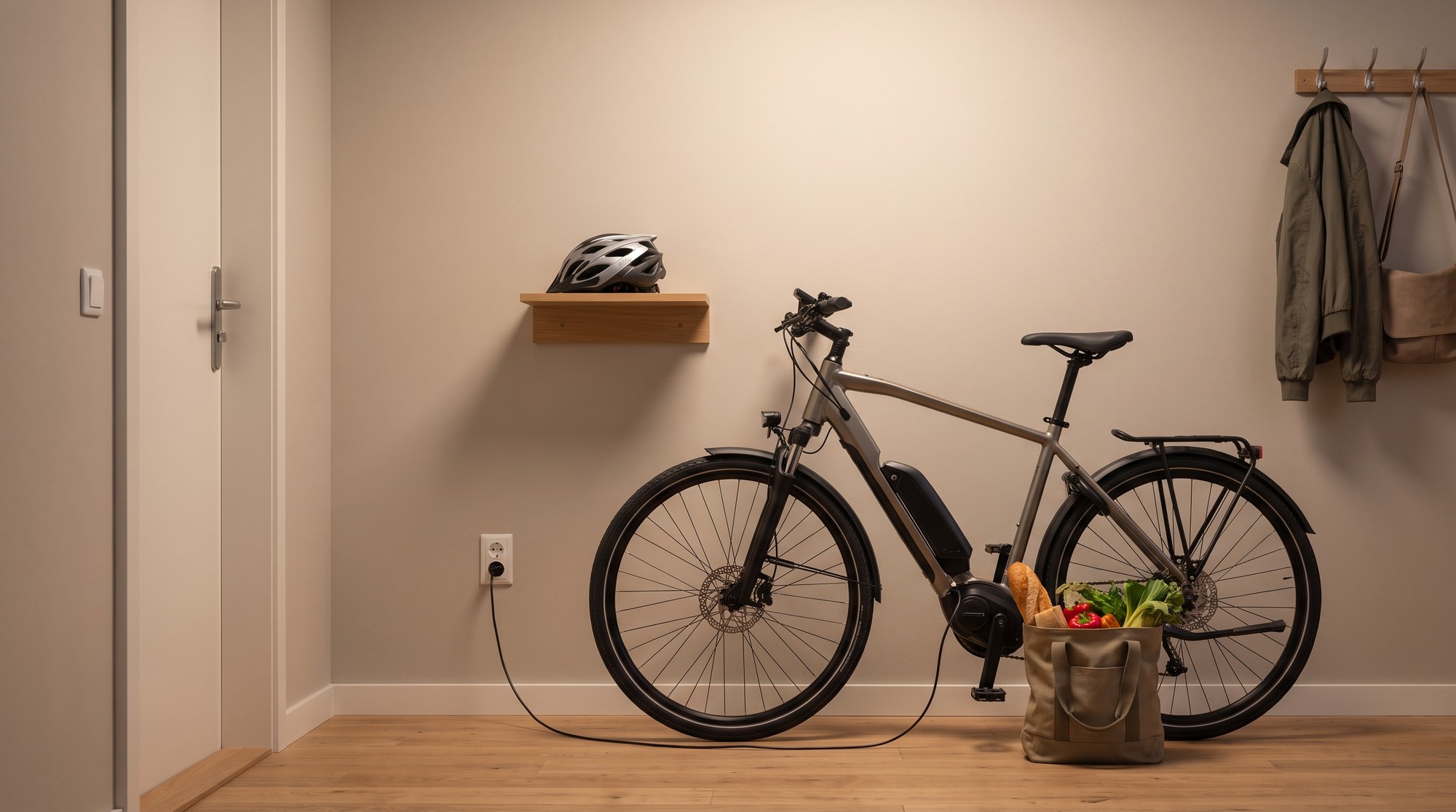
Secure parking is essential for riders who leave their bicycles outside workplaces or stores. Charging access matters for people living in apartments, while suitable racks or bags can make carrying groceries and work essentials more convenient.
Buyers should also consider replacement batteries, maintenance support, and warranty coverage. Keeping a bicycle usable for years is more valuable than paying for features that rarely get used.
These details may seem secondary during shopping, but they often determine how frequently someone chooses to ride.
Weigh the Full Cost, Not Just the Sticker Price
Price is only one part of the decision. Batteries, replacement parts, maintenance, and warranty support all shape what a bike costs over several years of use.
Seasonal promotions and bundled accessories can improve the value of a purchase, but they work best when they confirm a choice a rider has already made for practical reasons. A discount on the wrong bike is still money spent on a bike that sits unused.
Comparing total ownership cost, rather than the initial price alone, keeps the focus on long-term usability.
A Better E-Bike Purchase Starts With Better Habits
The most useful electric bike isn’t necessarily the model with the longest range or the strongest motor. It’s the one that fits the routes, storage arrangements, and activities already present in someone’s life.
When buyers focus on the trips they can realistically replace, an e-bike becomes more than another piece of technology. It becomes a transportation option they’re likely to use.


