
A green future needs people who can install efficient equipment, fix failing systems, and turn cleaner technology into something people can use. Technical careers put those practical skills to work, often without requiring a long four-year degree.
The careers below offer different ways to make progress, depending on your interests and training.
Solar Photovoltaic Installer
Solar photovoltaic installers fit solar panels and mounting systems that turn sunlight into electricity. They measure installation areas, secure equipment, and follow safety procedures.
The environmental benefit begins once a completed system starts generating power and reduces demand for electricity from other sources. Installers help put available technology to work now, rather than waiting for future inventions.
Outdoor work, teamwork, and visible results make this a good fit for practical people comfortable with heights. To get started, compare entry-level installer roles, employer training, and technical courses covering solar fundamentals and construction safety.
HVAC Technician
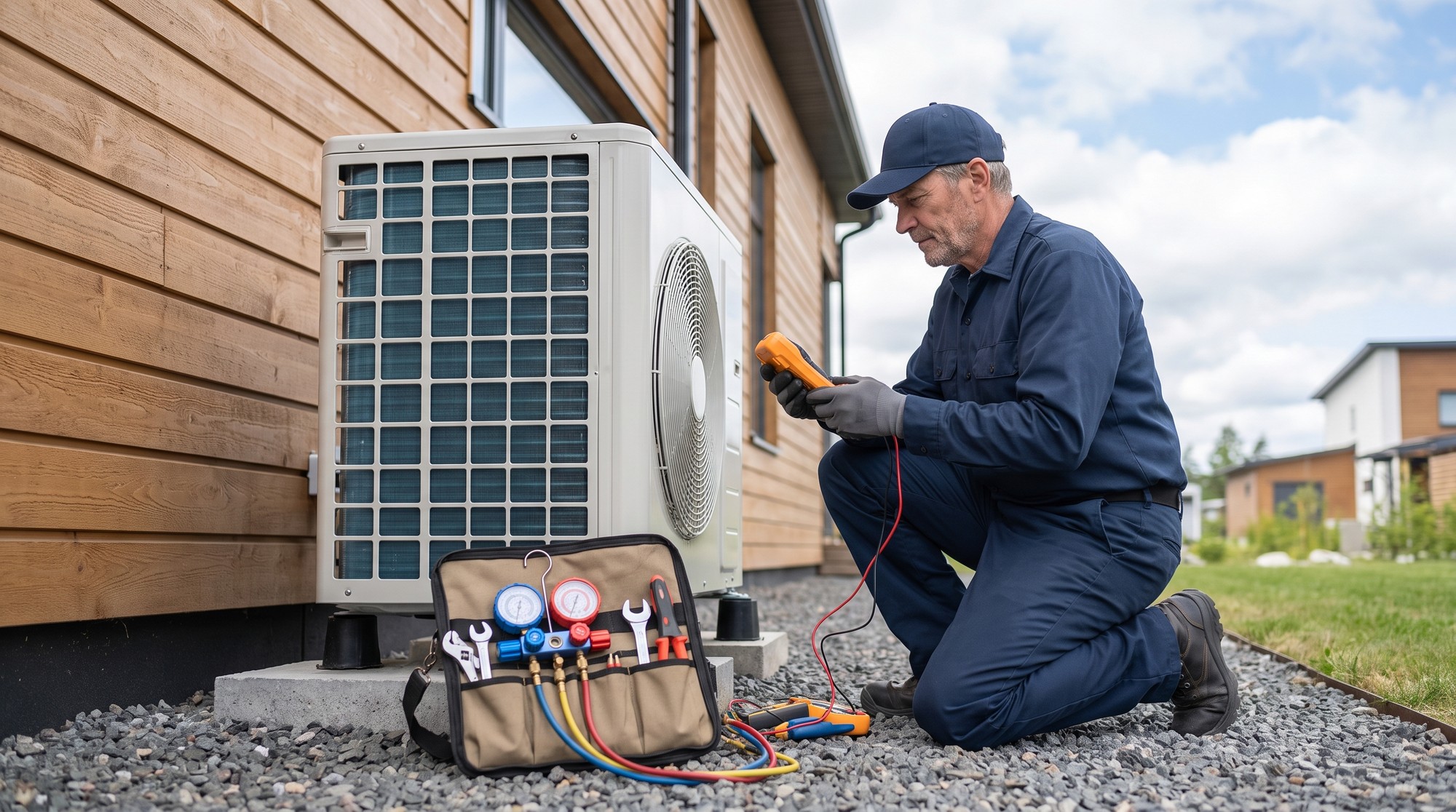
HVAC technicians install, maintain, and repair heating, ventilation, and air-conditioning systems. Their work can improve existing buildings quickly through repairs, better system setup, and efficient equipment upgrades.
For example, according to the U.S. Department of Energy, heat pumps can lower energy bills for many households. Refrigerant choices also matter for building decarbonization, so HVAC technicians can contribute to a greener future.
People who enjoy hands-on work, troubleshooting, using tools, and providing quality customer service may find the work rewarding.
When comparing HVAC technician school options, look for a program that covers heating, air conditioning, refrigeration, and electrical systems and has flexible class options.
For example, the Refrigeration Technologies program at Tulsa Welding School involves hands-on training (which makes up most of the class time), and its morning, afternoon, and evening classes offer flexibility. The program can be completed in as little as seven months.
Wind Turbine Technician
Wind turbine technicians inspect, maintain, and repair the equipment that produces electricity from wind. They troubleshoot electrical faults, service mechanical components, and help keep turbines operating safely.
Their contribution can be immediate when a repair returns a stopped turbine to service. Preventive maintenance also helps protect the output of equipment already installed, making better use of existing clean-energy infrastructure.
The role suits mechanically curious people who follow procedures carefully and stay calm while solving problems. Climbing, working at height, and handling demanding weather conditions are important considerations.
A wind-energy technology program can introduce electrical systems, hydraulics, and mechanical maintenance. Ask training providers and employers about practical experience, climbing preparation, and rescue requirements before choosing a route.
Electrician
Electricians install and repair wiring, circuits, and protective equipment in homes, businesses, and industrial settings. Their skills support projects such as heat pumps, solar installations, and electric-vehicle charging.
Those projects cannot deliver their intended benefits until the electrical infrastructure is ready. Electricians help remove that practical barrier, allowing customers to start using cleaner or more efficient equipment sooner.
The career suits people who enjoy precise work, practical math, and methodical troubleshooting.
An apprenticeship commonly combines paid experience with classroom learning, although entry requirements and licensing rules vary by location, so check local requirements before making plans.
Building Automation Technician
Building automation technicians work with controls that manage heating, cooling, lighting, and other building functions. They check sensors, investigate unusual energy use, and adjust how equipment responds to schedules or changing conditions.
The greener impact can come quickly because improvements do not always require replacing major equipment. Correcting a faulty sensor or an unnecessary overnight operating schedule can reduce waste in a building already in use.
People who enjoy computers and hands-on problem-solving may find this work appealing. Training in HVAC, electrical technology, or industrial controls can provide a foundation, especially when it includes control wiring, sensors, and diagnostic tools.
Electric Vehicle Service Technician
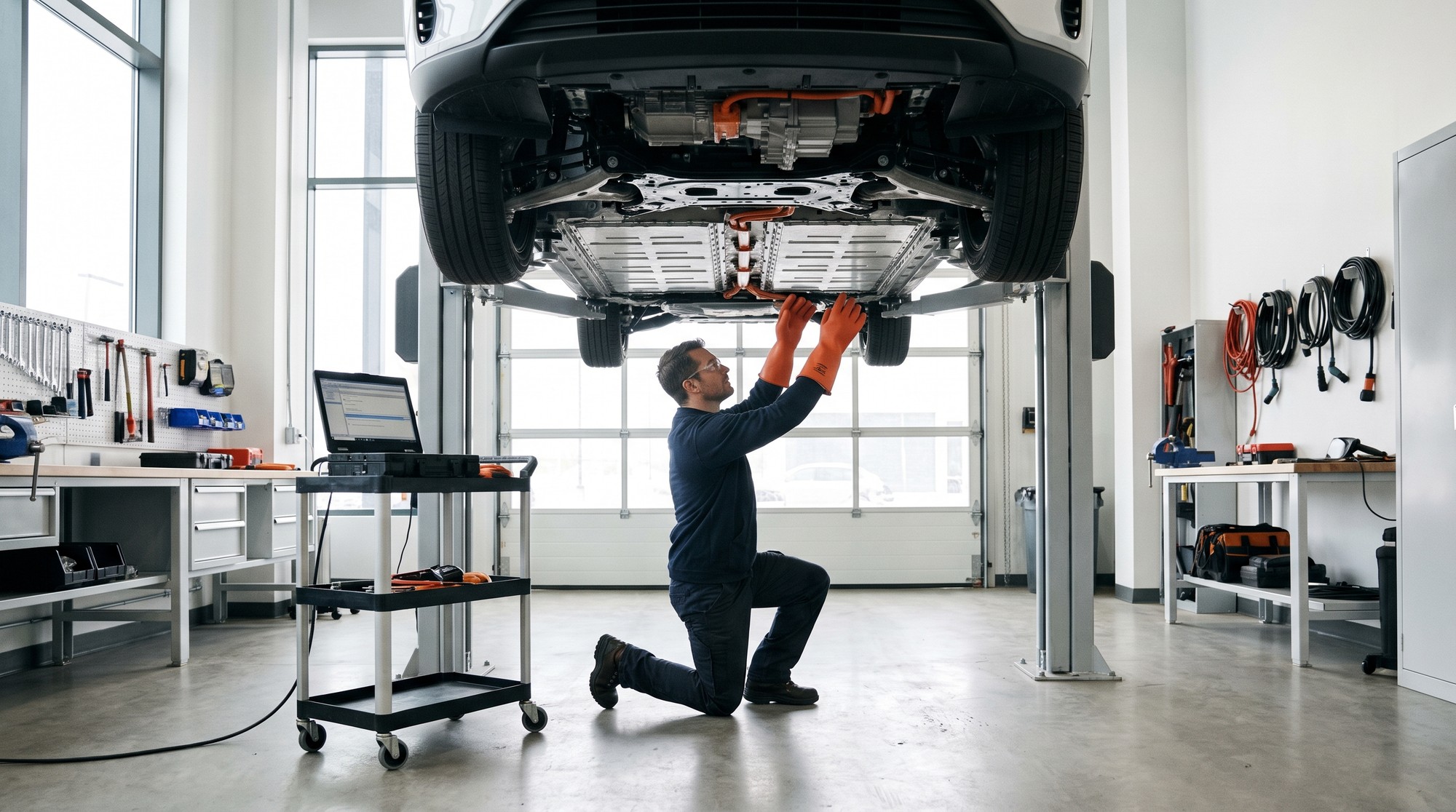
Electric vehicle service technicians diagnose and repair battery-powered vehicles, including their electrical systems and other components. Their work helps owners keep vehicles dependable rather than leaving repairable equipment unused.
The near-term contribution is keeping existing electric vehicles available for everyday travel. Maintenance supports their continued use, although the overall environmental benefit also depends on factors such as electricity generation and vehicle manufacturing.
The job suits people interested in automotive technology, electronics, and careful diagnostic work.
Compare automotive programs and employer training that specifically cover electric vehicles. Then ask about high-voltage safety, battery diagnostics, and supervised practice rather than assuming every course includes them.
Put Your Skills to Work for a Greener Future
Technical careers can help build a greener future through practical improvements, from restoring wind generation to reducing wasted energy in buildings. Some changes happen through a single service visit, while others depend on completing an installation.
Choose a path that matches your interests. Then compare training schedules, practical experience, and local entry requirements. For a wider view of the sector, our roundup of the top sustainability careers covers further roles, pay, and long-term demand.
Was this article useful? If so, take a moment to explore some of our related content.


