
Imagine harnessing the vast power of the sun to light up our homes, run our appliances, and charge our cars. This isn’t the far-off future—it’s happening right now with solar energy. Solar power has emerged as one of the most promising solutions for sustainable living, offering an eco-friendly and economically viable alternative to fossil fuels. As more people become conscious of the environmental impact of their energy consumption, the shift toward solar energy is gaining momentum across the globe.
Photovoltaic panels, often simply called solar panels, make it possible to harness solar energy by using technology to convert sunlight into electricity. These panels have rapidly evolved from unique fixtures on sporadic rooftops to mainstream energy sources embraced by homeowners, businesses, and governments alike. Solar technology’s versatility and scalability allow for a wide range of applications, from small residential setups to vast solar farms that feed into national energy grids.
This article explores how solar panels work, delves into the latest technological advancements, examines the socioeconomic implications of adopting solar energy, and contemplates the exciting possibilities for its future use. By understanding these aspects, you can appreciate the transformative potential of solar energy and its pivotal role in addressing global energy needs, which can help in your path to learning how to install a solar panel system yourself.

How Do Solar Panels Work?
Understanding the Photovoltaic Effect
Solar panels might look like simple slabs of material, but they are actually quite sophisticated. At the core of every solar panel are photovoltaic (PV) cells, typically made of silicon. These cells are the heart of the solar energy conversion process. So, how exactly do they work?
Edmond Becquerel, a French physicist, discovered the photovoltaic effect in 1839, and it is this phenomenon that holds the magic. When sunlight, comprised of tiny packets of energy called photons, strikes the surface of these PV cells, it excites electrons within the silicon. This excitation causes electrons to break free from atoms and move, generating an electric current. Essentially, sunlight directly transforms into electricity.
Here’s how it works: two layers of silicon, each treated with different minerals, sandwich each PV cell to create an electric field. This field functions much like a magnet, pulling electrons in opposite directions when activated by light. This electric field is critical—it guides the loose electrons out of the cell, creating direct current (DC) electricity.
Components of a Solar Panel
To make solar electricity usable in your home, several components work together seamlessly.
Certainly, here’s an expanded explanation of each component in layman’s terms:
1. Silicon Solar Cells
These are the core elements of solar panels, responsible for capturing sunlight and transforming it into electricity through a process known as the photovoltaic effect. By understanding these components, you can appreciate how solar panels transform sunbeams into energy that powers your daily life. Silicon, a durable semiconductor material, forms them, efficiently converting the sun’s rays into direct current (DC) electricity.
2. Inverter Systems
By converting the DC electricity from the solar cells into alternating current (AC), the standard form of electrical current in homes, inverters play a crucial role. This conversion is essential for powering everyday household appliances, ensuring they run smoothly and efficiently.
3. Glass Casing and Metal Conductive Plates
The glass casing serves as a protective shield for the solar cells, guarding them against environmental elements like rain and debris. Beneath, metal conductive plates work to gather the electricity generated by the cells and deliver it to the inverter for conversion.
4. Anti-Reflective Coating
The surface of the solar cells receives this coating to reduce sunlight reflection and maximize light absorption. By enhancing light absorption, the anti-reflective coating boosts the efficiency of the solar panel, enabling it to generate more power from the same amount of sunlight.
Installing Solar Panel Systems
Embarking on the installation of a solar panel system is a meticulous process that transforms sunbeams into usable electricity for your home or off-grid setup. The key to a successful installation begins with a thorough assessment of your energy needs. Begin by assessing your current energy consumption—you can determine this from your electricity bill, which typically indicates energy usage in kilowatt-hours (kWh). This initial step helps you decide the capacity of the solar system you need and what proportion of your energy consumption you want to offset with solar power.
Once you understand your energy requirements, select the type of solar panels that best align with your needs and budget. Monocrystalline panels, known for their high efficiency, may have a higher upfront cost, but they generate more electricity in smaller spaces, which could be ideal if space is limited. On the other hand, polycrystalline panels offer a more cost-effective solution, although slightly less efficient. You must pair each panel type with a compatible charge controller, which regulates the voltage and prevents overcharging, ensuring your battery bank remains in optimal condition.
The final steps involve connecting your charge controller to a battery bank, which stores excess energy for use during non-sunny periods, and an inverter that converts the stored DC power into AC power suitable for household appliances. It’s crucial to follow manufacturer instructions closely to ensure safety and system efficiency. Additionally, grounding all components securely and implementing cutoff switches can provide an added layer of safety, allowing you to perform maintenance without risk. This systematic approach to installation not only fosters energy independence but also supports a sustainable, eco-friendly lifestyle.
Innovations in Solar Technology
Advancements in PV Cell Efficiency
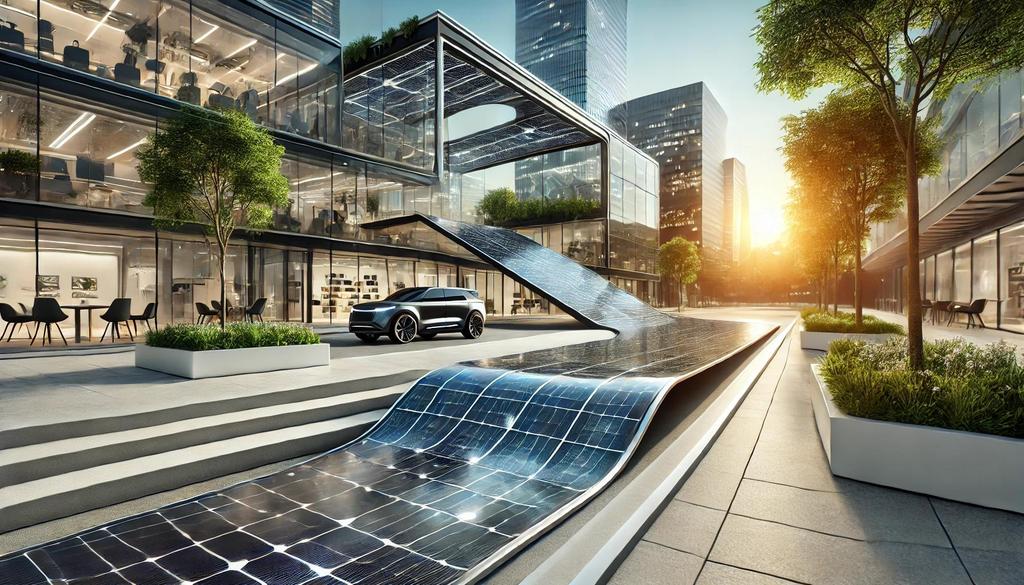
The quest for better solar technology never stops. Researchers worldwide are constantly innovating to make solar panels more efficient and adaptable. A significant breakthrough is the development of ultrathin, flexible solar cells. These cells are incredibly lightweight—so light that they can sit atop a soap bubble without popping it. Despite their delicate nature, they convert sunlight to electricity almost as efficiently as traditional, heavier glass-based cells.
Due to their light weight and efficiency, these flexible cells have potential uses beyond rooftops, such as integration into building materials, clothing, and even space technology.
Emerging Technologies: Solar Thermal and CSP
Beyond photovoltaic panels, other innovations in solar technology include Solar Thermal and Concentrated Solar Power (CSP) systems. While PV panels directly convert sunlight into electricity, solar thermal systems capture sunlight to heat water or air for home use. This process is simpler and involves heating collectors directly and transferring that heat to a fluid system.
On a larger scale, CSP uses mirrors to concentrate sunlight onto a focal point, converting solar energy into heat before generating electricity. This system typically serves power plants rather than individual homes. CSP is a promising technology for utility-scale solar projects, as it can store solar energy efficiently for use during periods without sunlight.
These innovations are paving the way for solar energy to be more versatile and integrated across various sectors, reducing our reliance on fossil fuels and moving toward a cleaner future.
Socioeconomic Impacts of Solar Energy
Economic Benefits and Job Creation
Solar energy is not just a win for the environment; it’s also a boon for the economy. As the demand for renewable energy grows, so too does the job market. In fact, the solar industry creates jobs at a rate significantly faster than the overall economy. These jobs range from manufacturing and installation to sales and research into new technologies, offering opportunities for a wide swath of the workforce.
The economic benefits go beyond employment. By reducing reliance on fossil fuels, solar panels can help stabilize electricity prices. Once installed, solar energy systems produce electricity at no additional cost, insulating homeowners and businesses from the volatility of traditional energy markets. This price stability can lead to significant cost savings over time, making solar an attractive option for both residential and commercial applications.
Environmental and Carbon Footprint Reduction
One of the most compelling reasons to embrace solar energy is its minimal environmental impact. Unlike fossil fuels, solar panels produce no harmful emissions during operation. Installing more solar panels directly reduces greenhouse gases, thereby mitigating climate change and promoting cleaner air.
The solar life cycle—from manufacturing to disposal—is continually improving, with many companies striving to recycle materials and further reduce environmental impact. Solar panels typically last 25-30 years, during which they significantly offset their own production emissions by replacing dirtier energy sources. As recycling methods improve, the carbon footprint of producing and disposing of panels continues to shrink, making solar an even more sustainable choice.

The Future of Solar Energy
Prospective Innovations and Applications
Looking ahead, the horizon for solar energy is bright with innovation. Imagine solar panels not just on rooftops but integrated into windows, facades, and even vehicles. Material science advancements, like the creation of perovskite solar cells, promise to transform the industry by being more affordable and simpler to manufacture than traditional silicon cells.
Furthermore, solar energy technology extends beyond Earth. As we venture further into space exploration, solar power is essential for powering spacecraft and satellites. On the ground, these advancements open up possibilities for solar farms that utilize less land but produce more energy, thanks to innovative designs and materials.
Societal Shifts Toward Renewable Energy
Alongside technological growth, a societal shift is underway. Many countries are moving toward policies that encourage renewable energy adoption. For instance, government incentives for installing solar systems have made it more affordable for individuals and companies to participate in this green revolution.
The progress is evident. Countries like China, the United States, and several European nations are making substantial investments in solar infrastructure, aiming to integrate a larger share of solar power into their national grids, a move that supports national energy independence and economic resilience.
Seamless Solar Integration: Overcoming Grid Challenges and Reducing Soft Costs
Integration into Existing Grids
One of the key challenges of scaling solar energy is integrating it into existing electrical grids. Solar panels produce variable energy due to its dependence on sunlight, subject to fluctuations in weather and time of day. This variability necessitates innovations in energy storage technologies and grid management to ensure a steady power supply.
Utilities and grid operators are working hard to develop systems that can efficiently incorporate solar power, often by deploying advanced battery storage systems that store excess solar energy produced during sunny periods for use when the sun isn’t shining.
Navigating Non-Hardware Costs
Another consideration is the “soft costs” associated with solar installations. These include permitting, financing, and the costs of consumer acquisition for solar companies. Such expenses can comprise a significant portion of the overall cost of solar installations, sometimes exceeding the actual hardware costs.
To make solar more affordable, efforts are underway to streamline these processes. Governments and industries are focusing on reducing these barriers through policy changes and technology solutions that simplify permitting processes and enhance financing options, as reported by [National Grid]().

The Solar Imperative: Leading the Charge in Global Renewable Transformation and Sustainability
In the face of climate change and the pressing need for sustainable energy solutions, solar power emerges as a promising solution. With its ability to reduce carbon emissions and provide cost-effective energy, it plays a key role in the global transition to renewable energy. Solar panels are more than just devices; they are symbols of innovation and resilience in our collective effort to build a better, greener future.
The journey of solar technology is not one of mere technological advancement but also societal transformation. By embracing solar energy, societies can pave the way for significant socioeconomic benefits, including job creation, energy independence, and a healthier environment.
Looking forward, the potential of solar energy seems almost limitless. From integrating solar technologies into urban infrastructure to exploring their use in space exploration, the possibilities are vast. As we continue to innovate and overcome challenges, such as improving battery storage and reducing soft costs, the adoption of solar energy will undoubtedly increase, creating a more resilient and sustainable energy framework for the future.
In conclusion, transitioning to solar power is not just an option; it’s an imperative. It empowers us to control our energy consumption and make a meaningful contribution to the planet. We encourage you to explore solar energy solutions, advocate for renewable energy policies, and become part of this transformative journey toward a sustainable world.


