
Rushed freight tenders lead to reweigh fees, missed pickups, and damaged goods. A precise LTL freight profile, built before you request quotes or schedule a truck, helps carriers price accurately, load your freight safely, and hit realistic transit timelines. That profile should include verified dimensions and weight, durable packaging details, any accessorial needs, workable pickup and delivery windows, and clean documentation. It is not busywork. Those specifics feed a carrier’s terminal planning, cross-dock handling, and linehaul cutoffs. The steps below focus on decisions shippers control at the dock, with concrete examples that help avoid common surprises once your pallets leave the warehouse.
Measure and Weigh for Density, Not Just Dimensions
Record the length, width, and height at the tallest point of each pallet, including overhang from cartons and the pallet deck itself. Weigh the complete unit, not just the contents, because the pallet and dunnage add up. Density drives freight class on many commodities, which in turn affects pricing and claims handling. Whether you are shortlisting New Jersey trucking companies or evaluating carriers in other high-volume hubs, the same rule applies: accurate dims and gross weight reduce reweighs and reclassifications, keep your quote valid, and help a dispatcher plan trailer space without last-minute reshuffles.
A common mistake is rounding dimensions down or ignoring bulges from shrink wrap. That inch matters when a trailer is cubed tight. Measure at multiple points and include corner protectors, slip sheets, and any top caps in the height. Note stackability clearly if cartons cannot be top loaded. If your pallet overhangs the deck boards, expect higher damage risk and potential refusal during loading at a busy cross dock. Plan the footprint to stay flush with the pallet and consider switching to a larger, 48 by 48 deck to contain the load safely.
Package for Cross Docks and Forklifts
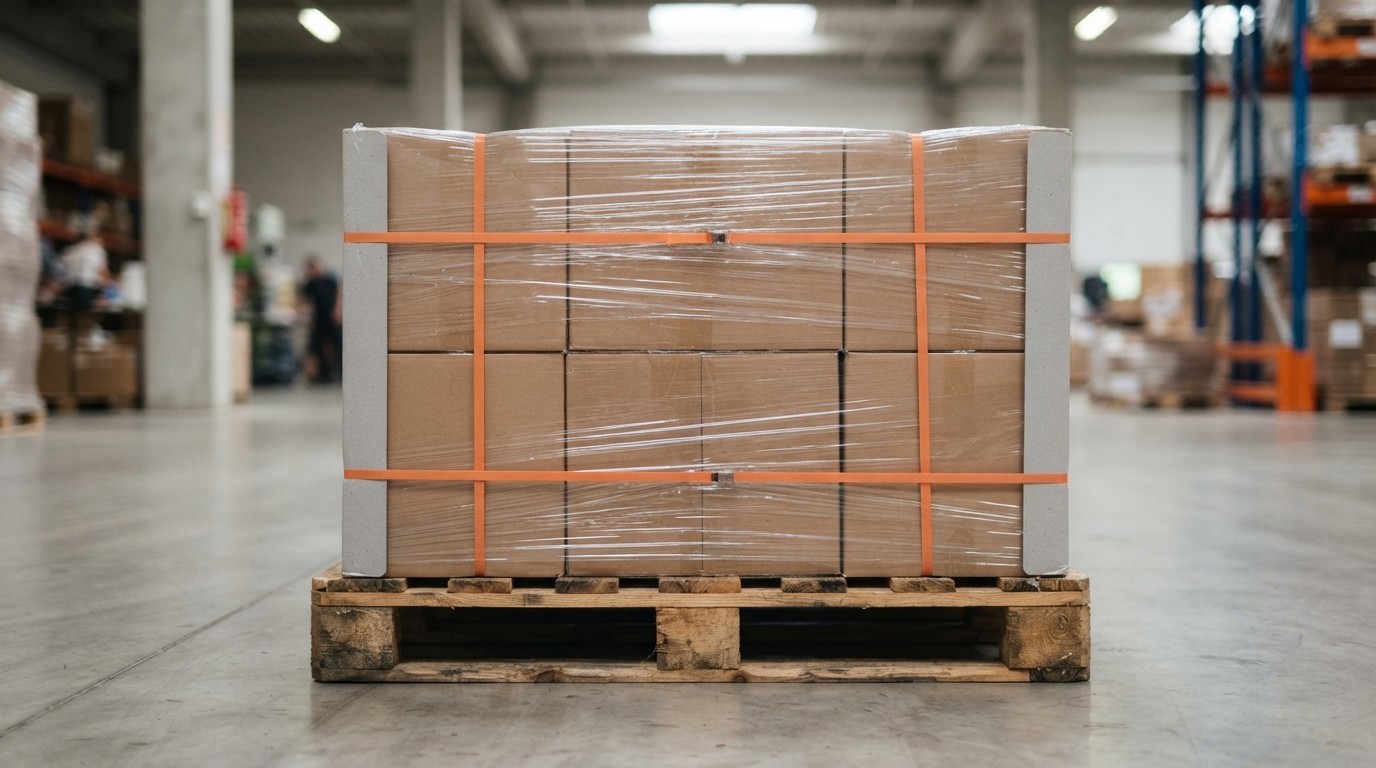
LTL freight goes through multiple rounds of material handling across terminal transfers, so packaging must withstand forks, clamps, and conveyor skids. Use four-way entry pallets so handlers don’t have to make awkward picks. Band cartons to the deck with two or more poly straps, add corner boards to resist crush, and wrap the load with at least three tight rotations at the base, midsection, and top. For fragile or high-value items, a crate with internal blocking and bracing absorbs impacts better than open cartons on a pallet. Mark the center of gravity and, when appropriate, attach “Do Not Clamp” labels to guide safe handling.
Top-heavy pallets are a frequent failure point. A mixed-load pallet with a dense engine block on the bottom and a light, oversized box on top can sway when a forklift pivots, tearing stretch wrap and exposing corners. You face a tradeoff: stacking reduces pallet count and saves linear floor space, but stability may suffer. Use stack cones and top caps only when the underlying carton can actually support the weight. Otherwise, split the freight across two pallets and band tightly to reduce lean and tip risk during fast-paced cross-dock turns.
Call Out Accessorials and Site Limits Upfront
List every special service on the quote request and the bill of lading so the right equipment and time are assigned. Common accessorials include liftgate pickup or delivery, residential or limited access service, inside delivery, notify before delivery, appointment delivery, trade show or convention site delivery, and construction site constraints like no dock or gravel lots. Suppose a consignee needs a smaller straight truck because of tight turns or low clearances; state that explicitly. Missing details create costly adjustments and push deliveries to the next service day when the assigned unit cannot complete the stop.
Consider a realistic example: a commercial address shares a parking lot with a retail plaza and bars, and can only receive freight at the dock before 10 a.m. due to crowding. If that window isn’t on the BOL and dispatch sheet, a 53-foot van may arrive during the blackout period, attempt delivery, and depart with a failed attempt. The result is overtime linehaul handling and a new appointment. By capturing site limits, liftgate needs, and contact names with direct phone numbers early, you cut the risk of redeliveries and detention at both ends.
Match Pickup Windows to Linehaul Cutoffs
Transit estimates assume your freight makes a terminal’s same-day linehaul. Ask your carrier about local pickup schedules and nightly departure cutoffs, then set a ready time that gives the driver runway to arrive, load, and return to the terminal before closing. A 4 p.m. pickup on a Friday might miss the outbound truck if your dock requires a 30-minute check-in and the terminal closes at 6 p.m. This timing relationship is simple but consequential: a late tender pushes the move to the next linehaul cycle, adding full days to delivery.
Urban congestion and appointment freight make this even tighter. If a driver must hit a 2 p.m. pickup at a limited access site before coming to you, your 1 p.m. ready time may still be too late. Share flexible windows, note shipper close time, and confirm whether a pickup number is required to clear security. Once loaded, scan the bill of lading and assign a PRO number. That early scan proves the freight made the terminal and is in queue for the scheduled linehaul.
Make Your BOL and Labels Match, Then Monitor Exceptions
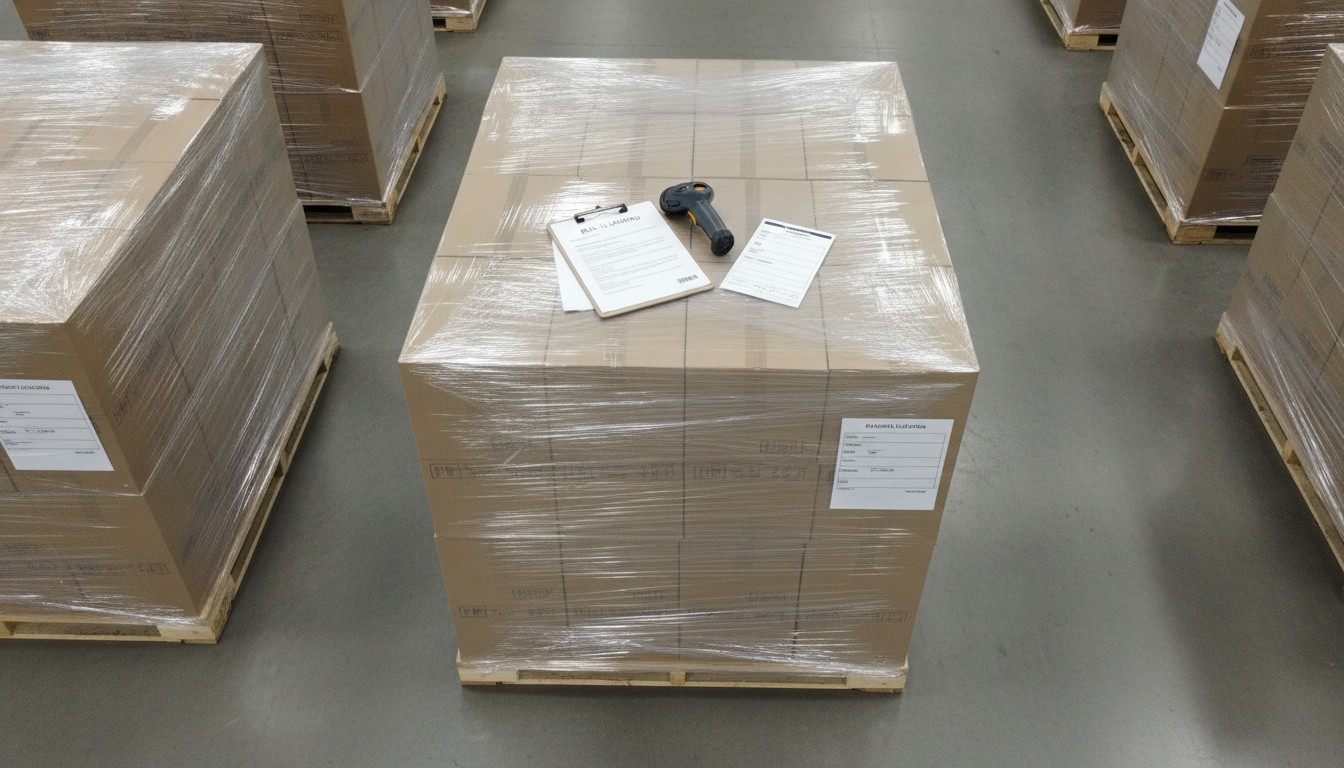
A clean bill of lading aligns what you ship with what the carrier plans to move. Include shipper and consignee names, addresses, and zip codes; contact numbers; NMFC commodity description and freight class when applicable; the piece and pallet count; actual weight; and any declared value that your commodity or contract requires. Place identical labels on at least two adjacent sides of every pallet with destination city and zip, pallet ID, and piece count. If your warehouse prints barcodes, put them where clamps and forks will not scrape them off. Mismatched counts between labels and BOL are a fast path to misroutes and OS&D claims.
After tender, monitor tracking for exception scans such as short, over, or damage. If a terminal flags an overage or shortage, respond immediately with photos of packaged freight, the BOL, and any seal numbers if used. Early documentation helps the carrier trace misloaded freight across terminals before it moves further away from the intended destination. When a claim is necessary, specific packaging notes, accurate weights and dimensions, and consistent labeling shorten the investigation and support faster resolution.
Building a precise freight profile takes minutes but prevents delays measured in days. Verified dimensions and weight protect your rate, sturdy packaging survives cross-docks, accessorials and site limits put the right truck at the door, smart timing meets linehaul cutoffs, and clean paperwork keeps pallets moving to the right destination. Apply these steps consistently across all origins and destinations, and you give any carrier a clear picture of your freight. That clarity leads to steadier pickups, fewer invoice surprises, and smoother deliveries for your customers.


