When a Utah heat spike hits, an air conditioner that struggles, short-cycles, or blows warm air can turn a normal afternoon into a race against rising indoor temperatures. Before panic sets in, a few safe, targeted checks can tell you whether you are dealing with a simple airflow hiccup or a problem that needs a technician. By watching for concrete clues like frost on refrigerant lines, water around the furnace, outdoor fan behavior, and breaker status, you can protect your equipment and reduce downtime. This guide explains common AC failure signs, what they often indicate, what you can safely check, when to shut the system down, and the information that helps a professional pinpoint the issue faster.
What Common AC Symptoms Usually Mean
Specific symptoms point to specific failure paths. Warm air with weak airflow often traces back to a clogged air filter, closed supply registers, or a blocked return grille. Ice on the copper refrigerant line near the air handler suggests low airflow across the evaporator coil or a low refrigerant charge. Frequent clicking and short cycling can indicate a failing capacitor, a dirty condenser coil causing high head pressure, or a thermostat issue. If these signs appear and basic checks do not resolve them, scheduling air conditioning repair in West Valley City can prevent small problems from snowballing into compressor damage.
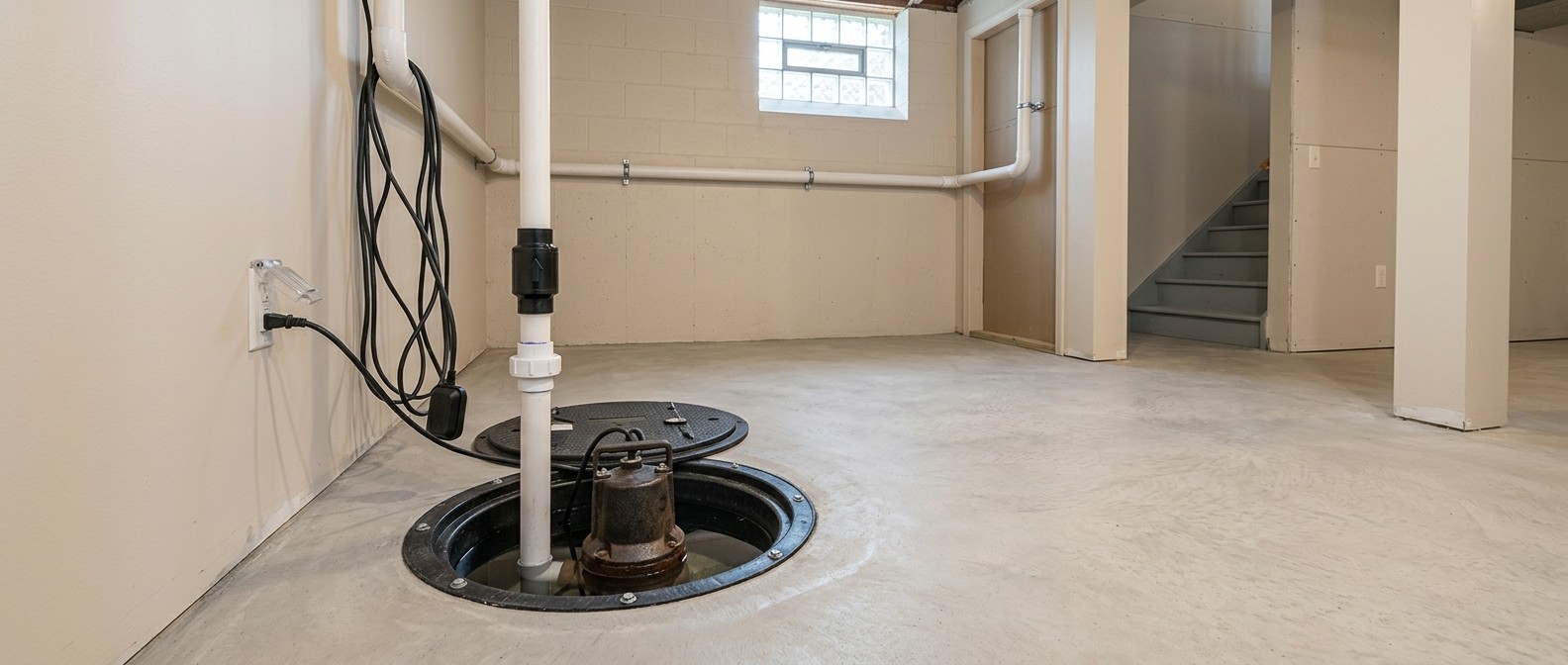
Water around the indoor unit usually comes from a clogged condensate drain or a stuck float switch that shuts off cooling to prevent overflow. A humming outdoor unit with a non-spinning fan may indicate a fan motor or run capacitor issue. A breaker that trips and immediately trips again warns of a short, seized motor, or a hard-starting compressor. Burning odors, electrical arcing sounds, or charred wiring require you to turn off the system and have a pro evaluate it without delay.
Safe Checks You Can Do Before You Call
Start with the thermostat: confirm it is on Cool and Auto, then lower the setpoint by 3 to 5 degrees to command cooling. Inspect the air filter at the return grille or inside the furnace cabinet; if it is dirty or collapsed, replace it with the correct size and arrow orientation. Confirm supply registers are open and not blocked by rugs or furniture, and make sure the return grille is not covered. At the electrical panel, verify the AC breaker is on; if it tripped, reset it once. Do not repeatedly reset a breaker that trips again.

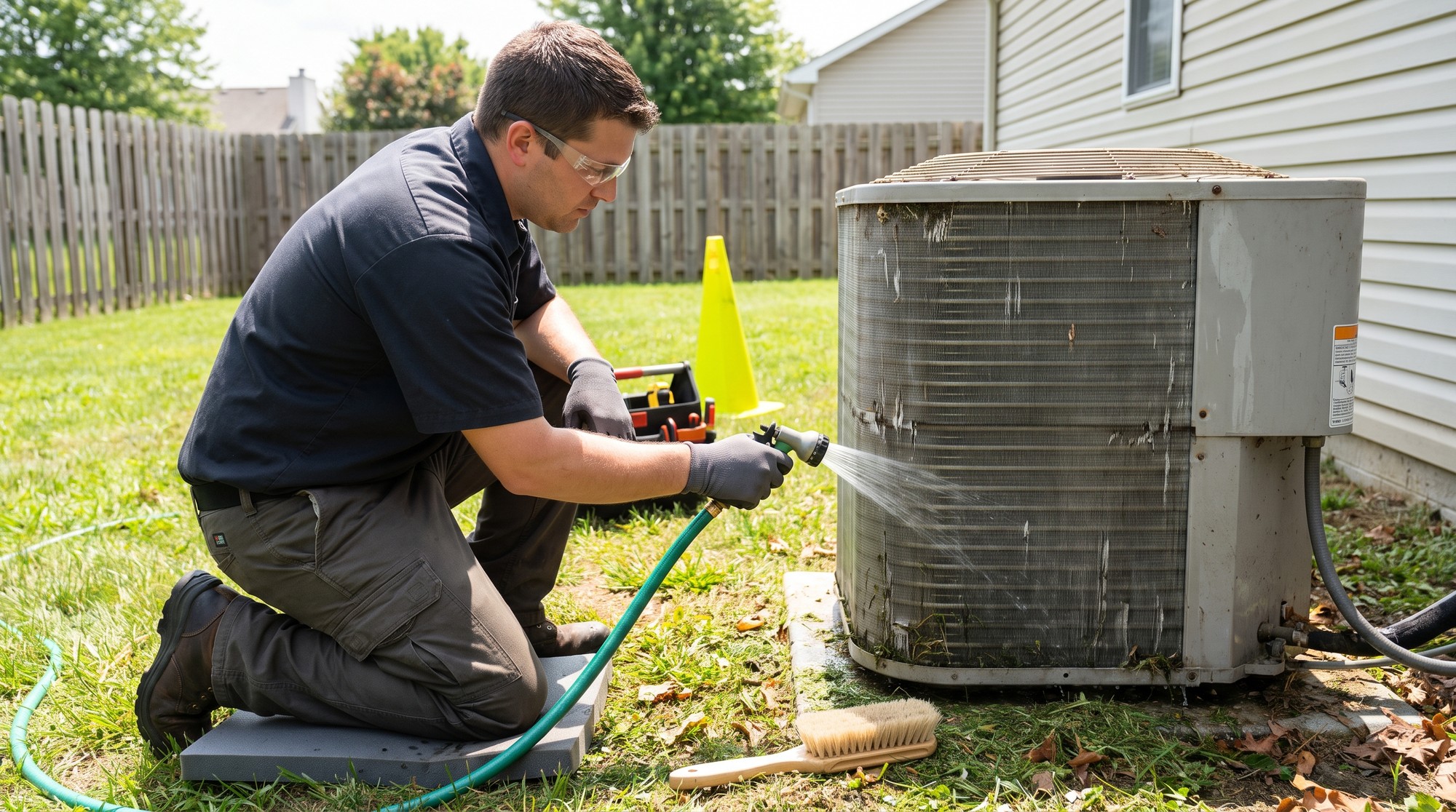
Outside, cut power at the disconnect if you need to clear debris. Remove leaves, cottonwood fluff, and grass clippings from the condenser coil fins with a soft brush or gentle garden hose rinse. Do not use a pressure washer or open the service panel. Back inside, check the condensate drain line for clogs and the drain pan for standing water. If you see frost on the refrigerant line or the evaporator area, switch the thermostat to Fan only and Cool to melt the ice before further testing; running a frozen coil can cause liquid refrigerant to return to the compressor, which is harmful.
When to Shut It Down and Call a Technician
Some conditions call for stopping the system to prevent serious damage. Ice buildup on the evaporator coil or suction line, repeated breaker trips, a non-spinning outdoor fan with the compressor humming, or a strong burning smell are all red flags indicating your HVAC system needs repair. In these cases, switching off cooling protects the compressor, motors, and wiring. The trade-off is short-term discomfort versus the risk of turning a repairable issue into a major component failure; erring on the side of safety usually saves money and equipment life.
Refrigerant handling, capacitor replacement, and opening electrical compartments are not DIY tasks. If the unit hisses or bubbles from the line set or coil, if you see oil stains on tubing, or if the float switch keeps tripping from drain problems, close the disconnect and wait for a professional. Continuing to operate in these conditions can overheat the compressor, trip the contactor, or burn out the blower motor.
Information That Speeds Up Professional Diagnostics
Having a few details ready can shave time off a service call. Note the AC brand and model from the outdoor unit nameplate and, if accessible without removing panels, the indoor unit model. Write down the thermostat setting and the approximate indoor temperature when the trouble started. Describe any changes before the issue, like a filter change, lawn mowing near the condenser, or recent storms that might have jammed debris into the coil. If your furnace has a viewing window with a blinking LED, count the pattern only if you can see it without opening the panel. Note whether the outside fan runs, whether the air from the vents is cold, cool, or warm, and whether the system shuts off after a few minutes. The clearer the symptom timeline, the faster a tech can zero in on the capacitor, contactor, blower motor, condensate drain, or refrigerant circuit.
Preventive Steps That Fit Utah Conditions
Dry summers and occasional wildfire smoke in the Salt Lake Valley can load filters and outdoor coils faster than expected. Check your air filter monthly in peak season and replace it every 30 to 90 days based on dust and visible dirt. According to the U.S. Department of Energy, routinely cleaning or replacing air filters can lower an air conditioner’s energy consumption by 5 to 15 percent. Keep 2 to 3 feet of clearance around the condenser and trim shrubs to maintain airflow across the condenser coil. After cottonwood season or mowing, gently rinse the coil fins with a garden hose to remove surface debris; avoid strong spray that can bend fins.
An annual professional tune-up can include evaporator and condenser coil cleaning, a refrigerant charge check, capacitor and contactor testing, tightening electrical connections, and flushing the condensate drain. Skipping maintenance can gradually reduce efficiency, raise head pressures, and cause premature wear. The trade-off is the cost of a preventive visit versus the risk of mid-summer breakdowns and higher utility bills; over time, clean coils and steady airflow usually pay back in more stable performance.
AC problems rarely appear out of nowhere; they leave useful clues in how the thermostat responds, how the outdoor fan and compressor behave, how the vents feel, and whether water or frost shows up in the wrong places. Use the safe checks above to clear simple airflow and drainage issues, and do not hesitate to shut the system down when signs point to electrical, refrigerant, or icing problems. Gather a brief symptom history and model information to help a technician dive straight into the right circuit. With a few smart steps and timely professional help when needed, your system is more likely to ride out the season reliably.