
If you think clean water at home is just about taste, you’re missing the bigger picture. Your water affects plumbing lifespan, appliance efficiency, skin comfort, and even how much soap you use every week. In Wisconsin, that conversation gets more specific because hard water, iron, and seasonal groundwater variations are common concerns in many communities. If you’re trying to make your home more efficient and healthier, your water system deserves a closer look.
Your water quality shapes more of daily life than you probably notice
You usually notice water only when something goes wrong. Maybe your shower door gets cloudy fast, your dishwasher leaves spots, or your coffee tastes slightly off. Those aren’t random annoyances. They’re often signs of mineral load, sediment, iron, manganese, or other water chemistry issues affecting your home behind the scenes.
Water quality has a direct impact on scaling inside pipes, water heater performance, and fixture maintenance. Hard water minerals like calcium and magnesium can build up over time, reducing efficiency in appliances that rely on heat exchange. If your home uses well water, you may also deal with sulfur odors, staining, or bacteria monitoring requirements.
Once you start treating water as part of your home’s infrastructure instead of a background utility, the decisions around filtration and treatment become much more practical.
Wisconsin homes face a water profile that calls for targeted solutions
If you live in Wisconsin, local conditions matter a lot. Many homes deal with hard water because groundwater picks up dissolved minerals from limestone and dolomite formations. In some areas, iron staining is a routine complaint. Rural properties with private wells often need a more customized treatment setup than homes on municipal water.
That’s where working with a professional water solution company in Wisconsin can make sense, especially if you want testing and equipment recommendations that match regional water conditions. You’re not just buying a generic filter. You’re evaluating hardness, total dissolved solids, pH, iron concentration, sediment, and possible contaminants based on how your home actually gets water.
That local knowledge matters when you’re comparing options like reverse osmosis, softeners, iron filters, UV disinfection, or whole-home filtration systems. A setup that works in one neighborhood may be poorly matched in another.
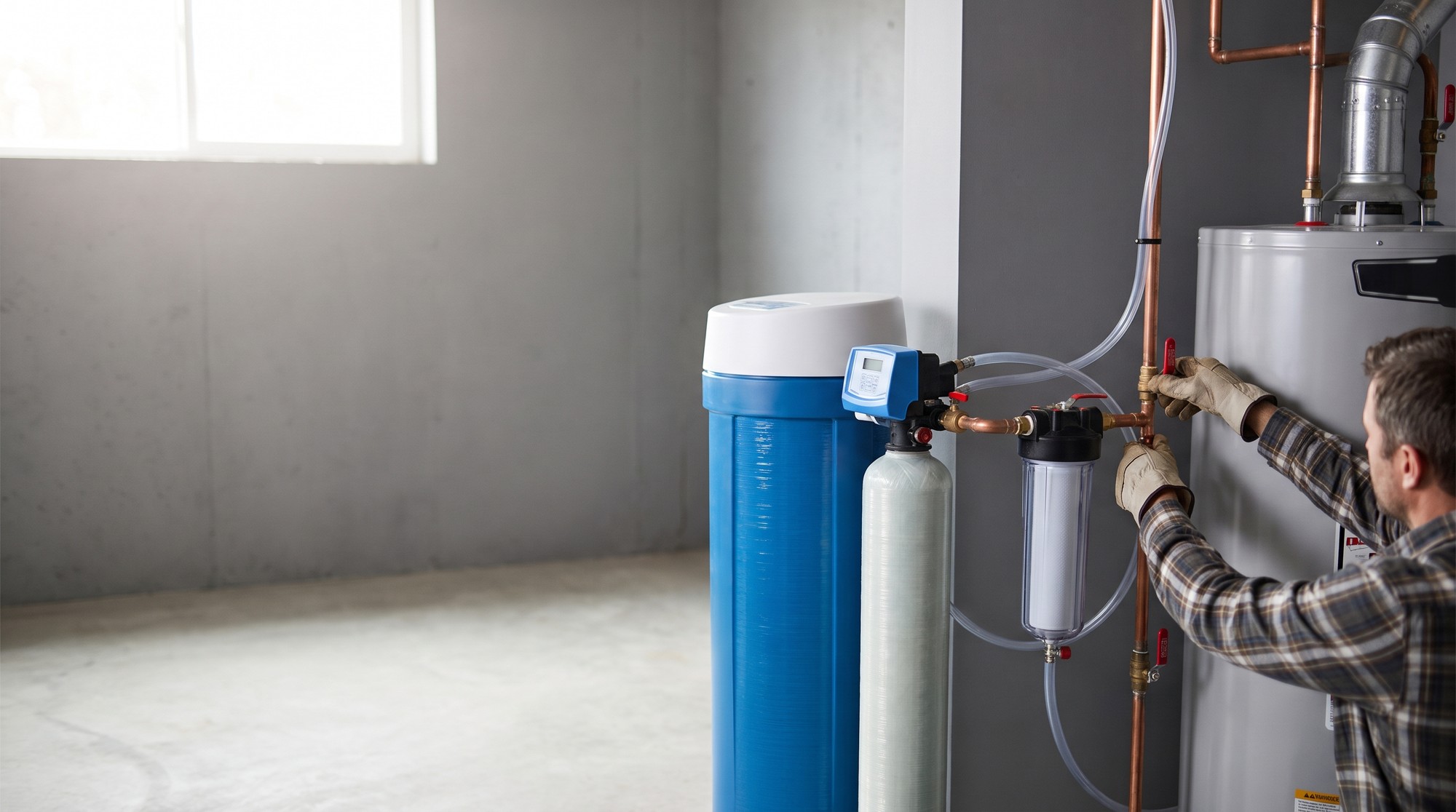
Water softeners solve one problem, but not every problem
A lot of homeowners hear “bad water” and immediately think they need a softener. Sometimes they do. A softener is highly effective when hardness is the main issue, and it can reduce scale buildup, improve soap performance, and help protect water-using appliances. Still, it won’t remove everything.
If your water has iron, sulfur smell, sediment, nitrates, or microbiological risk, a softener alone won’t fully address those issues. You may need staged treatment, where each component handles a different part of the water profile. That can include sediment prefiltration, carbon filtration, oxidation, UV treatment, or point-of-use reverse osmosis at the kitchen sink.
The smartest move is to start with actual testing rather than product assumptions. Plenty of people overspend on systems they don’t need or underspend on equipment that leaves the main problem untouched. Water treatment works best when the diagnosis comes first. Homeowners weighing whole-home setups can compare the growing case for whole-house water filtration with staged, problem-specific treatment.
Municipal water and well water come with very different planning needs
You can’t approach city water and private well water the same way. Municipal systems already go through regulated treatment, but that doesn’t mean your tap water is optimized for your home. Chlorine taste, disinfection byproducts, old interior plumbing, and hardness can still affect what comes out of your faucet.
Well water puts more responsibility on you. You need regular testing, and the treatment plan depends on local geology, seasonal conditions, and system maintenance. As the EPA’s guidance on protecting a private well’s water sets out, annual checks for coliform bacteria, nitrates, total dissolved solids, and pH are the baseline, with extra tests added when local conditions warrant. A well owner may need to monitor arsenic, nitrates, or iron bacteria, depending on the site and water history.
This difference changes how you budget too. A city-water household may prioritize taste, scale reduction, and appliance protection. A well-water household often needs a broader risk-management strategy. That could include pressure tanks, treatment redundancy, and scheduled service to keep the system performing consistently.
Sustainability starts with efficiency, not just filtration buzzwords
Water treatment often gets marketed with clean branding and vague eco language. What matters more is system efficiency. A well-designed setup can reduce detergent use, extend appliance life, lower maintenance frequency, and help you avoid replacing water heaters or dishwashers earlier than necessary.
That’s a sustainability win most people overlook. If your system prevents scale accumulation, your heater can operate with less energy loss. If reverse osmosis is sized correctly and paired with efficient storage, you get better performance without unnecessary waste. If filters are serviceable and properly matched to your water load, you avoid constant cartridge turnover.
You should also pay attention to regeneration settings, salt efficiency, and flow rate sizing. Oversized or poorly configured systems waste water and money. Sustainable housing isn’t only about installing advanced equipment. It’s about making sure the equipment fits the demand profile of your household.
Smart homeowners ask sharper questions before they buy anything
If you’re comparing water treatment options, the quality of your questions often determines the quality of your outcome. Ask what the lab data shows, what problem each piece of equipment is solving, and how maintenance works over time. You should know expected service intervals, media lifespan, operating cost, and whether the system can handle your home’s peak flow demand.
It also helps to ask what happens if your water conditions change. Seasonal shifts, well recovery issues, or plumbing updates can affect treatment performance. A solid provider should be able to explain contingency planning, not just installation specs.
You’re making a long-term infrastructure decision, not grabbing a small kitchen accessory. Better water at home should feel noticeable in daily use, but the best systems also do quiet work in the background: protecting equipment, stabilizing performance, and cutting down on recurring household friction.

Clean water at home is becoming a practical standard, not a luxury
The old idea that water treatment is optional or only necessary for problem wells is fading fast. Homeowners are paying closer attention to what moves through their pipes because utility costs, appliance replacement costs, and health expectations have all changed. You want systems that perform reliably, not just water that seems fine most of the time.
A smarter home in 2026 isn’t only connected or energy efficient. It’s also more intentional about water quality at every point of use. That includes bathing, cooking, laundry, dishwashing, and equipment protection. Once you understand how many daily frustrations link back to untreated water, the subject stops feeling technical and starts feeling immediate.
If you’re already thinking seriously about sustainable housing, water treatment belongs on the same list as insulation, HVAC efficiency, and indoor air quality. It has that much influence on how your home actually functions.


