
Your HVAC (Heating, Ventilation, and Air Conditioning) system plays a vital role in keeping your home comfortable throughout the year. Whether it’s battling the summer heat or warming your house during winter, a well-functioning HVAC system is essential. Unfortunately, like all mechanical systems, it can develop issues.
Recognizing the early signs that your HVAC system needs repair can save you from future headaches, costly bills, and uncomfortable days. Ignoring minor problems allows them to escalate into expensive breakdowns, but knowing what to look for puts you in control. Let’s explore the key indicators that it’s time to call a professional.
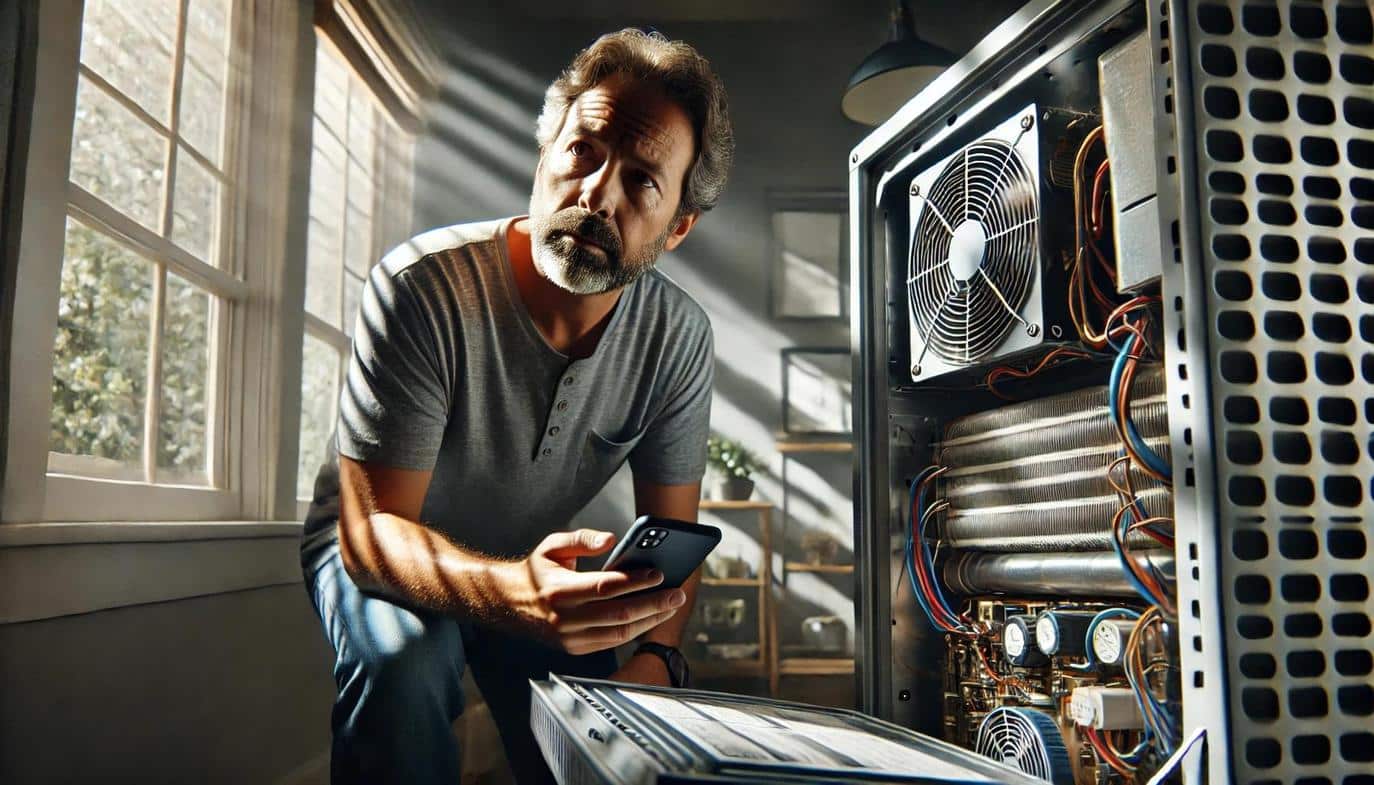
Is Your HVAC Making Grinding, Squealing, or Rattling Noises?
Most HVAC systems produce a low hum when operating, which is completely normal. If you start to notice unfamiliar sounds, your system may be trying to tell you something. Common culprits include:
- Grinding: This could indicate worn-out bearings.
- Squealing: This often points to a problem with the belt.
- Rattling: This may signal loose parts or debris inside the unit.
These noises interrupt your peace and signify potential damage that needs immediate attention. Calling an HVAC technician as soon as you notice these sounds can prevent further harm and more expensive repair bills, so don’t wait for them to worsen.
Dealing With Weak or Inconsistent Airflow
One of the clearest signs of HVAC trouble is a noticeable change in airflow. If some rooms feel much warmer or cooler than others or if the air feels weak when coming out of the vents, your system could be struggling to circulate air effectively. This can be caused by several common problems, such as:
- Clogged air filters
- Blockages or leaks in the ductwork
- A malfunctioning fan or blower motor
Left unaddressed, these problems can compromise your system’s efficiency, leading to higher energy bills and uncomfortable living conditions. Homeowners often assume adjusting the thermostat will solve the issue, but the real fix might require professional diagnostics and repairs.
Are Your Energy Bills Suddenly Spiking?
Another red flag to watch for is a sudden increase in your energy bills without any obvious explanation. When HVAC components begin to fail, the system must work harder to maintain the desired temperature, which in turn increases energy consumption.
If you haven’t changed your usage habits but your bills keep climbing, it’s likely your system isn’t operating efficiently. Sometimes, dirty coils, worn-out motors, or leaky ductwork can all contribute to energy waste. Technicians can pinpoint the problem and suggest improvements, including routine system tune-ups and fixes, which restore optimal performance and cut down on unnecessary expenses. Instead of overpaying each month, scheduling a professional inspection is the most effective way to solve the problem.
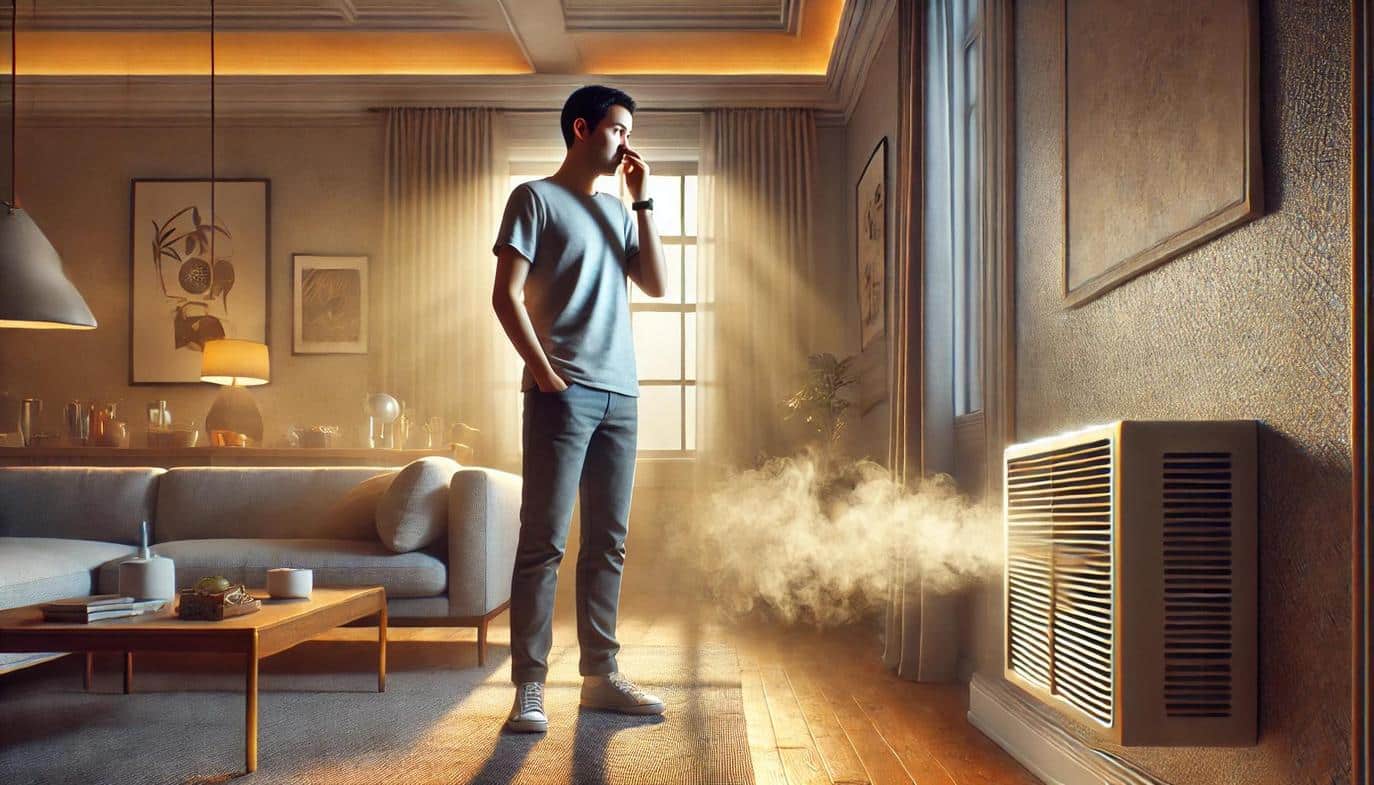
Musty or Burning Smells Coming From Your Vents?
Your HVAC system should be invisible to your nose. When strange or unpleasant smells begin circulating through your home, there’s usually a problem lurking inside the ducts or unit. Pay close attention to these specific odors:
- A musty smell: Often indicates mold or mildew growth in the ducts or condensate drain line.
- Burning or electrical odors: Could point to serious issues like overheating components or faulty wiring.
Both pose potential health and safety risks, so don’t delay in seeking repairs. Changing air filters regularly can help prevent odor issues, but if the smell persists even with clean filters, professional intervention is necessary.
Why Does My HVAC System Keep Turning On and Off?
Short cycling occurs when your HVAC system turns on and off frequently, never completing a full heating or cooling cycle. On the other hand, some systems may run continuously without ever turning off, which is just as problematic.
Both behaviors indicate a malfunction. Short cycling may stem from thermostat miscalibration, refrigerant leaks, or dirty coils. Continuous running could result from issues like clogged filters or electrical failures.
These patterns waste energy and wear down your equipment prematurely. Diagnosing and correcting the cause will extend the life of your system and restore its normal function.
Spotting Moisture and Refrigerant Leaks
HVAC systems naturally produce condensation, but excessive moisture or visible leaks around the indoor or outdoor unit can signal trouble. Refrigerant leaks are particularly serious because they affect system performance and may pose health hazards.
If you spot pooling water, corrosion, or any liquid near your unit, take it seriously. Moisture issues can lead to mold growth and property damage if left unaddressed.
A trained HVAC professional will be able to identify the source of the leak, repair it, and ensure that your unit is safely and properly sealed.

Is Your HVAC Affecting Your Home’s Air Quality?
Your HVAC system doesn’t just control temperature; it filters and circulates the air you breathe. When it’s not functioning properly, you may notice an increase in dust, allergens, or humidity in your home.
This can lead to respiratory issues, particularly for people with asthma or allergies. If your home suddenly feels stuffy or you’re constantly sneezing, your HVAC system may not be filtering or dehumidifying the air correctly.
While regular filter changes and duct cleaning are crucial for maintaining healthy indoor air, persistent issues despite this upkeep may point to a deeper mechanical failure.
Struggling to Maintain a Consistent Temperature
If your system struggles to reach the temperature set on the thermostat or takes an unusually long time to do so, there could be several culprits. Malfunctioning sensors, worn-out compressors, or imbalanced refrigerant levels might be to blame.
Even a thermostat that’s out of calibration can send incorrect signals, making your HVAC system work inefficiently. Inconsistent performance usually gets worse with time, so don’t wait until your system stops working entirely.
Call a technician to test and troubleshoot all components, including the thermostat, before the discomfort becomes unbearable.
Considering Your System’s Age and Repair History
Most HVAC systems last between 10 and 15 years with proper care. If your unit is nearing the end of its lifespan and you notice any of the above symptoms, it may be time to replace it.
Additionally, review your system’s maintenance history. Units that haven’t been regularly serviced are more prone to breakdowns and may require more extensive repairs. An annual inspection and HVAC tune-up can prevent many issues before they start, ensuring that your system continues to run efficiently and reliably.
Proactive HVAC Care for a Comfortable Home
Your HVAC system works tirelessly behind the scenes, and recognizing the early warning signs of trouble is the best way to ensure it continues to run efficiently. By paying attention to unusual noises, inconsistent airflow, and unexplained spikes in your energy bills, you can address minor issues before they become costly emergencies. Staying proactive saves you money and guarantees your home remains a comfortable and healthy environment year-round.
Ultimately, the longevity and performance of your system are in your hands. Regular maintenance, coupled with a keen awareness of its day-to-day operation, is your best defense against unexpected breakdowns. Don’t wait for a complete failure—trust your instincts, and when you spot a problem, call a qualified HVAC technician to keep your system in peak condition.
Common HVAC Repair Questions
How often should I change my air filters?
Most homes recommend changing your air filters every 1-3 months. However, if you have pets, smokers, or family members with allergies, you may need to change them more frequently to maintain good indoor air quality and system efficiency.
Can I fix HVAC issues myself?
While homeowners can perform basic maintenance like changing filters, most HVAC repairs require professional expertise. Issues involving electrical components, refrigerant, or mechanical parts should always be handled by a qualified HVAC technician to avoid safety risks and further damage.
Is it better to repair or replace an old HVAC system?
If your system is over 10–15 years old and requires frequent, costly repairs, replacing it is often the more economical choice. A new, energy-efficient model can lower your energy bills and provide more reliable performance, saving you money in the long run.

