
Ensuring your home remains comfortable year-round is crucial for your family’s well-being and energy efficiency. However, many homeowners overlook signs that their heating and cooling systems may need an update.
This comprehensive guide will delve into seven key indicators that could suggest it’s time to consider upgrading your home’s HVAC system.
By proactively addressing these indicators and planning long-term HVAC improvements, you can ensure your home remains a comfortable and energy-efficient sanctuary for years to come.
1. Age of the System
One of the primary considerations when evaluating the need for an HVAC upgrade is the age of your current system. Like any other appliance, HVAC units have a lifespan.
Most systems are designed to last between 15 and 20 years with proper maintenance. Act promptly if your system is nearing or has exceeded this age range, as it’s probably running at a diminished efficiency level. Older systems often demand frequent repairs, drive up energy consumption, and result in inflated utility costs.
2. Rising Energy Bills
Have you noticed a gradual increase in your energy bills despite maintaining consistent usage patterns? This could be a red flag indicating that your HVAC system struggles to maintain the desired temperature efficiently.
Bay State homeowners never hesitate to call services performing air conditioning repair in Massachusetts to look into signs of wear or declining performance. Timely repairs can prevent costly breakdowns and extend the lifespan of the entire system.
As systems age, they become less efficient, leading to increased energy consumption. Investing in a newer, energy-efficient system can help lower your utility bills over time while providing better comfort.

3. Uneven Heating or Cooling
Do certain rooms in your home feel significantly warmer or cooler than others? Uneven heating or cooling is a common issue in homes with aging HVAC systems.
This problem could stem from various factors, including improper system sizing, ductwork issues, or worn-out components. Upgrading to a modern HVAC system with advanced zoning capabilities can help distribute air more evenly throughout your home, ensuring consistent comfort in every room.
4. Frequent Repairs
Are you finding yourself scheduling HVAC repairs more frequently than usual? While periodic maintenance and repairs are normal, excessively frequent breakdowns could be a sign that your system is nearing the end of its lifespan.
Constant repairs incur additional costs and indicate that your current system is struggling to keep up with the demands placed on it. In such cases, investing in a new system may be a more cost-effective solution in the long run.
In such cases, investing in a new system may be a more cost-effective solution in the long run. For expert advice and reliable installation, consider reaching out to Larry Cook Heating and Cooling, who can help you find the best solution for your home’s heating and cooling needs.
5. Excessive Noise
While it’s normal for HVAC systems to make some noise during operation, excessive or unusual sounds could indicate underlying issues. Rattling, banging, or grinding noises may suggest worn-out components, loose parts, or improper installation.
Not only can these noises be disruptive, but they may also signify decreased efficiency and potential safety hazards. Upgrading to a newer system can eliminate these noises and provide quieter operation, enhancing your home’s comfort levels.

6. Poor Indoor Air Quality
Your HVAC system plays a crucial role in maintaining indoor air quality by filtering out dust, allergens, and other pollutants. If you’ve noticed an increase in dust buildup, musty odours, or respiratory issues among household members, it could indicate that your current system isn’t effectively filtering the air.
Older HVAC systems may have outdated filtration systems that struggle to remove contaminants efficiently. Upgrading to a modern system with advanced filtration capabilities can greatly improve indoor air quality, creating a healthier living environment for you and your family.
7. Outdated Technology
Advancements in HVAC technology have led to the development of more efficient and environmentally friendly systems. If your current HVAC system lacks modern features such as programmable thermostats, zoning capabilities, or smart controls, you may be missing out on opportunities to optimise comfort and energy savings.
Upgrading to a newer system can provide you with access to these advanced features, allowing you to customise your home’s climate control settings and reduce energy waste.
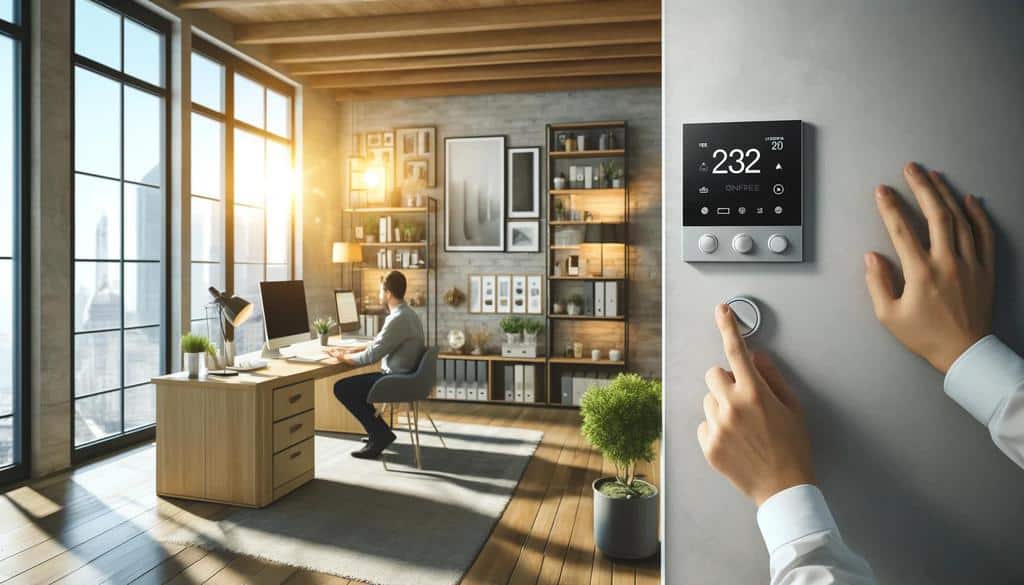
Comfort and Savings: Guide to HVAC Upkeep and Upgrade
Prioritise the upkeep of your home’s heating and cooling systems to maintain comfort, energy efficiency, and indoor air quality. By paying attention to the signs outlined in this guide, you can assess whether it’s time to update your HVAC system. Investing in a new, energy-efficient system not only improves comfort but also saves you money on energy bills and reduces your environmental footprint.
Arrange a meeting with an HVAC expert to assess your existing system and discuss potential upgrades for a more efficient and suitable solution customised to your home’s requirements.


