
The renewable energy revolution bears the sun’s symbol, where solar power emerges as the champion of sustainable living. The allure of this off-grid solution extends beyond mere carbon footprint reduction—it’s a sunshine-lit pathway to energy independence. This comprehensive guide will assist you on your journey to build your unique off-grid solar power system, shedding light on the distinct components and their interconnected roles.
Grasping the integral components is the linchpin of setting up a robust, efficient off-grid solar power system. From sunlight-capturing solar panels to the regulation of cutoff switches and charge controllers and even further into the realms of battery banks and inverters, we will navigate the intricate landscape of solar components.
Within this guide you’ll find hyperlinks to other articles we’ve written on the most important components of an off-grid solar power system. Each of them will help explain in more detail what is necessary to set yourself up for success in gaining self-reliance away from main power grids.
So, get ready to embark on this enlightening adventure into the world of sustainable solar energy, brightened by the promise of a sustainable, eco-friendly future. Harnessing the sun has never looked so appealing—let’s turn on the sunlight and light up your path to green energy!

Successfully Setting Up an Off-grid Solar System
The creation of a successful solar system is a focused, methodical endeavor requiring a harmonious blend of precision and patient dedication. Treading upon this path, armed with an instructive visual guide (source: Renogy.com), provides valuable direction, ensuring accuracy at every potentially tricky turn. Remember, you’re not merely assembling components—you’re meticulously crafting your unique power supply, handpicking every piece towards constructing an efficient portrait.
Navigating the solar journey successfully implies more than just setting up—it involves adroitly steering clear of common pitfalls. Prioritize an investment in top-notch, reliable equipment, setting the stage for your solar system to thrive. Pay attention to every detail, ensuring your crafted solar masterpiece doesn’t just exist, but thrives in peak efficiency.
Crafting your personal power powerhouse in the green energy realm doesn’t just illuminate your path—it shines a light on the roadmap to an ecologically sustainable future.
Off-Grid DIY Solar Power System: A Step-By-Step Guide to Harnessing the Sun
1. Assess Your Energy Needs
Start by examining the energy consumption of your home, or RV, or whatever it is that you need electricity for. Identify the kWh usage mentioned on your electricity bill and decide on the percentage you want to cover with solar energy.
2. Choose Your Solar Panel
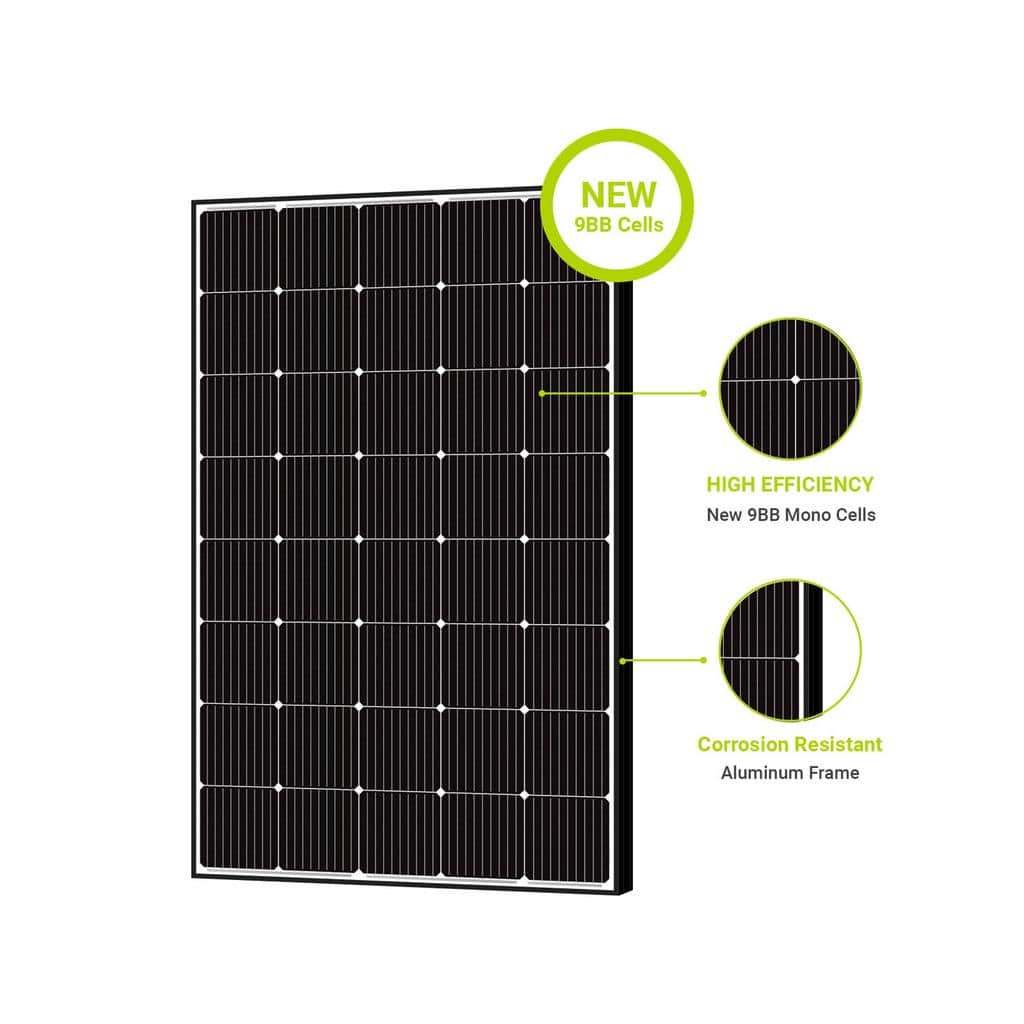
Based on your energy needs, select from monocrystalline or polycrystalline solar panels. Monocrystalline panels are more efficient but a pricier option, while polycrystalline panels are budget-friendly but less efficient.
3. Select Your Charge Controller
The charge controller regulates the voltage and current coming from the solar panels going to the battery. A good rule of thumb is to match the voltage of your solar panel system and the battery bank.
4. Select Battery Bank
Battery banks store your solar power, acting as the heart of your solar power system. Choose based on longevity, capacity, your budget, and frequency of use.
5. Pick the Right Inverter
Inverters convert DC power produced by solar panels into AC power. Make sure its capacity closely aligns with your solar system’s production and your electrical needs.
6. Install a Cutoff Switch
Cutoff switches allow you to manually disconnect your panels and inverter for maintenance or in case of an emergency.

7. Install the Panels
Depending on your location, place the panels where they will get the most sunlight throughout the day. Mounting brackets can assist in the alignment of the panels.
8. Connect Panels to Charge Controller
Connect the solar panels to the charge controller via a wire. The positive (red) goes to the positive of the charge controller; similarly, the negative (black) pairs with the negative.
9. Connect the Charge Controller to Battery Bank
Next, connect the charge controller to the battery bank. Ensure correct polarity as before.
10. Connect Battery Bank to Inverter
Upon successful connection of the charge controller to the battery, connect the battery bank to the inverter. Make sure to follow the instructions carefully for this critical step.
11. Create a Grounding Path
Ensure your grounding wire connects all your electrical equipment. This step is vital for safety purposes.
12. Run a Final Check for Safety
Finally, before switching on your solar power system, ensure all components are correctly installed, connections firmly established, and the system is adequately grounded.
Remember: installing an off-grid solar power system requires patient application, attentive care and strict adherence to safety. Harnessing the sun’s energy is an enlightening step towards a sustainable, eco-friendly lifestyle. Be patient, stay safe, and enjoy your journey towards energy independence.
The First Steps of Understanding Solar Components

Solar Panels
Behold the solar panels, the life veins of your autonomous energy system. Fueled by abundant sunlight, these impressive devices transform vibrant photons into usable electricity, serving as the primary power generators in your solar energy setup. The market today brims with diverse options for solar panels, a comprehensive selection that caters to varied energy requirements and budgets.
Judging the perfect panel hinges on your unique energy needs and expectations. High-efficiency monocrystalline solar panels, the Ferraris of the solar field, guarantee superior output but might strain your budget. On the contrary, budget-friendly polycrystalline panels might slightly compromise on efficiency but offer appealing cost-effectiveness.
Weighing up your needs against your budget is essential—it’s not just a selection; it’s a strategic balancing act in your sustainable journey to solar energy independence.

Cutoff Switches
The unsung heroes of your solar power outfit are the pragmatic cutoff switches. Sturdy guardians and reliable gatekeepers for your renewable energy system, they seamlessly control the influx of power—silently ensuring order prevails over potential chaos. The significance of their fitting operation isn’t to be underestimated—they are the keystone to a harmonious solar system setup.
The adept installation and handling of a cutoff switch demand a nurturing touch and diligent adherence to safety measures. The roadmap to solar power success is etched with carefully followed installation steps and a relentless emphasis on safety. Your solar power journey isn’t just about speed—it’s the balance between meticulous execution and prudence that ensures a robust solar energy operation. Remember, in the realm of off-grid solar energy, slow and steady does not only win the race—it also paves the way for sustained success.
Charge Controllers
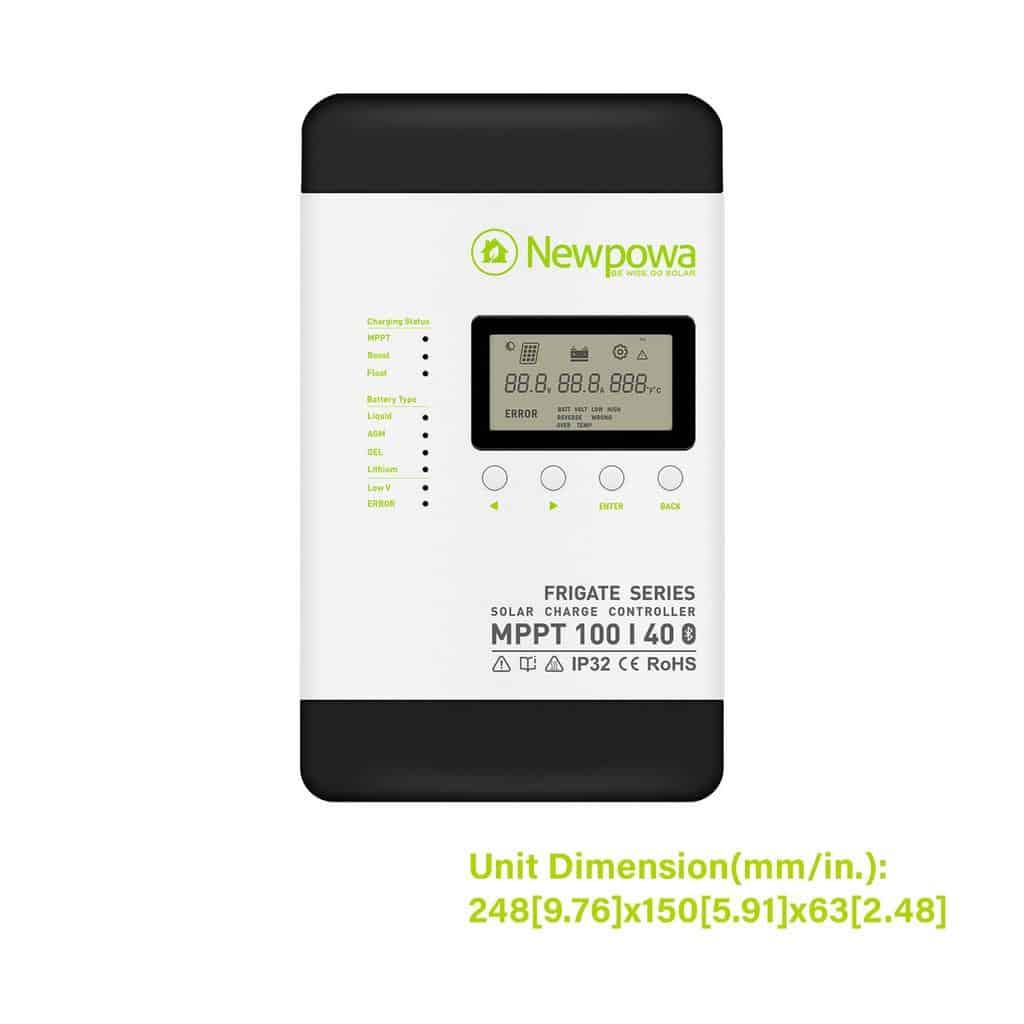
Presenting the charge controller, playing a starring role in the ambitious solar power play. This pivotal component, akin to the conductor of your solar orchestra, ensures a harmonious performance—preserving your system’s health by adeptly maintaining the rhythm of voltage and current flow from the panels to the batteries.
Charge controllers come in an array of types and functionalities, each offering bespoke solutions tailored to your solar system’s unique power capacity. From lower-cost PWM controllers, suitable for smaller systems, to high-efficiency MPPT charge controllers, perfect for larger systems with bandwidth for potential expansion, the landscape is rife with options.
Untangling the intricacies of their world may appear daunting. Yet, with the perfect guide (source: Renogy.com), illuminating your path through the maze of choices becomes a simple stroll in a sunlight-bathed park. Your journey through the vast realm of solar energy doesn’t have to be intricate—it’s a road navigable with the right partner.
Delving Deeper – Battery Banks, Inverters, and Circuit Breakers

Battery Banks
Consider battery banks as the dependable storage units of your solar ensemble, safely hoarding surplus solar power like a treasure cove. Personifying the heart of your solar system, they retain the energy in preparation for those sun-deprived cloudy days or when night cloaks the sky. Selecting the appropriate battery bank not just fine-tunes the pulse of your solar energy system—it fortifies its core, leading to solar proficiency.
Just as the heart’s health dictates the wellness of the body, your battery banks’ health foretells the longevity of your solar system. Nurturing them through diligent care, familiarizing yourself with their nature, and ensuring regular, disciplined maintenance forms the robust bedrock of this preservation.
Regular health check-ups and acknowledging the importance of battery banks’ health will empower your solar structure’s extended lifespan—providing a constant, reliable flow of off-grid power for years to come. The journey to robust solar health begins with a single step towards battery bank care, a step that’s well worth the investment.

Inverters
The inverter holds center stage in the solar power system drama, method-acting as the key communicator or translator. It performs a smooth conversion of raw DC power into usable AC power—the language your appliances understand and operate in. Today’s market is teeming with inverter options, much like a cornucopia of solutions catered to fulfill the specific demands of individual solar systems.
The task of integrating an inverter into your solar circuitry calls for attentive planning and a generous dose of foresight. Whether it’s a string inverter smoothing the conversion for an entire array or micro-inverters handling individual panels, following the guidelines meticulously ensures a safe and efficient installation. Precision, in this case, undoubtedly holds supremacy over speed.
When setting the stage for a sustainable future, it’s all about hitting your mark with accurate steps rather than racing to the finish line. The world of solar energy isn’t a sprint but a marathon—one that leads to a cleaner, greener world.

Circuit Breakers
In the grand arena of solar energy production, every element of the solar system yearns for a reliable safety net. Circuit breakers proudly don that mantle, providing an indispensable safety blanket for your energy production journey. These guardians of your solar system effectively detect and prevent any overload or potential hazards, acting as vigilant gatekeepers against systems disturbances.
The installation of a circuit breaker is not merely an action; it’s a purposeful procedure imbibed with intent. Every step of the process calls for diligent adherence, ensuring a robust application free of complications. Keep in mind, nimble shortcuts may lead to short circuits—meticulous installation forms the bedrock of a steadfast system that stands the test of time.
Safety in the solar energy realm isn’t an optional attribute—it’s an invariable cornerstone of reliable, long-term operation. When the sun shines on your off-grid ambitions, ensure the light doesn’t blind you from the path of safety, a path that illuminates the route to a sustainable future.

Conclusion
Journeying through the solar power universe can be an enlightening expedition, brimming with a myriad of experiences—the path rich with both challenges and victories. However, with a meticulously designed and diligently maintained off-grid system, the rewards soon tip the balance, far outweighing any potential hurdles.
Embracing solar energy means more than just harnessing the sun’s power; it signifies the active nurturance of a sustainable, greener future. We’re not simply lighting up homes with renewable energy; we’re spearheading the charge towards an empowered generation that values and champions eco-friendly practices.
As you embark on your off-grid journey, let the sun’s golden rays guide your path and illuminate your endeavor. After all, carving a sustainable future isn’t just about embracing the sunlight—it’s all about becoming a beacon of that light. Harnessing solar power isn’t just an energy choice—it’s an eco-conscious lifestyle that signifies a stride towards a greener global community.
Disclosure: This post contains affiliate links, which means we may receive a commission if you click a link and purchase something that we have recommended. While clicking these links won’t cost you any extra money, they will help us keep this site up and running! Thank you for your support.


