
Beer looks like a water problem and is mostly a heat problem. You boil the wort, kiln the barley into malt, and sterilize every surface the liquid touches, and all of that shows up as steam from a boiler burning something.
At Heineken’s brewery in Vialonga, a few miles north of Lisbon, heat accounts for roughly two-thirds of everything the plant consumes. Until this summer, most of it came from natural gas. On June 15, the site switched on a 6-megawatt high-temperature heat pump built with Siemens Portugal, part of a €33.5 million project the company says will cut the carbon dioxide tied to its thermal energy by about half.
That is the easy half of the job, and it is genuinely done. The hard half was supposed to be finished by a 100-megawatt-hour heat battery stack of refractory bricks arriving in April 2027. That machine is now a 2028 machine, and nobody put out a press release explaining why.
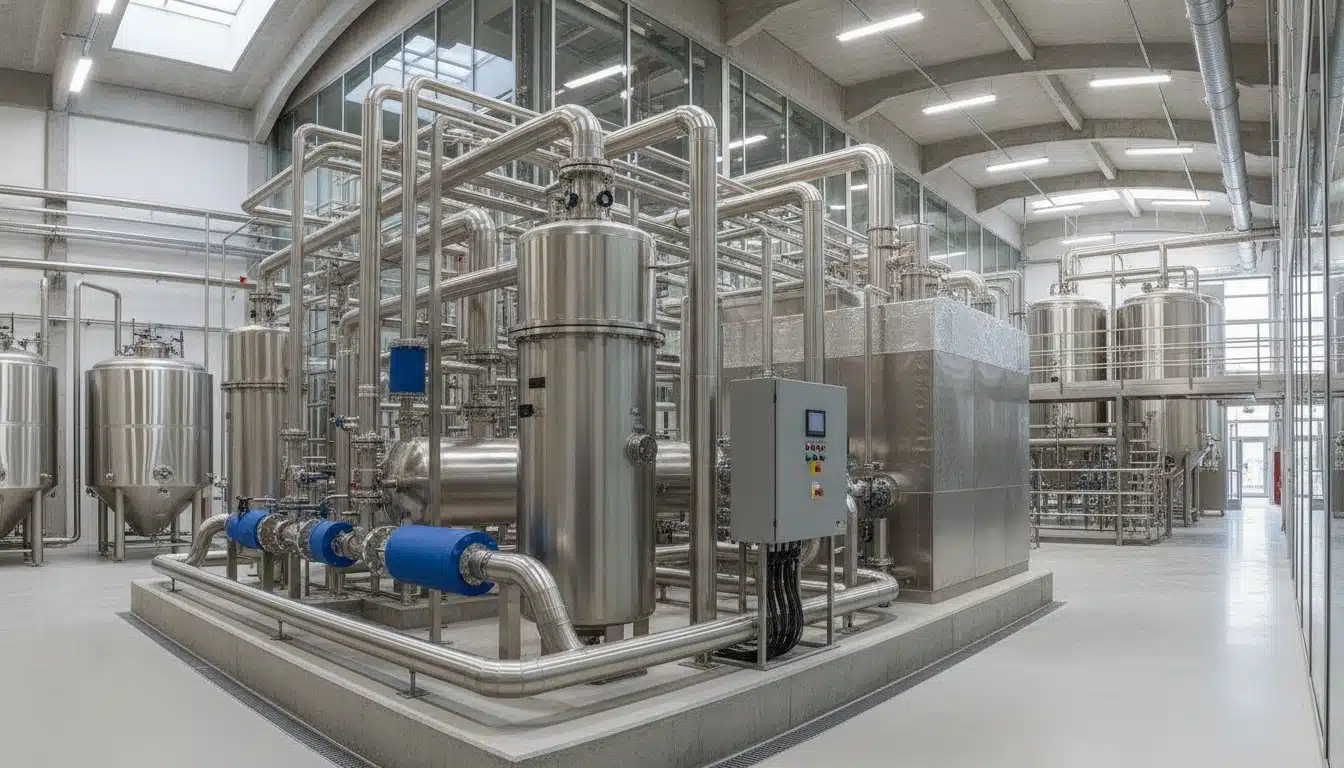
A Heat Pump Can Make Hot Water, Not High-Pressure Steam
The Vialonga system is a heat recovery setup rather than a fresh source of energy. It grabs waste heat off the brewery’s own refrigeration equipment, runs renewable electricity through a 6-megawatt heat pump, and pushes the result around the plant as hot water.
Siemens Portugal CEO Sofia Tenreiro called it one of the first units at that scale in the country. The company puts the savings at 7,381 metric tons of CO2 a year and an efficiency gain of about 39 percent against where the project started. Of the €33.5 million price tag, €8.8 million came from Portugal’s Recovery and Resilience Plan, the country’s slice of EU pandemic recovery money. The rest is Heineken’s.
Now read that description again and notice what is missing. Hot water circulating through a plant is not the same product as pressurized steam, and a brewery needs both. The heat pump displaces part of what the gas boilers were doing. It cannot displace all of it, because heat pumps run out of temperature long before a boiler does.
Steam at 100 Bar Is the Wall Nobody Has Cracked Cheaply
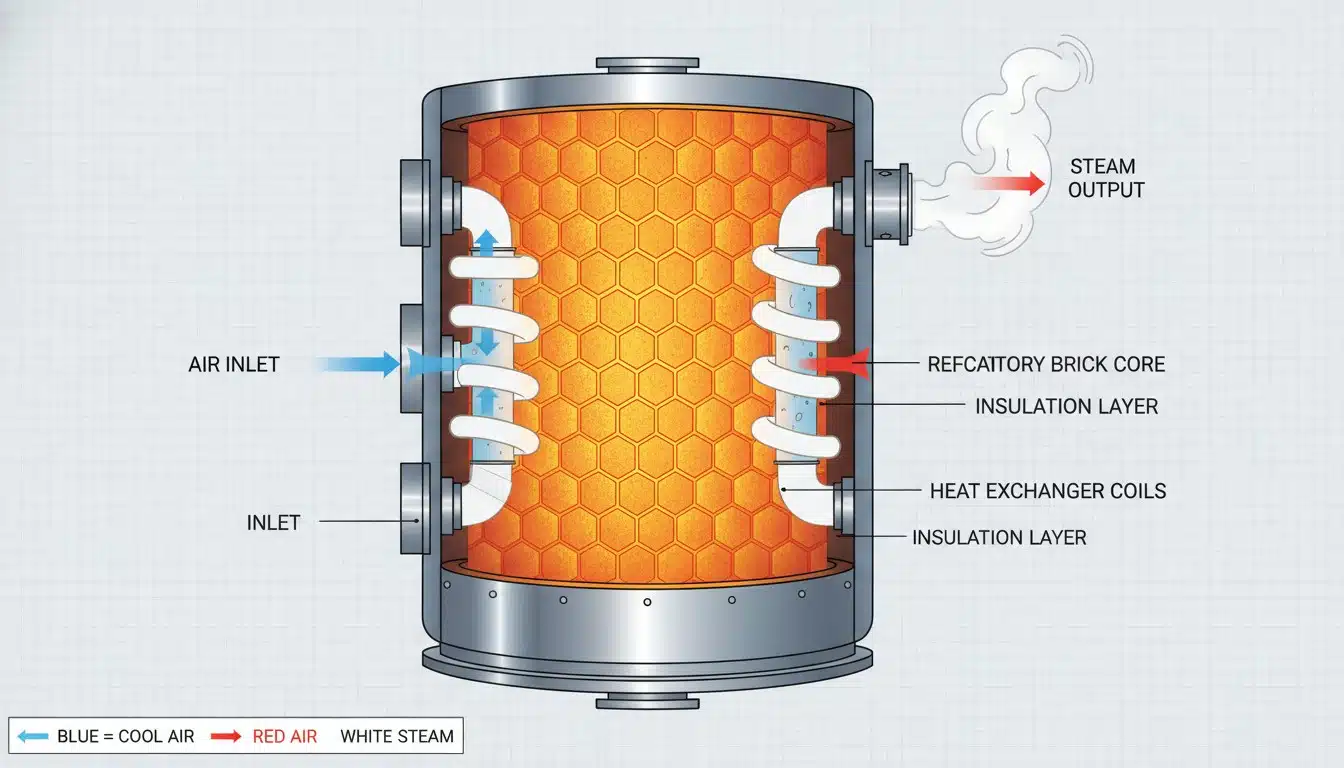
Industrial steam is the wall that industrial decarbonization keeps hitting. Electricity is easy to buy clean. Heat at real pressure, delivered at 3 a.m. whether or not the sun is up, has stayed stubbornly attached to a flame.
Rondo Energy’s answer is aggressively unglamorous. Resistance heaters cook a stack of refractory brick past 1,000°C, the same class of brick that has lined steel furnaces for more than a century. Air pushed through the hot stack leaves as steam at pressures above 100 bar, with nothing burning anywhere in the process. The concept echoes other ultra-low-cost thermal battery approaches that have been gaining traction in recent years, though Rondo’s version is specifically engineered for the extreme temperatures industrial steam demands.
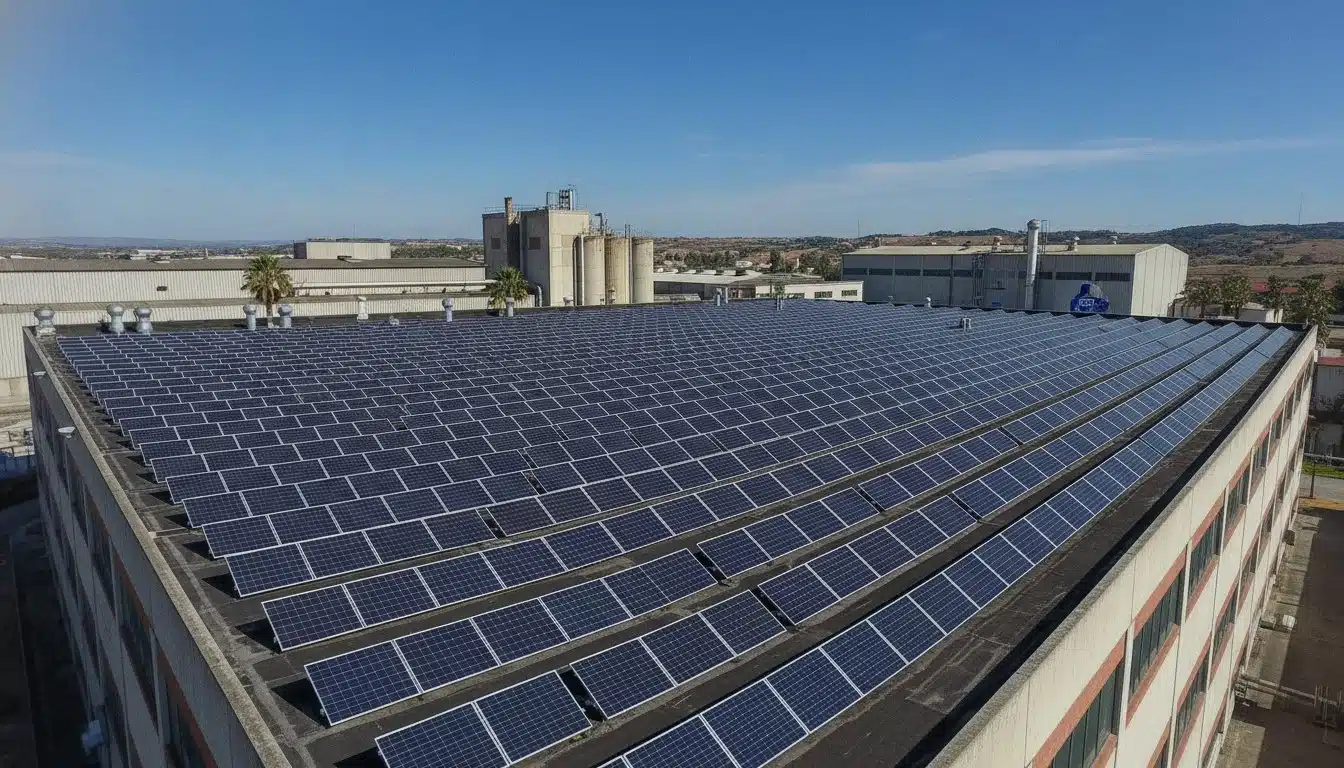
Vialonga would be the first Rondo installation in Iberia. The Lisbon version is specced at 100 MWh of storage feeding 7 megawatts of steam into the brewery. EDP is building a 7-megawatt-peak solar plant on the brewery grounds to charge it, topped up through a long-term power contract worth 25 gigawatt-hours a year. The financing carries real weight too: the project draws on a €75 million partnership between the European Investment Bank and Breakthrough Energy Catalyst, announced in 2024 specifically to get Rondo’s batteries built across Europe.
April 2027 Turned Into 2028 Somewhere Along the Way
When the deal was announced on November 3, 2025, Heineken’s own newsroom was specific. The system was scheduled to go live in April of 2027, and trade coverage at the time added that the date was subject to administrative and regulatory approvals. Seven months later, the date is different.
In the material Central de Cervejas e Bebidas put out around the heat pump launch, the thermal battery is described as arriving in 2028. Portuguese outlets that covered the June inauguration all carried the same year. Neither Heineken, EDP, nor Rondo has published anything explaining the shift, and none of them has framed it as a delay. The change simply exists in the gap between two corporate communications, which is where most schedule changes on big industrial projects tend to live.
A contract signed in November 2025 for a machine that now arrives in 2028 is still a contract. The permitting caveat was there in the original announcement. Grid connections, environmental approvals, and utility interconnection queues in Europe routinely eat a year, and none of that requires anyone to have done anything wrong. It does mean the brewery burns gas for the harder half of its heat for roughly a year longer than the launch materials suggested.
Portugal Spent 462 Hours This Year Paying People to Take Its Electricity
The timing stings because the conditions the battery was built for are arriving faster than the battery is. Rondo’s entire pitch rests on buying power when it is nearly free and then releasing heat around the clock regardless of what the grid is doing. That trade only pays where midday electricity has stopped being worth much, which is precisely what Iberia has turned into.
Portugal logged 462 hours of negative wholesale electricity prices in the first half of 2026, according to analytics firm Montel, second only to Spain’s 596. Europe as a whole generated a record 129 terawatt-hours of solar in the second quarter, close to 20 percent above any previous second quarter. Prices went so far below zero in April that exchanges dropped the technical floor from minus €500 per megawatt-hour to minus €600.
The surplus is here now. The machinery built to eat it is on a two-year delivery cycle, and that mismatch is currently the single biggest constraint on European industrial heat, more than the technology and more than the money. Portugal’s trajectory from record-setting solar auction prices to paying people to consume electricity has happened faster than anyone’s infrastructure plans anticipated.
Heineken Will Not Own the Machine, and That Is the Point
The Vialonga heat battery is being delivered under what the industry calls Heat-as-a-Service, and the ownership structure explains a lot about why brewers are willing to sign at all. EDP designs, builds, and runs the whole thing. Rondo supplies the battery. Heineken buys steam, the same way it currently buys gas, without a single operator on its payroll learning to run a brick furnace.
That is a meaningfully different deal from Rondo’s California installation, where the oil producer bought the hardware outright, built its own off-grid solar farm, and took the capital risk itself. Most factories cannot do that. Most factories can sign a supply contract. Rondo CEO Eric Trusiewicz has been open about the strategic logic, framing Iberia as a candidate to become Europe’s low-cost, low-carbon manufacturing base on the back of cheap sun.
The Gas Boilers Are Staying Put Until 2028
The brewery has been running on 100 percent renewable electricity since 2024, and its parent has put €135 million into energy transition work at its Portuguese plants since 2017. Sagres, Bohemia, and Bandida all come out of this site, along with the malting operation next door. The gas boilers are still there. They have to be, because the heat pump handles roughly half the thermal emissions and the thing that handles the rest is two years out.
Central de Cervejas e Bebidas is targeting carbon-neutral production by 2030 and a decarbonized value chain by 2040, which for a brewer means eventually reckoning with the farms too. The broader European push toward thermal storage solutions for net-zero targets is accelerating, but the gap between ambition and deployment remains stubbornly wide.
None of which changes the shape of the specific problem at Vialonga. Half the heat is clean as of this June. The clean version of the other half has a 2028 date on it. And Portugal will spend the next two summers giving electricity away at noon to anyone with somewhere to put it.


