
The advent of solar energy has revolutionized the face of green technology. Empowering homes with off-grid systems doesn’t merely amplify your ecological footprint but also unlocks the door to financial savings.
Understandably, adopting DIY off-grid installations might seem daunting, especially without a technical background. Rest assured, this user-friendly guide exists to relieve those pain points. We’ll explore the intricacies of solar power systems, centering around voltage, amperage, and wattage.
Fundamentals of Solar Power Systems
What is Voltage?
Voltage, akin to the pressure that propels water through a hose, prompts electrons to flow across a circuit. A high-voltage solar panel pushes more electrons, leading to enhanced power output. Grasping this flow is critical in maximizing your solar energy yield.
In solar terms, panels with high voltage levels can supply power despite environmental conditions. They exhibit resilience towards shade and dust, maintaining electrical flow even under poor sunlight.
Unraveling the Concept of Amperage
If you envision electricity as a flowing river, amperage could be the width of that river. The more prominent the river width (amperage), the larger the electron volume flowing through your system. In simple terms, higher amperage corresponds to increased power.
Solar systems are often set up to operate at lower amperage to ensure system safety and longevity. Ensuring an appropriate amount of amperage is crucial in your solar panel selection.
Wattage: The Power Behind Solar Energy
Wattage collectively represents the real power that your solar panels produce. Consider it as the workhorse behind your off-grid system. It’s the product of voltage and amperage: so the higher the values of these factors, the greater will be your output wattage.
Solar panels are often categorized based on wattage, guiding you to comprehend the respective energy output. Comprehending wattage aids you in calculating the number of panels needed to power your home effectively.
Understanding the Language of Solar Panels
Monocrystalline Solar Panels: An Overview
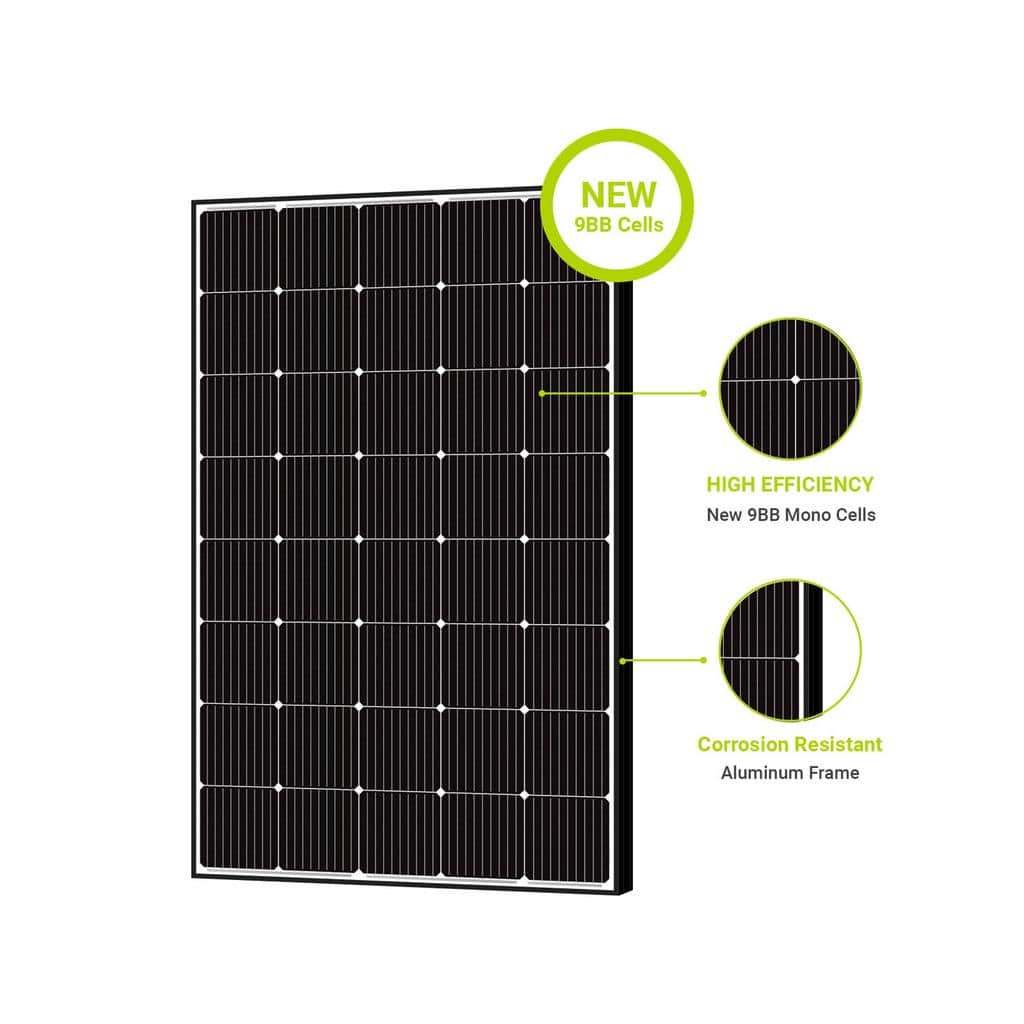
Monocrystalline solar panels, crafted from a single crystal structure, offer the highest efficiency rates as they provide more room for electrons to move. These panels deliver a stable power output, show longevity, and perform optimally even in low light.
However, they may be slightly pricier due to the advanced manufacturing procedures, but rest assured, it’s an investment worth making for a long-lasting, high-output solar system.
Polycrystalline Solar Panels: What Sets Them Apart
Polycrystalline panels, with a myriad of crystal structures, score lower on the efficiency scale compared to their monocrystalline counterparts. However, they come tagged with a cheaper price, serving as the perfect choice for budget-conscious installers.
A word of caution – they might require extra space and could also underperform in high-temperature conditions. Therefore, assess your installation area before opting for these panels.
Thin-Film Solar Panels: Are They Worth it?
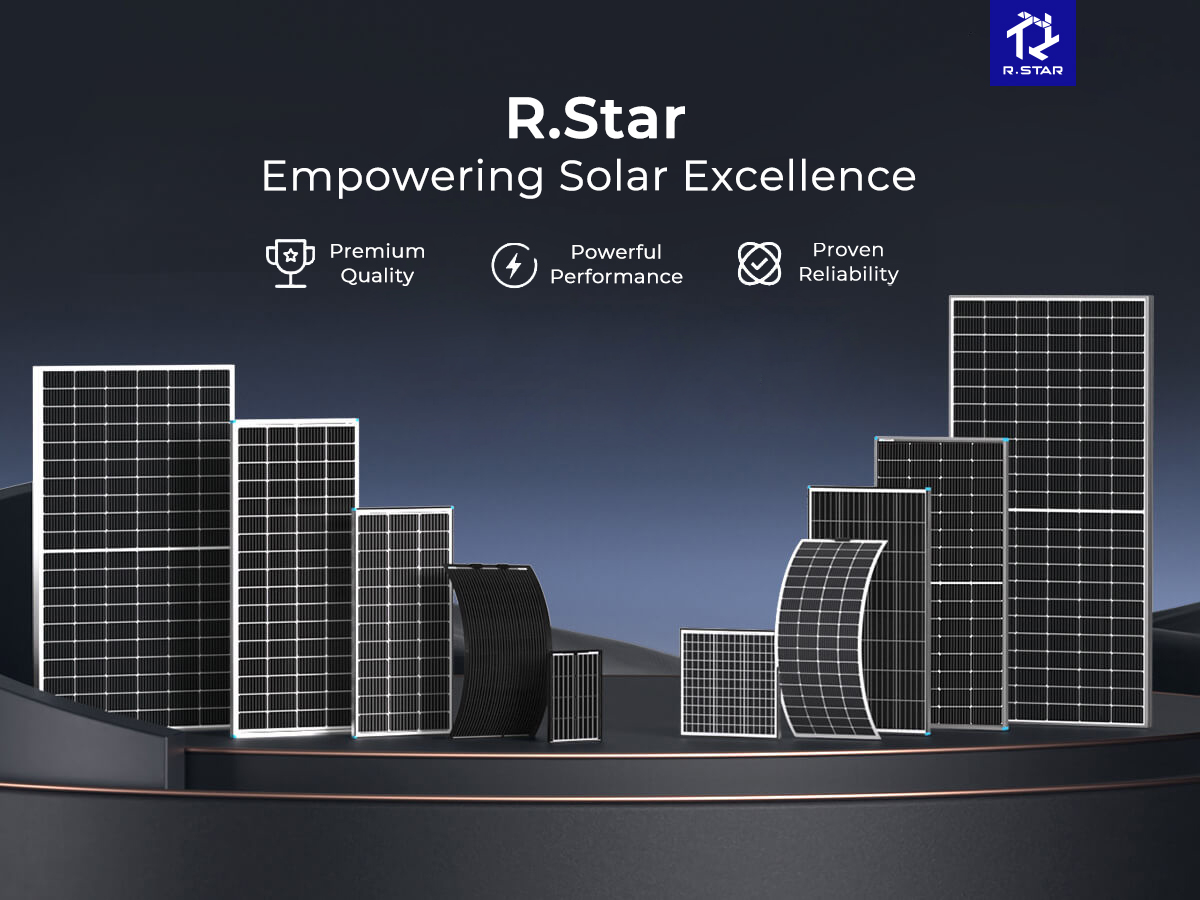
Flexible and lightweight, thin-film panels make a compelling case for aesthetically pleasing setups. They withstand high temperatures, demonstrating decent performance even on cloudy days. However, they sacrifice efficiency and require significant space, thus proving ideal for expansive, open setups.
Navigating the maze of different panels might appear challenging. Weighing the pros and cons, considering your specific needs, leads you to your ideal solar panel.

Factors to Consider When Choosing Solar Panels
Evaluating Cost and Efficiency
Solar panel shopping entails a striking balance between cost and efficiency. Although highly efficient models might be pricier, they promise increased savings over their lifespan.
Simply put, consider viewing the higher upfront cost as a long-term investment into sustainable living. Assess your energy requirement against your budget to find the efficient panel that suits your pocket.
Explore available solar grants to further offset initial costs and make your transition to solar energy even more economically viable.
Space Considerations for Solar Panels
Space serves as a critical determinant in shaping your solar setup. High-efficiency, compact panels might fit you if space is scarce. On the other hand, cost-effective but extensive panels could work when space is no bar.
Aesthetics and Solar Panels
Some homeowners value aesthetics as much as performance. For such cases, sleek monocrystalline or thin-film panels could be your go-to. However, don’t let aesthetics dominate the efficiency or cost parameters.

Navigating the Maze of Solar Power Wiring
Selecting the apt gauge wires is as integral as choosing your solar panel. The gauge number of wire essentially refers to its thickness. The smaller the gauge number, the thicker the wire, and the higher the power it can safely carry.
The Significance of Wire Gauges in Solar Power Systems
The correct wire gauge ensures your solar panels are providing the maximum amp output to your charge controllers, batteries, and inverters. Incorrect wire sizes may result in wasted energy, overheating, or even fire hazards.
A solar set-up operating at 24V should ideally opt for larger gauge wires (smaller gauge number), which will improve performance efficiency and longevity. Thicker wires can counteract the power loss over longer distances between the panels and batteries.
Deciding Factors for Selecting the Right Wire Gauge
The choice of gauge is governed by three key elements: the system’s voltage, the maximum input amperage, and the environmental conditions where the setup resides. Cross-reference your system’s current and voltage with wire-gauge charts readily available online, or consult with a solar professional to ensure safety and efficiency.

The Significance of Wiring Solar Panels in Series and Parallel
Now that we have delved into the fundamentals of solar power systems and the selection of the right panels, it is crucial to understand the importance of wiring solar panels in series and parallel. This wiring configuration plays a vital role in optimizing the voltage and amperage of the system, ensuring efficient power flow, and maximizing the effectiveness of the charge controller in powering the battery banks.
Series Wiring: Boosting Voltage, Increasing Efficiency
When solar panels are wired in series, the positive terminal of one panel is connected to the negative terminal of the next panel, creating a chain-like configuration. This wiring method increases the total voltage of the system while keeping the amperage constant.
Higher voltage is integral for off-grid solar systems because it enables the charge controller to efficiently convert that power into a suitable charge for the batteries. Additionally, higher voltage reduces power losses that can occur due to resistance in the wires and connections, ensuring that more power reaches the battery banks.
Parallel Wiring: Enhancing Amperage, Ensuring Consistency
Contrary to series wiring, parallel wiring involves connecting the positive terminals of the solar panels together and the negative terminals together. This configuration keeps the voltage consistent while increasing the total amperage of the system.
By wiring solar panels in parallel, you achieve a higher current flow, which is essential for charging the battery banks effectively. The increased amperage allows for quicker charging and ensures that the battery bank receives a steady and consistent supply of power.
Maximizing the Charge Controller’s Efficiency
The charge controller is the heart of an off-grid solar system, responsible for regulating the flow of power from the solar panels to the battery banks. It prevents overcharging, undercharging, and protects the batteries from damage.
By wiring solar panels in series and parallel, you optimize the voltage and amperage reaching the charge controller. This optimization enables the charge controller to operate at its peak efficiency, ensuring that the batteries are charged to their full capacity while prolonging their lifespan.
Moreover, proper voltage and amperage optimization also reduces the stress on the charge controller, preventing it from overheating and potentially causing system failures.

Embarking on Your DIY Solar Panel Installation Journey
The action of setting up solar panels can be thrilling yet strenuous. An illustrative guide, with simple instructions and corresponding images, can smoothen your journey. From measuring your roof and calculating your energy requirements to wiring your panels and installing your inverters, each step carries equal significance.
Positioning Your Solar Panels for Maximum Energy Capture
Positioning your panels correctly helps maximize energy absorption. Optimum tilt, orientation, and even the time of installation play key roles. During setup, try to minimize obstructions between the panels and the sun to ensure the most effective operation.
Sun Exposure in the Northern and Southern Hemisphere
When it comes to positioning solar panels for maximum energy capture, it is crucial to consider the differences in sun exposure between the northern and southern hemispheres. Understanding these variations and adjusting the tilt of the panels according to the latitude can significantly enhance the efficiency of your solar system.
In the northern hemisphere, the sun’s path appears lower in the southern sky throughout the year. This means that solar panels positioned facing south receive the maximum amount of direct sunlight. On the other hand, surfaces facing north will receive less direct sunlight and might be subjected to shading by nearby objects.
Conversely, in the southern hemisphere, the sun’s path appears lower in the northern sky. Therefore, solar panels should be positioned facing north to receive the most direct sunlight. South-facing surfaces may receive less sunlight and could be prone to shading.

Adjusting Tilt for Latitude
Apart from the orientation, adjusting the tilt of the solar panels according to the latitude is also crucial for optimal energy capture. The tilt angle determines the angle at which the panels face the sun, allowing them to receive the most direct sunlight throughout the year.
The general rule of thumb is to set the tilt angle equal to the latitude of your location. For example, if you are situated at 40 degrees latitude, setting your panels to a tilt angle of 40 degrees will maximize their exposure to the sun. This tilt angle allows the panels to catch the most sunlight during the year, accounting for the sun’s changing position in the sky.
However, there are certain factors to consider when adjusting the tilt angle. In some cases, it might be beneficial to increase or decrease the angle depending on specific circumstances. For instance, areas with high snowfall might require panels to be tilted at a steeper angle to allow snow to slide off easily.
Additionally, if you plan to maximize energy production during a particular season, such as summer or winter, you can adjust the tilt angle accordingly. Tilting the panels towards a lower angle during the winter can capture more sunlight when the sun appears lower in the sky while tilting them at a higher angle during summer can maximize energy capture during the peak of sunlight hours.
Technology for Tilt Adjustment
Modern solar panel mounting systems often come equipped with adjustable tilt mechanisms. These mechanisms allow you to easily modify the tilt angle according to your specific location and requirements.
For fixed-mount systems or situations where adjusting the tilt is not possible, selecting a compromise angle that caters to the average sun position throughout the year can still yield satisfactory energy production. Although it might not be the most optimal solution, it can still provide significant benefits compared to panels positioned without consideration for tilt.

Bright Horizons: Harnessing the Full Potential of Solar Power
Each DIY solar panel installation contributes positively towards a greener planet. Adopting solar power endorses self-sufficiency, saving money, and, above all, conserves the environment.
As the world embraces renewable energy, off-grid solar systems have emerged as a beacon of hope for sustainable living. Understanding the significance of proper wiring in series and parallel is crucial to unlocking the full potential of solar power and creating a self-sufficient energy ecosystem.
By optimizing the voltage and amperage in your off-grid solar system, you not only ensure that your battery banks receive an efficient charge but also contribute to reducing your carbon footprint and saving money on utility bills. Embracing solar power is not just a choice but a responsibility toward a greener future.
And as solar technology continues to evolve, we can anticipate exciting innovations on the horizon. From improved panel efficiencies to more advanced charge controllers and energy storage solutions, the possibilities for enhancing off-grid solar systems are endless.
So, let us embark on this journey together, taking advantage of the power of the sun, wiring our solar panels with precision, and paving the way for a brighter and more sustainable future for all.
Disclosure: This post contains affiliate links, which means we may receive a commission if you click a link and purchase something that we have recommended. While clicking these links won’t cost you any extra money, they will help us keep this site up and running! Thank you for your support.


