
Metal braces still move teeth more reliably than almost anything else on the market, and that fact has not changed in decades. Clear aligners get the ads. Braces get the referrals, the insurance approvals, and the hard cases nobody else wants to touch. If you are weighing options right now, that gap between marketing and reality is worth ten minutes of your attention, especially for families around Johns Creek who are tired of vague answers. Here is what the marketing leaves out, starting with what braces actually do.
Braces work by applying continuous, calibrated force to each tooth through a bracket bonded to the enamel and an archwire threading through it. Your orthodontist adjusts that wire on a schedule. Teeth shift because bone remodels around them under sustained load, which is why the weekly aligner tray and the monthly tightening appointment chase the same biology from opposite directions. One relies on the patient wearing a tray for most of the day. The other does not rely on the patient at all.
That difference sounds small until you picture a 13-year-old with a phone in one hand and a retainer case somewhere at the bottom of a backpack. Adherence is the quiet variable that decides outcomes, and it is the single biggest reason metal braces remain the default recommendation for complex crowding, rotated teeth, and bite problems that need three-dimensional control. If you are already comparing providers in that corner of Fulton County, the local guide to everything to know about braces in Johns Creek covers the practical side well, from consultation to treatment planning. This piece zooms out and covers what that conversation usually leaves out.
Why the Older Hardware Keeps Winning the Hard Cases
An aligner can rotate a tooth a few degrees. Getting a severely displaced canine out of the palate and into the arch takes something with a bracket on the spot, a wire pulling in a specific direction, and no chance of the patient quietly skipping a day. Treatment plans get revised mid-course often enough that the pattern is plain: the moment a case gets complicated, the plastic comes off the table and the metal comes on. That is not a knock on aligners. It is just what the mechanics allow. None of it is only about looks, either: misalignment feeds into health problems that go well beyond a crooked smile.
Durability matters too. Brackets are stainless steel, wires are heat-activated alloys, and the whole assembly survives gym class, marching band, and a bag of pretzels if you are careful. Aligner users get a do-over when a tray cracks. Braces users get a wire poking a cheek and a same-day visit, which is annoying but fixable.
How Long You Are Actually Signing Up for
Most full-treatment cases run for years rather than months, and the range is wide for good reasons: age, severity, whether teeth need extraction, and how crowded the lower arch is. Your body does the work in a predictable direction, but the clock depends on your starting line. Adults can expect longer timelines than teens in many cases because the bone has stopped remodeling as quickly.
Here is the part I would want someone to tell me at the front desk: the number your orthodontist quotes in the first visit is an estimate, not a contract. Growth spurts, missed appointments, and a broken bracket all push the finish line back. Ask what happens if the estimate runs long, and whether additional adjustments cost extra. Two minutes of that question saves two years of resentment.
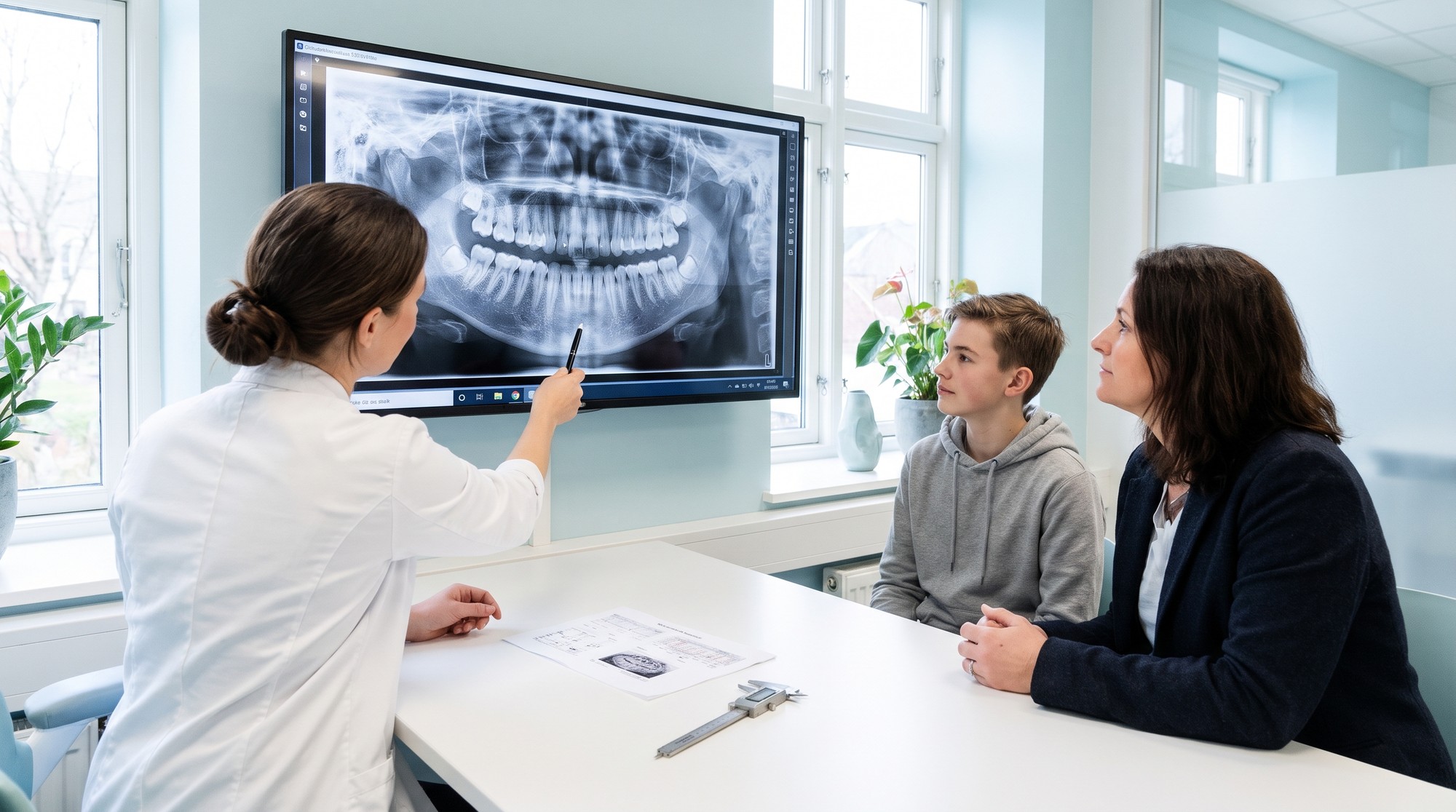
The retention phase after braces come off deserves equal weight. Teeth want to drift back to their old positions, and retainers are the barrier. According to general guidance from the American Dental Association, orthodontic treatment does not end the day the brackets are removed, so budget for retainer wear for years, not months. Nighttime only, usually. Nighttime forever, sometimes.
What It Costs, and What Insurance Actually Covers
Orthodontic coverage is its own small maze. Many dental plans include a one-time lifetime orthodontic maximum for dependent children that usually covers only part of the total, and adult coverage is rarer. Anything past that ceiling comes out of pocket or through a payment plan.
The good news is that braces tend to be the most affordable orthodontic option on the menu, largely because the materials are cheaper than aligner systems and the lab work is simpler. The better news is that payment plans have become the norm rather than a favor, with many practices spreading cost over the treatment itself. Ask about the down payment, the monthly number, and whether there is a discount for paying in full. If you have a health savings or flexible spending account, check the deadline before you commit, because the timing of a large payment actually matters for the budget.
On both counts, the Centers for Disease Control and Prevention tracks how oral health and access to care vary across populations, which is a useful sanity check when a quote feels far off from what neighbors paid. Most of the difference comes from case complexity and local pricing, not from anybody being gouged.
The Questions That Separate a Good Consult From a Sales Pitch
Walk into a consultation with a list. You will get a friendlier, more specific conversation if you do.
- How many cases like mine have you finished this year, and what was the average outcome?
- Is a retainer included in the quoted price, or is it billed separately?
- What is your emergency policy for a broken bracket on a Saturday?
- Will treatment involve extractions, and what happens to the plan if I say no?
- Who does the adjustments, the orthodontist or an assistant standing in?
The answer to that last question deserves more weight than the price. Consistency in the chair, by the same clinician who planned the case, is what keeps the timeline honest. A cheap quote from a rotating staff costs more by month thirty.
The Practical Side of Living With Brackets
Week one is the worst and it gets better fast. Your teeth ache, your speech feels clumsy, and the inside of your lip gets a crash course in friction. Soft food for three or four days, wax on the brackets that rub, and a water flosser for the gaps you cannot reach with a brush. A quick look at plain-language cleaning guidance from MouthHealthy makes the daily routine obvious, and sticking to it prevents the one thing braces hate most: decay under a bracket.
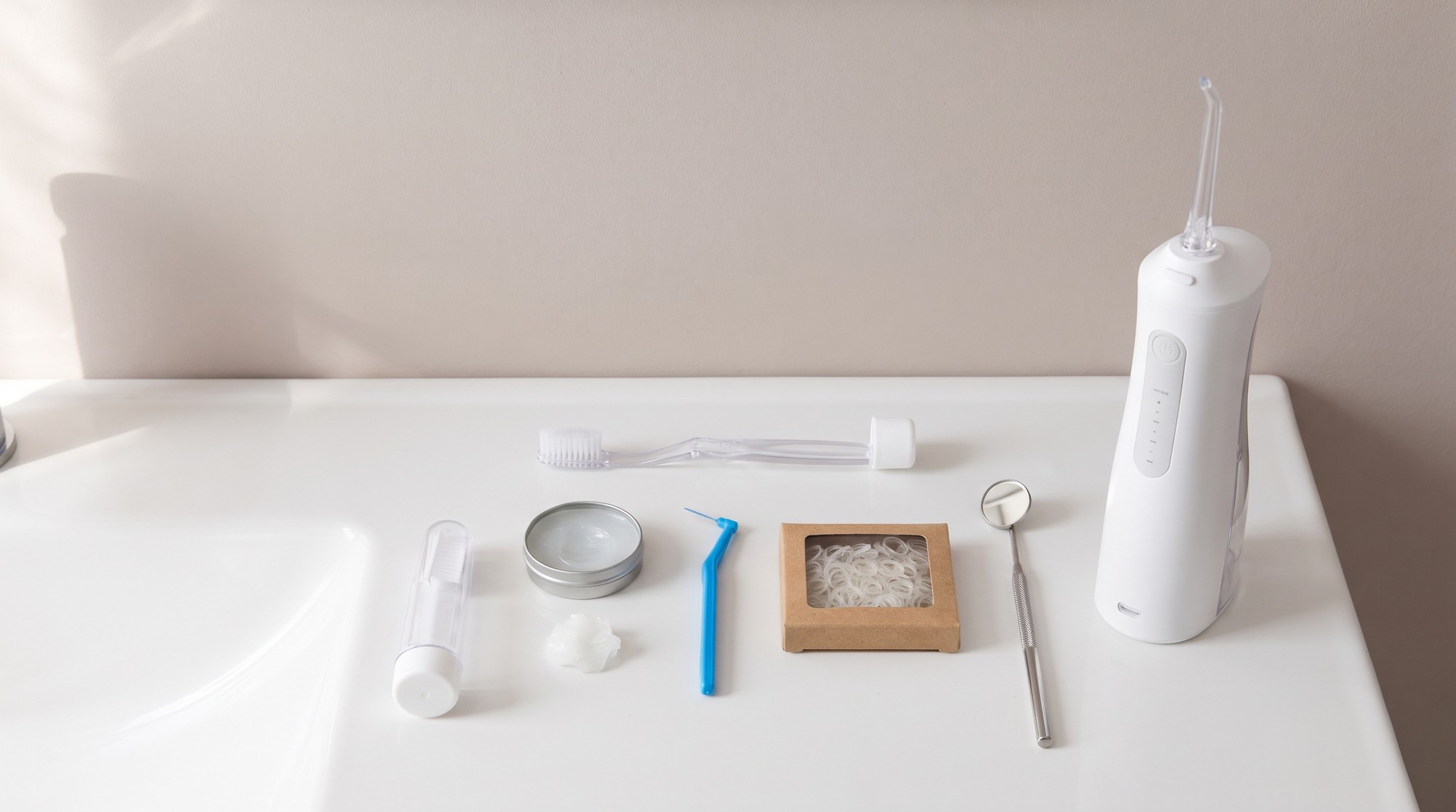
Buy the little kit. A travel brush, wax, a spare rubber band if your treatment uses them, and a pair of orthodontic pliers cost very little and save you a phone call. Wash your hands before you mess with a wire. If something is loose and not painful, call the office the next morning rather than Sunday night.
So Which One Would I Pick?
For a complex bite on a kid who forgets things, metal braces, no hesitation. For a motivated adult with mild crowding and a job where visible brackets are a problem, aligners make sense. Most people fall in between, and the right answer usually surfaces in the first ten minutes of an exam once the orthodontist gets a hand in your mouth and takes a proper look at the panoramic scan.
The bigger point is that the decision has a clock on it. Crooked teeth are easier to fix before the jaw finishes growing, and shifting teeth are easier to correct before gum recession complicates the plan. If you have been putting off the consultation because you are not sure which option you want, get the scan first and decide second. What would it cost you to book a single exam this month and get a real answer instead of another round of internet research?

