
When you think of 3D animation, big-budget superhero movies or sprawling video game worlds probably come to mind first. Those entertainment industries spent decades perfecting software that mimics light, gravity, and texture with stunning realism. Now, that exact same digital toolkit is stepping off the theater screen and into courtrooms, hospital operating rooms, and engineering labs where the stakes are real.
If your work requires explaining complicated physical events to everyday people, raw spreadsheets and static blueprints often fall short. Technical animators solve this gap by pairing cinematic storytelling with strict scientific accuracy, turning dense data into clear visual proof.
How Did CGI Shift From Entertainment to Technical Tools?
Entertainment studios built powerful physics engines and rendering software to make fictional worlds look believable. Engineers, doctors, and legal teams soon realized they could feed real-world measurements into those same programs. Instead of animating a fantasy creature, your team can simulate how a bridge bends under heavy wind or how a medical device interacts with human tissue.
Modern physics simulators run enormous numbers of tiny interactions in parallel every second. Researchers at the Massachusetts Institute of Technology developed new animation methods that accurately predict how soft, squishy materials deform and bounce during real-world motion. That level of precision allows specialists to model biological organs or flexible industrial components without relying on guesswork.
Building Digital Twins for Real-World Testing
You no longer need to build expensive physical prototypes just to see how a design handles extreme stress. Technical artists now construct exact virtual replicas, known as digital twins, using laser scans and engineering blueprints.
- Simulate extreme weather: Aerospace teams test how ice forms on aircraft wings inside virtual wind tunnels before risking real equipment.
- Predict structural fatigue: Civil engineers watch how traffic vibrations wear down concrete supports across simulated decades.
- Test surgical approaches: Doctors practice delicate procedures on patient-specific 3D models built directly from medical scans.
At NASA’s Glenn Research Center, visualization specialists built a detailed digital twin of their Adaptive Icing Tunnel to study how freezing conditions affect flight safety. Using cinematic rendering tools, engineers can inspect airflow and ice buildup from angles that physical cameras could never reach.
What Does It Take to Balance Precision and Clarity?
Creating a helpful technical animation requires walking a tightrope between visual appeal and strict truth. When you present visual evidence to a peer review board or a judge, artistic license can ruin your credibility. Every shadow, texture, and movement must trace back to verified measurements.
Technical animators start with hard numbers rather than blank sketchpads. They import computed tomography (CT) scans, vehicle black-box telemetry, and laser crime-scene measurements directly into 3D modeling workspaces.
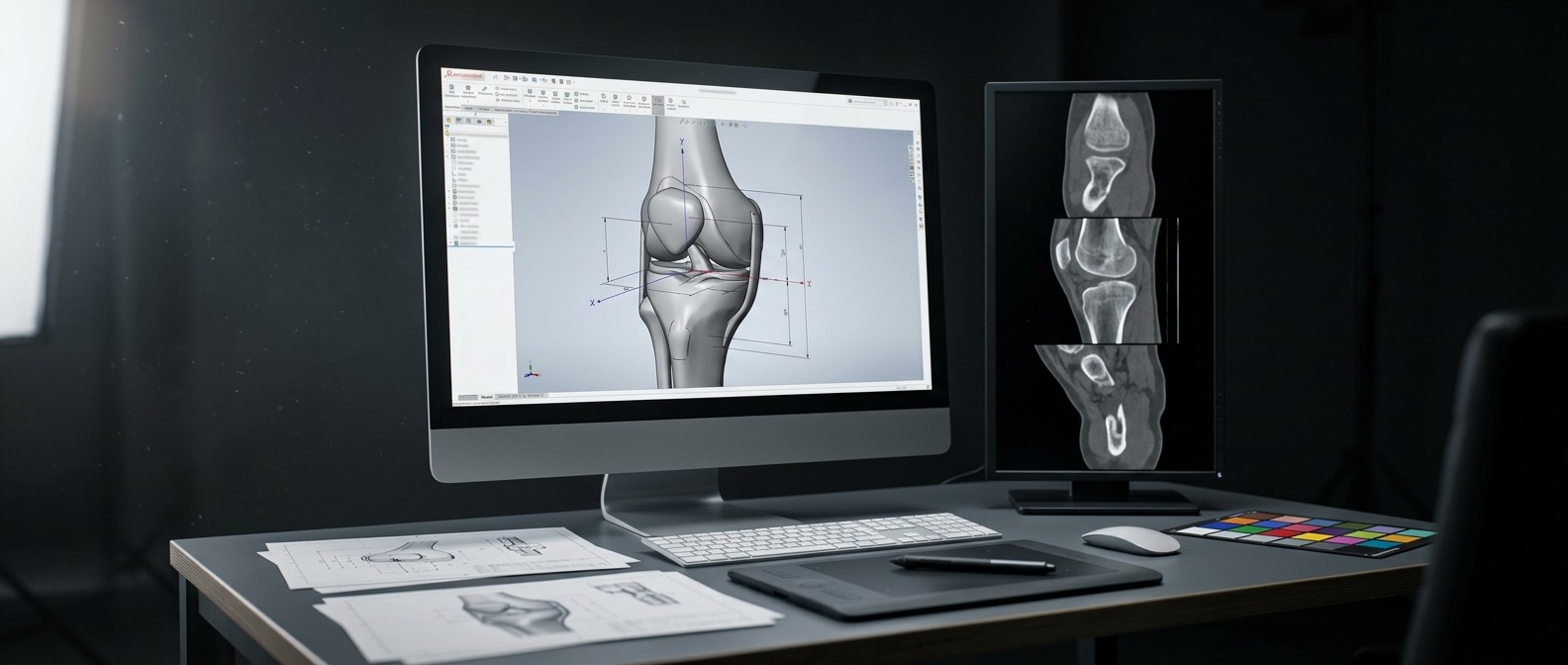
Before adding color or lighting, artists lock every object to exact real-world coordinates. If a vehicle was traveling at a recorded speed before impact, the animation software moves that digital car across the exact distance per frame that physics demands.
Real-world accidents and medical events rarely involve rigid blocks colliding in a vacuum. Scientists at the University of Southern California’s Institute for Creative Technologies are advancing physics-informed neural dynamics to make fluid motion look and behave accurately even when initial sensor data is limited. Applying these fluid simulations helps technical artists show blood flow, smoke dispersion, or chemical spills accurately.
Stripping Away Visual Distractions
Photorealism can actually hurt comprehension if a scene looks too cluttered. Good technical animators act like editors, dimming background details while highlighting the exact mechanism you need to understand.
- Use translucent layers: Fade outer skin or metal casings to reveal internal fractures and moving gears underneath.
- Apply color coding: Highlight stress points, temperature shifts, or nerve pathways in clear, contrasting tones.
- Control camera pacing: Slow down high-speed collisions so viewers can follow cause and effect step by step.
Why Does Visual Storytelling Win in High-Stakes Decisions?
Human brains process visual movement far faster than dense technical jargon. When you ask a jury, a patient, or a city council to read a lengthy engineering report, critical details get lost in translation. A clear 3D walkthrough gives every person in the room the exact same mental picture.
Legal battles over medical malpractice, patent infringement, or industrial accidents often hinge on microscopic details or split-second timing. Rather than expecting jurors to decipher abstract technical reports or confusing diagrams, litigators increasingly collaborate with an award-winning legal animation studio to transform complex forensic findings and physical dynamics into compelling, courtroom-ready visual evidence. When jurors watch an accurate 3D reconstruction, they grasp spatial relationships and timelines without needing an engineering degree.
High-stakes decisions happen outside courtrooms every single day. Surgeons use 3D animations to show patients why a specific operation is necessary, reducing fear and building genuine informed consent.
Urban planners also rely on animated walkthroughs during public town halls. Residents can see exactly how a new transit hub will affect traffic flow and sunlight on their street, turning heated debates into productive conversations.

How Can Your Team Apply Technical Animation Effectively?
Bringing advanced 3D visualization into your workflow works best when you involve visual artists early in your project. Treat animators as technical partners rather than last-minute decorators.
Start by organizing your raw data before a single frame renders. Keep clear records of every scan, measurement, and scientific formula used to build the scene so outside experts can audit your work.
Schedule regular checkpoints where engineers, doctors, or forensic investigators review rough gray-shaded animations. Catching a minor timing error early saves weeks of rendering time and keeps your final visual airtight.
How Interactive Controls Improve Hands-On Training
Static videos already outperform paper manuals, yet interactive 3D simulations take your team’s understanding a step further. When trainees can rotate a virtual engine block or pause a surgical sequence at any angle, they build real spatial memory instead of passively watching a screen. You give your staff a safe space to make mistakes, test cause and effect, and master complex procedures before touching expensive equipment or working with real patients.
Preparing Your Technical Data for Animation
Clear visual storytelling depends entirely on the quality of the measurements you hand over to your production team. Gather clean CAD files, high-resolution medical scans, or raw sensor logs early so animators can lock every digital object to exact real-world coordinates. Organizing your files upfront prevents costly revisions later and guarantees that your finished visual holds up under strict peer or legal scrutiny.
As technical data grows denser across every industry, specialized visual media bridges the gap between intricate facts and human comprehension. When you combine scientific rigor with clear visual storytelling, you empower decision-makers to see the truth clearly and act with confidence.


