
Fishing has quietly become one of the most compelling answers to our burnout epidemic. While wellness influencers sell expensive retreats and mindfulness apps, anglers have been practicing the art of slowing down for centuries, standing knee-deep in rivers or perched on boat decks, waiting for a bite that may never come.
The research supports the instinct. In a cross-sectional study of 1,752 UK anglers, those who fished most regularly reported higher mental well-being and lower symptoms of anxiety and depression than those who fished less often.
The Radical Act of Doing Almost Nothing
Fishing forces you into a rhythm that feels almost rebellious in our current culture. You can’t rush a fish. You can’t optimize the experience with productivity hacks. The entire activity revolves around patience, observation, and accepting that you have zero control over the outcome.
This is exactly why it works as a slow-living practice. When you cast a line, you’re committing to being present in a single location for an extended period. There’s no multitasking, no checking notifications between casts (unless you want to miss your bite), and no way to speed up the process. The fish will come when they come, or they won’t.
Why Anglers Are the Original Minimalists
The fishing community has always understood that more gear doesn’t equal better experiences. Sure, there are enthusiasts with tackle boxes resembling small hardware stores, but the core truth remains: you can fish effectively with surprisingly little.
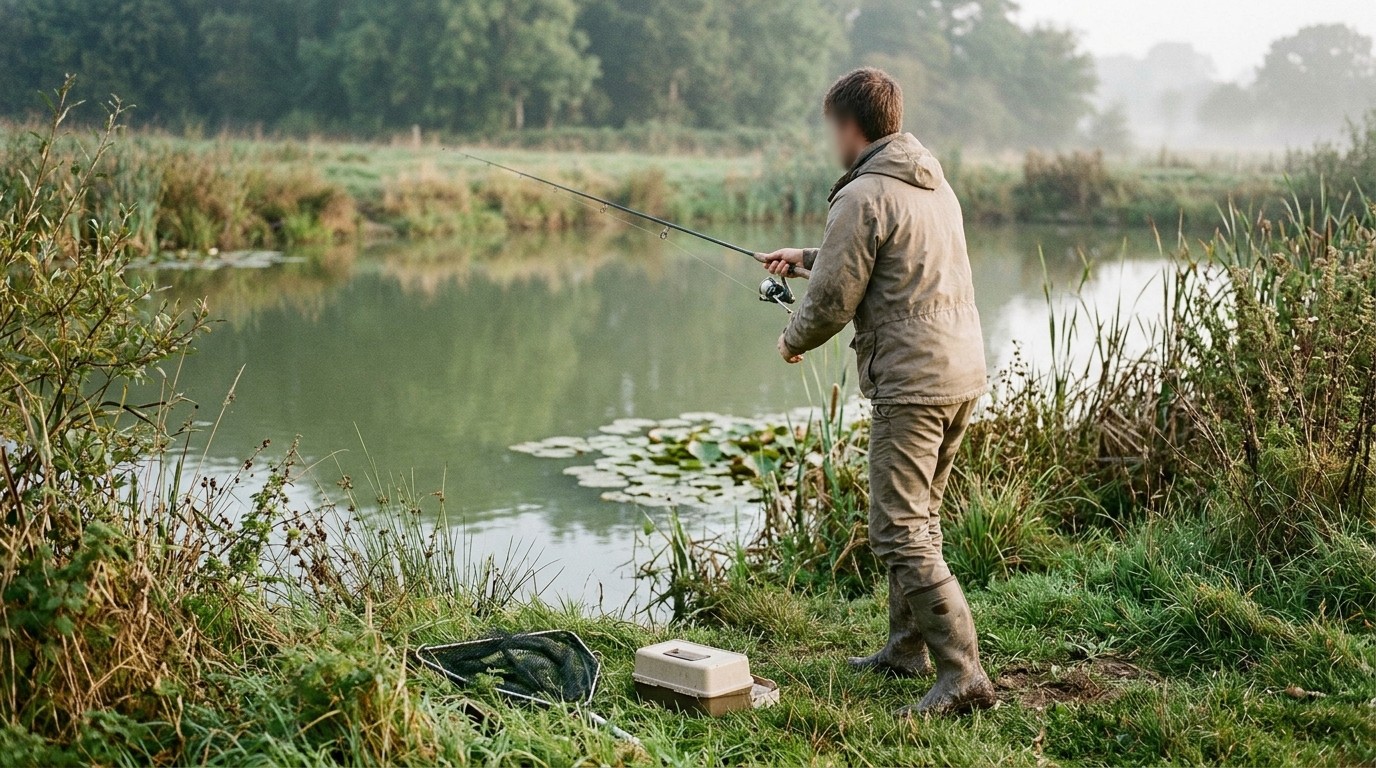
A basic rod, a reel, some line, and a handful of lures or bait will get you on the water. This simplicity stands in stark contrast to many modern hobbies that demand constant upgrades and additions. Fishing teaches you to work with what you have, to understand your equipment intimately, and to recognize that skill matters far more than the latest gadgets.
Many anglers spend years using the same trusted rod, the same well-worn tackle box, and the same favorite fishing spots. This relationship with reliable, long-lasting equipment mirrors the slow-living principle of investing in quality over quantity. When you do upgrade, you’re often looking for items like Delta & Twine’s high-durability fishing gear that will serve you for years rather than chasing the newest trends.
The Sensory Reset You Didn’t Know You Needed
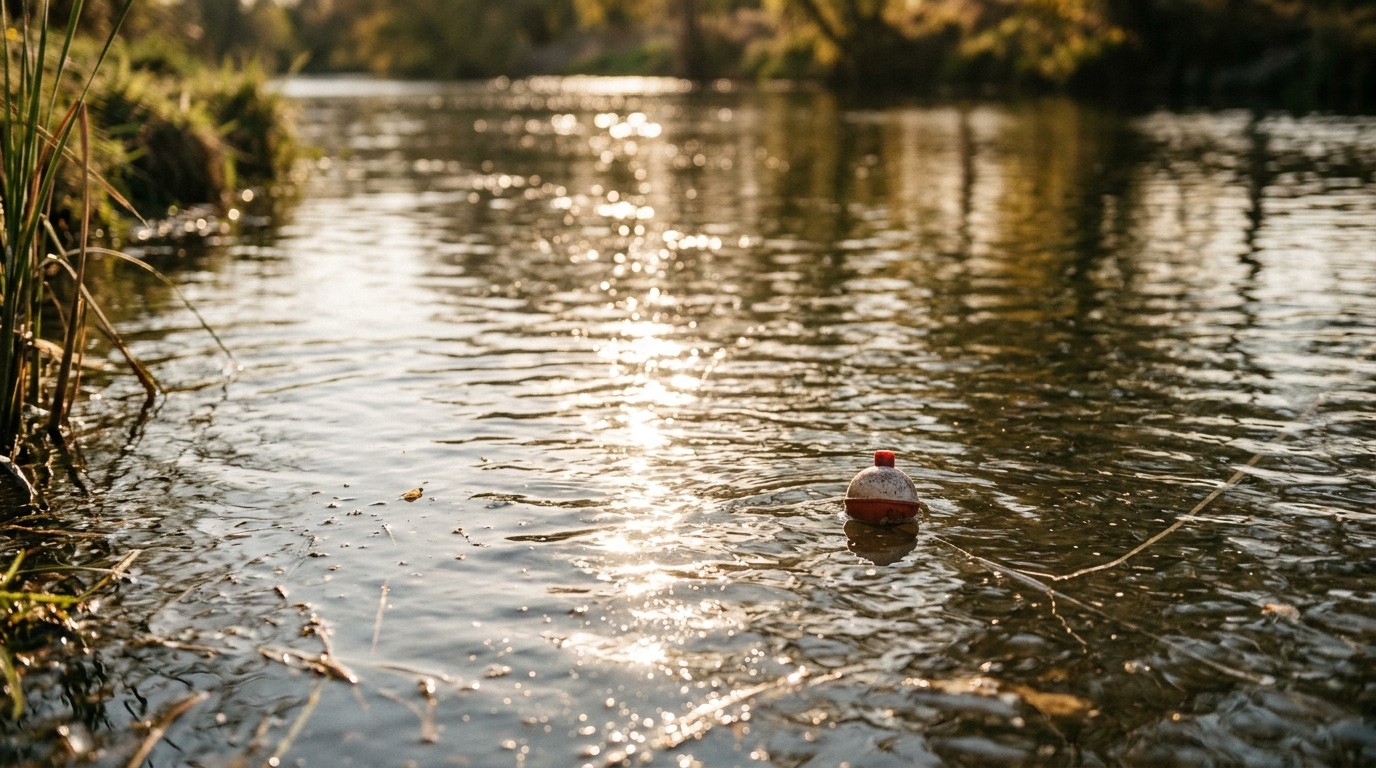
Fishing drops you into an environment where your senses recalibrate. Instead of the artificial glow of screens, you’re watching light change across water. Instead of notification sounds, you’re hearing bird calls, wind through trees, and the gentle lap of waves against your boat or the shore.
This sensory shift happens gradually. The first thirty minutes might feel restless. Your brain keeps reaching for the dopamine hits it’s accustomed to. But then something changes. You start noticing the way insects skim the water’s surface. You become attuned to subtle changes in the current. You feel the breeze shift direction and instinctively know what it means for where the fish might be holding.
This isn’t forced mindfulness from an app. It emerges naturally from the activity itself. You become observant because observation improves your chances. You become patient because impatience catches nothing.
Learning to Read Water Like Reading Time
Experienced anglers develop an almost meditative relationship with water. They can look at a stretch of river or a section of lake and read it like a story, understanding where fish are likely to be based on temperature, structure, season, and countless other variables.
This knowledge accumulates slowly. You can’t download it or take a weekend course that makes you an expert. It requires time on the water, failed attempts, conversations with other anglers, and careful attention to patterns that reveal themselves across seasons and years.
Building expertise this way offers a satisfaction you can’t get from shortcuts. Each outing adds another piece to your understanding. You remember that the bass were holding near that submerged log in early June. You recall how the trout behaved differently after three days of rain.
This accumulated wisdom becomes a living relationship with specific places and their rhythms.
The Social Aspect That Isn’t Social Media
Fishing culture has a unique social dynamic. Anglers will spend hours in comfortable silence together, communicating mostly through shared glances when someone gets a bite or the occasional quiet comment about changing techniques.
This low-pressure companionship offers something rare: being with others without the expectation of constant conversation or entertainment. You can fish alone and find solitude, or fish with friends and family while still maintaining that contemplative, slow-paced atmosphere.
The fishing community also practices a particular kind of generosity. Experienced anglers regularly share knowledge, favorite spots (sometimes), and techniques with newcomers. There’s an understanding that the resource is shared and that helping others enjoy it doesn’t diminish your own experience.
Embracing Uncertainty and Failure
Every fishing trip is an exercise in accepting uncertainty. You can do everything right and catch nothing. You can break every rule and have the best day of the season. This unpredictability frustrates people initially, but it’s also what makes the hobby such an effective teacher.
Fishing dismantles the illusion of control that dominates so much of modern life. You learn to prepare well, make informed decisions, and then surrender to factors beyond your influence. The weather changes. The fish aren’t feeding. That’s just how it goes.
This acceptance of failure as part of the process, not a reflection of your worth or skill, is a lesson worth keeping. You don’t catastrophize about getting skunked. You adjust, try different approaches, and come back another day. It’s a healthy model for handling disappointment that translates well beyond the water.
Practical Ways to Start Slow
If you’re interested in fishing as a slow-living practice, start simple. Find a local pond, lake, or river. Talk to anglers at a local tackle shop about what works in your area. Buy or borrow basic equipment before investing heavily.
Most importantly, give yourself permission to be terrible at first. Your casts will tangle. You’ll lose lures to underwater snags. You’ll spend entire afternoons without a single bite. All of this is normal and necessary.
Set aside time blocks where fishing is the only goal. Don’t combine it with phone calls or treat it as background activity. Show up, cast out, and see what happens. Some days you’ll catch dinner. Other days you’ll catch perspective. Both are valuable.
The Catch Worth Keeping
Fishing won’t solve all your problems or magically erase the stress of daily life. But it offers something increasingly rare: a legitimate reason to slow down, pay attention, and exist in natural time rather than digital time.
The skills you develop as an angler extend far beyond knowing how to tie knots or read water. You learn patience as a practice, not a virtue you’re supposed to have. You experience the satisfaction of knowledge gained slowly. You find community without performance. You discover that sometimes the best thing you can do is cast out and wait.

