
Mountain resorts are reimagining holiday experiences by embracing car-free or car-light models. Cleaner air, safer streets, and lower stress are just some of the health and wellness rewards visitors can expect. As more destinations make this shift, understanding the practical benefits becomes increasingly relevant for travellers seeking better personal wellbeing alongside sustainability.
Reducing private car use in mountain resorts has come into sharper focus as travel patterns and public health priorities evolve. Car-free or car-light resort experiences typically involve restricted or managed private vehicle access, supplemented by organised transfers, shuttles, and walkable connections. The Lyon to Les Arcs service supports car-free environments that appeal to travellers not only seeking a sustainable retreat, but also those prioritising their health and peace of mind. This shift addresses the unique challenges posed by mountains’ enclosed topography while delivering a host of benefits extending beyond environmental gains. The World Health Organization notes that air pollution is associated with approximately seven million premature deaths annually, underscoring the significance of cleaner air in travel destinations.
Cleaner air quality supports healthier breathing
Enclosed mountain basins and valleys can trap vehicle emissions, putting air quality at risk when car use is high. In car-free resort areas, local air quality can improve, reducing exposure to vehicle-related pollutants.
Cleaner local air may make a difference for families with young children, those with asthma, and anyone vulnerable to air pollution. Breathing easier can enhance daily comfort and support wellbeing during a stay.
Mountain environments are often chosen specifically for their reputation for fresh air, yet this natural advantage can be compromised when vehicle emissions accumulate in confined valley settings. Studies have shown that particulate matter from exhaust fumes can linger longer in areas with limited air circulation, potentially affecting respiratory comfort. By minimising vehicular traffic, resorts create conditions where the natural alpine air quality can be better preserved, allowing guests to experience the full benefit of the mountain atmosphere they travelled to enjoy.
Quieter environments help boost restful sleep
Traffic noise can disrupt sleep patterns and contribute to stress, even at moderate levels. Resorts that reduce or eliminate car presence can foster quieter streets, which some visitors notice immediately upon arrival.
A calmer environment can support better rest, allowing you to recover after travel or outdoor activities. Improved sleep quality can contribute to overall wellbeing, leaving you more refreshed and energised throughout your holiday.

Walkable layouts foster everyday physical activity
When resorts prioritise pedestrian routes, cycling lanes, and well-planned public spaces, the risk of traffic-related accidents can drop. Streets can feel safer for children, families, and anyone moving at a slower pace, supporting more confident exploration.
Encouraging everyday movement through accessible, walkable neighbourhoods means guests may fit more gentle exercise into their routines, supporting cardiovascular health and mobility. Reduced car traffic can also encourage families to spend more time outdoors and engage with their surroundings.
Transport solutions ease stress and enhance inclusion
Reliable shuttles, clear timetables, and consolidated arrival procedures can simplify journeys, reducing decision fatigue for guests who may be unfamiliar with the area. These systems can help relieve the pressure of navigating unfamiliar roads or parking on steep mountain slopes, letting you arrive with a greater sense of ease.
Inclusive measures, such as accessible transfer services and luggage support, can help ensure that more guests, including those with reduced mobility, can take part in car-free resort experiences. When implemented thoughtfully, these adaptations can make potential health and wellness benefits available to a wider audience.
Community atmosphere and positive environmental effects
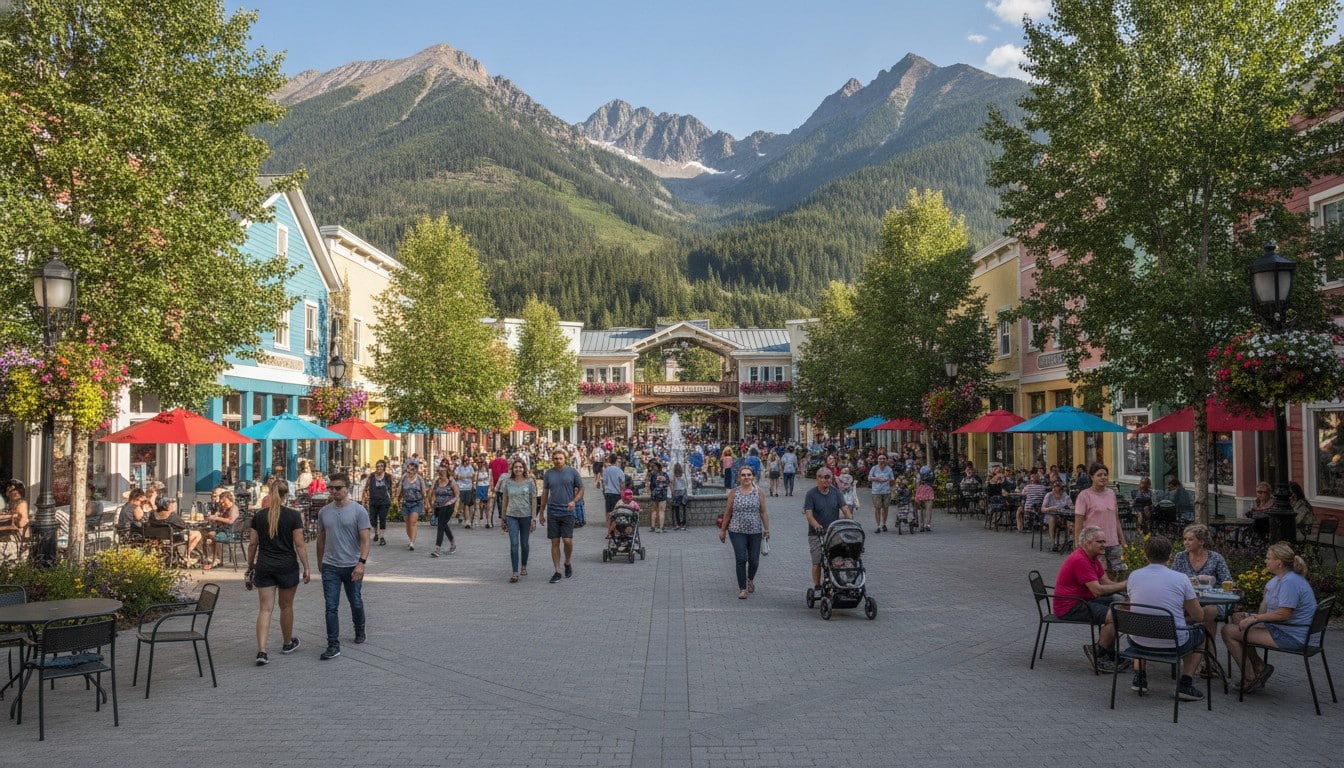
By reclaiming public spaces for walking, gathering, and local commerce, car-light planning can support a stronger sense of community and create more opportunities for social interaction. This can strengthen the village feel and bring added vibrancy to resort centres.
Reducing individual car journeys can bring environmental co-benefits like lower emissions and less congestion. As explored in our look at cities around the world going car-free, these changes can also support vibrant local economies and healthier communities. These may be positive side effects rather than the only rationale for the shift. Car-free resort design can support wellbeing for guests and locals by making a calmer environment part of the holiday experience.


